How Is Pubic Lice (Crabs) Diagnosed?
Written by Anoush Gomes

Anoush Gomes is a seasoned Content Writer with over 10 years of experience, specializing in various writing styles such as medical content, creative writing, storytelling, and research papers. Anoush embarked on a unique journey, starting with pre-medical studies at the Dante Aligheri Academy and the University of Miami, where she earned a Bachelor's degree with a major in Biology and a minor in Psychology.Having pursued medical school and completed clinicals, Anoush transitioned to the world of medical content writing, where her passion for both healthcare and writing converged. Her writing skills encompass persuasive, narrative, expository, and descriptive styles, making complex medical concepts accessible to diverse audiences.Beyond her professional endeavors, Anoush is a multi-faceted individual with a rich tapestry of interests. A writer, artist, poet, avid reader, certified nerd, and hopeful author, she finds inspiration in the intersection of creativity and science.Whether crafting engaging medical narratives or weaving captivating stories, Anoush combines her diverse background and writing expertise to deliver compelling content that resonates with diverse audiences.
•
May 23, 2024
Our experts continually monitor the health and wellness space, and we update our articles when new information becomes available.
Diagnosing pubic lice, commonly known as "crabs," involves a combination of visual inspection and, in some cases, laboratory tests. While pubic lice infestations are typically straightforward to diagnose, healthcare providers may use various methods to confirm the presence of these tiny parasites. In this article, we'll explore how pubic lice are diagnosed and what you can expect during the diagnostic process.
Visual Inspection
The primary method for diagnosing pubic lice is a visual inspection of the affected area. During a physical examination, a healthcare provider will closely examine the pubic hair and genital region for signs of lice or their eggs (nits). Using a magnifying glass or a special light called a Wood's lamp, they can identify adult lice, nymphs (young lice), or nits attached to the hair shaft near the skin.

Differential Diagnosis
In some cases, the symptoms of pubic lice infestation, such as intense itching or skin irritation, may resemble other conditions, such as allergic reactions, dermatitis, or sexually transmitted infections (STIs). To rule out other possible causes, healthcare providers may perform a differential diagnosis, which involves considering various factors, including medical history, sexual activity, and recent travel.
Laboratory Tests
While visual inspection is often sufficient to diagnose pubic lice, healthcare providers may recommend laboratory tests in certain situations. These tests may include:
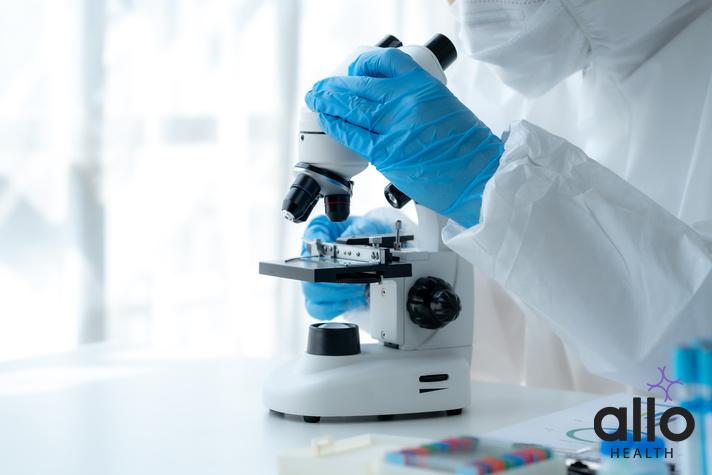
- Microscopic Examination: If the presence of pubic lice is uncertain or if there are concerns about other conditions, healthcare providers may use a microscope to examine samples of pubic hair or skin scrapings. This allows them to confirm the presence of lice, nymphs, or nits.
- PCR Testing: Polymerase chain reaction (PCR) testing may be used to detect the genetic material of pubic lice in samples collected from the affected area. PCR testing is highly sensitive and can provide accurate results, particularly in cases where lice or nits are difficult to visualize.
Self-Diagnosis
While healthcare providers are trained to diagnose pubic lice accurately, some individuals may attempt to self-diagnose using over-the-counter lice treatment products. While self-examination may help identify visible lice or nits, it's essential to consult a healthcare provider for confirmation and appropriate treatment. Diagnosing pubic lice involves a combination of visual inspection, differential diagnosis, and, in some cases, laboratory tests. Healthcare providers carefully examine the affected area for signs of lice or nits and may recommend additional tests to confirm the diagnosis. If you suspect you have pubic lice or experience symptoms such as itching or irritation in the genital area, it's essential to seek medical attention for diagnosis and treatment. Remember, early detection and prompt treatment are crucial for managing pubic lice infestations effectively and preventing complications.
Disclaimer
The following blog article provides general information and insights on various topics. However, it is important to note that the information presented is not intended as professional advice in any specific field or area. The content of this blog is for general educational and informational purposes only. The content should not be interpreted as endorsement, recommendation, or guarantee of any product, service, or information mentioned. Readers are solely responsible for the decisions and actions they take based on the information provided in this blog. It is essential to exercise individual judgment, critical thinking, and personal responsibility when applying or implementing any information or suggestions discussed in the blog.
Most Asked Questions
How is pubic lice (crabs) diagnosed?
Pubic lice infestation is usually diagnosed based on a physical examination of the affected area. Healthcare providers may use a magnifying glass or a special instrument called a dermoscope to identify adult lice, nymphs (young lice), or their eggs (nits) attached to the hair shafts in the pubic region.
What should I expect during a medical examination for pubic lice?
During a medical examination for pubic lice, your healthcare provider will visually inspect the pubic area and may examine other areas of the body where lice can be present, such as the armpits, chest, or eyelashes. They may also ask you about your symptoms and any recent sexual or close personal contact with someone who has pubic lice.
Are there any tests to confirm the diagnosis of pubic lice infestation?
In most cases, pubic lice infestation can be diagnosed based on a visual examination alone. However, in some situations, your healthcare provider may use a microscope to examine a sample of hair or skin from the affected area to confirm the presence of lice or their eggs.
Can pubic lice be mistaken for other conditions?
Pubic lice infestation can sometimes be mistaken for other conditions that cause itching in the pubic area, such as scabies or an allergic reaction to personal hygiene products. However, the presence of lice or their eggs on the hair shafts is a characteristic sign of pubic lice infestation.
Should I see a healthcare provider if I suspect I have pubic lice?
Yes, if you suspect you have pubic lice or are experiencing symptoms of infestation, it's essential to seek medical advice for diagnosis and treatment. Your healthcare provider can confirm the diagnosis, recommend appropriate treatment, and provide guidance on preventing reinfestation and complications. It's important not to self-diagnose or self-treat pubic lice infestation, as improper use of over-the-counter or home remedies may be ineffective or cause harm.