The stats shown are approximations derived from WHO research

Mental Health

Addiction

Substance or behavioural addiction that is hard to control and is affecting work, relationships or health. At Allo psychiatrists and therapists offer private, evidence-based care without shame.

Addiction is medical, not a moral failure
25,000+ patients treated
Stabilization plans start from the first consult
Commonness

How Common is Addiction?

Substance or behavioural addiction that is hard to control and is affecting work, relationships or health. At Allo psychiatrists and therapists offer private, evidence-based care without shame.

Widespread

across substances and behavioural patterns

Often

hidden behind high-functioning work lives

Treatable

with structured medical and psychological care

Self-Assessment

Evaluate Your Addiction Concerns

These prompts help you prepare for a consultation.

Common Signs to Watch For:

Loss of Control

Using more or longer than intended

Failed Cut-Downs

Repeated unsuccessful attempts to stop

Cravings

Strong urges that override plans

Life Impact

Work, family or health are suffering

Note: This self-assessment is for informational purposes only and is not a substitute for professional medical advice, diagnosis, or treatment.

Symptoms

Recognizing Addiction

Recognizing these patterns early helps you get the right care for addiction.

Using More Than Intended

Amount or time keeps escalating past what you planned

"I'd tell myself just once, then lose the evening."

Failed Cut-Down Attempts

Repeated promises to stop that do not stick

"Willpower worked for a week, then the craving won again."

Life Consequences

Work, family, money or health taking hits while use continues

"I could see the damage and still could not stop cleanly."

When should you see a doctor?

If you're experiencing even one of the following, it's time to talk to an expert:

  • 1
    You cannot cut down despite clear harm
  • 2
    Cravings or withdrawal are driving daily decisions
  • 3
    Work, relationships or health are deteriorating

Important to Know:

Seeking help is a clinical decision, not an admission of failure.

Root Causes

Understanding Causes of Addiction

Addiction involves brain reward pathways plus stress, trauma and environment.

Physical Causes

Tolerance & Withdrawal

The body adapts, so more is needed and stopping feels physically hard.

Sleep & Health Impact

Broken sleep and medical complications keep the cycle unstable.

Psychological Factors

Stress and Trauma

Substances or behaviors become a fast way to numb overwhelm.

Co-Occurring Anxiety or Depression

Untreated mood issues often fuel relapse.

Our Approach

Our Approach to Treating Addiction

At Allo Health we personalise care for addiction with psychiatry and therapy when needed.

Clinical Assessment

We map use patterns, withdrawal risk and co-occurring mental health needs.

Therapy & Relapse Skills

Urge management, trigger plans and support for life rebuild.

Medication When Appropriate

Used for specific substances and cravings under clinical guidance.

Treatment Journey

Your Path to Renewed Sexual Confidence

At Allo Health, we provide a comprehensive, step-by-step approach to treating erectile dysfunction.

Step 1

Comprehensive Evaluation

We start with a detailed evaluation to understand your unique situation. This involves a thorough discussion of your medical history, symptoms, and lifestyle.

Detailed medical history and symptom review

Targeted diagnostic testing, if necessary.

Exploration of psychological and relationship factors.

Appointment Duration:

Initial consultation: 45-60 minutes

Doctor consulting with patient
Step 2

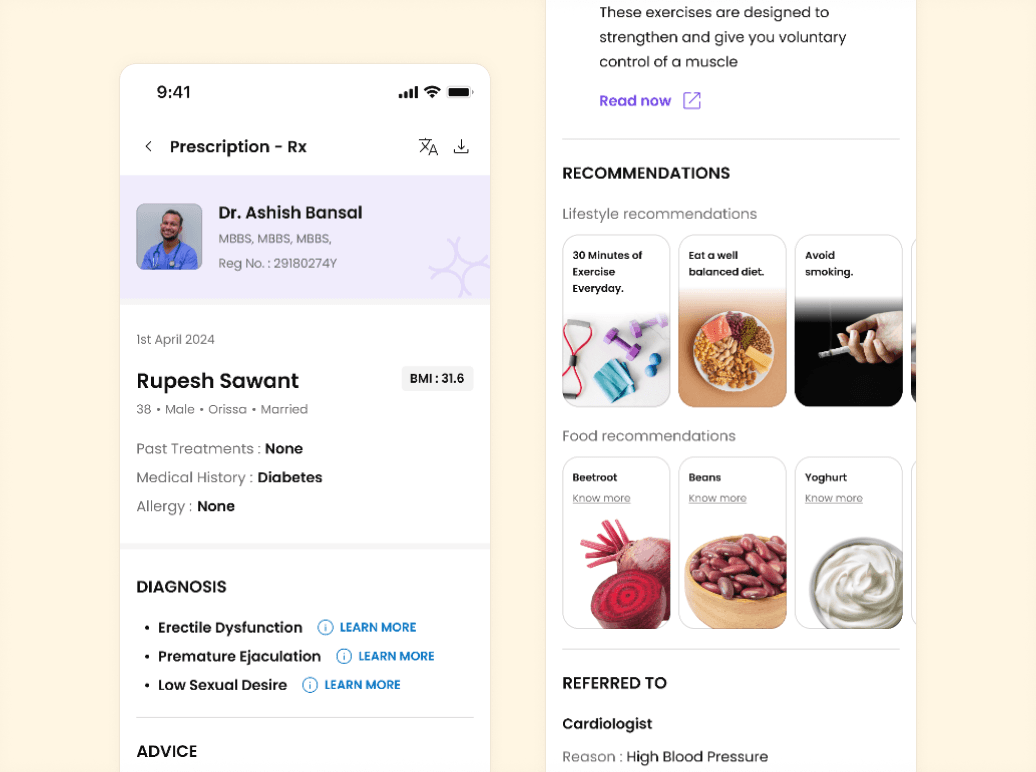
Personalized Treatment Plan

Based on your evaluation, we create a customized treatment plan designed to address the underlying causes of your concerns, ensuring a holistic approach

Customized medical treatment options.

Integrated psychological support, when appropriate.

Personalized lifestyle recommendations for sustained improvement.

Treatment Options May Include:

  • Oral medications
  • Hormone therapy
  • Vacuum devices
  • Lifestyle changes
  • Psychotherapy
  • Couples therapy
Personalized treatment plan
Step 3

Active Treatment & Progress Monitoring

We actively implement your personalized plan, combining medical interventions, psychological support, and lifestyle adjustments, while closely monitoring your progress.

Precise management of FDA-approved medications.

Regular progress check-ins and treatment adjustments.

Integrated approach to optimize all contributing factors.

Typical Treatment Timeline

Initial Response2-4 weeks
Significant Improvement1-3 months
Optimal Results3-6 months
Personalized treatment plan
Step 4

Long-Term Wellness & Prevention

We focus on long-term wellness by providing strategies to maintain your progress and prevent recurrence, ensuring continued success.

Sustainable lifestyle optimization strategies.

Ongoing relationship and intimacy counseling, as needed.

Scheduled follow-up appointments for continued monitoring.

Personalized treatment plan
FAQs

Common Questions About Addiction

Get answers about addiction, causes and treatment options.

No. It is a medical condition involving brain reward pathways. Judgement-free care works better than shame.

Assessment, therapy, medication when appropriate, relapse-prevention skills and follow-up.

Yes. Many people begin care before they are fully abstinent. The plan meets you where you are.

Success Stories

Success Stories from Our Patients

Read the experiences of people who have successfully overcome Addiction with Allo Health's comprehensive treatment approach.

Take the First Step Towards Better Sexual Health

Don't let intimate health concerns affect your quality of life and relationships. Our compassionate specialists are ready to help you overcome these challenges with personalized, science-backed solutions.

Convenient Scheduling

Online and in-clinic appointments available

Discreet Consultation

Private, judgment-free environment

Expert Care

Specialized team with extensive experience

Frequently Asked Questions

No. It is a medical condition involving brain reward pathways. Judgement-free care works better than shame.

Assessment, therapy, medication when appropriate, relapse-prevention skills and follow-up.

Yes. Many people begin care before they are fully abstinent. The plan meets you where you are.