The stats shown are approximations derived from WHO research

Mental Health

Anger & Behavioural Issues

Outbursts, irritability or behaviour patterns that hurt relationships or work. At Allo we uncover triggers & build safer, more regulated responses.

Anger often masks stress, ADHD or mood issues
25,000+ patients treated
Skills practice can reduce intensity within weeks
Commonness

How Common are Anger Concerns?

Outbursts, irritability or behaviour patterns that hurt relationships or work. At Allo we uncover triggers & build safer, more regulated responses.

Common

in high-stress work and family settings

Often

linked with ADHD, anxiety or depression

Improves

with skills training and treatment of root drivers

Self-Assessment

Evaluate Your Anger Patterns

These prompts help you prepare for a consultation.

Common Signs to Watch For:

Outbursts

Disproportionate anger episodes

Slow Recovery

Long cool-down after conflict

Relationship Impact

People feel unsafe or distant

Regret Cycle

Repeated apologies without lasting change

Note: This self-assessment is for informational purposes only and is not a substitute for professional medical advice, diagnosis, or treatment.

Symptoms

Recognizing Anger & Behavioural Issues

Recognizing these patterns early helps you get the right care for anger & behavioural issues.

Frequent Outbursts

Disproportionate anger that surprises even you afterward

"I'd explode over small things, then feel awful about how I spoke."

Slow Cool-Down

Difficulty settling after conflict

"Hours later I was still replaying the fight in my head."

Relationship Damage

People around you feel unsafe or walk on eggshells

"My partner started avoiding hard conversations entirely."

When should you see a doctor?

If you're experiencing even one of the following, it's time to talk to an expert:

  • 1
    Anger is frequent, intense or followed by regret
  • 2
    Work or family relationships are being damaged
  • 3
    You suspect ADHD, stress or mood issues underneath

Important to Know:

Anger is a signal. Treating what drives it is more effective than "trying harder to stay calm".

Root Causes

Understanding Anger & Behavioural Issues

Anger can be a primary habit or a signal of ADHD, sleep debt, trauma or mood strain.

Physical Causes

Sleep Deprivation

Low sleep sharply reduces frustration tolerance.

Substance Use

Alcohol and stimulants can disinhibit anger responses.

Psychological Factors

Unprocessed Stress or Trauma

The nervous system stays defensive and reacts fast.

Feeling Unheard

Chronic invalidation turns ordinary conflict into explosion.

Our Approach

Our Approach to Anger & Behavioural Issues

At Allo Health we personalise care for anger & behavioural issues with psychiatry and therapy when needed.

Root-Cause Assessment

We check for ADHD, mood, sleep and substance contributors.

Regulation Skills

Practical tools for pausing, repairing and communicating under heat.

Relationship Repair

Support for rebuilding trust after repeated conflict.

Treatment Journey

Your Path to Renewed Sexual Confidence

At Allo Health, we provide a comprehensive, step-by-step approach to treating erectile dysfunction.

Step 1

Comprehensive Evaluation

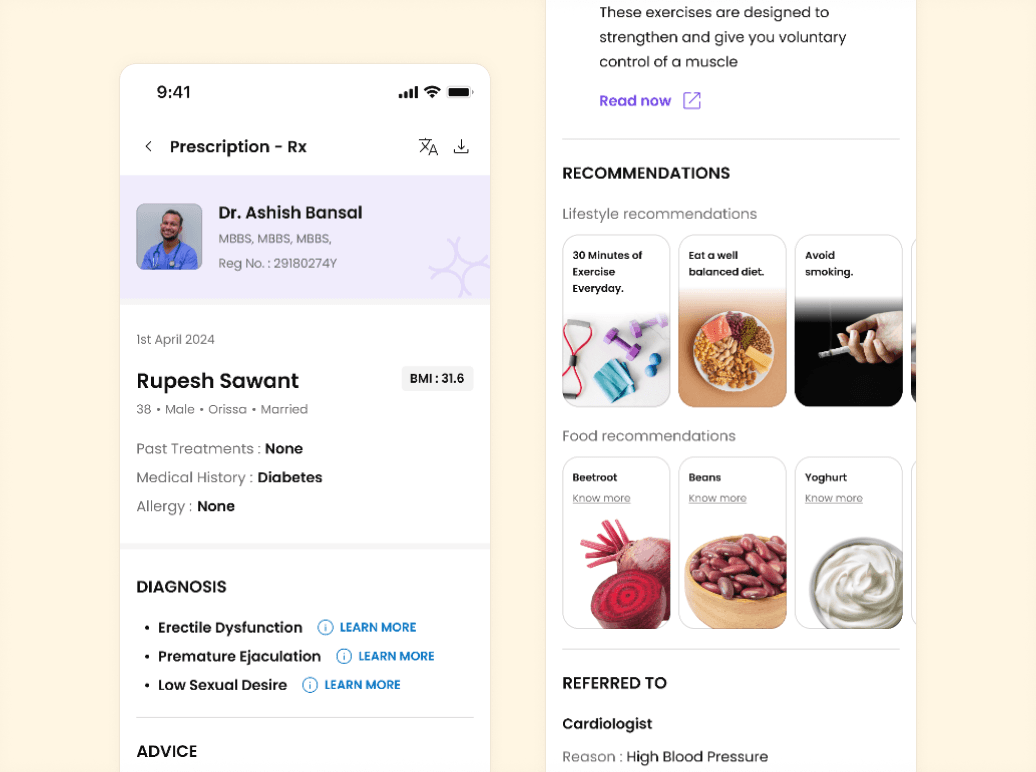
We start with a detailed evaluation to understand your unique situation. This involves a thorough discussion of your medical history, symptoms, and lifestyle.

Detailed medical history and symptom review

Targeted diagnostic testing, if necessary.

Exploration of psychological and relationship factors.

Appointment Duration:

Initial consultation: 45-60 minutes

Doctor consulting with patient
Step 2

Personalized Treatment Plan

Based on your evaluation, we create a customized treatment plan designed to address the underlying causes of your concerns, ensuring a holistic approach

Customized medical treatment options.

Integrated psychological support, when appropriate.

Personalized lifestyle recommendations for sustained improvement.

Treatment Options May Include:

  • Oral medications
  • Hormone therapy
  • Vacuum devices
  • Lifestyle changes
  • Psychotherapy
  • Couples therapy
Personalized treatment plan
Step 3

Active Treatment & Progress Monitoring

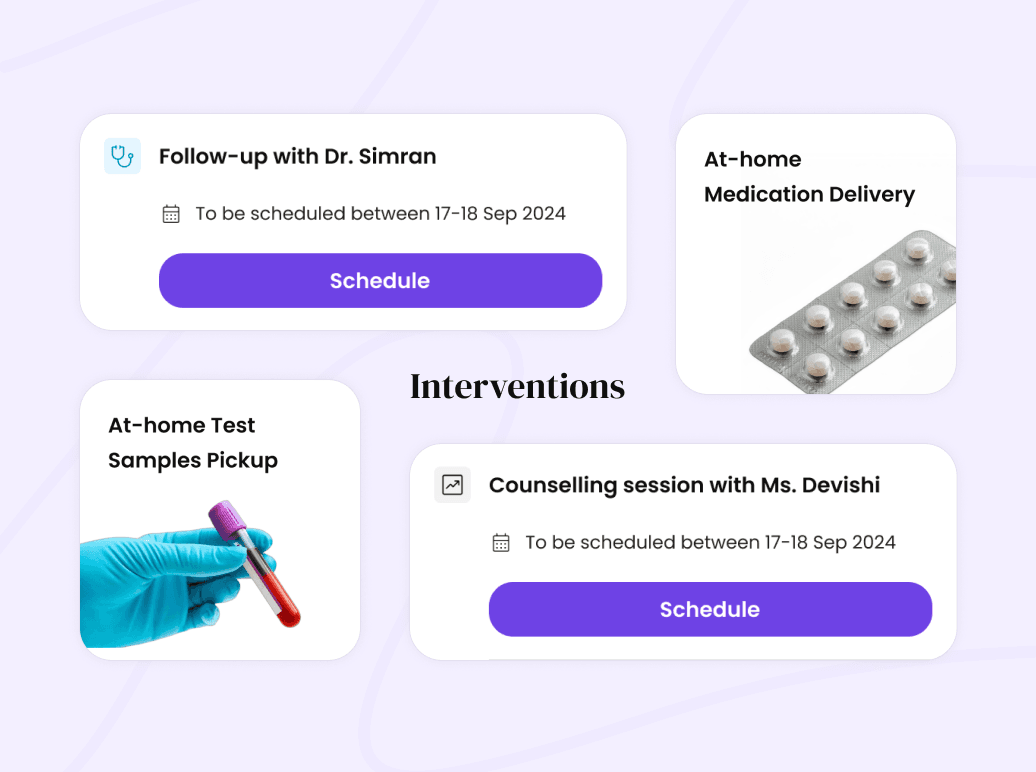
We actively implement your personalized plan, combining medical interventions, psychological support, and lifestyle adjustments, while closely monitoring your progress.

Precise management of FDA-approved medications.

Regular progress check-ins and treatment adjustments.

Integrated approach to optimize all contributing factors.

Typical Treatment Timeline

Initial Response2-4 weeks
Significant Improvement1-3 months
Optimal Results3-6 months
Personalized treatment plan
Step 4

Long-Term Wellness & Prevention

We focus on long-term wellness by providing strategies to maintain your progress and prevent recurrence, ensuring continued success.

Sustainable lifestyle optimization strategies.

Ongoing relationship and intimacy counseling, as needed.

Scheduled follow-up appointments for continued monitoring.

Personalized treatment plan
FAQs

Common Questions About Anger & Behavioural Issues

Get answers about anger & behavioural issues, causes and treatment options.

Not always, but when it is frequent, intense or damaging, clinical support helps more than self-control alone.

Not necessarily. Therapy and skills are often first-line. Medication is considered when mood or ADHD drives the pattern.

Yes, when useful. Joint sessions can improve repair after conflict.

Success Stories

Success Stories from Our Patients

Read the experiences of people who have successfully overcome Anger & Behavioural Issues with Allo Health's comprehensive treatment approach.

Take the First Step Towards Better Sexual Health

Don't let intimate health concerns affect your quality of life and relationships. Our compassionate specialists are ready to help you overcome these challenges with personalized, science-backed solutions.

Convenient Scheduling

Online and in-clinic appointments available

Discreet Consultation

Private, judgment-free environment

Expert Care

Specialized team with extensive experience

Frequently Asked Questions

Not always, but when it is frequent, intense or damaging, clinical support helps more than self-control alone.

Not necessarily. Therapy and skills are often first-line. Medication is considered when mood or ADHD drives the pattern.

Yes, when useful. Joint sessions can improve repair after conflict.