The stats shown are approximations derived from WHO research

Sexual Dysfunction

Anorgasmia

Difficulty or inability to reach orgasm despite adequate stimulation and desire. At Allo we look at physical, hormonal and emotional factors together & personalise a stepwise plan for lasting change.

Up to 10-15% of women report orgasm difficulty
25,000+ patients treated
Most plans show progress in 6-12 weeks
Commonness

How Common is Anorgasmia?

Difficulty with orgasm is widely underreported, especially among women, and highly treatable.

10-15%

of women report persistent difficulty reaching orgasm

Many

cases involve a mix of physical and emotional factors

Most

people improve once the root cause is identified

Self-Assessment

Evaluate Your Orgasm Concerns

These prompts help you prepare for a consultation. A clinician can confirm what is going on.

Common Signs to Watch For:

Difficulty Reaching Climax

Rarely or never orgasm despite adequate stimulation

Reduced Sensation

Pleasure or genital sensation feels lower than before

Distress or Avoidance

Frustration, anxiety or avoiding intimacy because of this

Recent Change

Orgasm used to be easier and has become harder over weeks or months

Note: This self-assessment is for informational purposes only and is not a substitute for professional medical advice, diagnosis, or treatment.

Symptoms

Recognizing Anorgasmia

These patterns help clinicians understand what is getting in the way of orgasm.

Rarely or Never Reaching Climax

Orgasm does not happen, or happens only rarely, even with adequate stimulation

"I can feel aroused, but climax almost never comes, no matter how long we try."

Reduced Genital Sensation

Pleasure or sensation feels muted compared with before

"It feels like my body is less responsive than it used to be, even when I want intimacy."

Frustration Despite Desire

Wanting sex and still leaving unsatisfied, which builds pressure over time

"Wanting it and still not finishing made me anxious every time we were intimate."

When should you see a doctor?

If you're experiencing even one of the following, it's time to talk to an expert:

  • 1
    You've rarely or never been able to reach orgasm and it bothers you
  • 2
    Orgasm difficulty is new and lasting for more than a few weeks
  • 3
    The issue is causing stress, avoidance or strain with a partner

Important to Know:

Anorgasmia is more common than people admit, and most cases improve with the right plan.

Root Causes

Understanding Causes of Anorgasmia

Anorgasmia can come from medical, medication-related or emotional factors. Finding the driver matters more than pushing harder.

Physical Causes

Hormonal Changes

Shifts after childbirth, menopause, thyroid issues or contraception can dull orgasm response.

Medications & Nerve Factors

Some antidepressants, pelvic surgery or nerve sensitivity changes can make climax harder to reach.

Psychological Factors

Anxiety During Intimacy

Over-monitoring pleasure or fear of not finishing can interrupt the orgasm reflex.

Past Difficult Experiences

Pain, shame or pressure around sex can keep the body from fully letting go.

Our Approach

Our Approach to Treating Anorgasmia

At Allo Health we combine medical review with practical, private sexual health care.

Medical & Medication Review

We check hormones, medicines and pelvic factors that may be blocking orgasm.

Therapy & Techniques

Sensate-focus style guidance and anxiety work help rebuild natural climax response.

Personalised Pace

Plans stay private, stepwise and matched to your comfort, with or without a partner.

Treatment Journey

Your Path to Renewed Sexual Confidence

At Allo Health, we provide a comprehensive, step-by-step approach to treating erectile dysfunction.

Step 1

Comprehensive Evaluation

We start with a detailed evaluation to understand your unique situation. This involves a thorough discussion of your medical history, symptoms, and lifestyle.

Detailed medical history and symptom review

Targeted diagnostic testing, if necessary.

Exploration of psychological and relationship factors.

Appointment Duration:

Initial consultation: 45-60 minutes
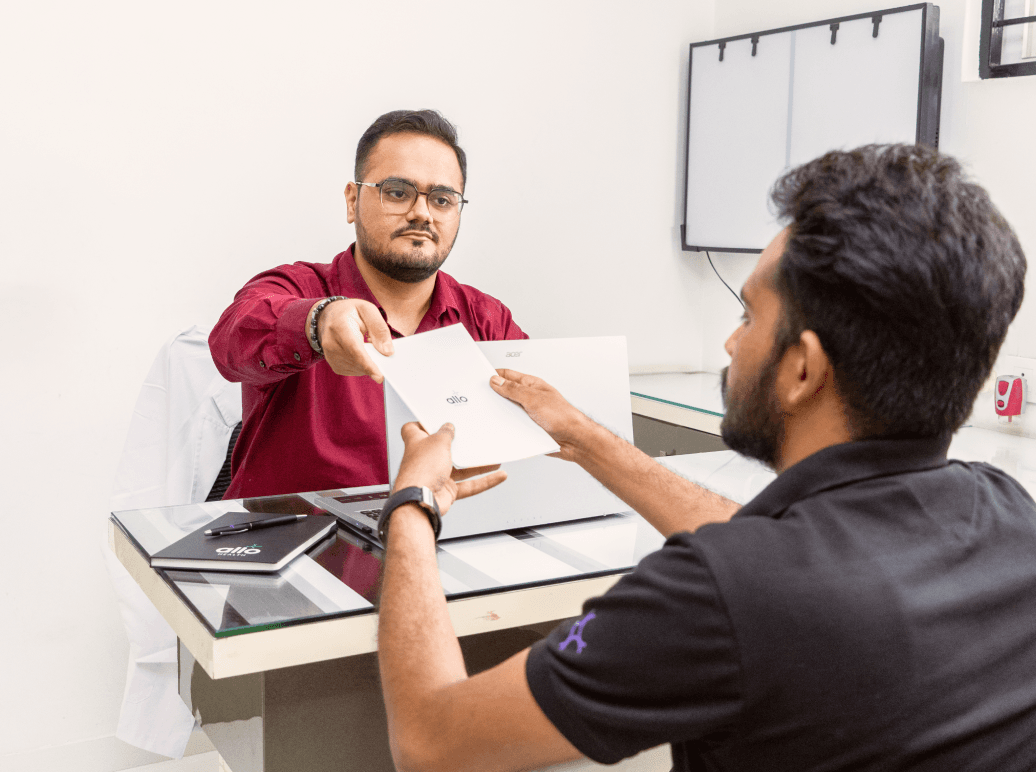
Doctor consulting with patient
Step 2

Personalized Treatment Plan

Based on your evaluation, we create a customized treatment plan designed to address the underlying causes of your concerns, ensuring a holistic approach

Customized medical treatment options.

Integrated psychological support, when appropriate.

Personalized lifestyle recommendations for sustained improvement.

Treatment Options May Include:

  • Oral medications
  • Hormone therapy
  • Vacuum devices
  • Lifestyle changes
  • Psychotherapy
  • Couples therapy
Personalized treatment plan
Step 3

Active Treatment & Progress Monitoring

We actively implement your personalized plan, combining medical interventions, psychological support, and lifestyle adjustments, while closely monitoring your progress.

Precise management of FDA-approved medications.

Regular progress check-ins and treatment adjustments.

Integrated approach to optimize all contributing factors.

Typical Treatment Timeline

Initial Response2-4 weeks
Significant Improvement1-3 months
Optimal Results3-6 months
Personalized treatment plan
Step 4

Long-Term Wellness & Prevention

We focus on long-term wellness by providing strategies to maintain your progress and prevent recurrence, ensuring continued success.

Sustainable lifestyle optimization strategies.

Ongoing relationship and intimacy counseling, as needed.

Scheduled follow-up appointments for continued monitoring.

Personalized treatment plan
FAQs

Common Questions About Anorgasmia

Clear answers about orgasm difficulty, causes and treatment at Allo.

It is reported more often in women, but people of any gender can struggle to reach orgasm. Assessment looks at stimulation, medicines, hormones and anxiety for everyone.

No. Many people start individually. Partner sessions are optional when both people want them and when relationship dynamics matter.

Yes, some medicines reduce orgasm capacity. Never stop a medicine on your own. We review options with your clinician and plan safer alternatives when needed.

Success Stories

Success Stories from Our Patients

Read the experiences of people who have successfully overcome Anorgasmia with Allo Health's comprehensive treatment approach.

Take the First Step Towards Better Sexual Health

Don't let intimate health concerns affect your quality of life and relationships. Our compassionate specialists are ready to help you overcome these challenges with personalized, science-backed solutions.

Convenient Scheduling

Online and in-clinic appointments available

Discreet Consultation

Private, judgment-free environment

Expert Care

Specialized team with extensive experience

Frequently Asked Questions

It is reported more often in women, but people of any gender can struggle to reach orgasm. Assessment looks at stimulation, medicines, hormones and anxiety for everyone.

No. Many people start individually. Partner sessions are optional when both people want them and when relationship dynamics matter.

Yes, some medicines reduce orgasm capacity. Never stop a medicine on your own. We review options with your clinician and plan safer alternatives when needed.