The stats shown are approximations derived from WHO research

Sexual Dysfunction

Low Libido

Reduced interest in sex that feels lower than before or mismatched with a partner. At Allo we assess hormones, mood, sleep and relationship factors & personalise treatment for lasting desire.

Desire concerns are among the top reasons people seek care
25,000+ patients treated
Many notice change within 6-12 weeks
Commonness

How Common is Low Libido?

Reduced interest in sex that feels lower than before or mismatched with a partner. At Allo we assess hormones, mood, sleep and relationship factors & personalise treatment for lasting desire.

Common

across genders, especially during high-stress life phases

Often

linked to sleep, mood, hormones or relationship factors

Most

cases improve once the main driver is treated

Self-Assessment

Evaluate Your Desire Concerns

These prompts help you prepare for a consultation.

Common Signs to Watch For:

Reduced Interest

Fewer sexual thoughts or less interest in intimacy

Baseline Change

Desire feels clearly lower than before

Relationship Strain

Mismatch or conflict around sex

Linked Changes

Mood, sleep, medicines or hormones shifted around the same time

Note: This self-assessment is for informational purposes only and is not a substitute for professional medical advice, diagnosis, or treatment.

Symptoms

Recognizing Low Libido

Symptoms help us understand what is driving low libido and plan effective care.

Fewer Sexual Thoughts

Interest in sex feels muted or rare compared with earlier

"I used to initiate. Now intimacy feels like another chore on my list."

Desire Lower Than Before

A clear drop from your own previous baseline

"It was not always like this, and that change is what worried me most."

Avoidance of Intimate Situations

Sidestepping cues that might lead to sex

"I started going to bed earlier just to avoid the awkwardness."

When should you see a doctor?

If you're experiencing even one of the following, it's time to talk to an expert:

  • 1
    Low desire has lasted more than a few weeks and bothers you
  • 2
    Desire mismatch is straining your relationship
  • 3
    Low libido arrived with mood, sleep, medicine or hormone changes

Important to Know:

Occasional dips with stress are common. Persistent change deserves a proper assessment.

Root Causes

Understanding Causes of Low Libido

Low desire is rarely "just in your head". Medical and emotional drivers often overlap.

Physical Causes

Hormones & Life Stage

Thyroid issues, low testosterone, postpartum changes or menopause can reduce desire.

Fatigue & Medicines

Poor sleep, some antidepressants and chronic illness commonly blunt libido.

Psychological Factors

Stress and Low Mood

When the nervous system stays on alert, desire is often the first thing to drop.

Relationship Strain

Unresolved conflict or feeling unwanted can shut down interest quickly.

Our Approach

Our Approach to Treating Low Libido

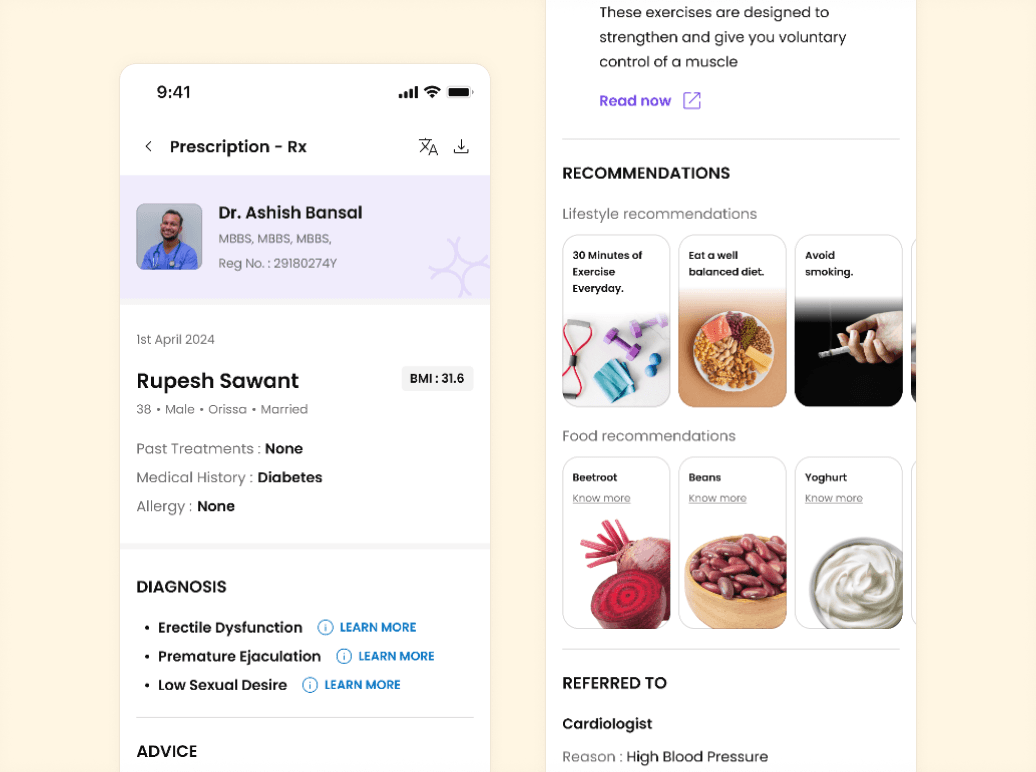
At Allo Health we personalise care for low libido, combining medical and psychological expertise.

Medical Assessment

Hormone, medicine and health checks where they add clarity.

Therapy When Needed

Mood, stress and relationship patterns are treated alongside the body.

Personalised Plan

No one-size protocol. Care matches your goals and pace.

Treatment Journey

Your Path to Renewed Sexual Confidence

At Allo Health, we provide a comprehensive, step-by-step approach to treating erectile dysfunction.

Step 1

Comprehensive Evaluation

We start with a detailed evaluation to understand your unique situation. This involves a thorough discussion of your medical history, symptoms, and lifestyle.

Detailed medical history and symptom review

Targeted diagnostic testing, if necessary.

Exploration of psychological and relationship factors.

Appointment Duration:

Initial consultation: 45-60 minutes

Doctor consulting with patient
Step 2

Personalized Treatment Plan

Based on your evaluation, we create a customized treatment plan designed to address the underlying causes of your concerns, ensuring a holistic approach

Customized medical treatment options.

Integrated psychological support, when appropriate.

Personalized lifestyle recommendations for sustained improvement.

Treatment Options May Include:

  • Oral medications
  • Hormone therapy
  • Vacuum devices
  • Lifestyle changes
  • Psychotherapy
  • Couples therapy
Personalized treatment plan
Step 3

Active Treatment & Progress Monitoring

We actively implement your personalized plan, combining medical interventions, psychological support, and lifestyle adjustments, while closely monitoring your progress.

Precise management of FDA-approved medications.

Regular progress check-ins and treatment adjustments.

Integrated approach to optimize all contributing factors.

Typical Treatment Timeline

Initial Response2-4 weeks
Significant Improvement1-3 months
Optimal Results3-6 months
Personalized treatment plan
Step 4

Long-Term Wellness & Prevention

We focus on long-term wellness by providing strategies to maintain your progress and prevent recurrence, ensuring continued success.

Sustainable lifestyle optimization strategies.

Ongoing relationship and intimacy counseling, as needed.

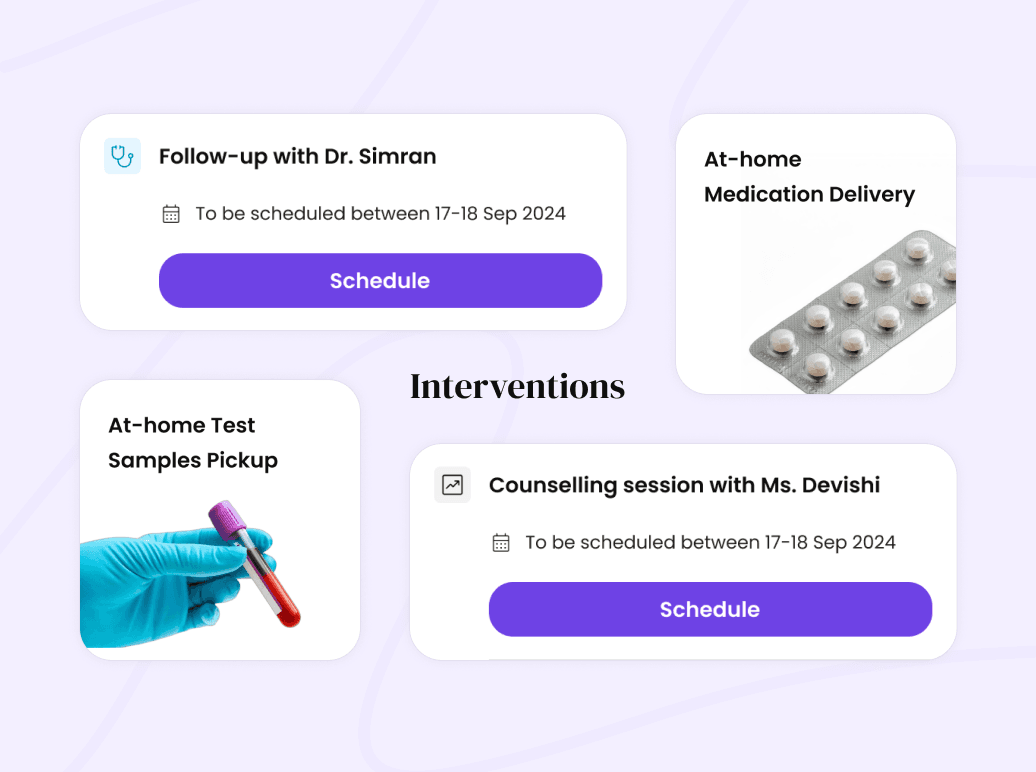
Scheduled follow-up appointments for continued monitoring.

Personalized treatment plan
FAQs

Common Questions About Low Libido

Get answers about low libido, causes and treatment options.

Not always. Stress, sleep and relationship factors matter too. Assessment separates what is medical from what is situational.

Yes. Plans may include medical care, therapy, lifestyle changes or couples work depending on the drivers we find.

No. The goal is desire that feels like yours again, not pressure to perform on someone else’s timeline.

Success Stories

Success Stories from Our Patients

Read the experiences of people who have successfully overcome Low Libido with Allo Health's comprehensive treatment approach.

Take the First Step Towards Better Sexual Health

Don't let intimate health concerns affect your quality of life and relationships. Our compassionate specialists are ready to help you overcome these challenges with personalized, science-backed solutions.

Convenient Scheduling

Online and in-clinic appointments available

Discreet Consultation

Private, judgment-free environment

Expert Care

Specialized team with extensive experience

Frequently Asked Questions

Not always. Stress, sleep and relationship factors matter too. Assessment separates what is medical from what is situational.

Yes. Plans may include medical care, therapy, lifestyle changes or couples work depending on the drivers we find.

No. The goal is desire that feels like yours again, not pressure to perform on someone else’s timeline.