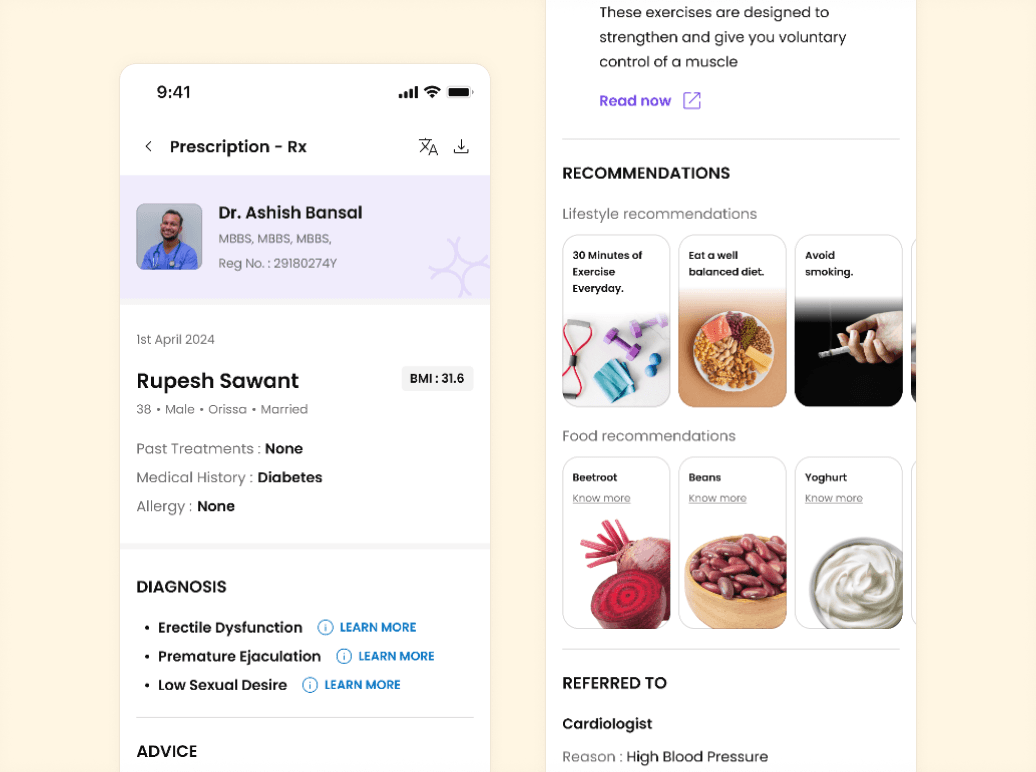
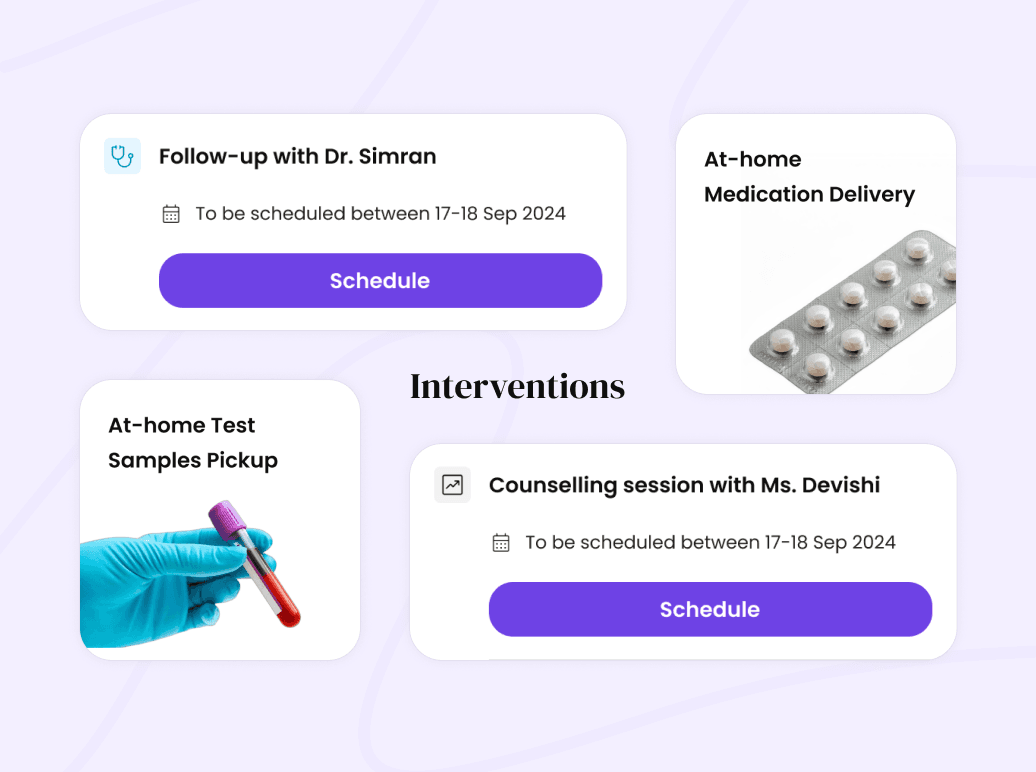
The stats shown are approximations derived from WHO research

Mental Health

Low Self-Esteem

Persistent self-doubt, harsh self-criticism or feeling "not enough". At Allo therapy helps rebuild a fairer, steadier sense of self.

Often overlaps with anxiety and depression
25,000+ patients treated
Cognitive work can shift self-talk within weeks
Commonness

How Common is Low Self-Esteem?

Persistent self-doubt, harsh self-criticism or feeling "not enough". At Allo therapy helps rebuild a fairer, steadier sense of self.

Very common

and frequently hidden behind high achievement

Often

appears with anxiety, depression or people-pleasing

Responds

well to CBT and compassion-focused approaches

Self-Assessment

Evaluate Your Self-Esteem Concerns

These prompts help you prepare for a consultation.

Common Signs to Watch For:

Harsh Self-Talk

Persistent self-criticism

Rejecting Positives

Difficulty accepting compliments or success

Avoidance

Skipping opportunities from fear of failure

Comparison

Constant negative comparison with others

Note: This self-assessment is for informational purposes only and is not a substitute for professional medical advice, diagnosis, or treatment.

Symptoms

Recognizing Low Self-Esteem

Recognizing these patterns early helps you get the right care for low self-esteem.

Harsh Self-Criticism

An internal voice that is crueler than you would ever be to a friend

"I could hear how mean I was to myself and still could not stop."

Difficulty Accepting Good Things

Compliments bounce off; mistakes stick

"Praise felt fake. Criticism felt like the truth."

Avoiding Opportunities

Saying no to growth because failure feels intolerable

"I stayed small so I would not confirm I was not good enough."

When should you see a doctor?

If you're experiencing even one of the following, it's time to talk to an expert:

  • 1
    Self-criticism is constant and draining
  • 2
    You avoid opportunities mainly from fear of not being enough
  • 3
    Low self-worth is feeding anxiety, depression or relationship issues

Important to Know:

Low self-esteem is learnable and therefore changeable.

Root Causes

Understanding Low Self-Esteem

Self-worth beliefs are often learned early and reinforced by later setbacks.

Physical Causes

Chronic Fatigue or Illness

Feeling physically depleted can deepen "I am failing" narratives.

Psychological Factors

Critical Upbringing or Bullying

Early messages become an internal script.

Repeated Setbacks

Failures get over-generalised into identity.

Our Approach

Our Approach to Low Self-Esteem

At Allo Health we personalise care for low self-esteem with psychiatry and therapy when needed.

Cognitive Work

We challenge unfair beliefs and practice balanced self-appraisal.

Self-Compassion Skills

You learn to relate to yourself with the fairness you offer others.

Treat Linked Conditions

Anxiety or depression are addressed when they keep self-worth stuck.

Treatment Journey

Your Path to Renewed Sexual Confidence

At Allo Health, we provide a comprehensive, step-by-step approach to treating erectile dysfunction.

Step 1

Comprehensive Evaluation

We start with a detailed evaluation to understand your unique situation. This involves a thorough discussion of your medical history, symptoms, and lifestyle.

Detailed medical history and symptom review

Targeted diagnostic testing, if necessary.

Exploration of psychological and relationship factors.

Appointment Duration:

Initial consultation: 45-60 minutes

Doctor consulting with patient
Step 2

Personalized Treatment Plan

Based on your evaluation, we create a customized treatment plan designed to address the underlying causes of your concerns, ensuring a holistic approach

Customized medical treatment options.

Integrated psychological support, when appropriate.

Personalized lifestyle recommendations for sustained improvement.

Treatment Options May Include:

  • Oral medications
  • Hormone therapy
  • Vacuum devices
  • Lifestyle changes
  • Psychotherapy
  • Couples therapy
Personalized treatment plan
Step 3

Active Treatment & Progress Monitoring

We actively implement your personalized plan, combining medical interventions, psychological support, and lifestyle adjustments, while closely monitoring your progress.

Precise management of FDA-approved medications.

Regular progress check-ins and treatment adjustments.

Integrated approach to optimize all contributing factors.

Typical Treatment Timeline

Initial Response2-4 weeks
Significant Improvement1-3 months
Optimal Results3-6 months
Personalized treatment plan
Step 4

Long-Term Wellness & Prevention

We focus on long-term wellness by providing strategies to maintain your progress and prevent recurrence, ensuring continued success.

Sustainable lifestyle optimization strategies.

Ongoing relationship and intimacy counseling, as needed.

Scheduled follow-up appointments for continued monitoring.

Personalized treatment plan
FAQs

Common Questions About Low Self-Esteem

Get answers about low self-esteem, causes and treatment options.

Yes. Evidence-based approaches help challenge unhelpful beliefs and practice new ways of relating to yourself.

They often overlap, but they are not identical. Assessment clarifies what to treat first.

No. Healthy self-esteem is accurate and steady, not inflated.

Success Stories

Success Stories from Our Patients

Read the experiences of people who have successfully overcome Low Self-Esteem with Allo Health's comprehensive treatment approach.

Take the First Step Towards Better Sexual Health

Don't let intimate health concerns affect your quality of life and relationships. Our compassionate specialists are ready to help you overcome these challenges with personalized, science-backed solutions.

Convenient Scheduling

Online and in-clinic appointments available

Discreet Consultation

Private, judgment-free environment

Expert Care

Specialized team with extensive experience

Frequently Asked Questions

Yes. Evidence-based approaches help challenge unhelpful beliefs and practice new ways of relating to yourself.

They often overlap, but they are not identical. Assessment clarifies what to treat first.

No. Healthy self-esteem is accurate and steady, not inflated.