The stats shown are approximations derived from WHO research

Mental Health

Sleep-related Issues

Trouble falling or staying asleep, or sleep that leaves you unrefreshed. At Allo we look for stress, mood and lifestyle drivers & build a practical plan that actually sticks.

Insomnia often travels with anxiety and depression
25,000+ patients treated
CBT-I style skills often help within weeks
Commonness

How Common are Sleep Problems?

Trouble falling or staying asleep, or sleep that leaves you unrefreshed. At Allo we look for stress, mood and lifestyle drivers & build a practical plan that actually sticks.

Very common

across working adults

Often

the first sign of anxiety or depression

Highly

treatable without long-term sleeping-pill dependence

Self-Assessment

Evaluate Your Sleep Concerns

These prompts help you prepare for a consultation.

Common Signs to Watch For:

Sleep Onset

Difficulty falling asleep

Night Waking

Waking and struggling to return to sleep

Daytime Impact

Mood, focus or irritation from poor sleep

Clock Watching

Anxiety about sleep that makes sleep harder

Note: This self-assessment is for informational purposes only and is not a substitute for professional medical advice, diagnosis, or treatment.

Symptoms

Recognizing Sleep-related Issues

Recognizing these patterns early helps you get the right care for sleep-related issues.

Difficulty Falling Asleep

Mind stays active long after lights out

"I would lie awake replaying the day for hours."

Night Waking

Sleep fragments and restarting feels impossible

"I woke at 3am and watched the clock until morning."

Daytime Fallout

Irritability, poor focus or low mood from bad nights

"My whole personality felt worse after a week of broken sleep."

When should you see a doctor?

If you're experiencing even one of the following, it's time to talk to an expert:

  • 1
    Sleep problems have lasted more than a few weeks
  • 2
    Daytime function, mood or focus are clearly affected
  • 3
    You are relying on alcohol or unprescribed pills to sleep

Important to Know:

Chronic insomnia is medical. Treating it early protects mental health.

Root Causes

Understanding Sleep-related Issues

Sleep problems are often maintained by anxiety about sleep itself, plus stress and routine factors.

Physical Causes

Irregular Schedule

Inconsistent sleep and wake times weaken the body clock.

Caffeine & Late Screens

Stimulants and bright light delay natural sleepiness.

Psychological Factors

Stress and Rumination

Night becomes the only quiet time, so worries flood in.

Fear of Not Sleeping

Clock-watching creates arousal that blocks sleep further.

Our Approach

Our Approach to Sleep-related Issues

At Allo Health we personalise care for sleep-related issues with psychiatry and therapy when needed.

Find the Driver

We separate habit insomnia from mood, medical or substance causes.

Sleep Skills

Structured behavioural methods rebuild reliable sleep.

Treat Linked Anxiety

If worry or low mood is maintaining insomnia, we treat that too.

Treatment Journey

Your Path to Renewed Sexual Confidence

At Allo Health, we provide a comprehensive, step-by-step approach to treating erectile dysfunction.

Step 1

Comprehensive Evaluation

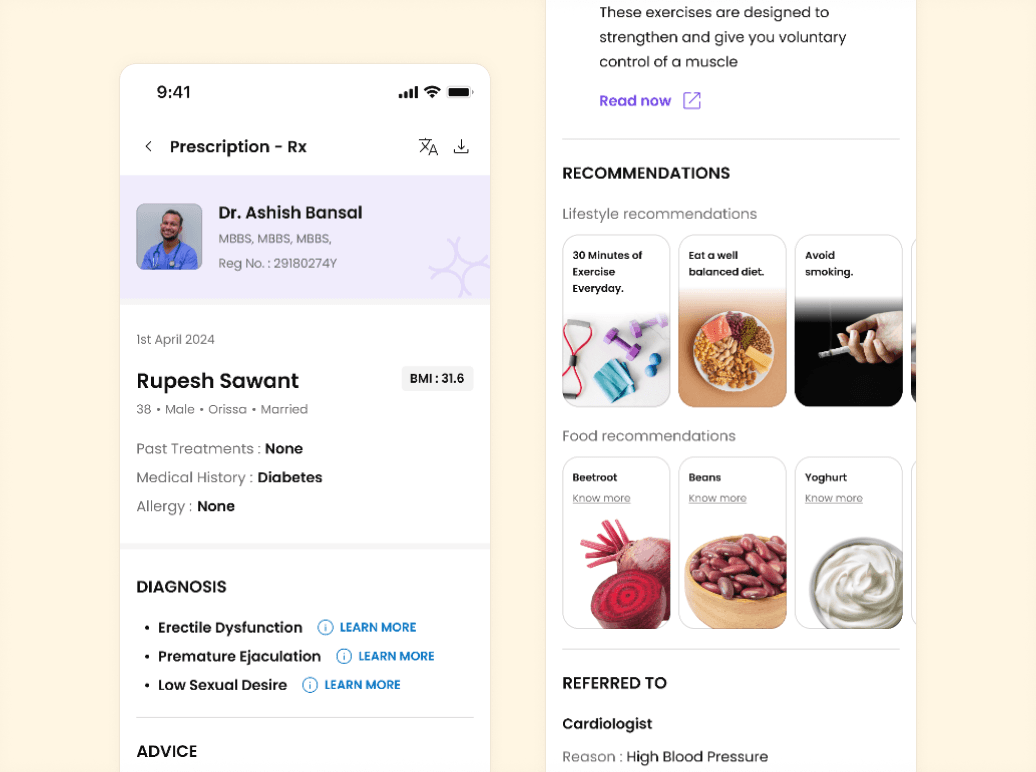
We start with a detailed evaluation to understand your unique situation. This involves a thorough discussion of your medical history, symptoms, and lifestyle.

Detailed medical history and symptom review

Targeted diagnostic testing, if necessary.

Exploration of psychological and relationship factors.

Appointment Duration:

Initial consultation: 45-60 minutes

Doctor consulting with patient
Step 2

Personalized Treatment Plan

Based on your evaluation, we create a customized treatment plan designed to address the underlying causes of your concerns, ensuring a holistic approach

Customized medical treatment options.

Integrated psychological support, when appropriate.

Personalized lifestyle recommendations for sustained improvement.

Treatment Options May Include:

  • Oral medications
  • Hormone therapy
  • Vacuum devices
  • Lifestyle changes
  • Psychotherapy
  • Couples therapy
Personalized treatment plan
Step 3

Active Treatment & Progress Monitoring

We actively implement your personalized plan, combining medical interventions, psychological support, and lifestyle adjustments, while closely monitoring your progress.

Precise management of FDA-approved medications.

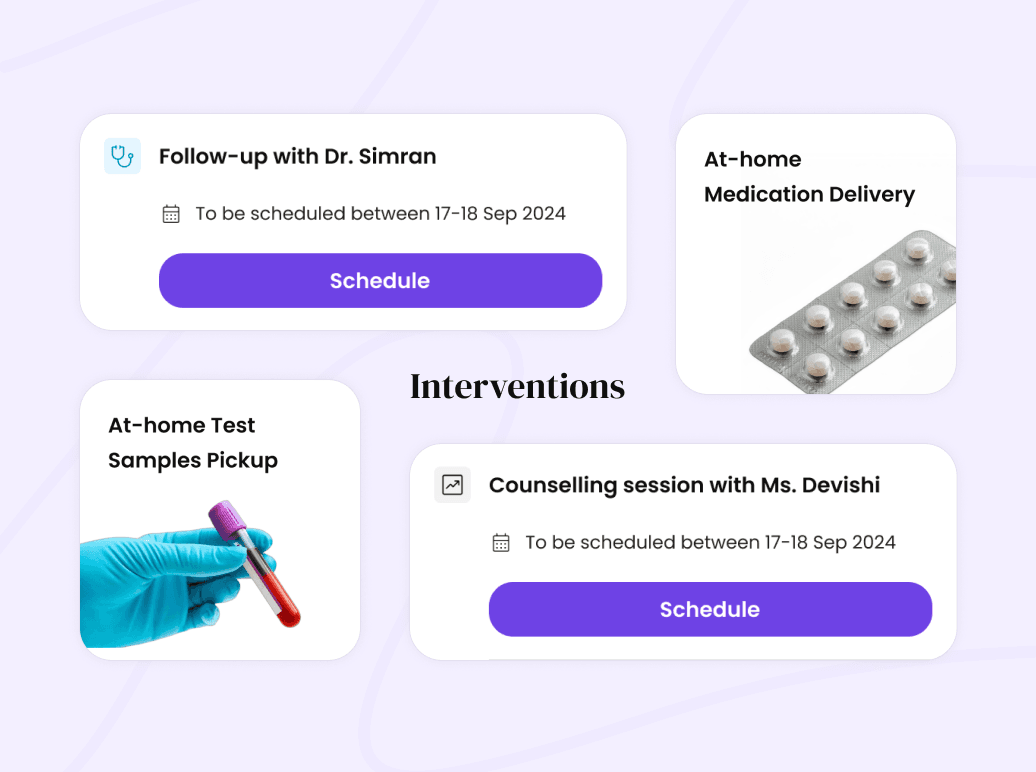
Regular progress check-ins and treatment adjustments.

Integrated approach to optimize all contributing factors.

Typical Treatment Timeline

Initial Response2-4 weeks
Significant Improvement1-3 months
Optimal Results3-6 months
Personalized treatment plan
Step 4

Long-Term Wellness & Prevention

We focus on long-term wellness by providing strategies to maintain your progress and prevent recurrence, ensuring continued success.

Sustainable lifestyle optimization strategies.

Ongoing relationship and intimacy counseling, as needed.

Scheduled follow-up appointments for continued monitoring.

Personalized treatment plan
FAQs

Common Questions About Sleep-related Issues

Get answers about sleep-related issues, causes and treatment options.

When it lasts weeks, affects daytime function, or sits with anxiety or depression.

No. Sleep routines and therapy for worry cycles often come first. Medication is considered case by case.

Yes. Broken sleep and anxiety reinforce each other. Treating both works better than treating either alone.

Success Stories

Success Stories from Our Patients

Read the experiences of people who have successfully overcome Sleep-related Issues with Allo Health's comprehensive treatment approach.

Take the First Step Towards Better Sexual Health

Don't let intimate health concerns affect your quality of life and relationships. Our compassionate specialists are ready to help you overcome these challenges with personalized, science-backed solutions.

Convenient Scheduling

Online and in-clinic appointments available

Discreet Consultation

Private, judgment-free environment

Expert Care

Specialized team with extensive experience

Frequently Asked Questions

When it lasts weeks, affects daytime function, or sits with anxiety or depression.

No. Sleep routines and therapy for worry cycles often come first. Medication is considered case by case.

Yes. Broken sleep and anxiety reinforce each other. Treating both works better than treating either alone.