Vulvodynia Meaning
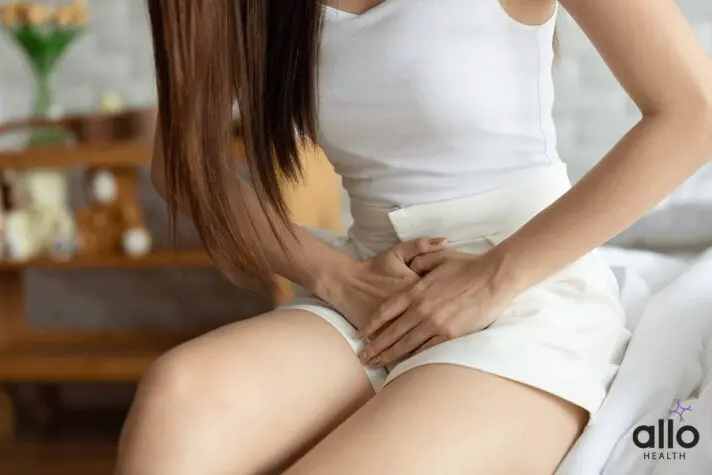
Welcome to the first lesson of this handbook on vulvodynia. This lesson will cover the basics of vulvodynia, including its definition and common symptoms. Vulvodynia is a chronic pain disorder that affects the vulvar region in women. It is characterized by persistent pain, burning, itching, and soreness in the area surrounding the vaginal opening. Despite being a relatively common condition, it is often underdiagnosed and undertreated due to a lack of awareness and understanding. By the end of this lesson, you will better understand what vulvodynia is and how it affects individuals who experience it.
Read More: Vulvodynia Meaning →Vulvodynia Causes

In this lesson from the handbook on vulvodynia, we will explore some of the possible causes of vulvodynia and the factors that may contribute to the development of this condition. Understanding the underlying causes of vulvodynia is crucial in developing effective treatment strategies and improving the quality of life for those affected by this condition.
Read More: Vulvodynia Causes →Vulvodynia Symptoms

Welcome to this lesson on vulvodynia treatment, where we will discuss various options available for managing this chronic pain condition. Vulvodynia is a medical condition that affects a woman’s vulva, causing discomfort, burning, itching, and pain. It can have a significant impact on a woman’s quality of life, affecting her physical and emotional well-being. Although there is no cure for vulvodynia, several treatment options can help alleviate symptoms and improve the patient’s overall condition. In this lesson, we will explore various treatments available for vulvodynia, including medication, therapy, and lifestyle changes. We hope that this lesson will provide you with a better understanding of vulvodynia and its treatment options.
Read More: Vulvodynia Symptoms →Vulvodynia Diagnosis

In this next lesson of the handbook, we will explore in detail the process of diagnosing vulvodynia. As vulvodynia can be a complex condition to diagnose, it is important to understand the steps involved in arriving at an accurate diagnosis. We will discuss the various methods healthcare providers use to diagnose vulvodynia, including a comprehensive medical history, physical exam, and ruling out other possible causes of vulvar pain. By the end of this lesson, you will have a better understanding of the diagnostic process for vulvodynia and be better equipped to advocate for your health and receive appropriate care and treatment.
Read More: Vulvodynia Diagnosis →Vulvodynia Treatment
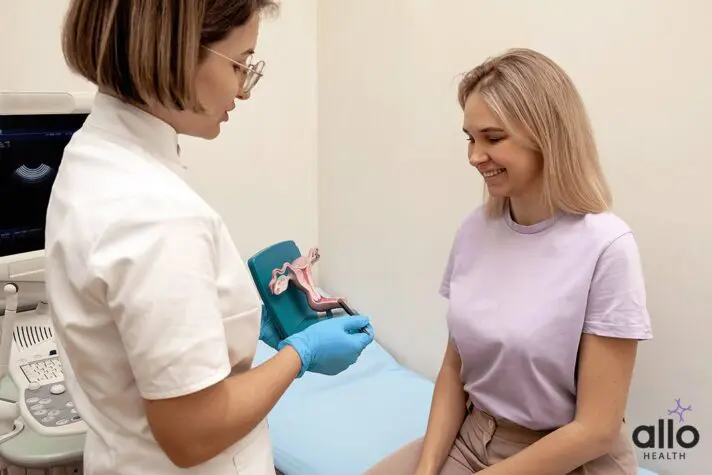
In this lesson on vulvodynia treatment, where we will discuss various options available for managing this chronic pain condition. Vulvodynia is a medical condition that affects a woman’s vulva, causing discomfort, burning, itching, and pain. It can have a significant impact on a woman’s quality of life, affecting her physical and emotional well-being. Although there is one no cure for vulvodynia that works for all women, a combination of several treatment options can help alleviate symptoms and improve the patient’s overall condition. In this lesson, we will explore various treatments available for vulvodynia, including medication, therapy, and lifestyle changes. We hope that this lesson will provide you with a better understanding of vulvodynia and its treatment options.
Read More: Vulvodynia Treatment →Vulvodynia Prognosis

In this lesson, we will be focusing on the prognosis of vulvodynia. Prognosis refers to the likely outcome or course of a medical condition, including the expected duration and potential for recovery. Understanding the prognosis of vulvodynia can help women better manage their symptoms, set expectations for treatment, and improve their overall well-being. In this lesson, we will explore the various factors that can affect the prognosis of vulvodynia and discuss the outlook for women with this condition.
Read More: Vulvodynia Prognosis →FAQs
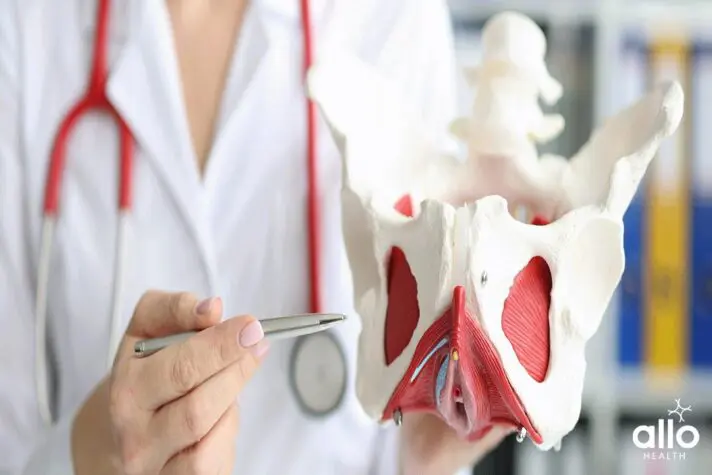
In this section of the handbook, we will be answering some frequently asked questions (FAQs) about vulvodynia. Vulvodynia is a condition that affects many women, but due to the stigma and lack of awareness surrounding it, there are often many questions and misconceptions. By addressing some of the most commonly asked questions about vulvodynia, we hope to provide a better understanding of the condition and offer support and resources for those who may be experiencing symptoms.
Read More: FAQs →