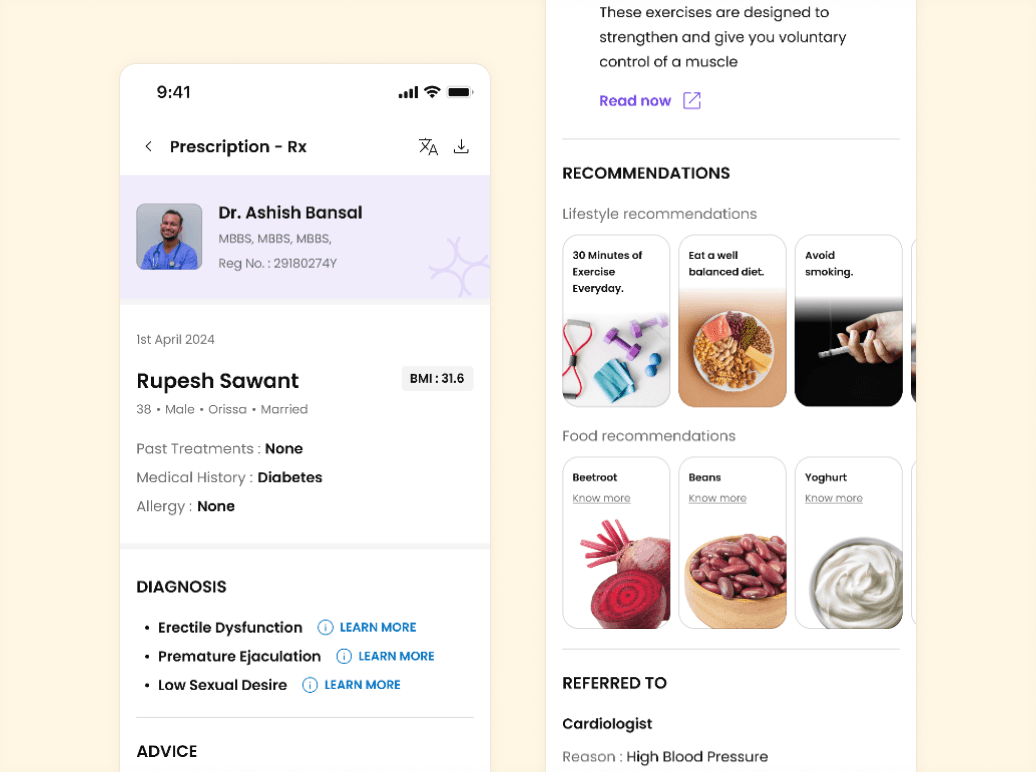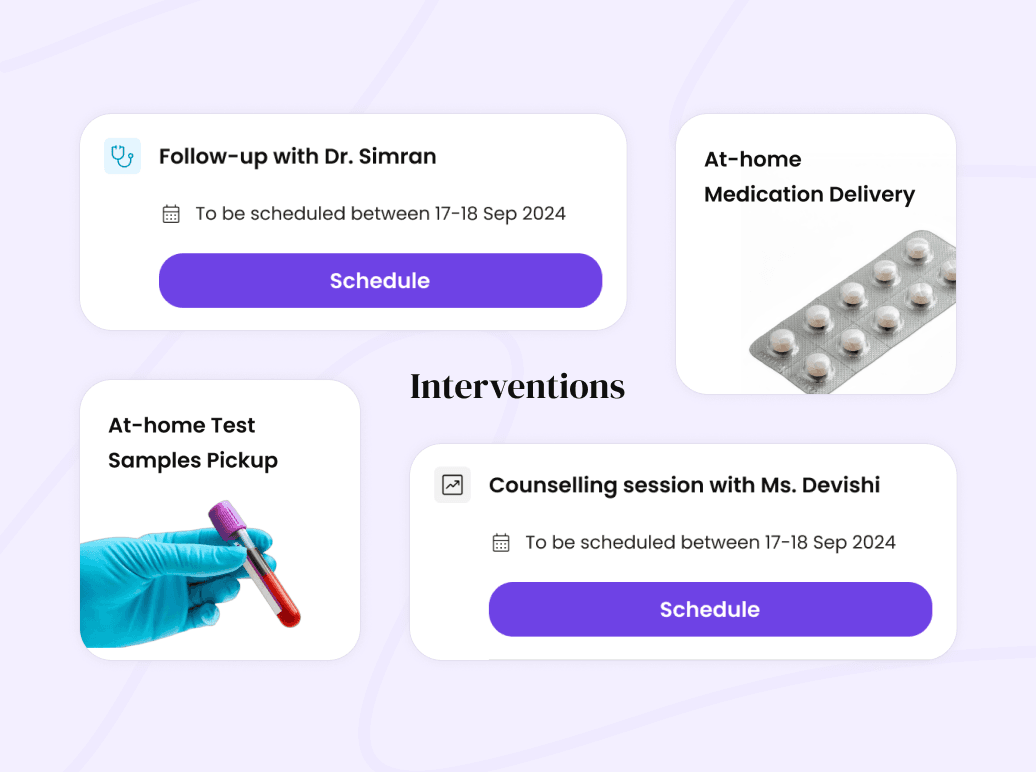

The stats shown are approximations derived from WHO research

Sexual Dysfunction

Vaginismus

Vaginismus is an involuntary tightening of the vaginal muscles that makes penetration painful or impossible. With proper treatment, women can overcome this condition and enjoy comfortable, pain-free intimacy.

5-17% of women affected
2000+ patients treated
4-6 Weeks to Start Recovery
Commonness

Understanding the Scope of Vaginismus

Vaginismus affects women of all ages and backgrounds, though it often goes undiagnosed due to discomfort discussing symptoms.

5-17%

of women globally experience vaginismus at some point in their lives

7+ years

average time women wait before seeking treatment

85-90%

success rate with proper treatment and therapy

Why Vaginismus Remains Underdiagnosed

Limited Awareness

Many women and healthcare providers lack knowledge about vaginismus and its symptoms.

Misdiagnosis

Symptoms are often attributed to other conditions or dismissed as psychological.

Stigma and Shame

Embarrassment about sexual health issues prevents many women from seeking help.

Cultural Barriers

Cultural taboos around female sexuality can prevent open discussion and treatment.

Self-Assessment

Do I Have Vaginismus?

Take our clinically-validated assessment to understand if you might be experiencing vaginismus and what steps to take next.

Common Signs to Watch For:

Pain during penetration attempts

Burning or stinging pain when attempting penetration of any kind

Difficulty with tampon insertion

Inability or significant discomfort when inserting tampons

Involuntary muscle tightening

Feeling of 'hitting a wall' or muscle spasms during penetration attempts

Anxiety about penetration

Fear, worry, or avoidance of activities involving vaginal penetration

Note: This self-assessment is for informational purposes only and is not a substitute for professional medical advice, diagnosis, or treatment.

Symptoms

Recognizing Vaginismus

Understanding the symptoms of vaginismus is the first step toward diagnosis and effective treatment.

Pain During Penetration Attempts

Burning, stinging, or tearing sensation during attempted penetration

"Every time my partner and I try to have intercourse, I feel a sharp, burning pain, like hitting a wall."

Involuntary Muscle Spasms

Uncontrollable tightening of the vaginal muscles when penetration is attempted

"I can feel my muscles tightening up without my control, making it impossible for anything to enter."

Anticipatory Anxiety

Fear, worry, and tension before and during intimate situations

"I start feeling anxious hours before intimacy, knowing that it will be painful and difficult."

When should you see a doctor?

If you're experiencing even one of the following, it's time to talk to an expert:

  • 1
    You experience pain or difficulty with any form of vaginal penetration
  • 2
    Sexual intimacy causes significant distress or relationship problems
  • 3
    You're unable to undergo pelvic examinations or use tampons

Important to Know:

Vaginismus may be primary (present from the first attempt at penetration) or secondary (developing after a period of pain-free penetration). Both types are treatable, and early intervention typically leads to better outcomes.

Root Causes

What Causes Vaginismus?

Vaginismus has multiple causes that can be psychological, physiological, or a combination of both.

Psychological Factors

Fear of Pain or Discomfort

Anticipation of pain during intercourse can lead to involuntary muscle contractions.

Past Sexual Trauma

Experiences of sexual abuse or assault can contribute to the development of vaginismus.

Anxiety and Stress

General anxiety, performance anxiety, or stress related to sex can trigger muscle spasms.

Lifestyle Factors

Relationship Problems

Difficulties or conflicts in a relationship can manifest as physical symptoms like vaginismus.

Negative Body Image

Poor self-image or negative feelings about one's body can contribute to sexual dysfunction.

Lack of Sexual Education

Limited knowledge about sex and anatomy can lead to fear and anxiety, contributing to vaginismus.

Biological Factors

Genitourinary Conditions

Infections, inflammation, or other conditions affecting the genitals or urinary tract can cause pain and muscle tightening.

Childbirth-Related Injuries

Tears, episiotomies, or other injuries sustained during childbirth can lead to vaginismus.

Hormonal Changes

Menopause or other hormonal shifts can affect vaginal tissues and contribute to pain and muscle spasms.

Our Approach

Our Approach to Treating Vaginismus

At Allo Health, we take a comprehensive, personalized approach to treating vaginismus, addressing both the physical and psychological aspects.

Medical Excellence

Our specialists conduct a thorough medical assessment to identify any physical factors contributing to vaginismus.

Psychological Support

Our psychologists and sex therapists address anxiety, fear, trauma, and negative thought patterns associated with vaginismus.

Lifestyle Optimization

We help you make sustainable changes to improve your overall health and sexual function.

The Allo Health Difference

Our approach combines medical expertise, psychological support, and lifestyle guidance to address all aspects of premature ejaculation.

  • 1
    Comprehensive evaluation of physical and psychological factors
  • 2
    Personalized treatment plans tailored to your specific needs
  • 3
    Ongoing support and adjustments to ensure optimal results
graduation cap icon

Featured In

Video thumbnail
Treatment Journey

Your Path to Renewed Sexual Confidence

At Allo Health, we provide a comprehensive, step-by-step approach to treating erectile dysfunction.

Step 1

Comprehensive Evaluation

We start with a detailed evaluation to understand your unique situation. This involves a thorough discussion of your medical history, symptoms, and lifestyle.

Detailed medical history and symptom review

Targeted diagnostic testing, if necessary.

Exploration of psychological and relationship factors.

Appointment Duration:

Initial consultation: 45-60 minutes
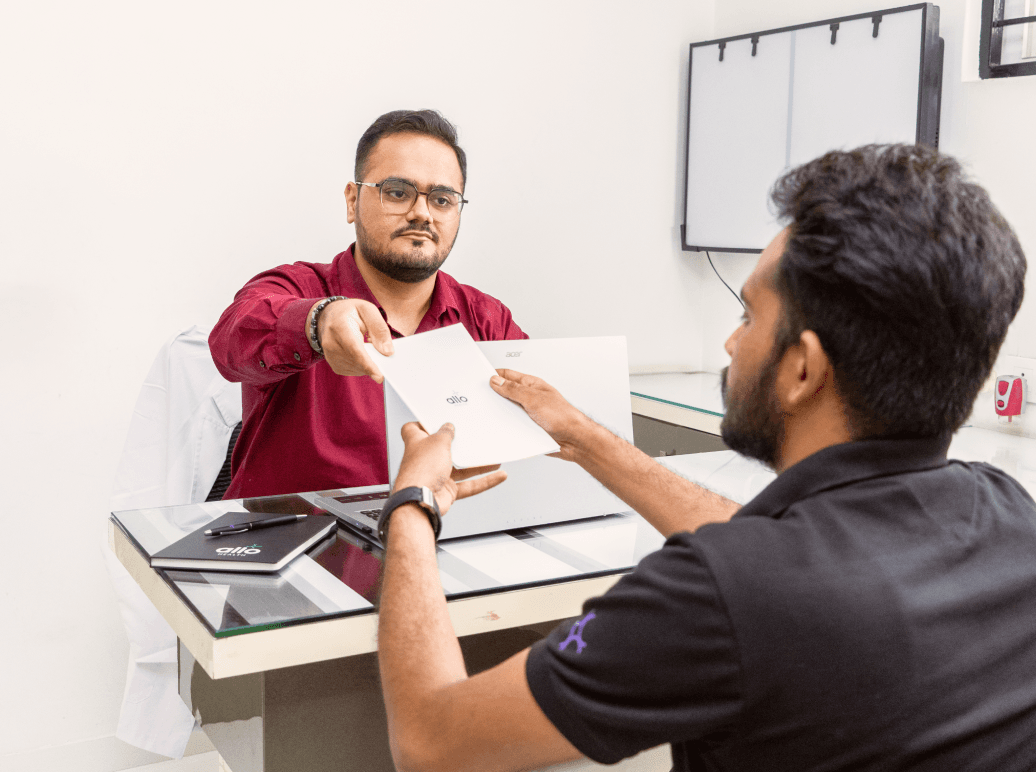
Doctor consulting with patient
Step 2

Personalized Treatment Plan

Based on your evaluation, we create a customized treatment plan designed to address the underlying causes of your concerns, ensuring a holistic approach

Customized medical treatment options.

Integrated psychological support, when appropriate.

Personalized lifestyle recommendations for sustained improvement.

Treatment Options May Include:

  • Oral medications
  • Hormone therapy
  • Vacuum devices
  • Lifestyle changes
  • Psychotherapy
  • Couples therapy
Personalized treatment plan
Step 3

Active Treatment & Progress Monitoring

We actively implement your personalized plan, combining medical interventions, psychological support, and lifestyle adjustments, while closely monitoring your progress.

Precise management of FDA-approved medications.

Regular progress check-ins and treatment adjustments.

Integrated approach to optimize all contributing factors.

Typical Treatment Timeline

Initial Response2-4 weeks
Significant Improvement1-3 months
Optimal Results3-6 months
Personalized treatment plan
Step 4

Long-Term Wellness & Prevention

We focus on long-term wellness by providing strategies to maintain your progress and prevent recurrence, ensuring continued success.

Sustainable lifestyle optimization strategies.

Ongoing relationship and intimacy counseling, as needed.

Scheduled follow-up appointments for continued monitoring.

Personalized treatment plan
FAQs

Common Questions About Vaginismus Treatment

Get answers to frequently asked questions about vaginismus causes, symptoms, and treatment options.

Vaginismus is an involuntary contraction or tightening of the pelvic floor muscles surrounding the vagina, making penetration painful or impossible. This can occur during sexual intercourse, gynecological exams, tampon insertion, or any form of vaginal penetration. It's a genuine medical condition, not a psychological issue, though psychological factors can contribute to it.

Yes, vaginismus is highly treatable with the right approach. Most women who follow a comprehensive treatment plan can overcome vaginismus completely. Our success rate at Allo Health is over 85% for patients who complete the treatment program. Treatment typically includes a combination of physical therapy, psychological support, and gradual exposure techniques.

Treatment duration varies depending on the severity of vaginismus and individual factors, but most patients see significant improvement within 8-12 weeks. Some women with milder cases may progress more quickly, while those with more complex cases might need additional time. What's most important is that we proceed at a pace that's comfortable for you.

Vaginal dilators are smooth, tube-shaped devices that come in progressively larger sizes. They're a central tool in vaginismus treatment, helping to gradually retrain the pelvic floor muscles to relax and accommodate penetration. Our therapists provide detailed guidance on how to use dilators properly, always ensuring your comfort and safety throughout the process.

While a gentle physical assessment can be helpful in some cases, we approach this with extreme sensitivity. Any examination is always optional, performed only with your full consent, and can be postponed until you feel comfortable. Many aspects of vaginismus treatment can be initiated based on your reported symptoms and history.

Yes, partner involvement can be very beneficial if you're comfortable with it. We offer couple's counseling and education sessions to help partners understand vaginismus and learn how to support the treatment process. However, this is entirely optional, and many women successfully complete treatment on their own.

Our treatment approach prioritizes your comfort and works at your pace. While you might experience some discomfort as you challenge your body's boundaries, we never push beyond what you can tolerate. The goal is to gradually reduce pain, not increase it. Many patients are surprised by how manageable and even empowering the treatment process becomes.

Many health insurance plans provide coverage for vaginismus treatment, as it's recognized as a legitimate medical condition. The specific coverage depends on your insurance plan. Our team can help you understand your benefits and navigate insurance claims. We also offer various payment options to ensure treatment is accessible.

Success Stories

Success Stories from Our Patients

Read the experiences of people who have successfully overcome Vaginismus with Allo Health's comprehensive treatment approach.

Take the First Step Towards Better Sexual Health

Don't let intimate health concerns affect your quality of life and relationships. Our compassionate specialists are ready to help you overcome these challenges with personalized, science-backed solutions.

Convenient Scheduling

Online and in-clinic appointments available

Discreet Consultation

Private, judgment-free environment

Expert Care

Specialized team with extensive experience

Frequently Asked Questions

Vaginismus is an involuntary contraction or tightening of the pelvic floor muscles surrounding the vagina, making penetration painful or impossible. This can occur during sexual intercourse, gynecological exams, tampon insertion, or any form of vaginal penetration. It's a genuine medical condition, not a psychological issue, though psychological factors can contribute to it.

Yes, vaginismus is highly treatable with the right approach. Most women who follow a comprehensive treatment plan can overcome vaginismus completely. Our success rate at Allo Health is over 85% for patients who complete the treatment program. Treatment typically includes a combination of physical therapy, psychological support, and gradual exposure techniques.

Treatment duration varies depending on the severity of vaginismus and individual factors, but most patients see significant improvement within 8-12 weeks. Some women with milder cases may progress more quickly, while those with more complex cases might need additional time. What's most important is that we proceed at a pace that's comfortable for you.

Vaginal dilators are smooth, tube-shaped devices that come in progressively larger sizes. They're a central tool in vaginismus treatment, helping to gradually retrain the pelvic floor muscles to relax and accommodate penetration. Our therapists provide detailed guidance on how to use dilators properly, always ensuring your comfort and safety throughout the process.

While a gentle physical assessment can be helpful in some cases, we approach this with extreme sensitivity. Any examination is always optional, performed only with your full consent, and can be postponed until you feel comfortable. Many aspects of vaginismus treatment can be initiated based on your reported symptoms and history.

Yes, partner involvement can be very beneficial if you're comfortable with it. We offer couple's counseling and education sessions to help partners understand vaginismus and learn how to support the treatment process. However, this is entirely optional, and many women successfully complete treatment on their own.

Our treatment approach prioritizes your comfort and works at your pace. While you might experience some discomfort as you challenge your body's boundaries, we never push beyond what you can tolerate. The goal is to gradually reduce pain, not increase it. Many patients are surprised by how manageable and even empowering the treatment process becomes.

Many health insurance plans provide coverage for vaginismus treatment, as it's recognized as a legitimate medical condition. The specific coverage depends on your insurance plan. Our team can help you understand your benefits and navigate insurance claims. We also offer various payment options to ensure treatment is accessible.