Everything You Need to Know About: Couple's Sex Issues
Written by Sanchita Mishra

Sanchita, a distinguished writer with a Bachelor's degree in Agriculture from Centurion University of Technology and Management, has carved a niche for herself in the realm of sexual health writing. Her proficiency in both English and Hindi adds depth and versatility to her work. Sanchita's journey in writing began early; she was an integral part of editorial teams in various school and college magazines. Her college years were enriched by her active involvement in the literature club, where she honed her skills further. Sanchita is also passionate about fiction writing and painting, showcasing her artistic versatility.
•
July 30, 2026
Our experts continually monitor the health and wellness space, and we update our articles when new information becomes available.

No relationship is perfect- we promise you. All couples deal with issues and problems related to different aspects of one’s life and these could also potentially be related to their sexual health or affect intimacy. If these issues start feeling like a weight on one or both partners- it may need your attention. These are some common types of problems seen in some couples that may be related to how things are in the bedroom- so let’s try to understand these better and find out what one can do to cope with them.
1.Mismatched Sex-Drives
A mismatched sex drive is seen when one partner may have a higher or lower desire for intimacy than the other. It can disrupt the physical and emotional connection between the couple and may even create some distance. As we know physical intimacy is really important in bonding- difference in sex drive is a big problem here. In the case of low sexual desire, also known as hypoactive sexual desire disorder (HSDD), is when one or both partners feel no interest in sex. Unmet physical & sexual needs of one partner may make the other feel inadequate. Causes
- Biological Factors:
- Hormonal changes (testosterone or estrogen levels)
- Medical conditions (hypothyroidism, diabetes & menopause)
- Side effects of medications (like antidepressants & contraceptives)
- Psychological Factors:
- Stress, anxiety, or depression
- Past trauma or bad sexual experiences
- Performance anxiety or fear of rejection
- Lifestyle and Environmental Factors:
- Being tired of work or parenting responsibilities
- Bad work-life balance
- Substance use (smoking, alcohol & recreational drugs)
- Relationship Problems:
- Emotionally disconnected or unresolved conflicts between couples
- No or less communication about sexual preferences and needs
- Resentment or dissatisfaction with the relationship
- Cultural or Personal Beliefs:
- Different views on sex
- Religious or cultural stigmas can affect your sexual activity
- Feeling less confident due to body image issues
Signs and Symptoms
- One partner initiates intimacy all the time while the other declines.
- When a couple argues a lot about how was the sex and how long it lasts.
- When both the couple or any one of them feel frustrated, rejected and inadequate.
- When you try to avoid physical touch or intimacy.
- Emotional distance or there’s no non-sexual affection.
The 2024 Body+Soul Sex Census talked about how only 16% of women orgasm every time, compared to 44% of men, showing a difference in sexual satisfaction. Diagnosis
- Medical Evaluation:
- Hormonal testing (for testosterone, estrogen, or thyroid levels).
- Screening for medical conditions that can affect your libido (like diabetes & cardiovascular health).
- Psychological Assessment:
- Getting to know each other’s stressors, anxiety, depression, or unresolved trauma through therapy or questionnaires.
- Learning each one’s change in desires as an individual as well as in a relationship.
- Lifestyle Check:
- Take a check on your and your partner’s daily routines, work stress, and sleep patterns that might change your libido.
Treatments or Solutions

- Talk it Out
- Have open and non-judgmental talk about each other’s desires, expectations and boundaries.
- Try to use “I” statements ( I feel disconnected, I feel rejected here) to make it not seem like blaming.
- Get to know your partner’s perspective in every situation.
- Couples Counseling or Sex Therapy
- Consult a professional to tackle emotional or psychological factors that may be affecting you.
- Learn new techniques to improve your emotional intimacy and physical connection with your partner.
- Medical and Lifestyle Interventions
- Treat underlying health issues (if you have any) or adjust medication doses that might be affecting your libido.
- Hormonal therapies for imbalances (testosterone replacement therapy).
- Work on a healthy lifestyle with regular exercise, a balanced diet, and enough sleep.
- Schedule Your intimate Time Beforehand
Set aside some time of your day for physical closeness without any distractions.
Try to start fresh with non-sexual physical affection (like cuddling & kissing).
- Experiment to Know What Feels Right
- Find new ways to connect sexually, such as trying new devices, role-playing or sensual massages. A 2024 survey says that 35% of couples are exploring kinky sex, using sensory play and bondage, to strengthen their relationships. Out of it, 73% reported more closeness with their partner than before.
- Reignite your relationship with your partner with weekly date nights or hobbies.
- Try Individual Therapy for Psychological Issues
- Treat your concerns like anxiety, depression, or past trauma individually.
- Do therapy or self-care practices to build confidence and self-esteem.
- Try to Balance Each Other’s Expectations
- It’s the fact that libidos can naturally fluctuate over time due to life changes.
- And intimacy doesn’t always have to be about sex only. So find other ways to connect with your partner.
Mismatched sexual desires are seen in many relationships nowadays. Just with some regular talk, mutual understanding, and professional support, it is quite easy to treat it.
2. Physical Sex Issues in Couple: ED, PE and Vaginismus

3. Lack of Intimacy Post-Childbirth
Having a baby is a beautiful experience, but it can hit your intimate relationship hard after delivery. After childbirth, many couples have gone through losing physical and emotional connection. This can have an impact on both partners in different ways. This can be a temporary phase or it lasts longer. It shows its effect on both the new mother and father in many ways. Why Does It Happen?

- Physical Recovery (for Mom):
- As the mother goes through vaginal tears, stitches, or C-section scars, it makes sex uncomfortable or painful for new mothers.
- Postpartum hormones fluctuate make your vagina dry for a longer time and affect sexual interest.
- Exhaustion from the baby care and pain of birth leave no room for intimacy.
- Emotional Changes:
- Many women feel conscious about their post-baby bodies
- Postpartum depression or anxiety is quite common and cause emotional distance between couples.
- The pressure of being a parent leave both partners emotionally drained while their intimacy take a backseat.
- Small Changes in Relationship:
- Both partners might feel like they're on different sides of the parenting experience
- With all focus on the baby, couples often forget their relationship.
- Physical and Emotional Separation:
- With a baby in the house, couples usually don’t get the privacy or quiet time they need.
- Sometimes one partner might feel neglected or unimportant.
Signs of Intimacy Issues
- No desire for physical affection (kissing, hugging, cuddling).
- You might start to avoid sex altogether.
- Normal talking with each other feels more transactional than emotional.
- Some feel lonely and frustrated even when together.
- Some might get pain during intercourse due to healing or vaginal dryness.
- Low libido or no interest in sex from either partner.
How It Affects Both Partners?
- For Moms:
- Moms may feel guilty for not being there or feel like they're letting their partner down.
- If this intimacy issue is left alone, moms might feel emotionally disconnected
- The physical pain or discomfort can make them avoid sex altogether, on top of the emotional distance.
- For Dads:
- Men feel rejected or unloved if their partner can’t make time for intimacy.
- Fathers can also feel emotionally isolated if they assume their partner is more focused on the baby than on their relationship.
- Fathers might struggle to get the emotions and changes their partner is going through.
How It’s Diagnosed?
- Most of the diagnosis starts a deep talk between partners about how they're feeling.
- Consulting a professional (like a therapist or sex doctor) can find out all emotional or physical causes.
- If pain is a concern, seeing a doctor for a postpartum checkup or pelvic exam can help check for any issues like pelvic floor dysfunction or vaginal dryness.
- If emotional struggles like postpartum depression or anxiety are suspected, a mental health professional can give a better diagnosis.
Treatments & Solutions for Couples
- For Physical Healing:
- Give it some time- both partners should give their bodies time to heal.
- Lubricants and moisturizers keep check of dryness and discomfort, mainly if hormonal changes are to blame.
- Pelvic floor exercises like Kegels strengthen the pelvic area and help during sex.
- For Emotional Healing:
- Both partners need to talk it out about their feelings, frustrations, and needs. It builds empathy.
- Start going on date nights again. Make time for just the two of you, even if it’s just for a quick dinner.
- If one or both partners are struggling with emotional issues like postpartum depression or relationship struggles, therapy can help.
- To Rebuild Your Intimacy:
- A simple touch, a kiss, or a hug can keep the intimacy going.
- It might take some time to feel ready for sex, but take the pressure off it.
- Couples therapy helps both partners to talk and understand each other better.
Lack of intimacy post-childbirth is common and there’s nothing to be ashamed of. As a couple, focus on healing together- physically and emotionally. Allo Health’s sexual health therapists can help you with this.
4. Sexually Transmitted Infections (STIs) Affecting Couples
- Pain during urination
- Unusual discharge
- Itching or swelling in the genital area
- Sores, bumps, or rashes
- Pain during sex
How STIs Affect Relationships: STIs bring tension and mistrust between partners. One of the partners might start fearing the possibility of exposure, chronic health issues, or the idea of betrayal. Unresolved STIs not only bring physical complications like infertility, chronic infections, and long-term health issues into the picture but might put a crack on the intimacy between the couple. Diagnosis: STIs are diagnosed through STI tests- urine samples, blood tests, or physical exams. Early detection and treatment can prevent any future complications. Treatment and Prevention:
- Antibiotics for bacterial infections like chlamydia and gonorrhoea- can be cured.
- Antiviral medications for viral infections like herpes or HIV- can be managed but not cured.
- Get regularly tested for STIs (mainly if you see any symptoms or there’s been a change in sexual behaviour).
- Use Condoms (male and female)- highly effective in reducing the risk of STIs.
- Take Vaccination as it is available for HPV and Hepatitis B to reduce the risk of infection in future.
Have regular talk with your partner & be completely honest, and get treated in time. If you’re uncertain about your sexual health, don’t hesitate to schedule a test and talk to a healthcare professional for guidance. Allo Health has helped more than 75,000 patients with sexual health concerns and STIs. Our personalised treatment plan gives a high success rate in improving sexual function and the overall health of our patients. Book an online consultation with one of Allo’s leading experts.
Key Takeaways
- Most couples face intimacy challenges at some point of their relationship but they are solvable with small talk and the right support.
- Issues like ED, low libido, or pain during sex start with your physical health or emotional well-being. Take care of both to get a lasting improvement.
- Mismatched sexual desire is common in relationships and with, compromise, and guidance from experts.
- Stress levels can strike hard on sexual health and satisfaction. Manage stress together to keep the romance going.
- Sexual problems affect trust, emotional connection, and overall relationships. So it’s better to get help early.
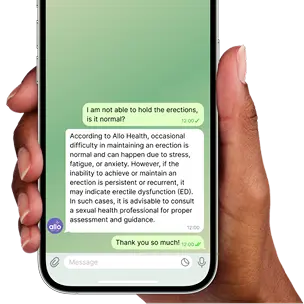
- Counselling, medical treatments and lifestyle changes- all these can improve sexual health and relationship quality. Allo Health experts specialise in treatments of different sex concerns for couples in a holistic way. The experts first work with you to find the exact reasons and run some thorough diagnostic tests to give you a personalised treatment suited to your exact needs.
Disclaimer
The following blog article provides general information and insights on various topics. However, it is important to note that the information presented is not intended as professional advice in any specific field or area. The content of this blog is for general educational and informational purposes only. The content should not be interpreted as endorsement, recommendation, or guarantee of any product, service, or information mentioned. Readers are solely responsible for the decisions and actions they take based on the information provided in this blog. It is essential to exercise individual judgment, critical thinking, and personal responsibility when applying or implementing any information or suggestions discussed in the blog.
Most Asked Questions
Is it normal for couples to have mismatched sex drives?
Most couples have some differences in how often they want sex at some point in their life. Stress, hormones, health, and even your problems can add to it. Have a regular talk with your partner and find a balance that works for both of you.
What should I do if my partner has erectile dysfunction (ED)?
ED is quite common, especially as men get older. Encourage them to see a doctor- your partner might already feel embarrassed or stressed. ED most of the time is linked to some health issues that can be treated. And intimacy is not about sex- connect with each other first. You can get your partner's ED treated from best sex experts at Allo Health clinic if you wish.
What causes vaginismus, and can it be treated?
Vaginismus is seen when the muscles around the vagina tighten up involuntarily. It make sex painful or even impossible. It is caused by some physical issues, past trauma, or even anxiety. It’s treatable- pelvic floor therapy, relaxation techniques, and working with a therapist or doctor can help.
How do I talk to my partner about our intimacy problems after having a baby?
Talk in a calm manner and share your feelings without blaming them. Try to explain how you’re feeling and ask how they feel, too. Chances are, they’re struggling too. First, rebuild your emotional intimacy by cuddling or spending quality time together. You can take help from sex expert to address this issue better.
What are the signs of an STI, and should I get tested if I have no symptoms?
Some STIs come with no clear symptoms, but some of the common symptoms are itching, pain, or unusual discharge. That’s why get tested regularly if you’re sexually active. It’s better to know and treat an STI early than to let it go undiagnosed.
My partner finishes too quickly—what can we do about it?
Many men are going through premature ejaculation (PE) which not only affect them but their partner too. As a starter use techniques like the “stop-start” method or try to use thicker condoms to reduce sensitivity. If it’s an ongoing issue, talk to a doctor or therapist- they will recommend strategies or treatments to get better control.
Is sex therapy worth it?
If you’re struggling with sexual health issues- sex therapy along with doctor-prescribed medications works better. A therapist will help you and your partner communicate better, work through emotional or physical challenges, and find out better solutions in a safe and judgment-free space.