6 Common Drugs That Cause Erectile Dysfunction
Medically reviewed by Dr. Sandip Deshpande

Dr Sandip completed his training in Psychiatry and sexual medicine in the UK. A post-graduate in Psychiatry from KMC Manipal, he worked in the UK for over 8 years following a one-year research post at NIMHANS, Bangalore. With an interest in the fields of sexual health and functioning, he has authored articles in books and peer-reviewed journals. A recipient of the student of the year award by BSART in 2010, he is currently a consultant psychiatrist and sexual and relationship therapist with a belief in a holistic and psychotherapeutic approach to treating psychological distress.
•
Written by Dr. Anvi Dogra

Dr. Anvi Dogra is a medical writer and healthcare professional with a doctoral background in clinical sciences. She leverages her medical training to produce deeply researched, people first content across the wellness industries. With a "360-degree" understanding of the healthcare industry, Dr. Anvi focuses on bridge-building between clinical data and patient wellness. Known for her ability to make complex medical topics accessible and engaging, Dr. Anvi ensures that all health information is grounded in clinical evidence.
•
July 30, 2026
Our experts continually monitor the health and wellness space, and we update our articles when new information becomes available.
Quick Read
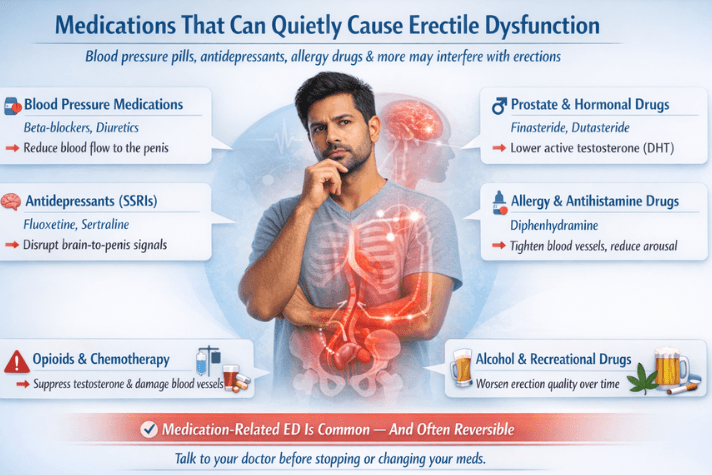
Many everyday medications can cause erectile dysfunction (ED) by affecting blood flow, hormone levels, or nerve signals needed for erections. Common drug types linked to ED include blood pressure medicines, antidepressants, anti-anxiety drugs, opioids, antihistamines, and prostate or Parkinson’s medications. These drugs may reduce blood circulation, interfere with brain signals, or lower testosterone. If ED starts after a new medication, do not stop it on your own. Talk to your doctor about safer alternatives, dose changes, or treatment options for medication-related erectile dysfunction.
Drugs that cause erectile dysfunction might be hiding in your daily routine, and most men don’t even realize it. From blood pressure pills, anti-allergy medications, to antidepressants and prostate drugs, many common medications can quietly interfere with your sexual activity. They may reduce blood flow, alter hormone levels, or disrupt brain-to-penis signaling. The good news? If your medication is the problem, there are ways to address it without sacrificing your overall health.
In this article, we'll break down which drug categories are most likely to cause ED, their side effects for sexual arousal, how they affect your body — alongside lifestyle factors like calorie deficit and ED — and when it's time to talk to your doctor.

Allo asks
Have you noticed changes in your erections after starting a new medication?
What Are The Drugs That Cause Erectile Dysfunction?
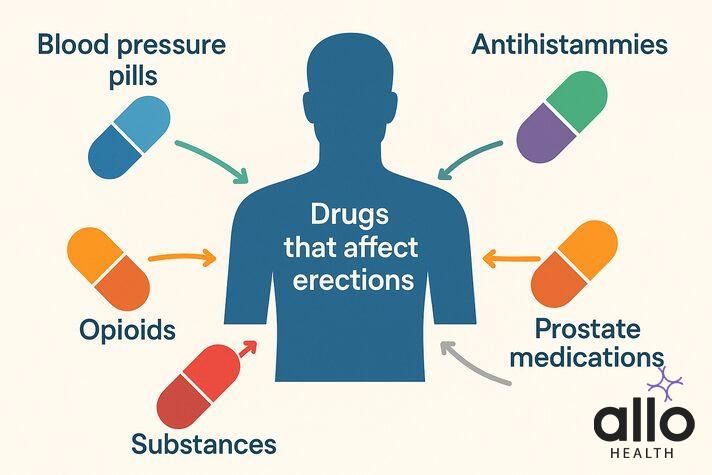
Who can think that the medications you take for some physical, mental, or metabolic reasons — much like fasting effects on ED — can interfere with your sexual desire? But this is the harsh reality of some drugs. These medications do this by interfering with your blood flow, hormones, and brain chemistry. The most likely drugs to cause erectile dysfunction are:
- Blood pressure medications
- Antiallergic or antihistamine medicines
- Antidepressants and antipsychotic drugs: Antidepressant drugs can cause problems in sexual function, probably by blocking the action of three brain chemicals that convey signals between nerve cells of the brain and penis: acetylcholine, serotonin, and norepinephrine.
- Prostate and hormonal medications
- Opioids (painkillers) and some chemotherapy drugs
- Substance and drug abuse
Blood Pressure Medications And Erectile Dysfunction
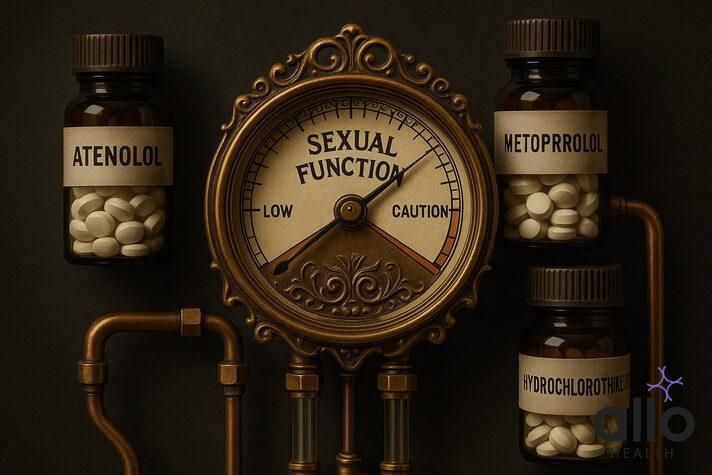
High blood pressure medications are among the most common causes of drugs that cause ED. Beta-blockers and diuretics have been shown to have the strongest links between their use and erectile dysfunction. A study of 20,000 Danish men showed a clear association between thiazides, calcium channel blockers, and ACE inhibitors, and their use is associated with erectile dysfunction [1]. Some of these common blood pressure medications associated with erectile dysfunction include:
- Beta-blockers (like atenolol and metoprolol)
- Thiazide diuretics (like hydrochlorothiazide)
- Calcium channel blockers and ACE inhibitors
Antidepressants That May Lead to Erectile Problems
Antidepressants, particularly SSRIs (selective serotonin reuptake inhibitors) like fluoxetine (Prozac) and sertraline (Zoloft), are commonly linked to reduced libido and cause eretile dysfunction. These drugs can cause problems in sexual function, probably by blocking the action of three brain chemicals that convey signals between nerve cells of the brain and penis: acetylcholine, serotonin, and norepinephrine

A study [2] published in the journal Sexual Medicine took data from the U.S. Food and Drug Administration Adverse Event Reporting System (FAERS) over a 10-year period (2010–2020). The study evaluated the 20 medications most frequently associated with erectile dysfunction.
The results showed that neuropsychiatric medications were alone responsible for nearly 40% of all reported ED cases. This highlighted antidepressants and antipsychotics as one of the most significant medication-related contributors to erectile dysfunction.
Prostate and Hormone-Related Medications, Which Can Cause ED
Some drugs are commonly used to treat an enlarged prostate and baldness in men, and in rare cases may trigger serious conditions like priapism in men. These medications work by blocking the conversion of testosterone to its more active form, called dihydrotestosterone (DHT). While helpful for prostate and hair-related issues, research shows that long-term use, especially in younger men, can increase the risk of persistent erectile dysfunction [3]. Most of these drugs are finasteride and dutasteride (5-alpha reductase inhibitors)
Antihistamines and Allergy Drugs Affecting Sexual Dysfunction
This class of drugs is used to treat allergies and allergy-related conditions. Antihistamine drugs like diphenhydramine (Benadryl) and drugs like cimetidine (Tagamet, for ulcers) can cause erectile dysfunction by reducing the smooth muscle response and lowering the testosterone levels. Some antihistamines can also tighten the blood vessels, which makes it harder for the penis to relax and fill with blood for an erection [4].

Opioids and Chemotherapy Drugs That Cause Erection Problems
Medications like Opioids (painkillers) and some chemotherapy drugs can suppress testosterone over time and damage blood vessels [5] [6]. This lowered testosterone and disturbances with blood vessels can impact sexual function over time and can lead to erectile dysfunction.
Substances and Recreational Drugs That Can Cause ED
Consumption of some substances like alcohol, tobacco and recreational drugs like marijuana, nicotine, cocaine, and heroin can also affect sexual dysfunction. The relationship between alcohol, smoking, nicotine marijuana, cocaine, and erectile dysfunction is real, and it can worsen your sexual life.
Based on consultations at Allo Health, medication-related factors were identified in a large number of erectile dysfunction cases. Our observations suggest that around 3 in 10 men reporting ED symptoms had recently started or changed a prescription medication, most commonly blood pressure drugs, antidepressants, or prostate-related medicines.
Why Many Indian Men Don’t Realize Their Medicines Can Cause ED
For many Indian men, erectile problems do not occur immediately. They are often thought to caused by stress, long work hours, lack of sleep, or getting older. Very few people think that a medicine they’ve been taking every day could be part of the problem.
In India, it’s common to stay on the same medicines for blood pressure, diabetes, depression, or prostate issues for years. These prescriptions may be working well for the main condition. But, sexual side effects rarely come up in routine check-ups unless the patient specifically mentions them. It can also occur because alot of men continue old prescriptions, adjust doses on their own. It increases the risk of side effects going unnoticed.
It is important to see if erection problems start after a new medicine is added or an old one is changed, it’s worth paying attention. In many cases, a simple medication review with a doctor can make a real difference.
When Should You Seek Help For Drug-Induced Erectile Dysfunction?
If you feel that you are having trouble with erections and it could be because of the medications you are taking, reviewing erectile dysfunction causes with your doctor is a good first step. You do not need to stop any medication on your own, without first speaking to your doctor. You should try following the steps mentioned below. You can maintain a record of the medications you consume. These could involve prescription medicines, over-the-counter medicines, or even some herbal medicines. Note down all the symptoms you started feeling in the bedroom after you started taking these drugs.
- Discuss any timing around when the ED started, especially after starting a new drug.
- Ask about lower-risk alternatives or dosage adjustments.
- Go to a healthcare professional, as they may help you clear your doubts if your medication is causing problems in your sexual life.
- It is always better to consult a healthcare professional because they can offer you a set of prescription medicines for erectile dysfunction, alternatives to the medications you are taking, and some lifestyle-changing remedies that may help.
If you notice changes in your sexual desire and function after starting a new medication, don’t panic and don’t stop the medicine on your own. Talk to your doctor. In many cases, a small adjustment with some treatment options can make a big difference.
ED Caused by Medications Is Manageable
Many men all across the world and India don’t realize that everyday medications like those for blood pressure, depression, prostate issues, or allergies can quietly contribute to erectile dysfunction. But here’s the good news: ED caused by medications is often reversible. With the right medical support, lifestyle changes, or alternative treatment plans, you can restore your sexual health. Don’t ignore the signs. Always talk to your doctor, review your medications, and take control of your well-being. Erectile dysfunction may feel overwhelming, but with the right steps, it’s a problem that can be managed.
Disclaimer
The following blog article provides general information and insights on various topics. However, it is important to note that the information presented is not intended as professional advice in any specific field or area. The content of this blog is for general educational and informational purposes only. The content should not be interpreted as endorsement, recommendation, or guarantee of any product, service, or information mentioned. Readers are solely responsible for the decisions and actions they take based on the information provided in this blog. It is essential to exercise individual judgment, critical thinking, and personal responsibility when applying or implementing any information or suggestions discussed in the blog.
Most Asked Questions
Which drugs cause erectile dysfunction?
Many drugs can cause erectile dysfunction, including blood pressure medications, antidepressants, antihistamines, opioids, and prostate treatments. These drugs affect blood flow, hormones, or nerve signals linked to erections.
Can over-the-counter (OTC) drugs cause erectile dysfunction?
Yes, some OTC drugs such as antihistamines (like diphenhydramine) and certain cold or allergy medications may contribute to ED by affecting blood flow or hormone levels.
Do muscle relaxers or common painkillers cause erectile dysfunction?
Certain muscle relaxers and painkillers, especially opioids, can cause ED by lowering testosterone levels and affecting blood vessel function. However, common drugs like paracetamol are generally not linked to ED.
Can antibiotics or supplements cause erectile dysfunction?
Antibiotics are rarely linked directly to ED, but some supplements with hormonal effects or side effects might impact sexual function. Always discuss supplement use with your doctor if you experience ED.
Should I stop my medication if it’s causing ED?
No. You should never stop a prescribed medication on your own. Always consult your doctor about safer alternatives or dosage changes.
Sources
- 1.
Cardiovascular drugs and erectile dysfunction – a symmetry analysis
- 2.
Medications Most Commonly Associated With Erectile Dysfunction: Evaluation of the Food and Drug Administration National Pharmacovigilance Database
- 3.
Hair loss and prostate drugs linked to persistent erectile dysfunction in men
- 4.
Erectile Dysfunction
- 5.
Long-term Opioids Linked to Hypogonadism and the Role of Testosterone Supplementation Therapy
- 6.
Understanding and Managing Erectile Dysfunction in Patients Treated for Cancer
Why Should You Trust Us?
Why Should You Trust Us?
This article was written by Dr. Sandip Deshpande, who has more than 27 years of experience in the healthcare industry.
Allo has the expertise of over 50+ doctors who have treated more than 1.5 lakh patients both online and offline across 30+ clinics.
Our mission is to provide reliable, accurate, and practical health information to help you make informed decisions.
For This Article
- We reviewed over 25 top-ranking articles from trusted medical sources to ensure the information is accurate, current, and comprehensive.
- We referenced key resources including the Mayo Clinic, Harvard Health Publishing, and the National Institutes of Health, which offer deep insights into how medications can impact sexual function.
- We analyzed more than 15 published research papers on drug-induced erectile dysfunction, including studies from PubMed and peer-reviewed journals.
- We explored platforms like YouTube, Reddit, Instagram, and Twitter to understand what real people are watching, asking, and struggling with when it comes to ED and medication.
- We also checked out popular forums like Reddit, Go Ask Alice, and Quora to see what concerns readers are expressing and made sure this article speaks directly to those real-life questions.