What Are The Causes Of HIV?
Written by Aditi Mallick

Aditi, a dynamic individual with a background in Chemistry, initially embarked on her professional journey as an Associate Content Developer at Byju's. Transitioning from an academic content reviewer to a creative force in the content creation team, she demonstrated prowess in crafting SEO-driven academic content, impactful presentations, and video reviews. Seeking new challenges, Aditi redirected her career towards professional content and copywriting, joining MyCaptain. Along this transformative path, she mastered design skills using software like Photoshop and Illustrator, creating visually striking posts for various brands and websites. Today, Aditi stands as a seasoned Medical writer, seamlessly transitioning from her roots as an academic writer. Join her on this exciting journey as she shares insights and expertise in content creation and medical writing.
•
July 30, 2026
Our experts continually monitor the health and wellness space, and we update our articles when new information becomes available.
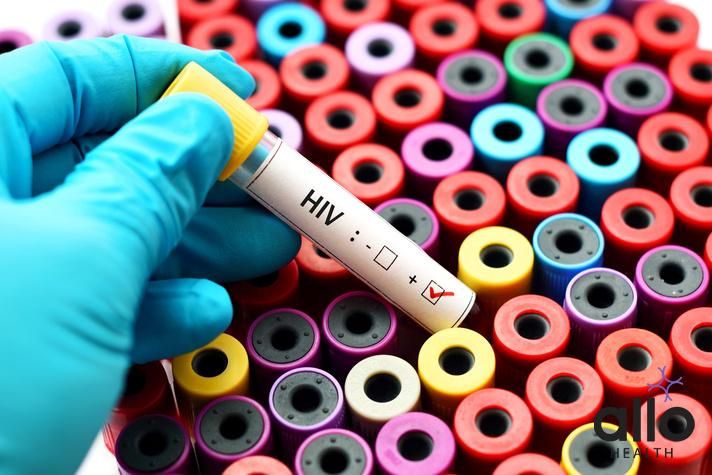
HIV, or Human Immunodeficiency Virus, is a virus that attacks the body's immune system, specifically targeting CD 4 cells, also known as T-helper cells. These cells are crucial for the immune system's function, as they coordinate the body's response to infections. When HIV infects these cells, it weakens the immune system over time, making the body vulnerable to various infections and diseases. Understanding the causes of HIV is essential for prevention and management.
Overview Of The Primary Causes Of HIV
- Sexual Transmission: One of the most common modes of HIV transmission is through sexual contact, particularly unprotected vaginal, anal, or oral sex with an infected individual. The virus can enter the body through mucous membranes or breaks in the skin during sexual activity. Factors such as multiple sexual partners, inconsistent condom use, and engaging in high-risk sexual behaviours increase the risk of HIV transmission through sexual contact.
- Sharing Needles and Syringes:
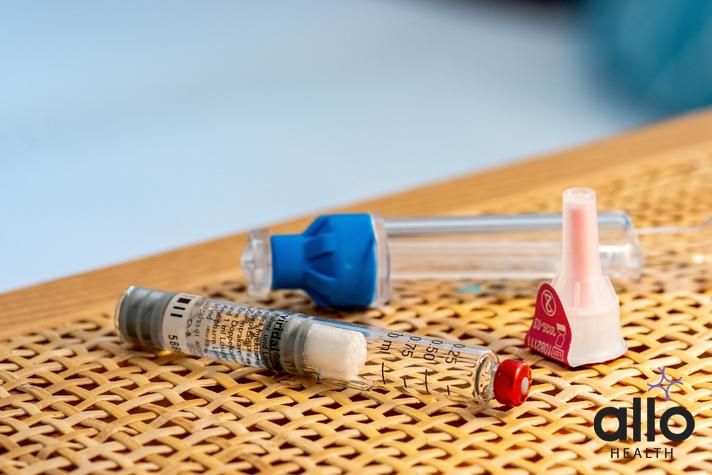
HIV transmission can occur through various routes, including sexual contact, sharing needles, mother-to-child transmission, blood transfusions, occupational exposure, non sterile medical procedures, sexual violence, and societal factors like stigma and discrimination. Effective prevention strategies focus on promoting safer sexual practices, ensuring access to harm reduction services for PWID, implementing routine HIV testing and counselling, providing comprehensive healthcare for pregnant women living with HIV, improving infection control measures in healthcare settings, addressing sexual violence, and supporting survivors, and combating HIV-related stigma and discrimination. Early diagnosis, prompt initiation of antiretroviral therapy, and ongoing support and care are essential for managing HIV infection and improving overall health outcomes.

Disclaimer
The following blog article provides general information and insights on various topics. However, it is important to note that the information presented is not intended as professional advice in any specific field or area. The content of this blog is for general educational and informational purposes only. The content should not be interpreted as endorsement, recommendation, or guarantee of any product, service, or information mentioned. Readers are solely responsible for the decisions and actions they take based on the information provided in this blog. It is essential to exercise individual judgment, critical thinking, and personal responsibility when applying or implementing any information or suggestions discussed in the blog.
Most Asked Questions
What is HIV, and how does it spread?
HIV (Human Immunodeficiency Virus) is a virus that attacks the immune system, specifically targeting CD4 cells, which are crucial for fighting infections. HIV spreads through contact with certain bodily fluids, such as blood, semen, vaginal fluids, and breast milk. This transmission can occur during unprotected sex, sharing needles or syringes, and from mother to child during pregnancy, childbirth, or breastfeeding.
What are the primary modes of HIV transmission?
The primary modes of HIV transmission include unprotected sexual intercourse with an infected person, sharing needles or syringes contaminated with HIV-infected blood, and from an HIV-positive mother to her child during pregnancy, childbirth, or breastfeeding. HIV can also be transmitted through blood transfusions or organ transplants if the blood or organs are not screened for the virus.
What are the risk factors for contracting HIV?
Several factors increase the risk of contracting HIV, including engaging in unprotected sexual intercourse with multiple partners or with partners whose HIV status is unknown, sharing needles or syringes for injecting drugs, having a sexually transmitted infection (STI), and receiving blood transfusions or organ transplants without proper screening. Additionally, infants born to HIV-positive mothers are at risk of acquiring the virus during pregnancy, childbirth, or breastfeeding.
Can HIV be transmitted through casual contact or everyday activities?
HIV cannot be transmitted through casual contact such as hugging, kissing, shaking hands, sharing utensils or food, or through insect bites. It is not spread through air, water, or by touching objects handled by an HIV-positive person unless those objects are contaminated with blood or other bodily fluids containing the virus. Everyday activities do not pose a risk of HIV transmission.
What are some misconceptions about HIV transmission?
Several misconceptions about HIV transmission contribute to stigma and discrimination. One common misconception is that HIV can be spread through casual contact, which is not true. Another misconception is that HIV only affects certain groups of people, whereas anyone engaging in risky behaviors or coming into contact with infected bodily fluids can contract the virus. It's important to rely on accurate information and education to combat misconceptions about HIV transmission.