What Are The Causes Of Syphilis?
Written by Aditi Mallick

Aditi, a dynamic individual with a background in Chemistry, initially embarked on her professional journey as an Associate Content Developer at Byju's. Transitioning from an academic content reviewer to a creative force in the content creation team, she demonstrated prowess in crafting SEO-driven academic content, impactful presentations, and video reviews. Seeking new challenges, Aditi redirected her career towards professional content and copywriting, joining MyCaptain. Along this transformative path, she mastered design skills using software like Photoshop and Illustrator, creating visually striking posts for various brands and websites. Today, Aditi stands as a seasoned Medical writer, seamlessly transitioning from her roots as an academic writer. Join her on this exciting journey as she shares insights and expertise in content creation and medical writing.
•
April 30, 2024
Our experts continually monitor the health and wellness space, and we update our articles when new information becomes available.
Syphilis is a sexually transmitted infection (STI) caused by the bacterium Treponema pallidum. It is a complex disease with various stages and symptoms, and its causes can be multifaceted. Understanding the causes of syphilis involves looking into its transmission, risk factors, and underlying biological mechanisms.
Transmission
Risk Factors
Several factors increase the risk of acquiring syphilis: Unprotected Sexual Activity: Engaging in unprotected sex, especially with multiple partners or with partners whose infection status is unknown, increases the risk of syphilis transmission. Men Who Have Sex with Men (MSM): MSM have a higher risk of syphilis infection compared to heterosexual individuals due to factors such as a higher prevalence of STIs within this population and an increased likelihood of engaging in risky sexual behaviors. Substance Abuse: Injection drug use, particularly sharing needles and other drug paraphernalia, can lead to syphilis transmission if contaminated with infected blood. HIV Infection: People living with HIV have an increased risk of acquiring syphilis due to a weakened immune system, which makes them more susceptible to infections.
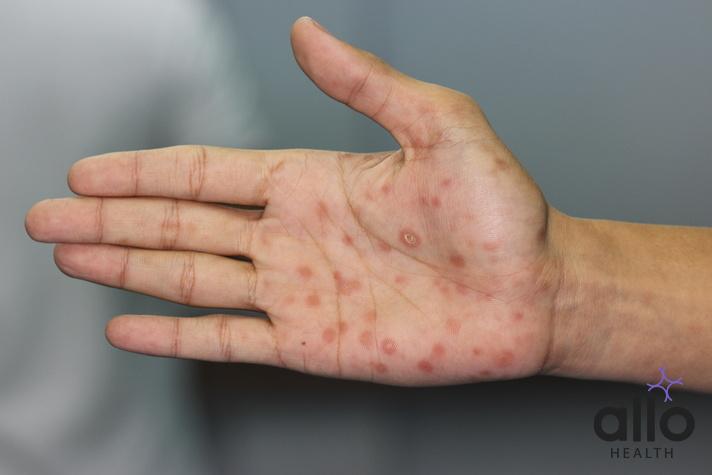
Biological Mechanisms
Prevention
Preventing syphilis involves various strategies: Safe Sex Practices: Using condoms correctly and consistently during sexual activity can reduce the risk of syphilis and other STIs. Regular Screening: Routine screening for syphilis and other STIs is essential, especially for individuals at higher risk, such as sexually active individuals, MSM, and pregnant women. Treatment of Infected Individuals: Prompt diagnosis and treatment of syphilis with antibiotics, typically penicillin, are crucial to prevent the progression of the disease and reduce transmission to others. Pre-Exposure Prophylaxis (PrEP): For individuals at increased risk of acquiring HIV, PrEP can also indirectly reduce the risk of syphilis by lowering overall HIV transmission rates within high-risk populations.
Global Impact
Syphilis remains a global public health concern, with millions of new cases reported annually worldwide. Its impact extends beyond individual health, affecting sexual and reproductive health outcomes, maternal and child health, and healthcare costs. Efforts to combat syphilis include awareness campaigns, education on safe sex practices, promotion of regular screening, and ensuring access to affordable and effective treatment. In conclusion, syphilis is caused by the bacterium Treponema pallidum and is primarily transmitted through sexual contact. Understanding the transmission modes, risk factors, and biological mechanisms of syphilis is essential for the prevention, early detection, and effective management of this STI. Public health strategies focusing on prevention, education, and access to healthcare services play a crucial role in addressing the challenges posed by syphilis on a global scale.

Disclaimer
The following blog article provides general information and insights on various topics. However, it is important to note that the information presented is not intended as professional advice in any specific field or area. The content of this blog is for general educational and informational purposes only. The content should not be interpreted as endorsement, recommendation, or guarantee of any product, service, or information mentioned. Readers are solely responsible for the decisions and actions they take based on the information provided in this blog. It is essential to exercise individual judgment, critical thinking, and personal responsibility when applying or implementing any information or suggestions discussed in the blog.
Most Asked Questions
Can Syphilis Be Prevented?
Yes, syphilis can be prevented through various measures: Safe Sex Practices: Using condoms correctly and consistently during sexual activity can significantly reduce the risk of syphilis transmission. Limiting Sexual Partners: Limiting the number of sexual partners and choosing partners who have been tested and are free from STIs can lower the risk. Regular STI Testing: Undergoing regular testing for syphilis and other STIs, especially if sexually active or at increased risk, allows for early detection and treatment. Avoiding Sharing Needles: If injecting drugs, avoiding sharing needles or other drug equipment can prevent syphilis transmission and other blood-borne infections. Screening and Treatment during Pregnancy: Pregnant women should undergo screening for syphilis early in pregnancy and receive timely treatment if infected to prevent transmission to the fetus.
What Are the Primary Causes of Syphilis?
The primary cause of syphilis is the bacterium Treponema pallidum. This bacterium enters the body through mucous membranes or breaks in the skin during sexual contact with an infected person. It can also be transmitted through blood transfusions, although this is rare in areas with stringent blood screening procedures.
Can Syphilis Be Spread Through Non-Sexual Contact?
While syphilis is primarily transmitted through sexual contact, it can also be transmitted non-sexually in rare cases. This can occur through direct contact with syphilitic sores (known as chancres) during sexual activity or other forms of skin-to-skin contact. However, non-sexual transmission is much less common compared to sexual transmission.
What Are the Risk Factors for Contracting Syphilis?
Several factors can increase the risk of contracting syphilis: Unprotected Sex: Engaging in sexual activity without using condoms or other barrier methods increases the risk of contracting syphilis. Multiple Sexual Partners: Having multiple sexual partners can increase the likelihood of coming into contact with an infected person. History of STIs: People who have had previous sexually transmitted infections are at a higher risk of contracting syphilis. Drug Use: Injecting drugs and sharing needles or other drug paraphernalia can increase the risk of syphilis transmission. Sexual Activity at a Young Age: Engaging in sexual activity at a young age can increase vulnerability to syphilis and other STIs. Having a Partner with Syphilis: Being in a sexual relationship with a person who has syphilis increases the risk of transmission.
What is Syphilis and How is it Transmitted?
Syphilis is a sexually transmitted infection (STI) caused by the bacterium Treponema pallidum. It can be transmitted through sexual contact with an infected person, including vaginal, anal, or oral sex. It can also be transmitted from a pregnant woman to her unborn child during pregnancy or childbirth, leading to congenital syphilis.