What Are The Symptoms And Complications Of Hepatitis E?
Written by Aditi Mallick

Aditi, a dynamic individual with a background in Chemistry, initially embarked on her professional journey as an Associate Content Developer at Byju's. Transitioning from an academic content reviewer to a creative force in the content creation team, she demonstrated prowess in crafting SEO-driven academic content, impactful presentations, and video reviews. Seeking new challenges, Aditi redirected her career towards professional content and copywriting, joining MyCaptain. Along this transformative path, she mastered design skills using software like Photoshop and Illustrator, creating visually striking posts for various brands and websites. Today, Aditi stands as a seasoned Medical writer, seamlessly transitioning from her roots as an academic writer. Join her on this exciting journey as she shares insights and expertise in content creation and medical writing.
•
July 30, 2026
Our experts continually monitor the health and wellness space, and we update our articles when new information becomes available.

Hepatitis E is a liver disease caused by the hepatitis E virus (HEV). This virus is transmitted primarily through the fecal-oral route, often due to contaminated water or food. Hepatitis E is a significant public health issue in many parts of the world, particularly in developing countries with poor sanitation and limited access to clean water. Understanding the symptoms and complications of Hepatitis E is crucial for effective diagnosis, treatment, and prevention.
Symptoms Of Hepatitis E
Hepatitis E can present a wide range of symptoms, from mild to severe. The incubation period of the virus, which is the time between exposure and the onset of symptoms, typically ranges from 2 to 6 weeks. The symptoms of Hepatitis E can be categorized into several stages:
- Prodromal Phase:
- Fever: A low-grade fever is often one of the initial symptoms.
- Fatigue: A general feeling of tiredness and weakness.

- Jaundice: Yellowing of the skin and eyes due to the buildup of bilirubin in the blood is a hallmark of Hepatitis E.
- Dark Urine: Urine may become dark due to increased bilirubin excretion.
- Pale Stools: Stools may appear pale or clay-colored.
- Abdominal Pain: Pain or discomfort in the upper right quadrant of the abdomen, where the liver is located.
- Hepatomegaly: Enlarged liver, which can be felt during a physical examination.
- Symptoms gradually subside, and patients start to feel better. Recovery can take weeks to months.
Complications Of Hepatitis E
While many cases of Hepatitis E are self-limiting and resolve without specific treatment, certain populations and individuals with underlying health conditions are at a higher risk of developing severe complications. These complications can be life-threatening and require careful medical management.
- Acute Liver Failure:
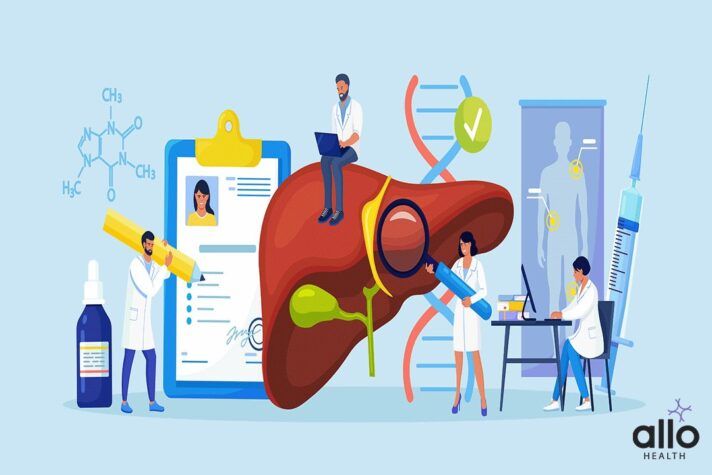
- Acute liver failure, also known as fulminant hepatitis, is a severe complication that can occur in a small percentage of Hepatitis E cases. This condition is characterized by rapid deterioration of liver function, leading to jaundice, coagulation abnormalities, and encephalopathy (a decline in brain function due to liver dysfunction). Acute liver failure can be fatal without prompt medical intervention.
- In immunocompromised individuals, such as those undergoing organ transplantation, chemotherapy, or living with HIV/AIDS, Hepatitis E can progress to a chronic infection. Chronic Hepatitis E can lead to long-term liver damage and fibrosis, increasing the risk of cirrhosis and liver failure.
- Pregnant women, particularly in the third trimester, are at a significantly higher risk of severe Hepatitis E infection. The virus can cause acute liver failure, leading to high maternal and fetal mortality rates. Pregnant women with Hepatitis E also face an increased risk of preterm delivery, stillbirth, and neonatal death.
- Hepatitis E can sometimes cause symptoms and complications outside the liver. These extrahepatic manifestations include neurological disorders such as Guillain-Barré syndrome (a rare neurological disorder where the body's immune system attacks the nerves), neuralgic amyotrophy (a condition causing severe pain and muscle weakness in the shoulder), and meningoencephalitis (inflammation of the brain and its surrounding membranes). Renal impairment, pancreatitis, and hematological abnormalities (such as thrombocytopenia and hemolytic anemia) have also been reported.
- Individuals co-infected with other hepatitis viruses, such as hepatitis B or C, may experience more severe liver disease. Co-infection can accelerate the progression to liver cirrhosis and increase the risk of liver cancer.
Hepatitis E is a significant public health concern, especially in areas with poor sanitation and limited access to clean water. Understanding the symptoms and complications of Hepatitis E is essential for timely diagnosis and management. While many cases are self-limiting, severe complications can occur, particularly in high-risk groups such as pregnant women, immunocompromised individuals, and those with pre-existing liver conditions. Preventative measures, including improving sanitation, ensuring access to clean water, and promoting good hygiene practices, are critical in reducing the incidence of Hepatitis E and its associated complications.

Disclaimer
The following blog article provides general information and insights on various topics. However, it is important to note that the information presented is not intended as professional advice in any specific field or area. The content of this blog is for general educational and informational purposes only. The content should not be interpreted as endorsement, recommendation, or guarantee of any product, service, or information mentioned. Readers are solely responsible for the decisions and actions they take based on the information provided in this blog. It is essential to exercise individual judgment, critical thinking, and personal responsibility when applying or implementing any information or suggestions discussed in the blog.
Most Asked Questions
What are the common symptoms of Hepatitis E?
Hepatitis E is a viral infection that primarily affects the liver. The common symptoms include jaundice (yellowing of the skin and eyes), fatigue, loss of appetite, nausea, vomiting, abdominal pain, dark urine, and pale stools. These symptoms usually appear 2 to 6 weeks after exposure to the virus. While most people experience mild symptoms, some may develop more severe illness. The symptoms can last from a few weeks to several months.
How is Hepatitis E diagnosed?
Hepatitis E is diagnosed through blood tests that detect the presence of Hepatitis E virus (HEV) antibodies or HEV RNA. These tests help confirm the infection and differentiate it from other types of hepatitis. Additionally, doctors may review the patient's symptoms and medical history, including potential exposure to contaminated food or water, travel history, and contact with infected individuals.
What are the potential complications of Hepatitis E?
While Hepatitis E is usually self-limiting and resolves on its own, it can lead to serious complications, particularly in certain high-risk groups. These complications include acute liver failure, especially in pregnant women, individuals with pre-existing liver conditions, and immunocompromised patients. Chronic Hepatitis E infection, though rare, can occur in people with weakened immune systems, leading to long-term liver damage. Other potential complications include pancreatitis, neurological disorders, and hemolysis (breakdown of red blood cells).
Who is at higher risk of developing severe complications from Hepatitis E?
Certain populations are at higher risk of developing severe complications from Hepatitis E. Pregnant women, particularly in their third trimester, are at the highest risk, with a mortality rate of up to 20-25% due to fulminant hepatitis (acute liver failure). People with pre-existing liver diseases, such as chronic hepatitis B or C, and those who are immunocompromised (e.g., transplant recipients, individuals with HIV/AIDS) are also more susceptible to severe outcomes and chronic infection.
Can Hepatitis E be prevented, and if so, how?
Yes, Hepatitis E can be prevented through several measures. Ensuring access to clean and safe drinking water is paramount. Practicing good personal hygiene, such as washing hands before eating and after using the toilet, can reduce the risk of infection. In regions where Hepatitis E is common, it's advisable to avoid raw or undercooked shellfish and meat. There is also a vaccine available in China that has shown to be effective against HEV, but it is not widely available globally yet.