Sexual Health: Vaccinations and Preventive Care
Written by Anoush Gomes

Anoush Gomes is a seasoned Content Writer with over 10 years of experience, specializing in various writing styles such as medical content, creative writing, storytelling, and research papers. Anoush embarked on a unique journey, starting with pre-medical studies at the Dante Aligheri Academy and the University of Miami, where she earned a Bachelor's degree with a major in Biology and a minor in Psychology.Having pursued medical school and completed clinicals, Anoush transitioned to the world of medical content writing, where her passion for both healthcare and writing converged. Her writing skills encompass persuasive, narrative, expository, and descriptive styles, making complex medical concepts accessible to diverse audiences.Beyond her professional endeavors, Anoush is a multi-faceted individual with a rich tapestry of interests. A writer, artist, poet, avid reader, certified nerd, and hopeful author, she finds inspiration in the intersection of creativity and science.Whether crafting engaging medical narratives or weaving captivating stories, Anoush combines her diverse background and writing expertise to deliver compelling content that resonates with diverse audiences.
•
June 10, 2024
Our experts continually monitor the health and wellness space, and we update our articles when new information becomes available.
Preventive care and vaccinations play a crucial role in maintaining overall sexual health and well-being. By taking proactive measures, individuals can reduce their risk of contracting or spreading various infections and diseases that can have significant impacts on their sexual and reproductive health. In this article, we will explore the importance of vaccinations and preventive care strategies in the context of sexual health.
- Vaccinations for Sexually Transmitted Infections (STIs)
- Human Papillomavirus (HPV) Vaccine: The HPV vaccine can help prevent several strains of the virus that can cause cervical, anal, and other cancers, as well as genital warts.
- Hepatitis B Vaccine: The hepatitis B vaccine protects against the hepatitis B virus, which can be transmitted through sexual contact, as well as other modes of transmission.
- Recommendations and Schedules: Healthcare providers follow specific recommendations and schedules for administering these vaccines based on age, risk factors, and individual circumstances.
- Reproductive Health Vaccinations
- Rubella (German Measles) Vaccine: The rubella vaccine helps prevent the rubella virus, which can cause serious birth defects if contracted during pregnancy.
- Combination Vaccines: Certain combination vaccines, such as the MMR (measles, mumps, rubella) vaccine, can provide protection against multiple diseases that can impact reproductive health.
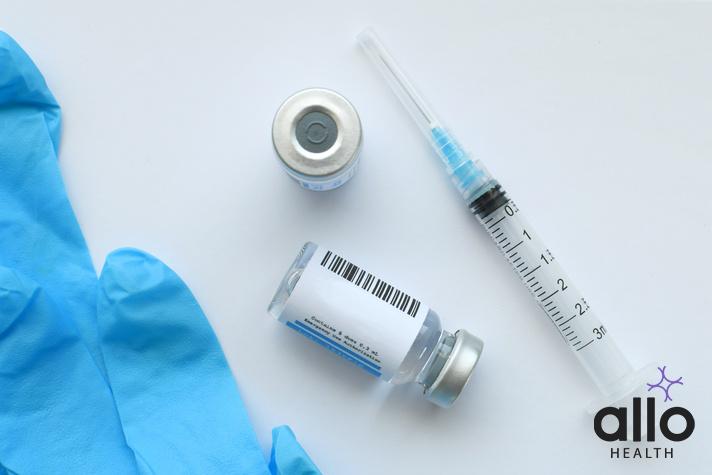
- Preventive Screening and Early Detection
- STI Testing: Regular STI testing can help detect and treat infections early, preventing further transmission and potential long-term complications.
- Cancer Screenings: Screenings for cervical, breast, and other reproductive cancers can aid in early detection and prompt treatment, improving outcomes.
- Reproductive Health Evaluations: Regular evaluations, such as Pap tests, pelvic exams, and fertility assessments, can identify potential issues and guide appropriate preventive measures.
- Safer Sex Practices
- Barrier Methods: Using barrier methods, such as condoms and dental dams, during sexual activity can significantly reduce the risk of contracting or spreading STIs.
- Mutual Monogamy: Engaging in a mutually monogamous relationship with a partner who has been tested for STIs can reduce the risk of transmission.
- Abstinence: Abstaining from sexual activity is one of the most effective ways to prevent the transmission of STIs and unintended pregnancies.
- Prenatal Care and Family Planning
- Preconception Counseling: Seeking preconception counseling can help individuals prepare for a healthy pregnancy and address any potential risk factors or concerns.
- Prenatal Care: Regular prenatal care visits, including screenings, vaccinations, and education, can promote a healthy pregnancy and reduce risks to both the mother and the developing fetus. c
- Contraceptive Counseling: Discussing contraceptive options with a healthcare provider can help individuals make informed decisions about family planning and preventing unintended pregnancies.
- Sexual Health Education and Awareness
- Comprehensive Sex Education: Providing comprehensive, age-appropriate, and evidence-based sex education can empower individuals with knowledge about sexual health, prevention strategies, and available resources.
- Community Outreach and Campaigns: Public awareness campaigns and community outreach efforts can help destigmatize sexual health topics and promote preventive care practices.
- Access to Healthcare and Resources
- Affordable and Accessible Care: Ensuring that preventive care services, including vaccinations and screenings, are affordable and accessible to all individuals, regardless of their socioeconomic status or location. b
- Addressing Barriers: Identifying and addressing potential barriers, such as stigma, lack of information, or logistical challenges, can improve access to preventive care services.
- Inclusive and Culturally Competent Care
- Diversity and Inclusivity: Providing inclusive and culturally competent care that addresses the unique needs and experiences of individuals from diverse backgrounds, sexual orientations, and gender identities.
- Non-Judgmental Approach: Creating a safe and non-judgmental environment where individuals feel comfortable discussing their sexual health concerns and seeking preventive care services.
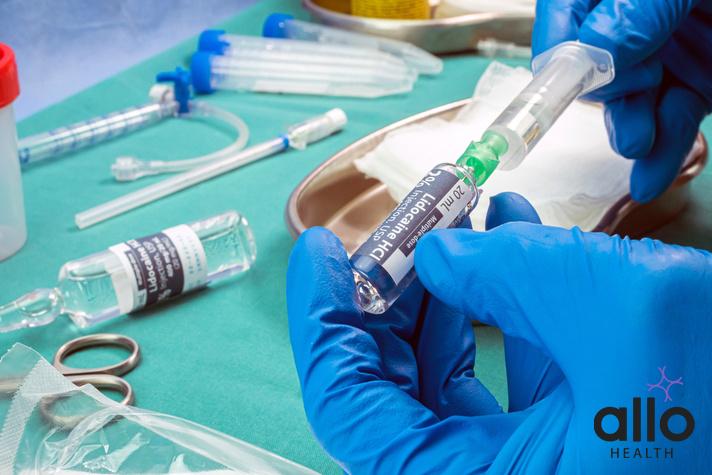
- Collaboration and Multidisciplinary Approach
- Integrated Care: Promoting collaboration among healthcare providers, including primary care physicians, gynecologists, urologists, and mental health professionals, to provide comprehensive and coordinated preventive care.
- Community Partnerships: Fostering partnerships with community organizations, educational institutions, and government agencies to support and promote sexual health education and preventive care initiatives.
- Ongoing Research and Innovation
- Vaccine Development: Continuing research and development efforts to create new and improved vaccines for various sexually transmitted infections and reproductive health concerns.
- Screening and Diagnostic Advancements: Investing in research to improve screening and diagnostic techniques for early detection and accurate diagnosis of sexual health issues.
- Preventive Care Strategies: Exploring and evaluating new preventive care strategies and interventions to enhance sexual health outcomes.
Disclaimer
The following blog article provides general information and insights on various topics. However, it is important to note that the information presented is not intended as professional advice in any specific field or area. The content of this blog is for general educational and informational purposes only. The content should not be interpreted as endorsement, recommendation, or guarantee of any product, service, or information mentioned. Readers are solely responsible for the decisions and actions they take based on the information provided in this blog. It is essential to exercise individual judgment, critical thinking, and personal responsibility when applying or implementing any information or suggestions discussed in the blog.
Most Asked Questions
Are there any potential side effects or risks associated with vaccinations for sexual health?
Like any vaccination, there is a small risk of mild side effects, such as fever, soreness at the injection site, or fatigue. Serious adverse reactions are rare. Healthcare providers can provide more information on potential risks and benefits specific to each vaccine.
When is the best time to receive the HPV vaccine?
The HPV vaccine is typically recommended for individuals at a younger age, around 11-12 years old, before potential exposure to the virus through sexual activity. However, it can also be given to older individuals who have not been previously vaccinated.
Can vaccinations completely prevent the transmission of sexually transmitted infections (STIs)?
While vaccinations can provide significant protection against certain STIs, they do not offer complete prevention. It is still essential to practice safer sex measures, such as using barrier methods and getting regularly tested, even after receiving vaccinations.
How often should I get screened for STIs and other sexual health concerns?
The recommended frequency of screenings can vary based on individual factors, such as age, sexual activity, risk factors, and personal/family history. Healthcare providers can provide personalized screening recommendations based on an individual's unique circumstances.
What resources are available to help access affordable preventive care services?
There are various resources available to help individuals access affordable preventive care services, such as community health centers, government-funded programs, and non-profit organizations. Additionally, many health insurance plans cover preventive care services, including vaccinations and screenings, at little or no cost to the insured individual.