The Real Secret to Stronger, Healthier Love : Kindness in Relationships
Written by Dr. Paavas Sharma

Dr. Paavas Sharma holds a Bachelor's degree in Dental Surgery from Manipal Academy of Higher Education. In her journey, she has garnered numerous accolades for her creative writing. Proficient in both English and Hindi, she particularly enjoys delving into topics related to sexual and dental health and possesses experience in writing about oncology. Dr. Paavas has 3 years of professional writing experience and was also involved in editorial teams for magazines since her school and college days. Apart from writing she consistently seeks opportunities for personal expression and enjoyment, whether it's cooking, Netflix sessions or indulging in crafts.
•
July 30, 2026
Our experts continually monitor the health and wellness space, and we update our articles when new information becomes available.

Quick Read
Kindness is one of the most powerful—and underrated—tools for building a strong, lasting relationship. More than just being nice, it means showing up for your partner in small, meaningful ways that build trust, emotional safety, and connection. Backed by science and real-life examples, the article explores how kindness boosts relationship satisfaction, releases bonding hormones like oxytocin, and even benefits your health. Whether you're giving or receiving it, kindness is what truly holds love together.
What does a happy, lasting relationship need the most—love, trust, attraction? While all of these matter, there’s one underrated quality that quietly holds it all together: kindness. Kindness isn’t just about being nice or polite. It’s about genuinely caring for your partner in small and big ways, every single day. If you’ve ever wondered why some couples seem to grow stronger over the years while others fall apart, kindness is often the key difference. So, if you're looking to strengthen your relationship, or just want to understand what a healthy love truly looks like, you’re in the right place. This article explores the power of kindness in relationships—why it matters, what it looks like, and how you can practice more of it with your partner.
Importance of Kindness in Relationships (Backed by Science)
Let’s get real for a second—relationships take effort. You’re navigating two different personalities, moods, routines, values, and expectations. It’s not always easy. But here’s what we know for sure: kindness can make all the difference. In fact, kindness is one of the most reliable predictors of long-term relationship satisfaction. This was highlighted in a 2014 article in The Atlantic[1] titled “Masters of Love” by Emily Esfahani Smith, which draws from the research of Dr. John Gottman—a world-renowned relationship psychologist from The Gottman Institute. Multiple studies have shown that kindness, along with emotional stability, is the most important trait in a happy, lasting marriage. Why? Because kindness builds trust, creates emotional safety, and helps couples recover faster from conflict. Here’s why kindness works like magic in relationships:
- It creates emotional safety. When your partner knows they won’t be judged or mocked, they feel safe to open up and be vulnerable.
- It strengthens connection. Small acts of kindness make your partner feel seen, valued, and appreciated.
- It fuels a positive feedback loop. When you act with kindness, your partner often responds in kind, creating a healthy cycle of love and care.
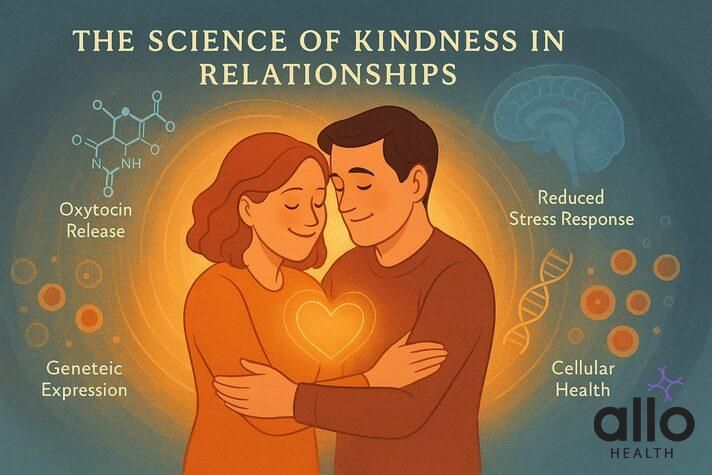
But the power of kindness doesn’t stop at emotional perks—it goes deeper. Newer research[2] even shows that kindness can impact our biology. That’s right, being kind might actually influence how our genes behave, helping your body function better at a cellular level. It’s almost like nature’s built-in stress reliever. Research on kindness-focused activities[3] has also shown that these intentional acts—much like practicing gratitude—can significantly improve our sense of well-being. Being kind doesn’t just make you feel good, it strengthens your social ties and deepens your connections. And when couples make kindness a regular habit, their relationship becomes more resilient. That’s because kindness helps release oxytocin[4]—the “love hormone”—which boosts feelings of closeness, emotional bonding, and overall relationship satisfaction.
“Carry out a random act of kindness, with no expectation of reward, safe in the knowledge that one day someone might do the same for you.” – Princess Diana
Defining Kindness: What It Is and What It Isn't
We often throw around the word “kindness,”[5] but what does it actually mean in the context of a relationship? At its core, kindness means treating your partner with care, respect, and compassion—even when it’s not convenient. It’s about being generous with your time, thoughts, and emotions—not because you expect something back, but because you value your partner’s happiness. Kindness is:

- Listening to your partner when they’re upset—even if you’re tired.
- Doing a small favor for them just to make their day easier.
- Saying something encouraging when they’re feeling down.
- Being gentle in how you deliver difficult feedback.
Kindness is NOT:
- Being a pushover or never saying "no."
- Sacrificing your own well-being to please your partner.
- Giving feedback in a rude or cruel way and calling it “honesty.”
- Helping when it’s not needed or wanted, just to feel useful.
Kindness also doesn’t mean tolerating mistreatment. In healthy relationships, kindness goes both ways—it’s mutual, respectful, and intentional.
Practical Ways to Show Kindness in Your Relationship
Kindness isn’t a grand gesture or a rare event—it’s built through small, everyday moments. And just like a muscle, the more you flex it, the stronger your relationship becomes. Here are five simple ways to show your partner you care—and why they actually matter:
- Leave a sweet note in their lunchbox or under their pillow.
It’s a small surprise that shows you’re thinking of them, even when you’re not around. These notes can be tiny love boosts that brighten their entire day.

- Drop them a random heart emoji or smiley during the day.
A quick message can feel like a warm hug in the middle of a stressful day. It reminds them you’re there and that they matter to you—without needing a whole conversation.
- Do a chore they usually handle—laundry, dishes, tidying up.
Acts of service are a powerful way to express love. It’s not about the task—it’s about easing their load and showing, “I’ve got you.”
- Get them a snack or drink without being asked.
Unexpected kindness in the form of food or a drink is one of the most underrated ways to show love. It says, “I see you, I care about you, and I thought of you.”
- Think: “What would they find thoughtful right now?”—and go do it.
This one’s all about emotional awareness. When you tune into what your partner needs—without being told—it makes them feel truly understood and valued. Remember, kindness doesn’t have to be big or loud. It just has to be genuine.

Niceness vs. Genuine Kindness: What’s the Difference?
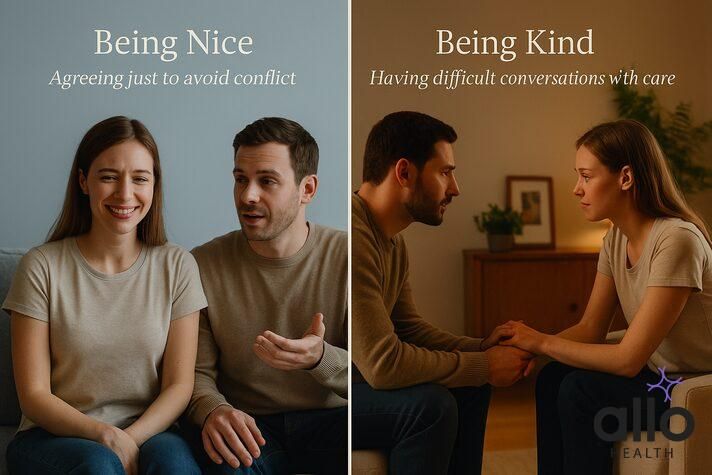
Being nice and being kind are not the same thing. Niceness[6] is often about being agreeable, avoiding conflict, or making sure people like you. It’s surface-level and usually based on how others perceive you. Kindness, on the other hand, comes from a place of genuine care—even if it means saying or doing hard things. For example:
- Being nice might mean agreeing with your partner just to keep the peace.
- Being kind might mean gently expressing a different opinion because honesty helps your relationship grow.
Kindness can sometimes look like setting boundaries, giving honest feedback in a respectful way, or calling out behavior that’s hurting the relationship. Remember: Kindness isn't always comfortable—but it’s always caring.
Overcoming Challenges to Receiving Kindness
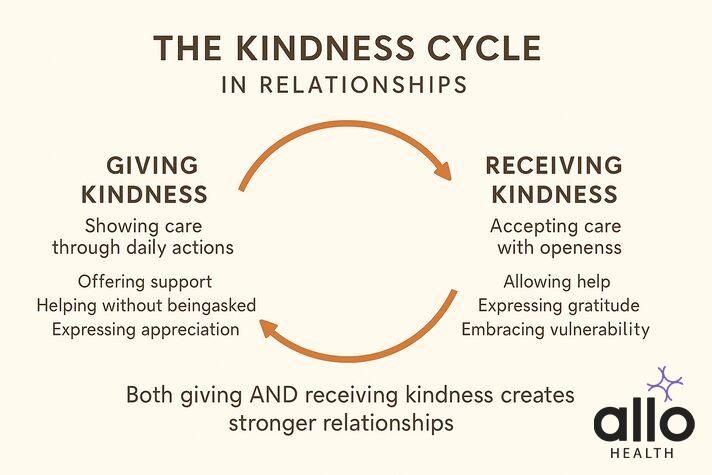
We often hear how important it is to give kindness—but learning how to receive it is just as important. For some people, accepting kind gestures, compliments, or support can feel uncomfortable. Maybe it’s because they’re used to being the caregiver, or they don’t feel “worthy” of that kind of attention. But here’s the thing: letting someone be kind to you builds connection, too. Receiving kindness with openness helps your partner feel appreciated and encourages more of that positive energy between you. It creates a balanced dynamic where both people feel seen, valued, and loved.
Being kind to your partner and also allowing them to be kind to you — that’s what makes love feel safe, mutual, and lasting.
Kindness: What Does It Mean to You?
At the heart of every strong relationship is one simple thing: kindness. It’s not just about the grand gestures—it’s about the daily choices to show care, respect, and love. So, take a moment to reflect.
- What does being treated with kindness and respect really look like to you in a relationship?
- What kind of kindness do you want to receive—and what kind are you willing to give?
These questions matter. They help you understand yourself better and open the door to deeper connection with your partner. Don’t just keep it in your head—talk about it. A simple, honest conversation about kindness could bring you closer than ever.
Disclaimer
The following blog article provides general information and insights on various topics. However, it is important to note that the information presented is not intended as professional advice in any specific field or area. The content of this blog is for general educational and informational purposes only. The content should not be interpreted as endorsement, recommendation, or guarantee of any product, service, or information mentioned. Readers are solely responsible for the decisions and actions they take based on the information provided in this blog. It is essential to exercise individual judgment, critical thinking, and personal responsibility when applying or implementing any information or suggestions discussed in the blog.
Most Asked Questions
How can I show kindness to my partner every day?
Simple things like sending a sweet message, helping with chores, or asking how their day was can go a long way. Consistent small actions often have a bigger impact than occasional grand gestures.
What if I’m not used to receiving kindness?
It’s okay, many people struggle with this. Start by acknowledging and accepting small kind acts from your partner without guilt. Over time, allowing kindness helps deepen connection and builds emotional trust on both sides.
What is kindness in a relationship?
Kindness in a relationship means treating your partner with care, respect, and empathy, through both words and actions. It includes small, thoughtful gestures, emotional support, and even being gentle when giving honest feedback.
Why is kindness so important for a healthy relationship?
Kindness helps build emotional safety and trust. It strengthens your connection, makes it easier to handle conflict, and creates a cycle of positivity where both partners feel valued and understood.
Can you be too kind in a relationship?
Kindness should be mutual and healthy. If you’re being kind at the cost of your own well-being or avoiding necessary boundaries, that’s a sign to step back. Real kindness includes honesty, self-respect, and balance.
Sources
- 1.
Masters of Love by Emily Esfahani Smith - The Atlantic
- 2.
The genomic impact of kindness to self vs. others: A randomized controlled trial - Brain, Behavior, and Immunity
- 3.
The case for kindness - American Psychological Association
- 4.
The Science of Kindness - Cedars Sinai
- 5.
Kindness - Merriam-Webster
- 6.
Niceness - Oxford Dictionary
Why Should You Trust Us?
Why Should You Trust Us?
This article was written by Dr. Paavas Sharma, who has more than 4 years of experience in the healthcare industry.
Allo has the expertise of over 50+ doctors who have treated more than 1.5 lakh patients both online and offline across 30+ clinics.
Our mission is to provide reliable, accurate, and practical health information to help you make informed decisions.
For This Article
- We reviewed over 20 high-ranking articles on kindness in relationships to ensure the information is current, relevant, and comprehensive.
- We analyzed over 7+ research papers and insights from experts like Dr. John Gottman to ground the article in science-backed facts.
- We listened to relationship-focused podcasts on platforms like YouTube and Spotify to understand how real therapists and couples talk about kindness in daily life.
- We explored platforms like Reddit and Quora to see what real people are asking, struggling with, and sharing about kindness and emotional connection in relationships.
- We paid attention to trending posts and conversations on Instagram and Twitter to understand how kindness is being practiced and talked about in modern relationships.