Coping Mechanisms For Sexual Trauma and Disorders
Written by Anoush Gomes

Anoush Gomes is a seasoned Content Writer with over 10 years of experience, specializing in various writing styles such as medical content, creative writing, storytelling, and research papers. Anoush embarked on a unique journey, starting with pre-medical studies at the Dante Aligheri Academy and the University of Miami, where she earned a Bachelor's degree with a major in Biology and a minor in Psychology.Having pursued medical school and completed clinicals, Anoush transitioned to the world of medical content writing, where her passion for both healthcare and writing converged. Her writing skills encompass persuasive, narrative, expository, and descriptive styles, making complex medical concepts accessible to diverse audiences.Beyond her professional endeavors, Anoush is a multi-faceted individual with a rich tapestry of interests. A writer, artist, poet, avid reader, certified nerd, and hopeful author, she finds inspiration in the intersection of creativity and science.Whether crafting engaging medical narratives or weaving captivating stories, Anoush combines her diverse background and writing expertise to deliver compelling content that resonates with diverse audiences.
•
July 30, 2026
Our experts continually monitor the health and wellness space, and we update our articles when new information becomes available.
Trigger Warning: This post discusses sexual trauma and violence. Experiencing sexual trauma or navigating the challenges of a sexual disorder can be an incredibly difficult and overwhelming journey. These experiences can shake the very core of one's sense of self, safety, and well-being, leaving individuals feeling vulnerable, ashamed, and uncertain of how to move forward. Coping mechanisms play a crucial role in the healing process, providing individuals with tools to manage the intense emotions, intrusive thoughts, and difficult situations that may arise. It's important to note that not all coping strategies are created equal – some can be adaptive and promote healing, while others may be maladaptive and potentially harmful in the long run. In this blog post, we'll explore various coping mechanisms for sexual trauma and disorders, emphasizing the importance of self-compassion, seeking support, and prioritizing overall well-being.
Adaptive Coping Mechanisms
Adaptive coping mechanisms are strategies that help individuals manage their emotions and experiences in a healthy and constructive manner. These techniques can provide a sense of empowerment, increase resilience, and facilitate the healing process.
- Mindfulness and Grounding Techniques: Mindfulness practices, such as deep breathing exercises, meditation, and body scans, can help individuals stay present in the moment and reduce the intensity of overwhelming emotions or intrusive thoughts. Grounding techniques, like naming objects in the environment or engaging the senses, can also be effective in regaining a sense of control and stability.
- Journaling and Creative Expression: Journaling can be a powerful outlet for processing thoughts, emotions, and experiences related to sexual trauma or disorders. Writing can provide a safe space for self-expression and facilitate emotional release. Additionally, creative outlets like art, music, or dance can serve as non-verbal ways to process and express complex emotions.
- Self-Care and Healthy Habits: Prioritizing self-care and developing healthy habits can play a crucial role in coping and promoting overall well-being. This may include getting adequate sleep, maintaining a balanced diet, engaging in regular exercise, and pursuing enjoyable activities or hobbies that bring a sense of pleasure and relaxation.
- Support Networks and Peer Support: Building a strong support network of trusted friends, family members, or professionals can provide a sense of validation, understanding, and encouragement. Connecting with others who have had similar experiences through support groups or online communities can offer a sense of belonging and shared understanding.
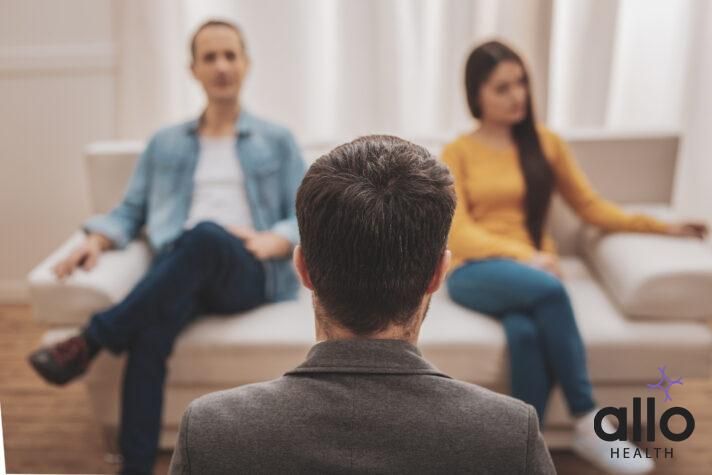
- Professional Help: Seeking guidance from mental health professionals, such as therapists or counselors, can provide individuals with evidence-based coping strategies tailored to their specific needs. Therapies like cognitive-behavioral therapy (CBT), eye movement desensitization and reprocessing (EMDR), and trauma-focused therapies can be highly effective in addressing the emotional and psychological impacts of sexual trauma and disorders.
Maladaptive Coping Mechanisms
While coping mechanisms are intended to help individuals manage difficult experiences, some strategies can be maladaptive and potentially harmful in the long run. It's important to recognize and address these unhealthy patterns before they become entrenched.
- Avoidance and Isolation: While taking time and space for oneself can be helpful, excessive avoidance and isolation can perpetuate feelings of loneliness, depression, and disconnection from support systems. It's important to strike a balance and maintain healthy connections with others.
- Substance Abuse: Turning to alcohol, drugs, or other substances as a means of coping can provide temporary relief but ultimately lead to more harm and potential addiction. These substances can also impair judgment and decision-making, further exacerbating existing challenges.
- Self-Harm or Risky Behaviors: Engaging in self-harm or other risky behaviors, such as unprotected sexual encounters or reckless actions, can be a manifestation of emotional pain or a misguided attempt to regain control. However, these behaviors can be dangerous and perpetuate a cycle of harm.
- Numbing or Dissociation: While dissociation can be a natural response to trauma, chronic numbing or detachment from emotions and experiences can hinder the healing process and prevent individuals from fully processing and integrating their experiences.
- Denial or Minimization: Denying or minimizing the impact of sexual trauma or disorders can be a form of self-protection, but it can also prevent individuals from seeking the help and support they need to address their experiences and challenges effectively.
It's important to recognize that coping mechanisms are highly personal and what works for one individual may not be effective for another. It's essential to be patient, compassionate, and open to exploring different strategies until you find what resonates with you.
Building a Comprehensive Coping Toolkit
When it comes to coping with sexual trauma and disorders, a multifaceted approach is often most effective. Consider building a comprehensive coping toolkit that incorporates a variety of adaptive strategies tailored to your unique needs and preferences. This toolkit may include:

- Grounding and relaxation techniques for managing intense emotions or intrusive thoughts.
- Creative outlets for self-expression and emotional release.
- Self-care practices that nourish the mind, body, and spirit.
- A supportive network of trusted individuals and peer support groups.
- Professional guidance from mental health professionals or specialized therapists.
- Educational resources and information to better understand and navigate the challenges you're facing.
Remember, coping is an ongoing process, and it's natural for your needs and preferred strategies to evolve over time. Be open to trying new techniques and adjusting your approach as you continue on your healing journey.
Seeking Help and Support
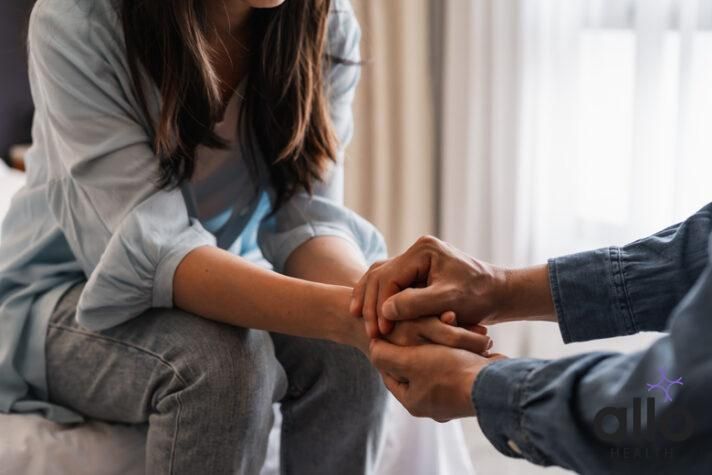
It's important to recognize that coping with sexual trauma and disorders can be an incredibly challenging and often overwhelming experience. It's okay to seek help and support from professionals or trusted individuals in your life. If you or someone you know is struggling with sexual trauma or a sexual disorder, there are resources available:
- National Sexual Assault Hotline: 1-800-656-HOPE (4673)
- Online Hotline
- RAINN (Rape, Abuse & Incest National Network)
- National Coalition for Sexual Health
Remember, seeking help is a sign of strength and a courageous step towards healing and reclaiming your well-being. Coping is a personal journey, and there is no one-size-fits-all approach. Be kind and compassionate with yourself, and don't hesitate to reach out for help and support when needed. With time, patience, and the right coping strategies, healing and growth are possible.
Disclaimer
The following blog article provides general information and insights on various topics. However, it is important to note that the information presented is not intended as professional advice in any specific field or area. The content of this blog is for general educational and informational purposes only. The content should not be interpreted as endorsement, recommendation, or guarantee of any product, service, or information mentioned. Readers are solely responsible for the decisions and actions they take based on the information provided in this blog. It is essential to exercise individual judgment, critical thinking, and personal responsibility when applying or implementing any information or suggestions discussed in the blog.
Most Asked Questions
Is it normal to experience a range of emotions when coping with sexual trauma or disorders?
Absolutely. It's completely normal and valid to experience a wide range of emotions, including anger, sadness, fear, shame, and even numbness or detachment. These experiences can trigger complex and intense emotional responses.
How do I know if my coping mechanisms are healthy or unhealthy?
Healthy coping mechanisms should ultimately help you feel more grounded, supported, and able to manage your emotions and experiences in a constructive way. Unhealthy mechanisms may provide temporary relief but lead to long-term harm or perpetuate negative patterns.
Can coping mechanisms alone be enough, or is professional help necessary?
While coping mechanisms can be incredibly helpful in managing day-to-day challenges, professional help from a therapist or counselor can provide more comprehensive support, evidence-based strategies, and guidance tailored to your specific needs and goals.
How can I support a loved one who is coping with sexual trauma or a disorder?
Offer a compassionate, non-judgmental presence, validate their experiences, and encourage them to seek professional help if needed. Respect their boundaries and healing process, and be patient, as recovery is a journey that unfolds at its own pace.
Is it possible to fully recover from sexual trauma or overcome a sexual disorder?
While the healing process can be long and challenging, it is absolutely possible to recover from sexual trauma and manage or overcome sexual disorders with the right support, resources, and commitment to self-care and personal growth.