Bowel Movements and Erectile Dysfunction: Is There a Link?
Written by Dr. Sharon Kumar

With a strong academic background in dentistry and clinical exposure, Dr. Sharon who has studied at PDM Dental College, brings a valuable blend of medical knowledge and communication skills to health content writing. She is passionate about creating clear, compassionate, and evidence-based content on topics such as general wellness, sexual health, oral care, and patient education. Her goal is to make complex medical information easy to understand, relatable, and genuinely helpful for readers seeking clarity on their health concerns. Dr. Sharon believes in the power of well-researched, empathetic content to educate and empower people to make better health decisions. Whether it’s writing about preventive care or breaking down myths in sexual wellness, her content always balances science with sensitivity.
•
July 30, 2026
Our experts continually monitor the health and wellness space, and we update our articles when new information becomes available.
Quick Read
Yes, bowel problems can cause erectile dysfunction (ED) in some men. Conditions like irritable bowel syndrome (IBS) or inflammatory bowel disease (IBD) are often linked to a higher chance of developing ED. While the exact reasons aren’t fully clear, there are a few possible causes. For one, problems in the gut can lead to serotonin imbalances, which can affect both mood and sexual health. Chronic gut issues also cause inflammation, which can make it harder for blood to flow properly, making erections difficult. On top of that, the stress, discomfort, and anxiety that come with bowel problems can make it hard to relax, which is important for sexual function. If you're dealing with both bowel issues and ED, it’s a good idea to tackle both for better overall health.
Erectile dysfunction (ED) is a common problem that many men experience, often linked to underlying health issues. If you're wondering if bowel problems can cause erectile dysfunction, the answer is yes. Conditions like constipation, stomach gas, and other digestive issues can negatively impact sexual health. Research has shown a clear connection between gut health and erectile function, with one study reporting ED rates between 37.2% and 48.6% in men with chronic bowel issues. In this article, we explore how conditions like constipation and stomach gas can contribute to ED, and offer practical tips for managing these gut problems to improve both digestion and sexual health.
The Link Between Bowel Problems and Erectile Dysfunction
- While it may seem surprising, bowel problems can lead to erectile dysfunction.
- Gut health affects many areas of the body, including sexual function.
- Our penis has many empty compartments. When a man is sexually aroused, blood flows into these empty compartments, leading to an erection.
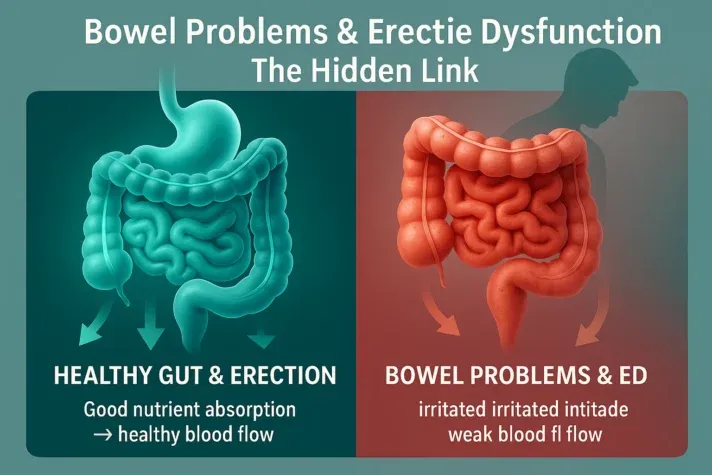
- If the digestive system does not work well, it can reduce blood flow and hormone production. It can also harm mental health. All these affect healthy erections.
Can Constipation Cause Erectile Dysfunction?
- Constipation is one of the most common bowel problems that people experience, and it can play a role in causing erectile dysfunction.
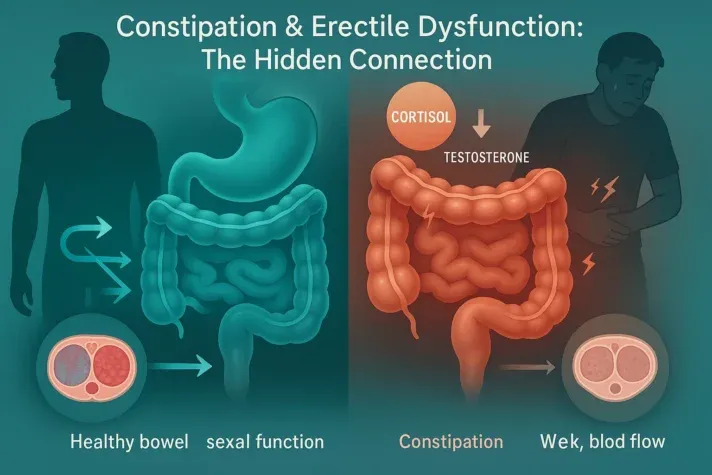
- When you are constipated, the body is under strain, and this strain can increase stress hormones like cortisol.
- Elevated cortisol can lower testosterone levels, making it harder to achieve an erection.
- In men over 30, erectile dysfunction (ED) was more common in those with chronic constipation (60.5%) compared to those without it (48.6%). Constipation was found to be an independent factor causing ED.[3]
- Also, constipation can cause discomfort and bloating, which may lead to anxiety and stress, further impacting sexual activity.
- Constant swelling (Chronic inflammation) in the digestive tract from constipation can also affect nitric oxide production, which is essential for proper blood flow in the penile tissue.[2]
Can Stomach Gas Cause Erectile Dysfunction?
- Stomach gas is another gastrointestinal issue that may contribute to erectile dysfunction.
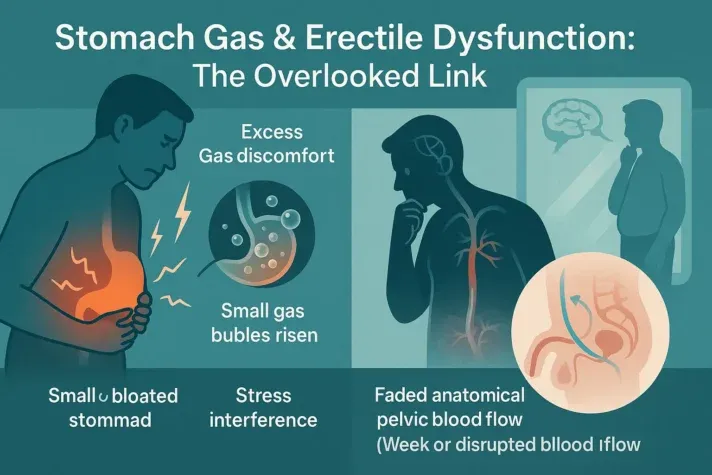
- Excess gas in the digestive system can cause bloating and discomfort, which can interfere with your ability to focus on intimacy.
- The discomfort caused by excess gas may also increase stress, leading to performance anxiety.
“Constipation and other bowel problems can be more than just uncomfortable; they can directly affect your sexual health. Stress from digestive issues can reduce blood flow and alter hormone levels, making erectile dysfunction more likely.”
- This mental distress can affect blood flow and nerve function, making it difficult to get or maintain an erection.
- Gastrointestinal symptoms like gas can also impact body image, as it makes the stomach protrude. This may lead to lower sexual confidence.[3]
How Bowel Problems Affect Circulation and Nerve Function, Leading to ED
Bowel problems, like gas or constipation, can affect your body in more ways than you might think. When you're stressed or anxious due to gut discomfort, your body enters "fight or flight" mode through the nervous system (sympathetic nervous system). This directs blood flow away from areas such as your reproductive organs and towards muscles and vital organs. This can make it harder to get an erection. Also, bowel issues can affect the nerves in your lower abdomen, which play a big role in arousal and getting an erection. The parasympathetic nervous system controls relaxation and sexual response. Digestive problems can disrupt this system. If you're constantly distracted by stomach pain or discomfort, it’s hard to relax, which is essential for sexual function. Stress, anxiety, or depression from long-term bowel problems can hurt your ability to get an erection. So yes, bowel problems can lead to erectile dysfunction, especially if the discomfort is causing a lot of mental strain or physical issues.

Allo asks
Have you ever noticed a connection between bowel problems (like gas, constipation, or stomach discomfort) and your sexual performance?
Specific Bowel Conditions and Sexual Dysfunction
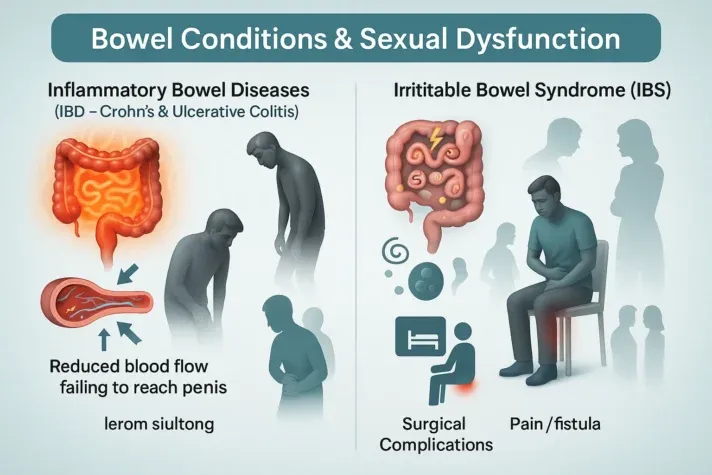
1. Inflammatory Bowel Diseases (IBD)
- Inflammatory bowel diseases like Crohn's disease and ulcerative colitis can affect your sexual health.
- They cause long-term inflammation in the body, which can make it difficult for blood to flow to the sexual organs.
- Many people with these conditions have less interest in sex and feel their quality of life is lower. Studies show that men with Crohn's disease and ulcerative colitis are more likely to have sexual problems.[4]
2. Irritable Bowel Syndrome (IBS)
- Irritable bowel syndrome (IBS) can also affect sexual health. The discomfort and stress from IBS can make it harder to feel close to your partner.
- Changes in how often you go to the bathroom and the balance of bacteria in your gut may also play a part.
3. Surgical Complications
- Men who have had rectal or pouch surgery may face physical and emotional challenges that affect their sexual health.
- Conditions like perianal fistulas, which cause pain near the anus, and pouch formation, which can change how the body functions, can make sex uncomfortable.
- These issues can also lead to emotional stress, lowering confidence, and make intimacy more difficult.[5]
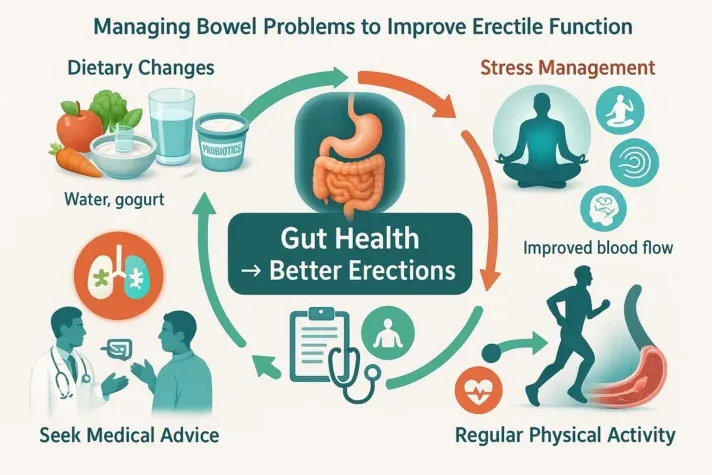
Managing Bowel Problems to Improve Erectile Function
Bowel problems can cause erectile dysfunction. Taking care of gut health can improve bowel function and sexual performance. Here are a few tips to help alleviate these conditions and reduce the risk of ED:
1. Dietary Changes for Gut Health
- Eating foods that are high in fiber
- Drinking plenty of water
- Adding probiotics to your diet
All these can help prevent constipation and reduce gas — and while temporary illness like common cold and ED can add complications, good gut habits help overall. Fermented foods like yogurt, kefir, and sauerkraut are great for boosting good bacteria in your gut, which helps with digestion and keeps your stomach healthy.[2]

2. Stress Management Techniques
Since stress affects both your gut and sexual health, it's important to find ways to manage it. Practices like:
- Meditation
- Deep breathing
- Yoga
These activities can help lower stress levels and improve both your digestion and ability to perform sexually.[2] Conditions like IBS and ED benefit especially from this.
3. Regular Physical Activity
Exercise is beneficial for digestive health and mental well-being — and is often recommended when recovering from issues like COVID-19 and ED. Regular exercise can improve blood flow. It can also help control bowel movements and lower stress hormones. These changes can improve sexual function.
4. Seek Medical Advice
If bowel problems or erectile dysfunction continue, it’s important to see a doctor and take medical advice — options like papaverine for ED may be considered. They can figure out what's causing the issue and suggest treatments to help with both your gut health and sexual health.
Conclusion
Bowel problems like constipation, stomach gas, and other digestive issues can cause erectile dysfunction. These conditions can cause physical discomfort, affect hormone levels, reduce circulation, and increase stress, all of which impact sexual health. Men can improve gut health and erectile function by living healthier, managing stress, and treating digestive problems. If symptoms persist, consulting a healthcare provider is essential to ensure the most effective treatment plan.

Disclaimer
The following blog article provides general information and insights on various topics. However, it is important to note that the information presented is not intended as professional advice in any specific field or area. The content of this blog is for general educational and informational purposes only. The content should not be interpreted as endorsement, recommendation, or guarantee of any product, service, or information mentioned. Readers are solely responsible for the decisions and actions they take based on the information provided in this blog. It is essential to exercise individual judgment, critical thinking, and personal responsibility when applying or implementing any information or suggestions discussed in the blog.
Most Asked Questions
Can a Bad Colon Cause Erectile Dysfunction?
Yes, digestive issues like constipation and IBD can impact blood flow, hormones, and mental health, leading to erectile dysfunction.
What Stomach Issues Cause Erectile Dysfunction?
Conditions like constipation, bloating, and IBS can cause discomfort, stress, and hormone imbalances, affecting erectile function.
Can Poor Gut Health Cause Erectile Dysfunction?
Yes, poor gut health can disrupt blood flow, hormones, and nerves, leading to erectile dysfunction. Mental stress from gut issues can also worsen the problem.
. How can regular exercise improve both gut health and sexual function?
Exercise enhances circulation, reduces stress, and improves hormone balance, all of which can help manage digestive problems and boost sexual performance.
Should I see a doctor if I have both bowel problems and erectile dysfunction?
Yes, if bowel problems and erectile dysfunction persist, it’s important to consult a doctor. A healthcare professional can help identify underlying causes and recommend the appropriate treatments.
Can I manage erectile dysfunction caused by bowel problems without medication?
In many cases, lifestyle changes like improving diet, reducing stress, and exercising can significantly help. However, if symptoms persist, it’s advisable to consult a doctor for medical advice and potential treatments.
Sources
- 1.
Causal effects of gut microbiota on erectile dysfunction: a two-sample Mendelian randomization study
- 2.
The Role of Gut Microbiota Dysbiosis in Erectile Dysfunction: From Pathophysiology to Treatment Strategies
- 3.
Prevalence of disturbed bowel functions and its association with disturbed bladder and sexual functions in the male population
- 4.
Association between bowel movement frequency and erectile dysfunction in patients with ulcerative colitis: a cross-sectional study
- 5.
Impact of Chronic Constipation on Lower Urinary Tract Symptoms and Uroflowmetry Parameters in Men