What is Pubic Lice (Crabs)?
Written by Anoush Gomes

Anoush Gomes is a seasoned Content Writer with over 10 years of experience, specializing in various writing styles such as medical content, creative writing, storytelling, and research papers. Anoush embarked on a unique journey, starting with pre-medical studies at the Dante Aligheri Academy and the University of Miami, where she earned a Bachelor's degree with a major in Biology and a minor in Psychology.Having pursued medical school and completed clinicals, Anoush transitioned to the world of medical content writing, where her passion for both healthcare and writing converged. Her writing skills encompass persuasive, narrative, expository, and descriptive styles, making complex medical concepts accessible to diverse audiences.Beyond her professional endeavors, Anoush is a multi-faceted individual with a rich tapestry of interests. A writer, artist, poet, avid reader, certified nerd, and hopeful author, she finds inspiration in the intersection of creativity and science.Whether crafting engaging medical narratives or weaving captivating stories, Anoush combines her diverse background and writing expertise to deliver compelling content that resonates with diverse audiences.
•
May 23, 2024
Our experts continually monitor the health and wellness space, and we update our articles when new information becomes available.
Pubic lice, commonly known as "crabs," are tiny insects that infest the pubic hair and genital area of humans. While they might not be a topic you hear about often, understanding what they are and how to deal with them is essential for maintaining personal health and hygiene. In this article, we'll delve into what pubic lice are, how they spread, symptoms to watch out for, and effective treatment options.
What Are Pubic Lice?
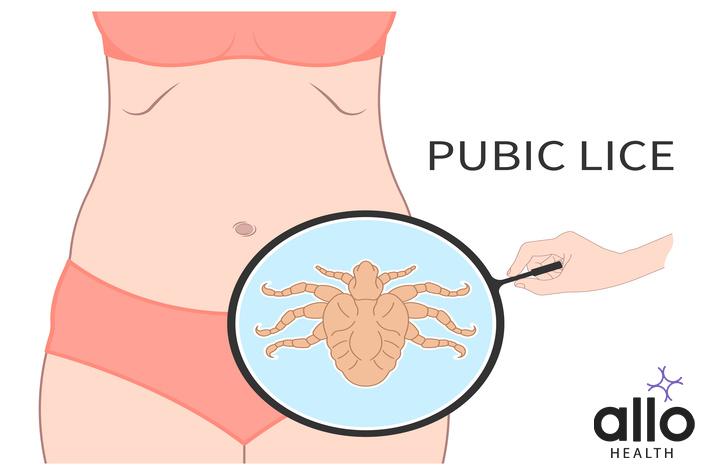
Pubic lice are parasitic insects that primarily infest the coarse hair of the pubic area. However, they can also be found in other body hair, such as armpits, chest, abdomen, and even facial hair. These lice feed on human blood, and their presence can cause itching and discomfort.
How Do Pubic Lice Spread?
Pubic lice are usually transmitted through close physical contact with an infested person. This can occur during sexual activity, but it's not the only way they spread. Sharing clothing, towels, or bedding with someone who has pubic lice can also lead to infestation. Unlike head lice, pubic lice cannot jump or fly, so direct contact is necessary for transmission.
Symptoms Of Pubic Lice Infestation
The most common symptom of pubic lice infestation is itching in the genital area. This itching is often intense and can worsen at night when the lice are most active. Other symptoms may include:
- Visible lice or their eggs (called nits) in the pubic hair.
- Blue spots or tiny blood spots on the skin caused by lice bites.
- Irritability or difficulty sleeping due to itching.
Diagnosing Pubic Lice
Diagnosing pubic lice usually involves a visual inspection of the affected area. A healthcare provider may use a magnifying glass to look for lice or their eggs. If pubic lice are found, treatment can begin immediately.
Treatment Options
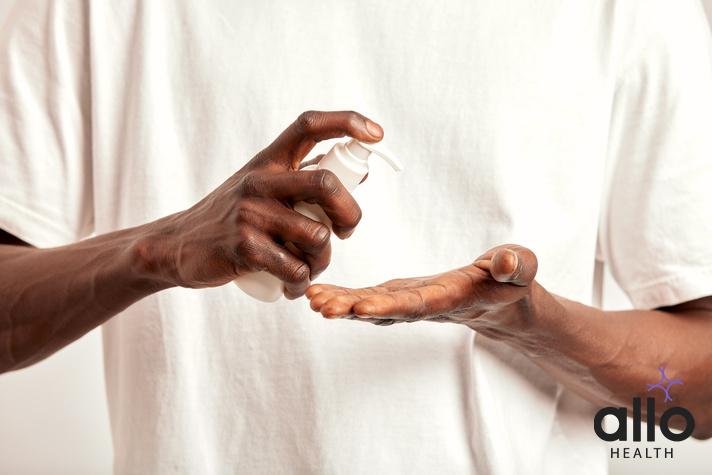
Fortunately, pubic lice infestations can be treated effectively with over-the-counter or prescription medications. These treatments usually come in the form of lotions or shampoos that kill the lice and their eggs. It's essential to follow the instructions carefully and to treat any sexual partners to prevent reinfestation. In addition to medication, thorough cleaning of clothing, bedding, and personal items is crucial to prevent the spread of pubic lice. Washing infested items in hot water and drying them on high heat can help kill any remaining lice or eggs.
Prevention Tips
While pubic lice infestations can be uncomfortable, there are steps you can take to prevent them:

- Practice safe sex by using condoms and limiting your number of sexual partners.
- Avoid sharing clothing, towels, or bedding with others, especially if they have pubic lice.
- Perform regular checks of your pubic hair and genital area for signs of infestation.
Pubic lice, or crabs, are parasitic insects that infest the pubic hair and genital area. They spread through close physical contact and can cause itching and discomfort. However, with proper treatment and preventive measures, pubic lice infestations can be effectively managed. If you suspect you have pubic lice, don't hesitate to consult a healthcare provider for diagnosis and treatment. Remember, maintaining good personal hygiene is key to preventing the spread of pubic lice and other sexually transmitted infections.
Disclaimer
The following blog article provides general information and insights on various topics. However, it is important to note that the information presented is not intended as professional advice in any specific field or area. The content of this blog is for general educational and informational purposes only. The content should not be interpreted as endorsement, recommendation, or guarantee of any product, service, or information mentioned. Readers are solely responsible for the decisions and actions they take based on the information provided in this blog. It is essential to exercise individual judgment, critical thinking, and personal responsibility when applying or implementing any information or suggestions discussed in the blog.
Most Asked Questions
What are pubic lice (crabs)?
Pubic lice, often called crabs, are tiny insects that infest the coarse hair of the pubic area. They are parasitic and feed on blood. While they are most commonly found in pubic hair, they can also infest other coarse body hair, such as chest hair, armpits, and even eyebrows and eyelashes.
How do you get pubic lice?
Pubic lice are usually spread through sexual contact, but they can also be transmitted through close personal contact or by sharing infested clothing, towels, or bedding. Unlike other types of lice, pubic lice cannot jump or fly, so direct physical contact is typically required for transmission.
What are the symptoms of pubic lice infestation?
The most common symptoms of pubic lice infestation include intense itching in the pubic area, visible lice or their eggs (nits) in the hair, and small blue spots or tiny specks of blood on the skin or underwear. In some cases, individuals may also experience secondary bacterial infections due to scratching.
How are pubic lice treated?
Pubic lice infestations can usually be treated with over-the-counter or prescription medicated lotions or shampoos specifically designed to kill lice and their eggs. It's essential to follow the instructions carefully and to treat any affected individuals and their close contacts simultaneously to prevent reinfestation. Additionally, thoroughly washing and drying infested clothing, bedding, and towels on high heat can help eliminate lice and nits.
How can pubic lice infestations be prevented?
To reduce the risk of pubic lice infestation, it's essential to practice safe sex by using condoms and avoiding intimate contact with individuals who may be infested. Additionally, refraining from sharing clothing, towels, or bedding with someone who has pubic lice can help prevent transmission. Regularly washing and grooming the pubic area may also reduce the likelihood of infestation. If you suspect you have been exposed to pubic lice or are experiencing symptoms of infestation, it's essential to seek medical advice for diagnosis and treatment.