Gynecological Disorders : Impact on Sexual Health
Written by Aditi Mallick

Aditi, a dynamic individual with a background in Chemistry, initially embarked on her professional journey as an Associate Content Developer at Byju's. Transitioning from an academic content reviewer to a creative force in the content creation team, she demonstrated prowess in crafting SEO-driven academic content, impactful presentations, and video reviews. Seeking new challenges, Aditi redirected her career towards professional content and copywriting, joining MyCaptain. Along this transformative path, she mastered design skills using software like Photoshop and Illustrator, creating visually striking posts for various brands and websites. Today, Aditi stands as a seasoned Medical writer, seamlessly transitioning from her roots as an academic writer. Join her on this exciting journey as she shares insights and expertise in content creation and medical writing.
•
July 30, 2026
Our experts continually monitor the health and wellness space, and we update our articles when new information becomes available.
Gynecological Disorders : Impact on Sexual Health
Gynecological disorders encompass a wide range of conditions affecting the female reproductive system, including the uterus, ovaries, fallopian tubes, and vagina. These disorders can significantly impact a woman's sexual health, causing discomfort, pain, and emotional distress. Understanding the interplay between these disorders and sexual health is crucial for improving the quality of life for affected women.
Common Gynecological Disorders and Their Impact on Sexual Health
- Endometriosis: Endometriosis is a chronic condition where tissue similar to the lining of the uterus grows outside the uterine cavity. This tissue can adhere to the ovaries, fallopian tubes, and other pelvic organs, causing inflammation, pain, and scarring. Endometriosis can lead to painful intercourse (dyspareunia), which can severely affect sexual desire and satisfaction. Women with endometriosis may also experience fatigue, depression, and anxiety, further impacting their sexual health.
- Polycystic Ovary Syndrome (PCOS):
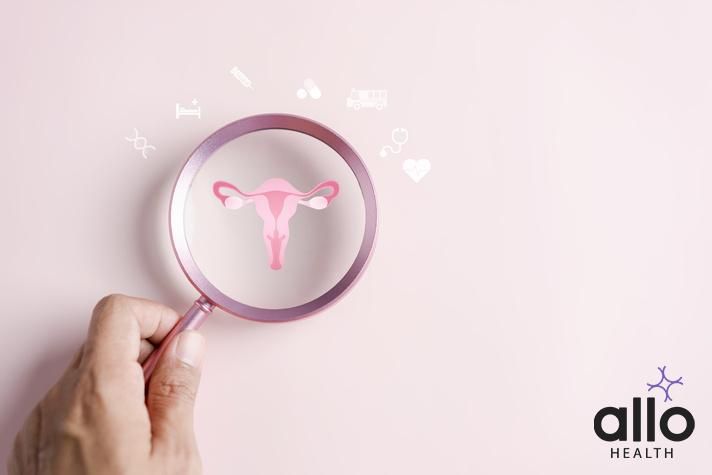
Psychological Impact of Gynecological Disorders on Sexual Health
The psychological impact of gynecological disorders on sexual health cannot be underestimated. Many women with these conditions experience anxiety, depression, and a decrease in self-esteem due to the physical symptoms and their effects on sexual function. The chronic nature of these disorders can lead to feelings of frustration, hopelessness, and isolation. Sexual health is closely linked to emotional well-being. When a woman is experiencing pain, discomfort, or self-consciousness due to a gynecological disorder, her sexual desire and satisfaction can be significantly affected. The fear of pain during intercourse worries about fertility, and concerns about physical appearance can all contribute to sexual dysfunction.
Coping Strategies and Treatment Options
- Medical Treatment: Many gynecological disorders can be managed with medical treatment, which can help alleviate symptoms and improve sexual health. Hormonal therapies, pain relief medications, and antibiotics (for infections) are commonly used to treat these conditions. In some cases, surgical interventions such as laparoscopy, hysterectomy, or myomectomy may be necessary to remove or manage problematic tissue.
- Psychological Support: Psychological support is essential for women dealing with the emotional impact of gynecological disorders. Counseling, therapy, and support groups can provide a safe space for women to express their feelings, learn coping strategies, and connect with others facing similar challenges. Cognitive-behavioral therapy (CBT) and sex therapy can be particularly beneficial for addressing anxiety, depression, and sexual dysfunction.
- Lifestyle Changes: Adopting a healthy lifestyle can help manage the symptoms of gynecological disorders and improve overall well-being. Regular exercise, a balanced diet, and stress management techniques such as yoga and meditation can have positive effects on both physical and mental health. Maintaining a healthy weight can also help regulate hormonal levels and reduce symptoms associated with conditions like PCOS.
- Pelvic Floor Physical Therapy: Pelvic floor physical therapy can be effective for conditions like vulvodynia and chronic pelvic pain. Physical therapists specialized in pelvic health can teach exercises and techniques to strengthen and relax the pelvic floor muscles, reduce pain, and improve sexual function.
- Open Communication: Open communication with a partner is crucial for maintaining a healthy sexual relationship. Women with gynecological disorders should feel comfortable discussing their symptoms, fears, and needs with their partners. This can help build understanding, reduce anxiety, and create a supportive environment for addressing sexual health issues.
Gynecological disorders can have a profound impact on a woman's sexual health, affecting physical comfort, emotional well-being, and intimate relationships. Understanding the connection between these disorders and sexual health is essential for providing comprehensive care and support. By addressing both the physical and psychological aspects of gynecological disorders, women can find relief from symptoms and improve their quality of life. With proper treatment, support, and open communication, women can navigate the challenges posed by gynecological disorders and maintain a fulfilling and healthy sexual life.

Disclaimer
The following blog article provides general information and insights on various topics. However, it is important to note that the information presented is not intended as professional advice in any specific field or area. The content of this blog is for general educational and informational purposes only. The content should not be interpreted as endorsement, recommendation, or guarantee of any product, service, or information mentioned. Readers are solely responsible for the decisions and actions they take based on the information provided in this blog. It is essential to exercise individual judgment, critical thinking, and personal responsibility when applying or implementing any information or suggestions discussed in the blog.
Most Asked Questions
How do gynecological disorders affect sexual health?
Gynecological disorders, such as endometriosis, fibroids, and polycystic ovary syndrome (PCOS), can cause pain, discomfort, and hormonal imbalances, leading to decreased libido and painful intercourse. These conditions may also impact emotional well-being, further affecting sexual health and intimate relationships.
Can gynecological disorders be treated to improve sexual health?
Yes, many gynecological disorders can be managed or treated to improve sexual health. Treatment options include medications, hormonal therapies, lifestyle changes, and surgical interventions. Consulting with a healthcare provider to develop a personalized treatment plan is essential for alleviating symptoms and enhancing sexual well-being.
What are the common symptoms of gynecological disorders that might affect sexual health?
Common symptoms include pelvic pain, irregular menstrual cycles, heavy bleeding, vaginal dryness, and pain during intercourse. Additionally, hormonal imbalances can lead to mood swings, fatigue, and decreased libido, all of which can negatively impact sexual health.
Are there any support resources available for individuals dealing with gynecological disorders and their impact on sexual health?
Yes, various resources are available, including support groups, counseling services, and educational materials. Healthcare providers can offer referrals to specialists, therapists, or support groups. Online communities and organizations dedicated to gynecological health also provide valuable information and support for individuals and their partners.