Postpartum Sexual Health
Written by Aditi Mallick

Aditi, a dynamic individual with a background in Chemistry, initially embarked on her professional journey as an Associate Content Developer at Byju's. Transitioning from an academic content reviewer to a creative force in the content creation team, she demonstrated prowess in crafting SEO-driven academic content, impactful presentations, and video reviews. Seeking new challenges, Aditi redirected her career towards professional content and copywriting, joining MyCaptain. Along this transformative path, she mastered design skills using software like Photoshop and Illustrator, creating visually striking posts for various brands and websites. Today, Aditi stands as a seasoned Medical writer, seamlessly transitioning from her roots as an academic writer. Join her on this exciting journey as she shares insights and expertise in content creation and medical writing.
•
July 30, 2026
Our experts continually monitor the health and wellness space, and we update our articles when new information becomes available.

Postpartum Sexual Health : Navigating the Changes and Finding Support
Becoming a parent is a transformative experience, filled with joy, challenges, and significant changes. One aspect of life that can be deeply affected by the arrival of a new baby is sexual health. Postpartum sexual health is a complex topic that encompasses physical, emotional, and psychological changes. Understanding these changes and knowing how to address them is crucial for new parents navigating this new phase of life.
Physical Changes After Childbirth
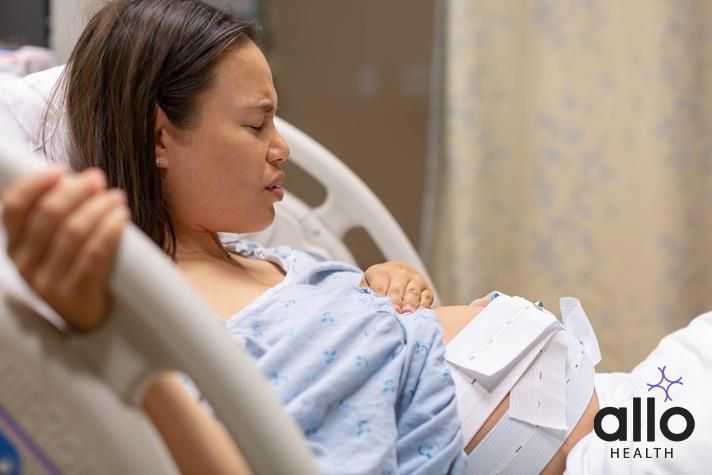
- Vaginal Changes: After a vaginal delivery, it's common to experience soreness, swelling, and sometimes tearing. The healing process can take several weeks, and during this time, sexual intercourse might be uncomfortable or even painful. The vagina may also feel different due to stretching and potential episiotomies or tears.
- Hormonal Fluctuations: Hormonal changes after childbirth can affect sexual desire and function. Levels of estrogen and progesterone drop significantly, which can lead to vaginal dryness, decreased libido, and mood swings. These hormonal shifts can also affect the natural lubrication of the vagina, making sex uncomfortable.
- Pelvic Floor Muscles: Pregnancy and childbirth can weaken the pelvic floor muscles, which support the bladder, uterus, and bowel. A weakened pelvic floor can lead to issues like urinary incontinence and decreased sexual sensation. Strengthening these muscles through exercises like Kegels can improve sexual health and overall pelvic function.
- Breastfeeding: Breastfeeding can also impact sexual health. The hormone prolactin, which is responsible for milk production, can suppress libido. Additionally, breastfeeding can cause nipple sensitivity and dryness due to reduced estrogen levels.
Emotional and Psychological Factors
The postpartum period is not only about physical recovery but also about adjusting to the new role of being a parent. This transition can bring about a range of emotions that can influence sexual health.
- Body Image: Pregnancy and childbirth bring significant changes to a woman’s body, and it’s common to feel self-conscious about these changes. Stretch marks, weight gain, and changes in breast size can affect body image and sexual confidence.
- Mental Health: Postpartum depression and anxiety are prevalent among new mothers and can have a profound impact on sexual health. Feelings of sadness, exhaustion, and overwhelm can decrease sexual desire and make intimacy challenging.
- Relationship Dynamics: The arrival of a baby can alter the dynamics of a relationship. New parents often face increased stress and fatigue, which can lead to decreased intimacy and communication. Finding time and energy for sex can be difficult when balancing the demands of a newborn.
Tips for Navigating Postpartum Sexual Health
Understanding and addressing the changes in postpartum sexual health can help new parents maintain a healthy and fulfilling intimate life.
- Communicate Openly: Open communication with your partner about your feelings, concerns, and desires is essential. Sharing your experiences and listening to each other can strengthen your emotional connection and improve your sexual relationship.
- Take It Slow: There’s no set timeline for resuming sexual activity after childbirth. It’s important to wait until you feel physically and emotionally ready. For some, this might be a few weeks; for others, it could be several months. Listen to your body and don’t rush the process.
- Use Lubrication: Vaginal dryness is common postpartum, especially if you’re breastfeeding. Using a water-based lubricant can help reduce discomfort during sex.
- Practice Self-Care: Taking care of your physical and mental health is crucial. Make time for activities that make you feel good, whether it’s exercising, spending time with friends, or enjoying a hobby. Self-care can boost your mood and overall well-being, which can positively impact your sexual health.
- Strengthen Your Pelvic Floor: Pelvic floor exercises, such as Kegels, can improve muscle tone and sexual sensation. These exercises can be done discreetly and help with issues like incontinence and vaginal tightness.
- Seek Professional Help: If you’re struggling with postpartum depression, anxiety, or persistent physical issues, don’t hesitate to seek help from a healthcare professional. Therapy, counseling, and medical treatments can provide valuable support and improve your quality of life.
Resources and Support
Accessing the right resources and support can make a significant difference in navigating postpartum sexual health.
- Healthcare Providers:

Postpartum sexual health is a multifaceted aspect of the postpartum experience. The physical, emotional, and psychological changes that accompany the arrival of a new baby can impact sexual desire and function. Understanding these changes and knowing how to address them is essential for maintaining a healthy and fulfilling intimate life. By communicating openly with your partner, practicing self-care, and seeking professional support when needed, you can navigate the challenges of postpartum sexual health and find a new sense of balance and intimacy.

Disclaimer
The following blog article provides general information and insights on various topics. However, it is important to note that the information presented is not intended as professional advice in any specific field or area. The content of this blog is for general educational and informational purposes only. The content should not be interpreted as endorsement, recommendation, or guarantee of any product, service, or information mentioned. Readers are solely responsible for the decisions and actions they take based on the information provided in this blog. It is essential to exercise individual judgment, critical thinking, and personal responsibility when applying or implementing any information or suggestions discussed in the blog.
Most Asked Questions
When can I resume sexual activity after giving birth?
Most healthcare providers recommend waiting at least six weeks postpartum before resuming sexual activity. This period allows time for your body to heal from childbirth. However, it's crucial to consult with your doctor to ensure that you're physically and emotionally ready.
What are common sexual health concerns after childbirth?
Postpartum women often experience concerns such as vaginal dryness, decreased libido, pain during intercourse, and changes in body image. Hormonal fluctuations, fatigue, and the demands of caring for a newborn can also impact sexual desire and comfort.
How can I address vaginal dryness postpartum?
Vaginal dryness is common due to decreased estrogen levels after childbirth, especially if you're breastfeeding. Using water-based lubricants during intercourse can help alleviate discomfort. Staying hydrated and discussing hormone therapy options with your healthcare provider may also be beneficial.
What can I do if sex is painful after giving birth?
Painful intercourse, known as dyspareunia, can result from vaginal tears, episiotomy, or cesarean section scars. To reduce pain, ensure proper lubrication, engage in gentle and slow sexual activity, and try different positions that might be more comfortable. Pelvic floor exercises and consulting a pelvic floor therapist can also help improve muscle tone and reduce pain.
How can I improve my sexual desire after having a baby?
It's normal for sexual desire to fluctuate postpartum. To improve libido, focus on self-care, maintain open communication with your partner, and create intimate moments that don't necessarily involve sex. If low libido persists, consider talking to a healthcare provider or a sex therapist to explore potential underlying issues and solutions.