Kidney Disease and Erectile Dysfunction: Link and Effects on Sexual Health
Written by Dr. Pranitha Bangera

Dr. Pranitha Bangera is a gold-medalist healthcare professional with an elite foundation in clinical training and patient care. A researcher at heart, she specializes in creating high-impact, research-driven medical content that empowers readers through accessible patient education. Dr. Bangera focuses on the intersection of digital health and clinical communication, specifically within the fields of sexual health and mental well-being. Her work is dedicated to making complex medical innovations understandable and trustworthy for a global audience.
•
July 30, 2026
Our experts continually monitor the health and wellness space, and we update our articles when new information becomes available.
Quick Read
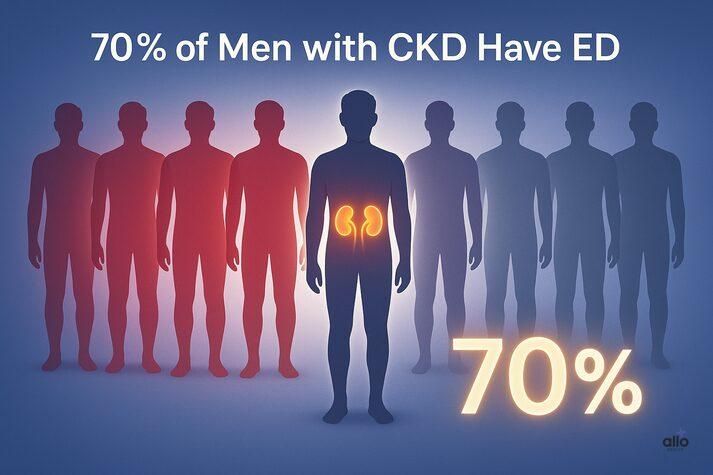
Kidney disease causes erectile dysfunction by disrupting several key systems that control sexual function. When the kidneys weaken, they can’t properly regulate hormones, blood pressure, and toxin removal, all of which are vital for erections. This leads to low testosterone, poor blood flow, and nerve damage. Toxin buildup and chronic fatigue further reduce energy and desire, while emotional stress adds to the problem. Together, these changes explain why almost 70% of men with chronic kidney disease experience some level of ED.
Erectile dysfunction (ED) is one of the most common yet overlooked complications of kidney disease. Your kidneys do much more than just filter waste. They play a vital role in controlling blood pressure, keeping fluid levels balanced, producing red blood cells, and regulating important hormones. All of these functions are closely tied to healthy erections. When the kidneys don’t work properly, it throws these systems off balance, and that disruption can directly affect normal erectile function. This article explains how kidney damage leads to ED, what factors make it worse, and how men can manage both sexual dysfunction and kidney health.

Allo asks
Have kidney problems affected your sexual health?
Can Kidney Problems Cause Erectile Dysfunction?
Yes, kidney problems can cause erectile dysfunction. Healthy erections rely on good blood flow, balanced hormones, healthy nerves, and a strong mind-body connection. Kidney disease interferes with all of these, as the kidneys are responsible for regulating most of these systems. Studies on erectile dysfunction prevalence show that:
- Nearly 70% of men with chronic renal failure or end-stage renal disease (ESRD) experience ED. [1]
- Rates increase with advanced CKD stages and are highest in men on renal replacement therapy like dialysis. [2]
How Does Kidney Disease Cause Erectile Dysfunction?
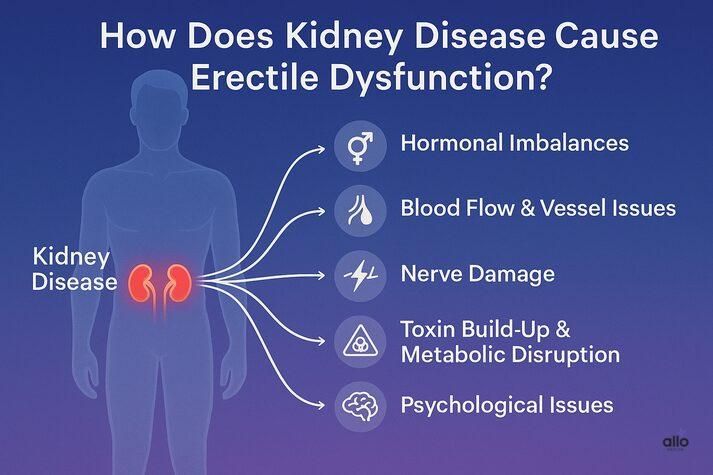
When the kidneys start to fail, they disrupt many of the systems that erections depend on, at once — compounding issues similarly seen in Peyronie's disease and ED. Chronic Kidney Disease can cause:
- Hormonal Imbalances
- Blood Flow and Blood Vessel Issues
- Nerve Damage
- Toxin Build-Up And Metabolic Disruption
- Psychological Issues
Let’s look at each of these in detail.
1. Hormonal Imbalances
Your kidneys are connected to your body's endocrine system, which is a network of glands that secrete hormones — the same hormonal axis disrupted by age and erectile dysfunction. These hormones control everything, from growth to energy to sex drive. When kidney function declines, this hormonal balance is disrupted. The hormones affected are:

1. Testosterone
Normally, the brain sends signals through luteinizing hormone (LH) to the testes, telling them to make testosterone, the male hormone that drives libido and erections. In chronic kidney disease, this signaling system (the HPG axis) is disrupted, so the testes don’t respond properly, leading to testosterone deficiency. [3]
2. Prolactin
This hormone is usually associated with breast milk production in women and often rises in men with CKD. [4]
3. Parathyroid hormone (PTH)
This hormone helps regulate calcium and bone health and can also rise in kidney disease. [5]
4. Vitamin D
This hormone is deficient in kidney patients because the kidneys activate vitamin D. [6] When this imbalance occurs, men develop what doctors call uremic hypogonadism. This is a fancy way of saying the testes aren’t producing enough sex hormones because the kidneys aren’t working properly. For men, this means:

- Lower sexual desire (low libido)
- Difficulty getting or keeping erections
- Weaker erections when they do occur
- Loss of morning erections
- Reduced energy and mood changes
2. Blood Flow and Blood Vessel Issues
An erection mainly depends on good blood flow and healthy blood vessels. Kidney disease can cause many problems:
- It raises blood pressure, which damages delicate vessels.
- It damages the endothelial cells (cells that form the inner lining of blood vessels). These cells release nitric oxide (NO), a chemical messenger that tells blood vessels to relax and widen so blood can flow freely. When the cells are injured, they release less NO. As a result, the vessels stay tight, limiting the amount of blood that can reach the penis. [7]
- It reduces endothelial progenitor cells (cells that repair the endothelium). This means the vessels can’t heal properly. [8]
- It also causes blood to leak out of the penile chambers. Leaky vessels mean blood won’t stay in the penis long enough to get a firm erection.
3. Nerve Damage
Getting an erection also requires a steady stream of messages traveling from the brain to the penis. If the nerves that carry these messages are damaged, the signals don’t reach the penis properly. [1]
- Toxins from CKD harm the autonomic nervous system and disrupt the signals that tell your body to “relax”. This signal is essential to get blood to flow into the penis.
- They can also damage the cavernous nerves, which are specific nerves that run directly to the penis that control the release of nitric oxide.
- If diabetes is also present( a major cause of kidney disease), it can cause peripheral nerve damage. This means damage to small nerves in areas like the hands, feet, and the penis.
4. Toxin Build-Up And Metabolic Disruption
When your kidneys are healthy, they act like the body’s filter and constantly remove waste products and balance minerals. But in kidney disease, this system breaks down, resulting in a “toxic internal environment” that affects organs responsible for sexual function.
1. Toxic Waste Accumulation (Uremia)
In chronic kidney disease (CKD), the toxins aren't removed properly and start to build up in the blood, a condition called uremia — which damages blood vessels in ways similar to arteriogenic erectile dysfunction. These toxins:
- Interfere with normal cell function
- Disrupt the chemical messengers that allow brain signals to reach the penis
- Directly harm the sexual organs. Long-term toxin buildup can damage tissues in the testes and penis.
2. Metabolic Imbalances
Beyond waste buildup, kidney disease causes chemical disturbances in the body:
- Failing kidneys produce less erythropoietin, the hormone that helps make red blood cells, resulting in a condition called anemia. This condition can cause chronic fatigue and low energy levels.
- Abnormal levels of sodium, potassium, and calcium affect nerves and muscles. Since erections rely on muscle and nerve responses, this imbalance disrupts sexual performance.
- Healthy kidneys balance acids and bases in the blood. In CKD, acid builds up (metabolic acidosis), which can damage tissues, worsen fatigue, and lower sexual desire.
5. Psychological Aspects
Kidney disease doesn’t just affect the body but also takes a huge toll on the mind and emotions. The psychological aspects of dealing with a chronic illness can cause ED.
- Managing kidney disease often means regular doctor visits, dialysis sessions, or even waiting for a transplant. This constant stress can be exhausting.
- Anxiety builds up when men worry about their health, future, or performance in the bedroom.
- Depression is also common because chronic illness can make people feel like they’ve lost control over their lives.
- Because erections may be weak or short-lived, some men unconsciously develop coping mechanisms such as premature ejaculation (finishing quickly before the erection fades) or avoiding sexual intimacy altogether.
Additional Causes of ED in Men With Kidney Disease
Kidney disease on its own can cause erectile dysfunction, but most men with chronic kidney disease (CKD) also deal with other health conditions, medications, or treatments that make the problem even worse. This explains why ED is so common in men with kidney problems.
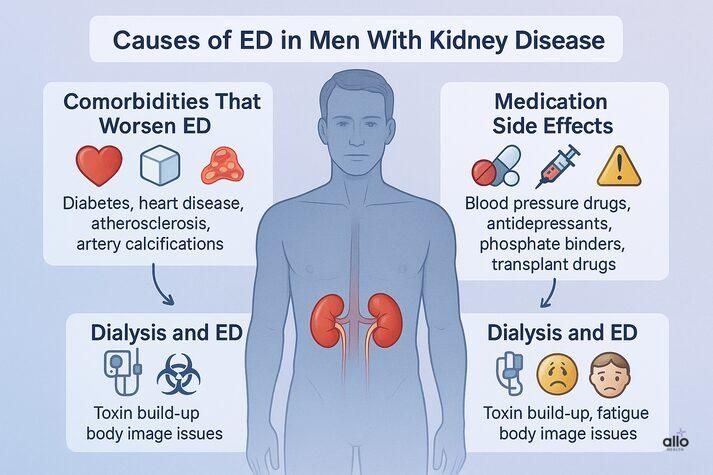
1. Comorbidities That Worsen ED
Many men living with chronic kidney disease (CKD) also face other long-term health problems, and these make erectile dysfunction even more likely. Some of these conditions are:
- Diabetes mellitus
- Cardiovascular disease
- Atherosclerosis
- Coronary artery calcifications
2. Medication Side Effects
Drugs used for kidney and heart conditions often worsen ED:
- Diuretics, beta-blockers, and calcium channel blockers (for blood pressure).
- Selective serotonin reuptake inhibitors (SSRIs) and tricyclic antidepressants (TCAs) (for depression).
- Phosphate binders (for CKD mineral balance).
- Immunosuppressive drugs in kidney transplant recipients.
- Histamine antagonists and digoxin (for heart disease).
3. Dialysis and ED
For men with end-stage renal disease (ESRD), dialysis is often the only way to survive once the kidneys can no longer filter blood on their own. While dialysis saves lives by removing waste and balancing fluids, it doesn’t completely solve the sexual problems caused by kidney failure. In fact, many men notice that their erectile dysfunction (ED) either continues or worsens while on dialysis. This may be because of:
- Toxin Build-Up: Dialysis helps remove waste products from the blood, but it cannot clear everything. These leftover toxins continue to interfere with different systems.. Research shows that men who receive adequate dialysis tend to report better sexual outcomes.
- Fatigue: Dialysis is physically draining. Many men report feeling exhausted after sessions, leaving little energy for sexual activity.
- Body Image Concerns: Dialysis often requires catheters, fistulas, or surgical scars. For some men, these visible reminders of illness lower self-esteem and make them feel less attractive, which reduces sexual desire and confidence.
Can a Kidney Transplant Improve Erectile Dysfunction?
Kidney transplantation (or renal transplantation) often improves ED rates. ED prevalence dropped from 75% pre-transplant to about 59% after transplant. [9] But challenges remain:
- Hormonal changes may persist.
- Medications like immunosuppressants can still affect erections.
- Underlying conditions (diabetes, high blood pressure, vascular health) continue to play a role.
So while a transplant may help, it’s not a guaranteed cure.
Treatment Options for ED Due To Kidney Disease
The good news is that while kidney disease and ED often go hand in hand, there are effective ways to manage both — including lifestyle approaches like fasting and erectile dysfunction management. Treatment usually works best when it tackles the problem from multiple angles. Here’s a look at the main options men can consider with their doctors.
Medical Approaches
- PDE5 inhibitors (Viagra, Cialis): Effective but need careful dosing in CKD.
- Testosterone therapy for men with low levels.
- Vacuum devices or penile injections for resistant cases.
Lifestyle Changes
- Follow a kidney-friendly diet, exercise regularly, and avoid smoking and alcohol.
- Manage stress with counseling or sex therapy.
Monitoring Kidney Health
- Regular tests (creatinine, eGFR, albumin-to-creatinine ratio, uric acid) help track kidney function and guide safe treatment.
Open conversations are important. If kidney disease or dialysis is affecting your sex life, bring it up with your doctor.
Conclusion
Erectile dysfunction is a common yet under-discussed complication of kidney disease. Hormonal imbalances, damaged blood vessels, nerve injury, toxin build-up, fatigue, and the emotional toll of living with CKD all combine to affect sexual function. Other conditions like diabetes, cardiovascular disease, and high cholesterol, along with certain medications and even dialysis, make the challenge even greater. The positive news is that ED in men with kidney disease is not untreatable. From medical therapies to lifestyle changes, many approaches can improve both kidney health and sexual well-being. Regular monitoring of kidney function and open communication with healthcare providers are essential for creating safe and effective treatment plans. For men facing this double challenge, the key message is: you are not alone, and help is available. With the right medical support, lifestyle adjustments, and emotional care, it’s possible to protect your kidneys, improve erectile function, and reclaim confidence in your sexual health.

Disclaimer
The following blog article provides general information and insights on various topics. However, it is important to note that the information presented is not intended as professional advice in any specific field or area. The content of this blog is for general educational and informational purposes only. The content should not be interpreted as endorsement, recommendation, or guarantee of any product, service, or information mentioned. Readers are solely responsible for the decisions and actions they take based on the information provided in this blog. It is essential to exercise individual judgment, critical thinking, and personal responsibility when applying or implementing any information or suggestions discussed in the blog.
Most Asked Questions
Can kidney disease cause erectile dysfunction?
Yes. Studies show that nearly 70% of men with chronic kidney disease experience erectile dysfunction. Kidney disease affects blood flow, hormones, nerves, and overall energy, all essential for normal sexual function.
Is erectile dysfunction common in men on dialysis?
Yes. ED is very common in men receiving dialysis, since it can cause fatigue, anemia, and body image issues. Adequate dialysis may help.
Will a kidney transplant cure erectile dysfunction?
A kidney transplant may improve erections for many men, but it isn’t always a complete cure. Even after a transplant, up to 59% of men still have ED due to hormonal changes, medications, or ongoing vascular issues.
Do medications for kidney disease make ED worse?
Some medications can contribute to ED — especially diuretics, beta-blockers, antidepressants (SSRIs, TCAs), phosphate binders, and immunosuppressants. Never stop medicines on your own; ask your doctor about alternatives.
Is ED from kidney disease permanent?
Not always. Depending on the stage of kidney disease, ED may improve with treatment such as medication, lifestyle changes, or a kidney transplant. The key is early intervention and medical guidance.
Sources
- 1.
Erectile dysfunction in chronic kidney disease: From pathophysiology to management
- 2.
Male Sexual Dysfunction and Chronic Kidney Disease
- 3.
Testosterone deficiency and chronic kidney disease
- 4.
Prolactin and Other Pituitary Disorders in Kidney Disease
- 5.
Hyperparathyroidism in Chronic Kidney Disease
- 6.
Vitamin D and Chronic Kidney Disease
- 7.
Endothelial Dysfunction in Chronic Kidney Disease
- 8.
Endothelial Progenitor Cells
- 9.
Erectile Dysfunction in Renal Transplant Patient