Best Foods for Impotence: Indian Diet Tips for Better Erections
Medically reviewed by Dr. Sandip Deshpande

Dr Sandip completed his training in Psychiatry and sexual medicine in the UK. A post-graduate in Psychiatry from KMC Manipal, he worked in the UK for over 8 years following a one-year research post at NIMHANS, Bangalore. With an interest in the fields of sexual health and functioning, he has authored articles in books and peer-reviewed journals. A recipient of the student of the year award by BSART in 2010, he is currently a consultant psychiatrist and sexual and relationship therapist with a belief in a holistic and psychotherapeutic approach to treating psychological distress.
•
Written by Dr. Deepali Anand

Dr. Deepali is a medical writer and healthcare professional with a background in clinical surgery and patient care. Having transitioned from active clinical practice to medical communications, she specializes in bridging the gap between complex clinical data and patient education. Dr. Deepali is dedicated to creating evidence-based content that is grounded in scientific rigor and empathy, ensuring that sensitive topics like sexual wellness and mental health are accessible and empowering for every reader.
•
July 30, 2026
Our experts continually monitor the health and wellness space, and we update our articles when new information becomes available.

Quick Read
Eating the right foods for erectile dysfunction can help improve blood flow, reduce inflammation, and support nitric oxide production, which are all key for stronger erections. The best options include leafy greens, beetroot, tomatoes, watermelon, berries, nuts, garlic, eggs, and fatty fish , along with Indian staples like moringa and makhana. These foods can support erections, but they’re not a cure, especially if ED is frequent, sudden, or linked to diabetes, blood pressure, stress, or low testosterone. Limiting fried foods, excess sugar, alcohol, and late-night heavy meals can also make a big difference. For long-term results, combine diet with better sleep, exercise, and stress control, and see a doctor if symptoms persist.
Looking for the best foods for impotence? You’re in the right place. While food isn’t a replacement for medical treatment, the right diet can play a powerful supporting role. That’s because many cases of erectile dysfunction are tied to poor blood flow, inflammation, or hormone imbalance, all things that certain foods can help improve.
Food can support erections, but if ED is frequent or sudden, it’s worth checking blood sugar, blood pressure, testosterone, and stress levels too.
In this article, we’ll discover specific, science-backed foods for better erections, how they work in the body, and simple tips to add them to your daily routine.
How Food Affects Erectile Function
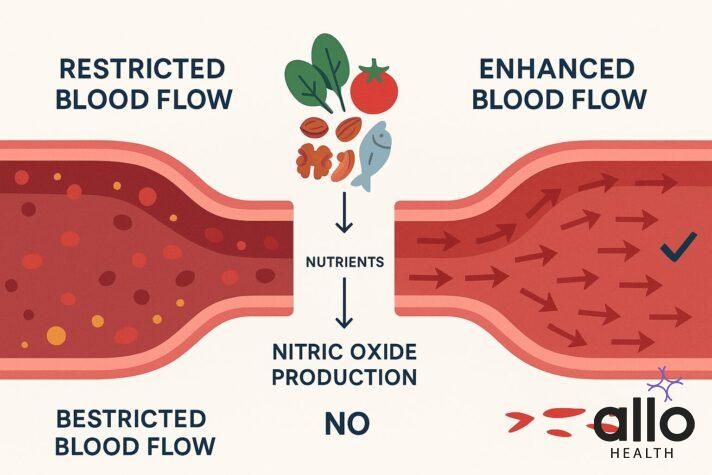
Erectile dysfunction can have many causes, but, it’s often linked poor blood flow to the penis. This can result from health conditions, lifestyle habits, or aging, but the good news is, your diet can make a difference. Many foods that support heart health also benefit sexual function and testosterone levels. They help by:
- Improving blood flow
- Reducing inflammation
- Boosting the production of nitric oxide (NO)- a key chemical that relaxes blood vessels so blood can flow easily
The foods for better erections are usually the same foods that protect the heart: rich in nitrates, flavonoids, antioxidants, and healthy fats[1] — combining diet with ED treatment gives the best outcomes. These foods for erectile dysfunction help keep blood vessels healthy, supporting both your heart and your erections, and your sexual health.

According to Allo Health’s internal clinical data, nearly 1 in 2 men who visited our clinics for sexual health concerns were found to have erectile dysfunction, based on insights from over 2.5 lakh patient consultations.
Top 15 Foods That May Help with Erectile Dysfunction
1. Leafy Greens and Nitrate-Rich Vegetables
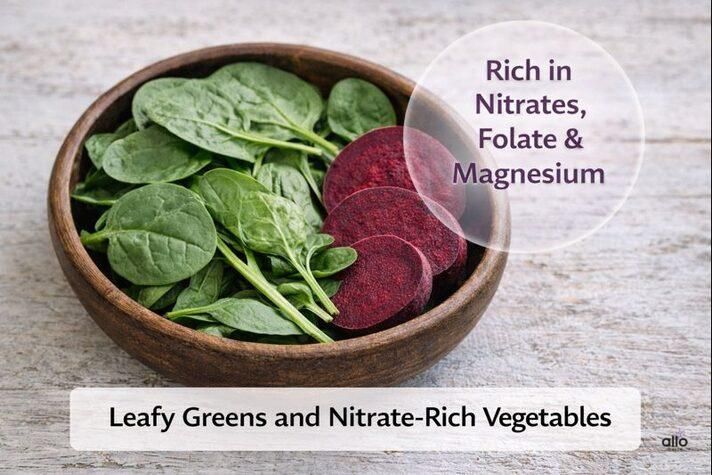
These green powerhouses, like spinach (palak), kale (karam saag), arugula (jarjeer), and methi leaves (fenugreek greens), are rich in nitrates — similar dietary principles inform the paleo diet and ED approach to sexual health. Nitrates get converted to nitric oxide in the body, which helps blood vessels relax and boosts blood flow to the penis.
Spinach is particularly beneficial for ED, as it's rich in folate(a nutrient whose deficiency has been linked to erectile dysfunction )[2] and magnesium whcih helps with ED by increasing blood flow.
Beetroot is rich in nitrates, which may help improve blood flow and support stronger erections[3].

How much: Aim for 1-2 cups of leafy greens daily. In Indian cooking, try adding palak to dal, making methi paratha, or including greens in your sabzi.
2. Tomatoes, Watermelon & Other Lycopene-Rich Foods
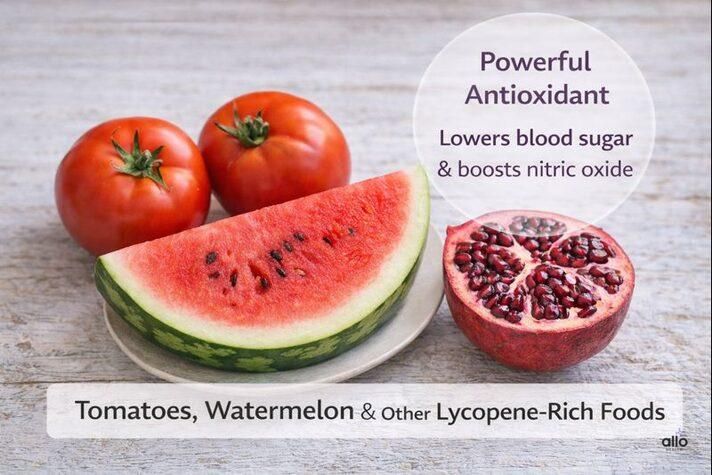
Foods rich in lycopene, like tomatoes, watermelon, and pink grapefruit, may naturally support better erections, especially in men with diabetes. Lycopene is a powerful antioxidant that helps lower blood sugar and boost nitric oxide levels, all of which improve blood flow and support vascular health, thus supporting erections[4].
Watermelon helps with erections as it contains L-citrulline. L-citrulline is an amino acid your body converts into arginine, which also enhances nitric oxide production, which is essential for erections[5]. It may support overall male reproductive health.
How much: 2-3 medium tomatoes daily or 1-2 cups of watermelon. Cooked tomatoes (like in curry) actually provide more bioavailable lycopene than raw ones.
3. Berries
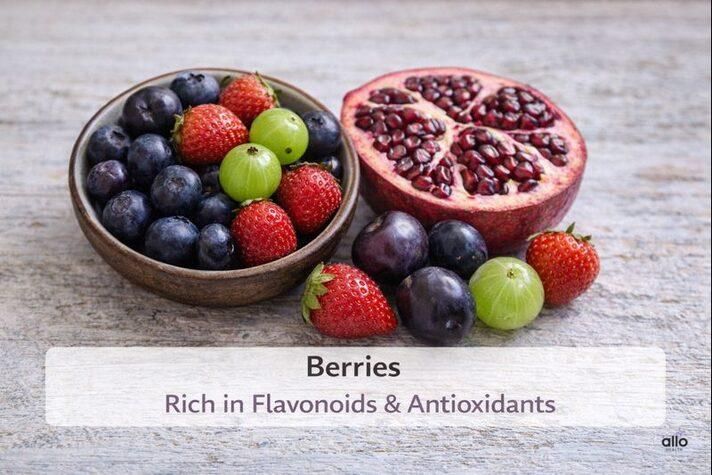
Berries like blueberries for erectile dysfunction, strawberries, amla (Indian gooseberry), jamun (black plum), and pomegranate for erectile dysfunction are rich in flavonoids and antioxidants that improve blood flow and nitric oxide production, supporting healthier erections.
How much: 1 medium amla daily, 1 cup fresh pomegranate seeds, or a handful of seasonal berries.
4. Nuts and Seeds
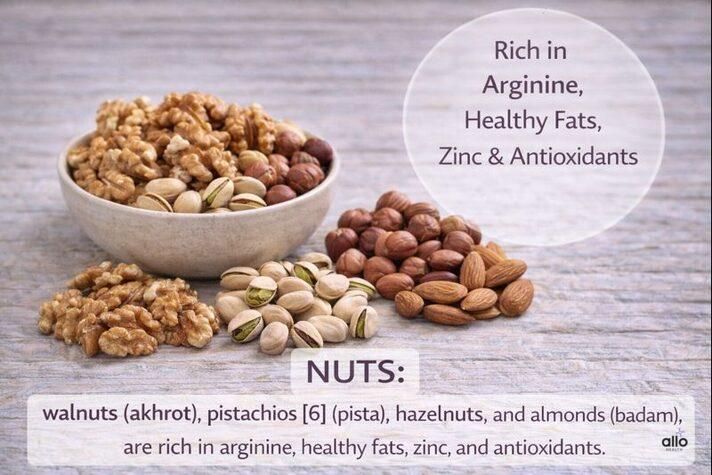
Nuts like walnuts (akhrot), pistachios[6] (pista), hazelnuts, and almonds (badam), are rich in arginine, healthy fats, zinc, and antioxidants. A 14-week clinical trial found that men consuming 60 g (about a handful) of mixed nuts daily reported improvement in sexual desire and sexual health[7].
How much: at least 30-40g daily (about 6-8 walnuts, 15-20 almonds, or 25-30 pistachios).
5. Dark Chocolate
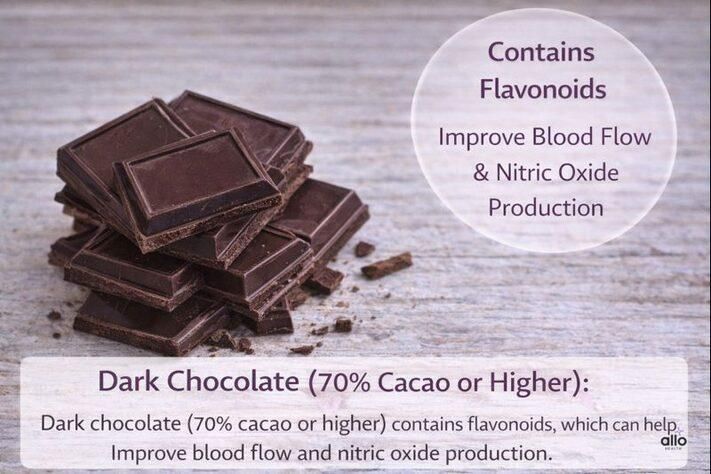
Dark chocolate (70% cacao or higher) contains flavonoids, which can help improve blood flow and nitric oxide production[8]. The antioxidants and moderate caffeine, along with phenylethamine present in the dark chocolates, can help enhance mood and stimulate sexual desire.
How much: 20-30g daily (about 2 small squares). Choose brands with minimal added sugar.
6. Fatty Fish
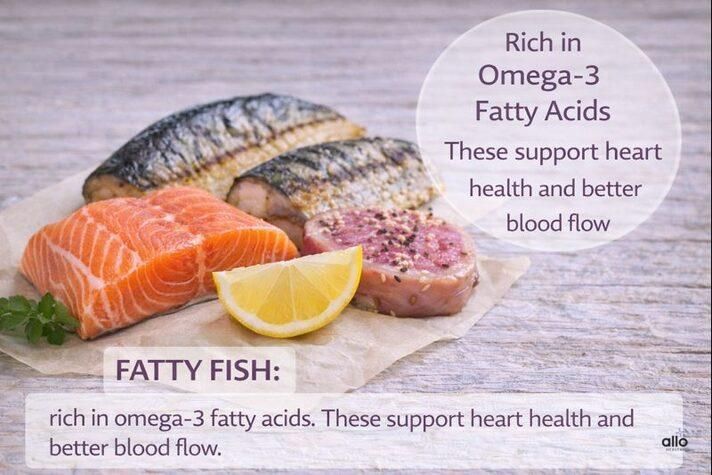
Salmon(rawas), mackerel (bangdra), and other fatty fish are rich in omega-3 fatty acids. These support heart health and better blood flow. Research has found that omega-3 fatty acids can improve erectile dysfunction and help maintain hormonal balance by supporting testosterone production and maintaining testosterone levels[9]. Along with all these benefits, these fats also have anti-inflammatory properties.
How much: 2-3 servings per week (150-200g per serving).
Regional alternatives: If coastal fish are expensive, consider river fish like rohu or catla, which also contain beneficial omega-3s, though in smaller amounts.
7. Shellfish and Oysters
Oysters and other shellfish are rich in zinc, a mineral crucial for testosterone production and sperm health. Zinc deficiency can lower testosterone levels and contribute to erectile dysfunction[10]. Shellfish also contain omega-3 fatty acids that help with blood flow by reducing inflammation and supporting blood vessel function.
Indian alternatives: If shellfish aren't available or preferred, pumpkin seeds (kaddu ke beej), sesame seeds (til), and chickpeas (chana) are excellent zinc sources.
How much: 2-3 servings of shellfish weekly, or 2 tablespoons of pumpkin seeds daily.
8. Garlic
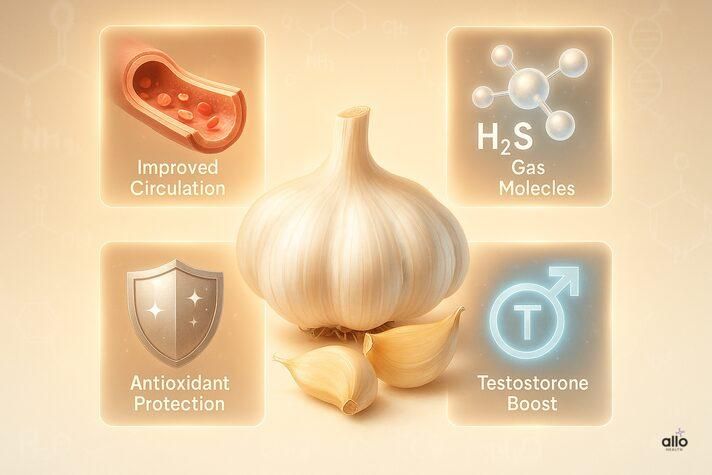
Garlic is good for erections as it contains allicin, a compound released when garlic is crushed, which may support healthy blood flow and circulation. Allicin helps in relaxing the blood vessels by supporting nitric oxide production[11]. It also helps with circulation and supports heart health.
How much: 2-3 cloves daily, either raw or cooked.
9. Eggs
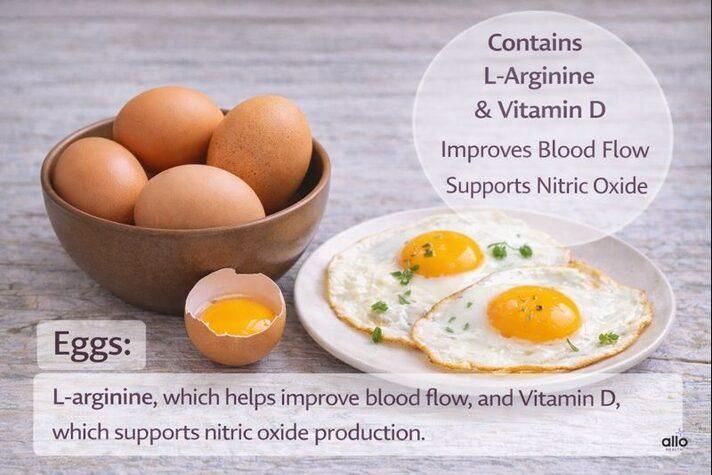
Eggs are packed with nutrients that may support better erections. They contain L-arginine, which helps improve blood flow, and Vitamin D, which supports nitric oxide production. Plus, B vitamins in eggs help support healthy hormone function
How much: 4-6 whole eggs per week (Contrary to old beliefs, dietary cholesterol doesn't significantly impact blood cholesterol for most people).
10. Coffee
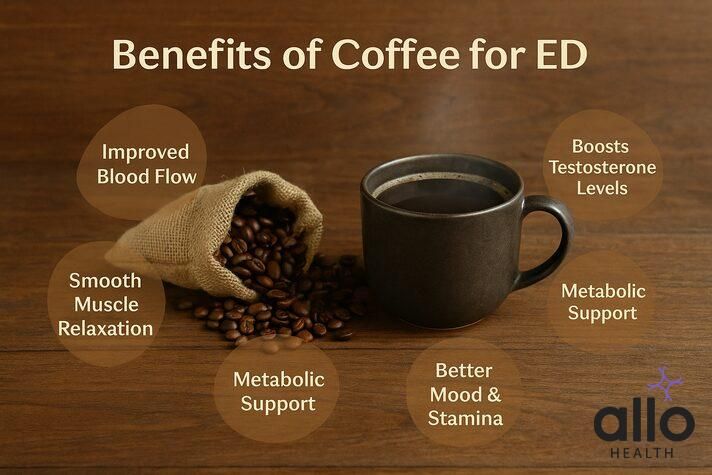
Surprised that coffee might help with ED? The keto diet's impact on ED has some similarly surprising research behind it. Study shows that 2-3 cups a day, i.e., 170-375 mg of caffeine, may lower the risk of erectile dysfunction[12]. Caffeine may support the production of nitric oxide, helping blood vessels relax and boosting blood flow to the penis. Plus, coffee is rich in antioxidants, which support overall vascular and sexual health.
How much: 1-2 cups daily is enough for most people. Avoid late evening coffee if it disrupts sleep.
11. Moringa (Drumstick / Sahjan)
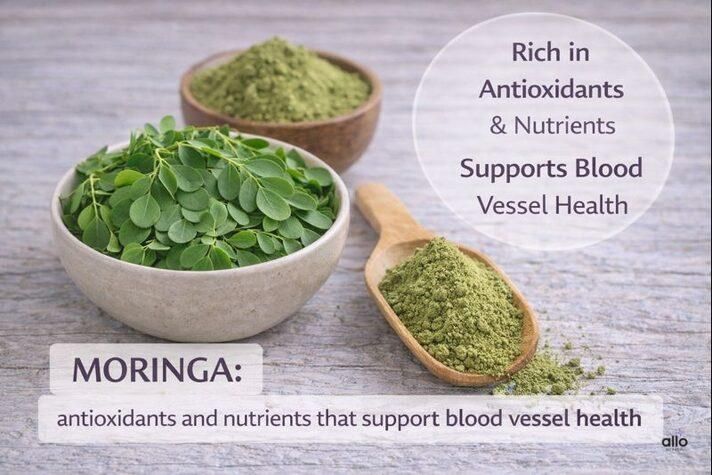
Moringa is a classic Indian kitchen staple, and it’s loaded with antioxidants and nutrients that support blood vessel health[13]. Since erections depend heavily on circulation, moringa benefits erections.
How to eat: Add drumsticks to sambhar, make moringa soup, or use moringa leaves in sabzi.
How much: 2–3 times per week as part of meals.
12. Makhana (Fox Nuts)
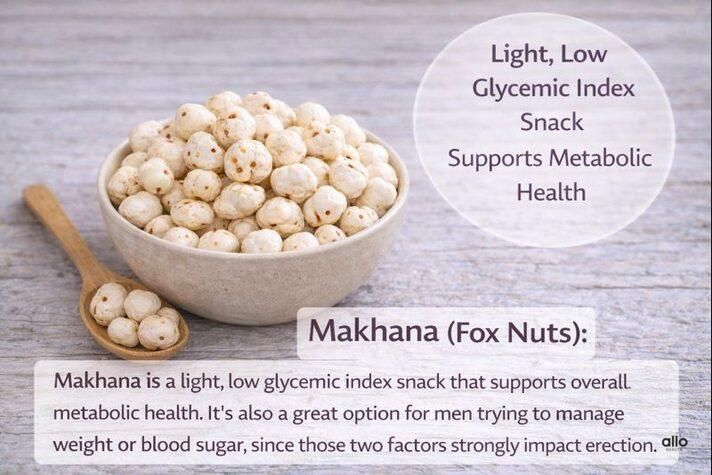
Makhana is a light, low glycemic index snack that supports overall metabolic health. It’s also a great option for men trying to manage weight or blood sugar, since those two factors strongly impact erectile function.
How to eat: Dry roast makhana with a little ghee, black pepper, and peanuts.
How much: 1 small bowl (25-30g), 4-5 days a week.
13. Saffron (Kesar) in Warm Milk
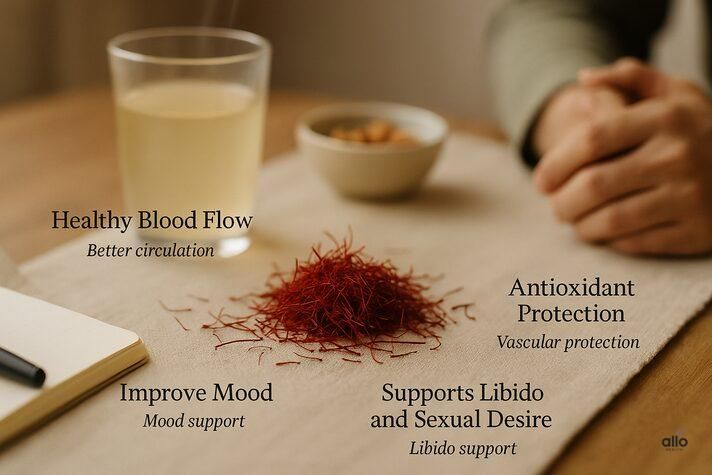
Saffron is often linked with stamina and mood. While it’s not a “magic cure,” saffron may support erections by improving overall energy, stress response, and circulation[14].
How to take: Add a few strands of kesar to warm milk at night.
How much: 5-8 strands, 3-4 times per week.
14. Ashwagandha (As a Supportive Add-On)
Ashwagandha is not exactly a “food,” but it’s widely used in India as a daily wellness supplement. Ashwagandha may support erectile dysfunction when stress, anxiety, fatigue, or low testosterone symptoms are part of the picture.
How to take: Ashwagandha powder in warm milk, or capsule form (doctor-guided).
Important: Avoid self-medicating if taking thyroid meds, sedatives, or anxiety medicines.
15. Lentils & Paneer (Vegetarian Protein for Better Erections)
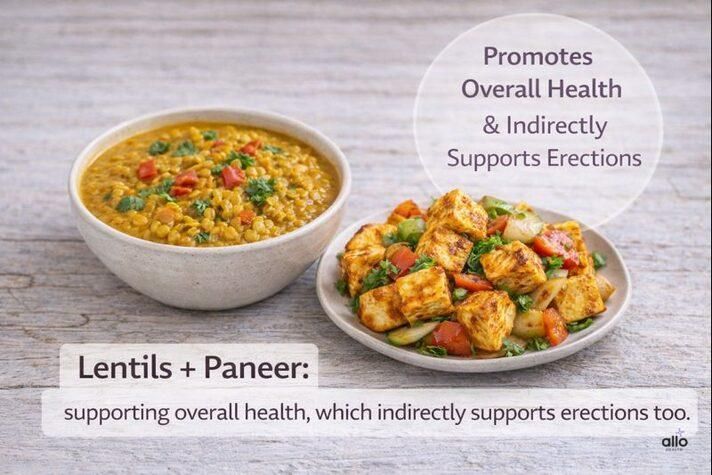
Many Indian diets are vegetarian, and protein quality matters for hormone balance, energy, and recovery. Lentils (dal), chickpeas (chana), rajma, and paneer are excellent options for supporting overall health, which indirectly supports erections too.
How to eat: Dal + rice/roti, chana salad, rajma chawal, paneer bhurji.
How much: 1-2 servings daily.
Vegetarian Foods for Erectile Dysfunction (Including Jain-Friendly Options)
Vegetarian foods for erectile dysfunction can support erectile function if they include enough protein, zinc, healthy fats, and antioxidants.
- Paneer, curd, and milk (if tolerated)
- Dal, rajma, chana, sprouts
- Walnuts, almonds, pumpkin seeds, sesame seeds
- Spinach, beetroot, tomatoes, pomegranate
- Makhana and peanuts
Jain-friendly swaps:
- Use hing, ginger, and spices instead of garlic/onion
- Focus more on nuts, seeds, curd, dal, and leafy greens
Foods to Limit or Avoid
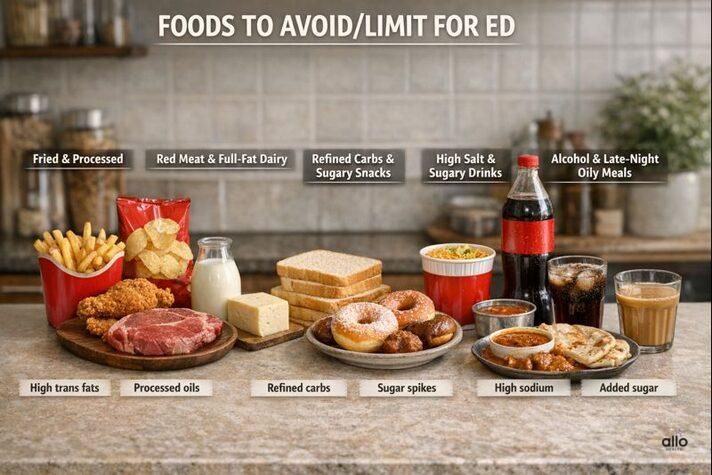
Just like some foods for better erections, others can work against it. Certain dietary habits can increase inflammation, reduce blood flow, impact testosterone levels, and worsen conditions that contribute to erectile dysfunction. Here are some foods to avoid for erectile dysfunction:
- Fried and processed foods are high in saturated and trans fats
- Full-fat dairy and red meat may affect erections by affecting heart and blood vessel health
- Refined carbs like white bread, pastries, and sugary snacks
- Foods high in sodium and added sugars
- Excessive alcohol can interfere with erections
- Limit sugary chai, cold drinks, and late-night heavy oily meals, as they can worsen sleep and blood sugar control.
Important Safety Considerations
Drug Interactions:
If you're taking ED medications like sildenafil (Viagra) or tadalafil (Cialis), be cautious with:
- Grapefruit may raise drug levels in the body
- Garlic supplements can increase blood-thinning effects
- High amounts of beetroot juice may overly lower blood pressure if you're on BP medication.
Blood Pressure Medications:
Nitrate-rich foods (like leafy greens or beetroot) can amplify the effects of blood pressure meds. Monitor your levels and consult your doctor before major diet changes.
Diabetes Management:
These foods can support ED, but blood sugar control remains key, as diabetes is one of the health conditions behind ED. Track how new foods affect your glucose and adjust as needed with your doctor’s guidance.
Think of food as part of your treatment plan. It won’t replace medication if you need it, but it can support your body’s ability to perform naturally and safely.
7-Day Indian Diet Chart for Better Erections
This diet plan supports blood flow, nitric oxide production, and better metabolic health and is a general plan, not a medical prescription. Adjust portions based on diabetes, cholesterol, and weight goals.
| Day | Breakfast | Lunch | Evening / Pre-workout Snack | Dinner |
|---|---|---|---|---|
| Day 1 | Veg omelette + fruit | Dal + sabzi + roti | Roasted makhana | Fish / paneer + salad |
| Day 2 | Oats + nuts | Rajma + rice + salad | Watermelon | Palak dal + roti |
| Day 3 | Poha + peanuts | Chana + roti + curd | Dark chocolate (small) | Veg curry + eggs |
| Day 4 | Idli + sambhar | Brown rice + sabzi | Pomegranate | Paneer bhurji + roti |
| Day 5 | Upma + coconut | Dal + beetroot salad | Roasted chana / peanuts | Grilled fish / tofu + veggies |
| Day 6 | Dosa + chutney | Khichdi + ghee | Nuts mix | Methi sabzi + roti |
| Day 7 | Fruit + curd bowl | Sambar + rice | Amla | Light dinner + kesar milk |
Note: This supports erections, but long-term ED needs lifestyle changes too (sleep, exercise, stress control).
When To See a Doctor
While dietary changes can significantly help with erectile dysfunction, they're not a magic fix. A balanced approach combining these beneficial foods with regular exercise, stress management, and maintaining a healthy weight offers the best natural strategy for supporting erectile function. It's important to consult a doctor if:
- ED symptoms persist after 3-4 months of dietary changes
- You have underlying conditions like diabetes or heart disease
- You're taking medications that might interact with dietary changes
- You experience a sudden onset of ED (which could indicate serious health issues)
If ED is affecting confidence or relationships, speaking to a sexologist/urologist can help find the real cause and the fastest fix.
Bottom Line: Best Food for Erectile Dysfunction
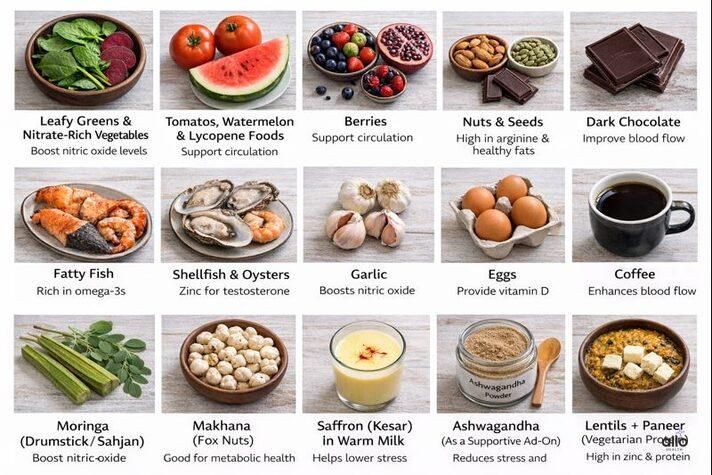
Next time you're at the grocery store, stock up on foods that support better erections and a healthier heart — and consider pairing your diet with yoga for erectile dysfunction for even better results. Think: leafy greens, whole grains, fatty fish, nuts, seeds, berries, and antioxidant-rich fruits like pomegranate.
While these best food for erectile dysfunction can absolutely support your sexual health, remember, there’s no such thing as a magic “natural Viagra.” If there’s an underlying issue, diet alone may not be enough. That’s why it’s always smart to keep your doctor in the loop. They can guide you on whether you need additional support, like medications, or if any of these foods might interact with ED treatments.

Disclaimer
The following blog article discusses food and diet-related information for general educational purposes. However, it is important to note that the information provided is not intended as personalized dietary advice and should not be considered a substitute for professional guidance from a registered dietitian or qualified healthcare professional. Before making any significant changes to your diet or nutrition plan, it is recommended to consult with a registered dietitian or healthcare professional. Dietary changes can have a significant impact on your overall health and well-being. It is important to approach any changes to your diet in a balanced and sustainable manner, ensuring that you meet your nutritional needs and avoid any potential nutrient deficiencies. Rapid or extreme changes in dietary patterns can be detrimental to your health and may require professional guidance. It is crucial to note that any specific dietary recommendations or guidelines mentioned in this article may not be appropriate for individuals with specific medical conditions, allergies, or intolerances. A registered dietitian or healthcare professional can provide individualized advice, including modifications or alternative food choices to accommodate your unique circumstances. The information provided in this article may not encompass all possible dietary considerations or account for the latest research and nutritional guidelines.
Most Asked Questions
How long does it take for food-based changes to affect erectile dysfunction?
Dietary changes aren’t instant like medication. But with consistent healthy eating, some men may start noticing improvements in a few weeks to a couple of months, especially when combined with other lifestyle changes like exercise and stress management.
Which food is best for erectile dysfunction?
There’s no single “best” food, but leafy greens, berries, nuts, fatty fish, and watermelon are all great choices. These foods support heart health, improve blood flow, and help with hormone balance, key factors in erectile function.
Is it safe to rely on food instead of Viagra or erectile dysfunction medication?
Food can support erectile health, but it may not be enough for everyone. If you have ongoing erectile dysfunction, it’s important to talk to your doctor, especially before stopping any medication or relying solely on diet.
If someone doesn't have Erectile Dysfunction, but can these foods help prevent it?
Absolutely. Eating a diet that supports blood flow and heart health is one of the best ways to reduce your risk of erectile dysfunction as you age.
Can I eat these foods if I’m already on erectile dysfunction medication?
In most cases, yes,but it’s best to consult your doctor. Some foods or supplements may affect how medications work, especially if you’re taking nitrates or blood pressure drugs.
Which Indian fruit is known as natural Viagra?
Watermelon and pomegranate are often called “natural Viagra” because they support blood flow and nitric oxide activity. They don’t work like ED medicines, but they can support erections over time.
Can a vegetarian diet cure erectile dysfunction?
A vegetarian diet may improve ED if the cause is linked to poor blood flow, weight gain, diabetes risk, or inflammation. But if ED is caused by hormone imbalance, nerve issues, or severe vascular disease, diet alone may not be enough.
Is milk good for erectile dysfunction?
Milk can support nutrition and hormone health, especially when combined with protein-rich meals. But results vary, and people with diabetes or weight concerns should keep portions balanced.
What should I eat for dinner to help with ED?
A good ED-friendly dinner is light, high in protein, and includes vegetables. Examples: palak dal + roti, grilled fish + salad, or paneer + sabzi.
Does spicy Indian food help with erections?
Spices like chili may support metabolism and circulation in small amounts, but very spicy, oily meals can trigger acidity, poor sleep, and inflammation, which can worsen sexual performance.
Sources
- 1.
Flavonoids associated with better erectile function
- 2.
Serum Folic Acid and Erectile Dysfunction: A Systematic Review and Meta-Analysis
- 3.
Dietary Nitrate Provides Sustained Blood Pressure Lowering in Hypertensive Patients: A Randomized, Phase 2, Double-Blind, Placebo-Controlled Study
- 4.
Lycopene intake and the risk of erectile dysfunction in US adults: NHANES 2001-2004
- 5.
Impact of Watermelon (Citrallus lanatus) on Male Fertility
- 6.
Pistachio diet improves erectile function parameters and serum lipid profiles in patients with erectile dysfunction
- 7.
Effect of Nut Consumption on Erectile and Sexual Function in Healthy Males: A Secondary Outcome Analysis of the FERTINUTS Randomized Controlled Trial
- 8.
Dark chocolate: An overview of its biological activity, processing, and fortification approaches
- 9.
Effects of Omega-3 Fatty Acids on Erectile Dysfunction in a Rat Model of Atherosclerosis-induced Chronic Pelvic Ischemia
- 10.
Effects of zinc supplementation on sexual behavior of male rats
- 11.
Cellular Mechanisms Underlying the Cardioprotective Role of Allicin on Cardiovascular Diseases
- 12.
Coffee Intake and Incidence of Erectile Dysfunction
- 13.
Moringa oleifera extract enhances sexual performance in stressed rats*
- 14.
Effects of saffron (Crocus sativus) on sexual dysfunction among men and women: A systematic review and meta-analysis