Genetics and Erectile Dysfunction: Link and Factors Affecting
Written by Dr. Deepali Anand

Dr. Deepali is a medical writer and healthcare professional with a background in clinical surgery and patient care. Having transitioned from active clinical practice to medical communications, she specializes in bridging the gap between complex clinical data and patient education. Dr. Deepali is dedicated to creating evidence-based content that is grounded in scientific rigor and empathy, ensuring that sensitive topics like sexual wellness and mental health are accessible and empowering for every reader.
•
July 30, 2026
Our experts continually monitor the health and wellness space, and we update our articles when new information becomes available.

Quick Read
Is erectile dysfunction genetic? Yes, research confirms that ED does have a genetic component, with genes accounting for about 35-40% of cases. However, it's not directly inherited like eye color, instead, multiple genes work together with lifestyle and health factors to influence your risk. Having a family history of ED or related conditions like diabetes and heart disease may increase your chances, but it doesn't guarantee you'll develop it. The good news is that even with genetic predisposition, ED can still be prevented and effectively managed through healthy lifestyle choices, medical treatments, and early screening for underlying conditions.
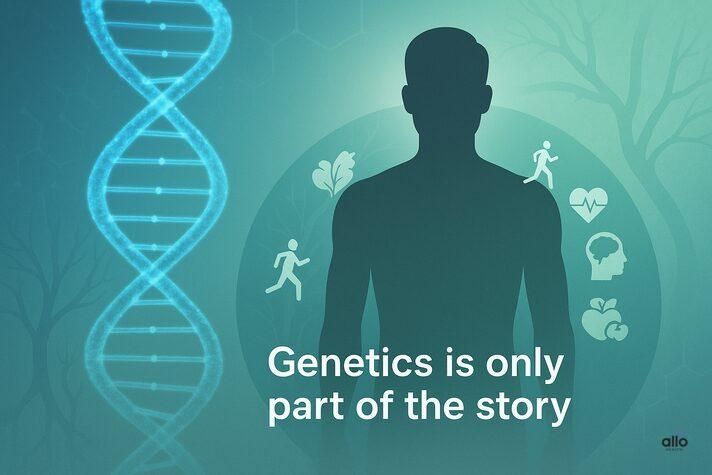
Is erectile dysfunction genetic? The short answer is yes, research shows that your genes can influence your chances of developing ED. But before you worry, it’s important to know that genetics is only one part of the picture.
Having a family history of erectile dysfunction or related conditions like diabetes or heart disease may raise your risk, but it doesn’t mean ED is inevitable.
In this article, we’ll break down what science says about the genetic link, how family history fits in, other common causes, and the practical steps you can take to prevent or manage ED.
Is Erectile Dysfunction Genetic?
Yes, erectile dysfunction does have a genetic component. Research[1] shows that genetic factors may account for about one-third to 40% of cases.

That said, ED is not a simple inherited condition like single-gene disorders__(where one gene alone causes the problem)__— and temporary factors like common cold and ED can also play a role. Instead, it’s influenced by multiple genes working together, along with environmental and lifestyle factors.
In simple terms, genetics can increase your risk of developing erectile dysfunction, but it doesn’t make it inevitable. Your lifestyle, medical conditions, and overall health often play a bigger role.
According to Allo Health, nearly 1 in 2 men experience erectile dysfunction, which is based on our internal clinical data of more than 2.5 lakh patients who have visited our clinics. Digestive issues like bowel problems and ED can add to the risk profile.

Allo asks
What's your main concern about ED and genetics?

Scientific Evidence for Genetic-ED Link
Twin Studies Reveal Heritability
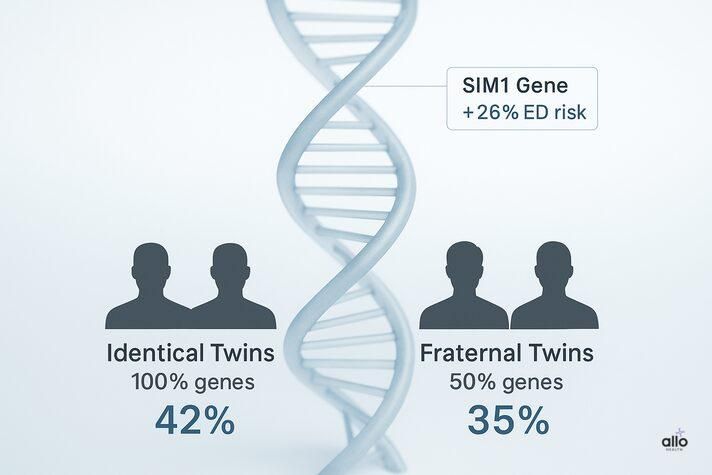
One of the most compelling answers to “is erectile dysfunction hereditary” comes from twin studies.[2] Researchers compared identical twins (who share 100% of their genes) with fraternal twins (who share about 50%). The findings showed that the heritability of erectile dysfunction is around 35%-42%.
In simple terms, identical twins were more likely to both have ED compared to fraternal twins, even after adjusting for lifestyle and medical risk factors. This strongly supports a genetic component in erectile dysfunction.
First Genetic Risk Factor Identified
In 2018, a large genome-wide association study (GWAS)(a type of research that scans the entire genome for DNA changes linked to disease) made a breakthrough discovery.[3]
It identified the first specific genetic variant (a small DNA change) linked to ED, located near the SIM1 gene.
This variant, found near the SIM1 gene, was associated with a 26% higher risk of erectile dysfunction.
Importantly, this genetic risk was independent of other known factors like obesity, making the link even stronger.
Research Limitations
So far, most genetic studies on ED have focused on men of European ancestry. This limits how well the results apply to other ethnic groups. The frequency of the identified genetic variant also varies widely, ranging from 0.1% to 34% across populations. More diverse studies are needed to understand how genetics influences ED worldwide.
How Genetics Influence Erectile Dysfunction
Now that we know certain genes can increase the chances of ED, let’s look at how these genetic risk factors of erectile dysfunction actually work.
The SIM1 Gene Mechanism
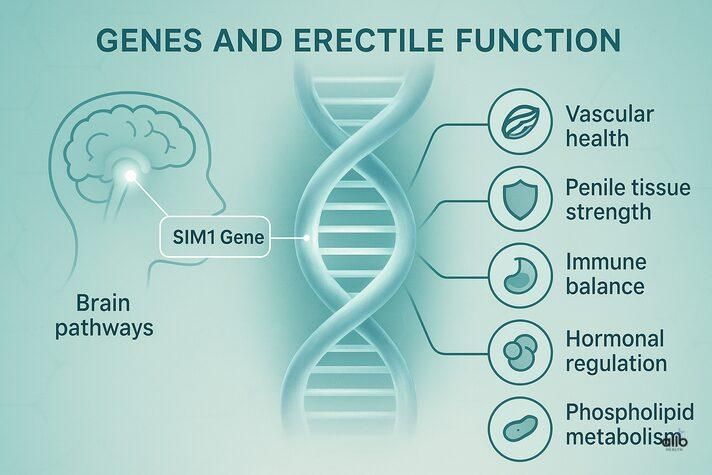
One of the most studied genes is the SIM1 gene, which plays a key role in the leptin-melanocortin system (a brain system that controls appetite, body weight, and sexual function__)__.[4]
- This gene produces a transcription factor (a protein that switches other genes on or off) that affects brain pathways linked to sexual response, especially through the hypothalamus (the brain’s control center for hormones and sexual behavior) and the nervous system.
- Certain genetic variants (changes in DNA) can alter how the gene works by affecting its enhancer activity (the “volume control” for gene expression).
- This means the genetic risk of ED may come more from brain and nerve signaling problems rather than only physical blood flow issues.
Role of Other Genes
Beyond SIM1, researchers have identified more than 260 other genes connected to ED, including NOS3[5] (a gene that helps produce nitric oxide for blood vessel relaxation) and the AR gene (the androgen receptor gene, which responds to testosterone).
These genes influence several key body functions related to erections[6], and can interact with conditions like IBS and ED:
- Vascular health – through nitric oxide synthase (NOS) pathways (these pathways open up blood vessels to allow better flow into the penis)
- Muscle function – maintaining the strength and flexibility of penile tissue (needed for a firm erection)
- Immune system balance – keeping inflammation under control (since inflammation can damage blood vessels)
- Hormonal regulation – controlling testosterone and other sex hormones (essential for sex drive and erections)
- Phospholipid metabolism – how the body uses certain fats in cell membranes (which affects how smoothly blood circulates)
Is Erectile Dysfunction Hereditary?
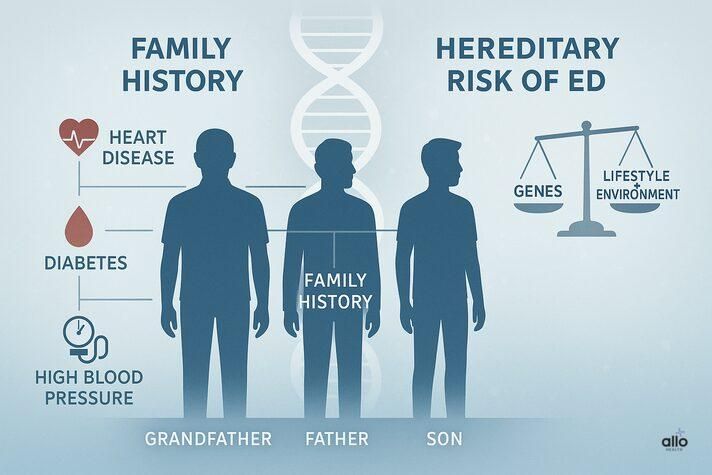
Erectile dysfunction itself is not a strictly hereditary condition (meaning it’s not directly passed down like eye color or hair type). But many of the common causes of ED, such as heart disease, diabetes, or high blood pressure, do tend to run in families.
That said, this doesn’t mean you will definitely experience it. Lifestyle, mental health, and overall wellness play a big role, too.
Family History and Erectile Dysfunction
Studies[7] show that men with a family history of ED are at greater risk of developing the condition. This pattern, sometimes called familial clustering (when a condition is seen more often in families), suggests that the likelihood of developing a condition because of inherited genes can be passed across generations.
Importantly, the inheritance is complex; it does not follow simple Mendelian genetics (basic inheritance patterns like dominant or recessive traits__)__. Instead, many genes, combined with lifestyle and environment, work together to influence risk.
Connection to Other Genetic Conditions
Genetic research has also found links between ED and other heritable conditions. For example:
- Men with a higher genetic predisposition to Type 2 diabetes also have a higher risk of ED.
- This connection points to overlapping sets of genes that affect both conditions.
- What’s notable is that this relationship exists independently of other factors like weight or lifestyle.
Other Factors That Affect Erectile Dysfunction
Having genetic risk factors doesn’t mean you’ll definitely develop ED. Like many complex health conditions, erectile dysfunction happens because of a mix of influences: genetic predisposition, lifestyle choices, medical conditions, and even environmental factors.
That’s why some men with genetic variants never develop ED, while others with no known variants may still experience it. In other words, genetics is only part of the story of the many causes of ED.
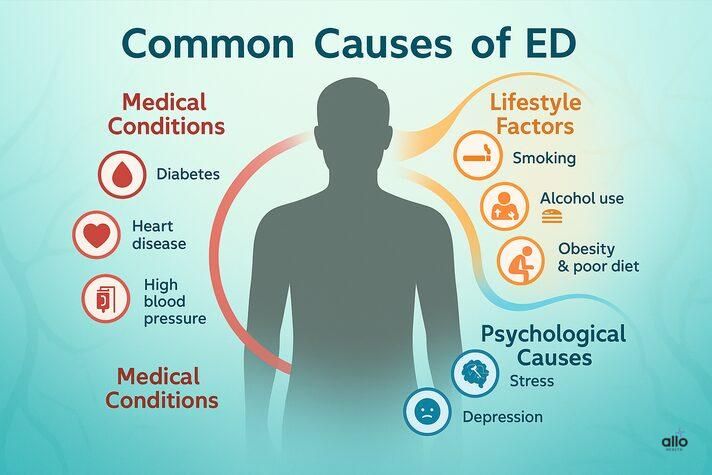
Common Causes of Erectile Dysfunction:
- Medical conditions: diabetes, high blood pressure, and heart disease (all of which affect blood flow and nerve function).
- Lifestyle factors: smoking, heavy alcohol use, obesity, poor diet, and lack of exercise.
- Psychological causes: stress, anxiety, and depression (all of which interfere with sexual desire and performance).
Having a family history of ED doesn’t mean you’re destined to experience it. Think of genetics as one piece of the puzzle. By focusing on healthy habits, many men lower their risk significantly.
Can You Prevent or Manage ED If It’s Genetic?
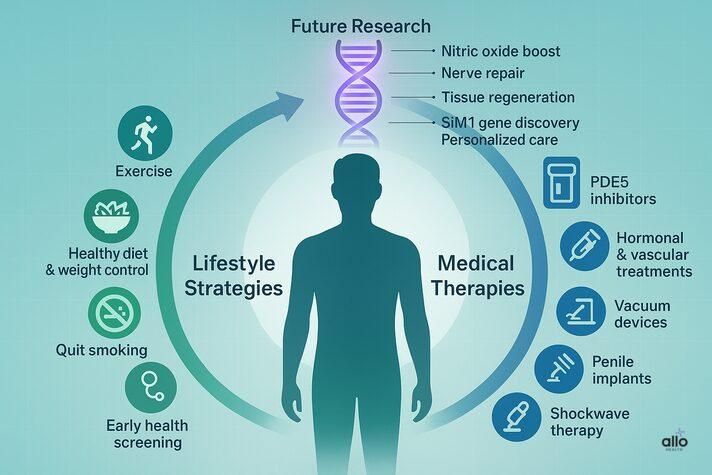
Yes. Erectile dysfunction can still be prevented and managed even if it has a genetic link. While inherited risk may raise the chances, lifestyle changes, proven medical therapies, and even new gene-based research provide multiple options to improve or maintain sexual function.[8]
Lifestyle Strategies for Genetic Risk
- Regular physical activity boosts blood vessel function and balances sex hormones, reducing ED risk.
- Weight control, eating healthy, and exercising help prevent obesity-related ED, even in men with higher genetic susceptibility.
- Quitting smoking & limiting alcohol improves erection quality regardless of family history.
- Managing cholesterol & blood sugar lowers the risk of heart disease and diabetes.
- Sleep & stress management supports healthy sexual function.
- Early screening for diabetes, heart disease, or high blood pressure helps catch problems before they affect erections.
Medical and Gene-Based Therapies
For men who do develop genetically based ED, there are effective treatments available today:
- PDE5 inhibitors (medications like sildenafil/tadalafil) as the first-line therapy.
- Hormonal or vascular treatments to manage related conditions like diabetes or cardiovascular disease.
- Advanced options such as vacuum erection devices, penile implants, or shockwave therapy are available for difficult cases.
Ongoing Research
Scientists are also exploring gene therapy[9] approaches to improve:
- Nitric oxide production (a key chemical that helps blood flow into the penis)
- Repairing damaged nerves involved in erection)
- Improving penile tissue function
Early clinical trials show promising results for men with treatment-resistant ED. In the future, genetic insights like the discovery of the SIM1 locus may lead to highly personalized treatments that directly target genetic abnormalities.
Key Takeaway
When it comes to the question “is erectile dysfunction genetic” or “is erectile dysfunction hereditary”, the short answer is yes. Research shows a clear genetic component.
But genetics is only one piece of the puzzle — lifestyle and nutrients like Niacin for ED also play a big role. Erectile dysfunction is also shaped by vascular health, hormones, psychological factors like stress or anxiety, and lifestyle choices such as diet, exercise, smoking, and alcohol use.
Having a family history may increase your risk, but genetic predisposition is not destiny. ED can still be prevented, managed, and treated regardless of your genetic background.

Disclaimer
The following blog article provides general information and insights on various topics. However, it is important to note that the information presented is not intended as professional advice in any specific field or area. The content of this blog is for general educational and informational purposes only. The content should not be interpreted as endorsement, recommendation, or guarantee of any product, service, or information mentioned. Readers are solely responsible for the decisions and actions they take based on the information provided in this blog. It is essential to exercise individual judgment, critical thinking, and personal responsibility when applying or implementing any information or suggestions discussed in the blog.
Most Asked Questions
Can erectile dysfunction run in the family?
Yes, ED can sometimes run in families. If your father or brother has ED, your risk may be higher due to shared genetic factors or family health conditions like diabetes or heart disease. But family history does not guarantee you’ll have ED, healthy habits and medical care can lower your risk.
Is erectile dysfunction hereditary or genetic?
Erectile dysfunction is not a simple hereditary condition like eye color, but research shows it has a genetic component. Studies suggest that genes account for 35–42% of ED risk, while lifestyle and health factors explain the rest. This means genetics may increase risk, but ED is not inevitable.
Can lifestyle changes reduce genetic risk for ED?
Yes. Even if you have a genetic predisposition, lifestyle plays a huge role. Regular exercise, a healthy diet, quitting smoking, managing stress, and early screening for diabetes or heart disease can all significantly lower your risk and improve erectile function.
What treatments are available if ED is genetic?
If ED develops due to genetics, treatments are still highly effective. Options include PDE5 inhibitors (like Viagra or Cialis), hormonal or vascular therapies, and advanced options such as vacuum pumps, implants, or shockwave therapy. Ongoing research is exploring gene therapies that may provide even more personalized solutions in the future.
What is the cause of erectile dysfunction?
Erectile dysfunction can be caused by many factors, including medical conditions (like diabetes, high blood pressure, and heart disease), lifestyle habits (such as smoking, alcohol, or obesity), and psychological issues (stress, anxiety, depression). Genetics can also play a role, but it’s usually just one part of the bigger picture.
Sources
- 1.
Genetic risk factor associated with erectile dysfunction
- 2.
A twin study of erectile dysfunction
- 3.
First Genetic Risk Factor for Erectile Dysfunction Identified
- 4.
Genetic variation in the SIM1 locus is associated with erectile dysfunction
- 5.
Functional Variations in the NOS3 Gene Are Associated with Erectile Dysfunction Susceptibility, Age of Onset and Severity in a Han Chinese Population
- 6.
Genetic factors associated with erectile dysfunction- mendelian randomisation analysis
- 7.
Genetic and epigenetic landscape of erectile dysfunction: a comprehensive review
- 8.
Lifestyle modifications and erectile dysfunction: what can be expected?
- 9.
Gene therapy as future treatment of erectile dysfunction