Kiwi and Erectile Dysfunction: Know Benefits, Uses, and Risks for Sexual Health
Written by Dr. Deepali Anand

Dr. Deepali is a medical writer and healthcare professional with a background in clinical surgery and patient care. Having transitioned from active clinical practice to medical communications, she specializes in bridging the gap between complex clinical data and patient education. Dr. Deepali is dedicated to creating evidence-based content that is grounded in scientific rigor and empathy, ensuring that sensitive topics like sexual wellness and mental health are accessible and empowering for every reader.
•
July 30, 2026
Our experts continually monitor the health and wellness space, and we update our articles when new information becomes available.

Quick Read
Kiwi won't cure erectile dysfunction, but it can support erectile health as part of a balanced diet. Rich in vitamin C, antioxidants, and potassium, kiwi helps improve blood flow, supports heart health, and reduces oxidative stress, all important factors for healthy erections. While there's no direct scientific evidence proving kiwi treats ED, its nutrients contribute to overall vascular wellness, which is closely tied to sexual function. Eating 2-3 kiwis daily is safe for most people, but if you're experiencing persistent ED, it's essential to consult a doctor for proper diagnosis and treatment rather than relying on diet alone.
Kiwi for erectile dysfunction is a topic many people are curious about, especially when looking for natural and food-based ways to support sexual health. So, can kiwi actually help with erectile dysfunction, and is there any real science behind it? Kiwi is rich in nutrients like vitamin C, fibre, antioxidants, and potassium, all of which are linked to blood flow, heart health, and overall vascular function, key factors involved in healthy erections. While kiwi is not a cure for ED, it may play a supportive role as part of a balanced diet.
In this article, we’ll break down what research and nutrition science say about kiwi and erectile dysfunction, how it may support blood flow and sexual performance, possible risks or side effects, and practical ways to include it safely in your diet.

Allo asks
Have you ever tried adding kiwi to your diet for sexual health reasons?
Is Kiwi Good for Erectile Dysfunction?
Is kiwi good for erectile dysfunction? This is a common question, especially as kiwi has grown in popularity as a fruit packed with multiple health benefits. Kiwi is rich in nutrients such as vitamin C, fibre, and antioxidants, all of which can directly or indirectly support erectile function and overall sexual wellness. These nutrients are known to support blood vessel health, circulation, and heart health, which are important for healthy erections.
That said, it’s important to understand that kiwi plays a supportive role in managing and preventing erectile dysfunction. It works best as part of an overall healthy diet and lifestyle, not as a standalone solution.
Let’s take a closer look at how the nutrients packed into kiwi support overall wellness and may quietly contribute to erectile health.

According to Allo Health, every 1 in 2 patients has ED, which is based on our internal clinical data of more than 2.5 Lakh patients who come to our clinic.
How Kiwi May Support Erectile Function
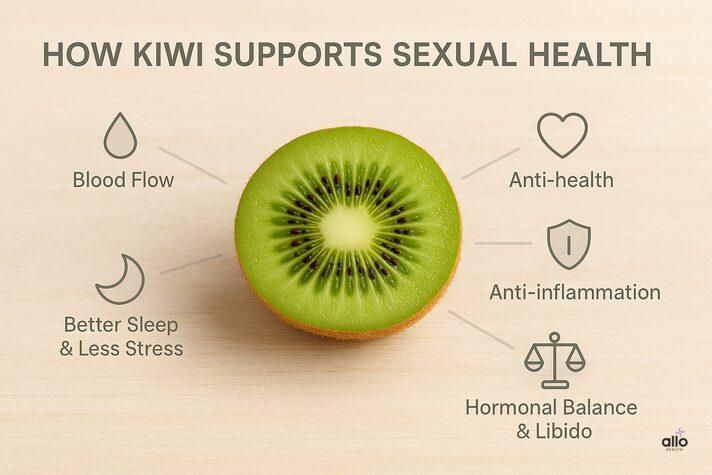
The benefits of kiwi for erectile dysfunction are mostly indirect. Kiwi does not treat ED directly, but it can support factors that are important for healthy erectile function, such as blood flow, heart health, hormone balance, and stress levels.
1. Kiwi Supports Healthy Blood Flow
Vitamin C in kiwi helps the body better use nutrients like L-arginine, an amino acid involved in nitric oxide production[1]. Nitric oxide helps relax blood vessels and improve circulation, which is essential for achieving and maintaining an erection.

2. Kiwi Supports Heart Health
Erectile dysfunction is often an early sign of vascular health issues. Kiwi is rich in potassium, which acts as a natural vasodilator, helping blood vessels relax and supporting healthy blood pressure levels[2]. Since cardiovascular disease is a major risk factor for erectile dysfunction, maintaining good vascular function plays an important role in erectile health.
Kiwi also contains dietary fibre, which supports cholesterol management and overall heart health, both of which are closely linked to erectile function.
3. Kiwi Helps Reduce Oxidative Stress and Inflammation
Kiwi is packed with antioxidants, especially high levels of vitamin C. These antioxidants help protect blood vessels from damage caused by oxidative stress. Healthier blood vessels support better blood circulation, which is important for erectile function.
4. Kiwi Supports Hormonal Balance and Libido
Kiwi provides nutrients such as zinc and folate, which play a role in maintaining normal hormone levels[3]. Hormonal balance can influence libido (sexual desire) and overall sexual health.
5. Kiwi May Support Better Sleep and Lower Stress
Poor sleep quality and high stress levels are commonly linked to erectile dysfunction. Some studies[4] suggest that kiwi consumption may support sleep quality and help reduce stress and fatigue, partly due to its nutrient profile and natural serotonin content.
Can Kiwi Cure Erectile Dysfunction?
Is kiwi fruit good for erectile dysfunction? Yes, kiwi may support erectile health, but it does not cure erectile dysfunction. There are no large-scale human studies showing that kiwi works as a direct treatment for ED[4].
Most claims about kiwi and erectile function come from:
- Its nutrient content and known benefits for heart and blood vessel health
- Small animal studies, which do not fully apply to humans
One animal study[5] found that kiwifruit extract helped reduce some side effects of tadalafil, a common medication used for erectile dysfunction. While this points to a possible supportive role, the findings are limited to animals and do not mean that kiwi can replace ED medicines.
Based on current evidence, kiwi is best seen as a supportive part of a healthy diet that may help overall sexual and cardiovascular health, rather than a cure for erectile dysfunction.
Potential Side Effects of Kiwi
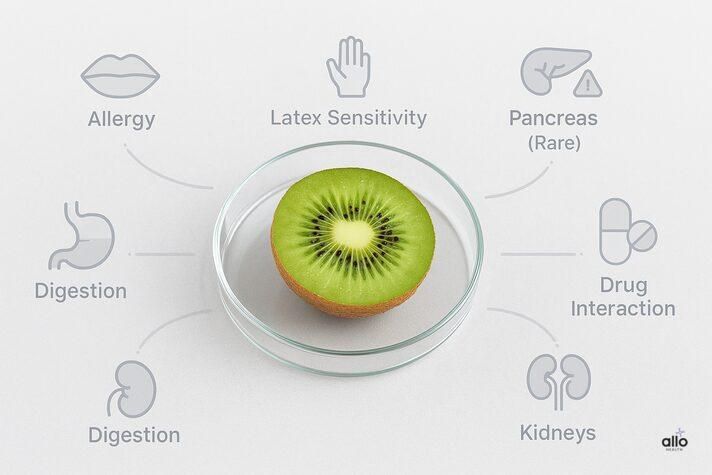
With so many discussions around the benefits of kiwi for erectile dysfunction, it’s natural to wonder if eating more kiwi is always better. However, like most foods, overconsumption of kiwi can lead to side effects. Understanding these helps keep expectations realistic.
1. Allergy to Kiwi Fruit
While kiwi has strong nutritional value, some people may experience an allergic reaction. Symptoms can include itching or swelling of the lips, mouth, tongue, or throat. If any unusual symptoms appear after eating kiwi, it’s best to stop consuming it.
2. Latex-Fruit Syndrome
Studies[6] have shown that 30-50% of people with latex allergy may also react to certain fruits, including kiwi. This reaction is known as latex–fruit syndrome and can cause mild to severe allergy symptoms.
3. Acute Pancreatitis (Rare)
In rare cases, a strong kiwi allergy may trigger inflammation of the pancreas, a condition known as acute pancreatitis[7]. This is uncommon but has been reported in people with severe allergic responses.
4. Digestive Issues from Overconsumption
Eating too much kiwi may cause digestive discomfort, such as diarrhea, bloating, gas, abdominal pain, vomiting, or dizziness. Kiwi is high in fibre and natural acids, which can irritate the digestive system when consumed in excess.
5. Kidney-Related Concerns
Kiwi contains oxalates, which may increase the risk of kidney stones in people who are already prone to them.
6. Interaction with Medicines
Kiwi may slow blood clotting, which can increase the risk of bruising or bleeding. This is especially relevant for people taking anticoagulant or antiplatelet medicines, such as warfarin or aspirin.
Kiwi is also rich in potassium, which may enhance the blood pressure-lowering effects of certain medications, including ACE inhibitors and beta-blockers, potentially causing blood pressure to drop too low.
Erections are largely about blood flow. Kiwi contains nutrients that help protect blood vessels, which is why it’s often discussed in conversations about heart health and erectile function.

How to Eat Kiwi for Sexual Health Benefits
Adding kiwi to your daily routine is a simple way to support overall wellness and may quietly contribute to sexual health. Kiwi works best when eaten as part of a balanced diet rather than as a one-time addition.
How Much Kiwi Is Enough?
Eating 2-3 kiwis per day is generally sufficient to obtain their nutritional benefits. The potential benefits of kiwi for sexual health and overall health develop gradually, not overnight. This is why regular and consistent intake matters more than eating large amounts at once.
Best Ways to Include Kiwi in Your Diet
Kiwi is versatile and easy to include in everyday meals. Some practical and enjoyable ways to eat it include:
- Fresh kiwi as a snack, either on its own or with other fruits
- Smoothies, combined with nuts or seeds for added healthy fats and protein
- Kiwi with yogurt or breakfast bowls, which supports digestion and nutrient absorption
These options help make kiwi a regular part of your diet without much effort.
Kiwi With Other Erectile-Friendly Foods
Kiwi pairs well with several foods known to support circulation and vascular health. Combining these foods can enhance overall nutritional quality:
- Nuts, which provide healthy fats
- Dark chocolate, rich in flavonoids
- Berries, known for their antioxidant content
- Leafy greens, which support nitric oxide activity
Together, these foods support a heart-healthy eating pattern, which is closely linked to erectile function.
When to See a Doctor for ED
Blueberries can support erectile health, but they work best as a preventive measure, not as a treatment for established erectile dysfunction. They should not replace a proper medical check-up or proven treatments like phosphodiesterase-5 inhibitors (Viagra, Cialis).
You should see a doctor if you have:
- Sudden erectile dysfunction
- ED, along with chest pain
- Diabetes or high blood pressure
- No erections for more than 3 months
A doctor can help find the cause and guide safe, effective treatment, while blueberries can still play a supportive role in your overall health.
Bottom Line
Is kiwi good for erectile dysfunction? Yes, it can be helpful for men looking to improve their diet and support better erections and overall sexual wellness. But remember, they are a supportive measure, not a replacement for a personalized treatment plan or prescription ED medications.
Make kiwi a part of your bigger lifestyle, combine it with a balanced diet, good sleep, physical activity, and weight management
Remember, if you’re facing erectile dysfunction, always reach out to a doctor to find out the reason behind it and what to do about it.

Disclaimer
The following blog article discusses food and diet-related information for general educational purposes. However, it is important to note that the information provided is not intended as personalized dietary advice and should not be considered a substitute for professional guidance from a registered dietitian or qualified healthcare professional. Before making any significant changes to your diet or nutrition plan, it is recommended to consult with a registered dietitian or healthcare professional. Dietary changes can have a significant impact on your overall health and well-being. It is important to approach any changes to your diet in a balanced and sustainable manner, ensuring that you meet your nutritional needs and avoid any potential nutrient deficiencies. Rapid or extreme changes in dietary patterns can be detrimental to your health and may require professional guidance. It is crucial to note that any specific dietary recommendations or guidelines mentioned in this article may not be appropriate for individuals with specific medical conditions, allergies, or intolerances. A registered dietitian or healthcare professional can provide individualized advice, including modifications or alternative food choices to accommodate your unique circumstances. The information provided in this article may not encompass all possible dietary considerations or account for the latest research and nutritional guidelines.
Most Asked Questions
Is kiwi good for erectile dysfunction?
Kiwi may support erectile health by providing nutrients that help blood flow, heart health, and overall vascular function. However, it does not treat or cure erectile dysfunction and works best as part of a healthy diet and lifestyle.
How many kiwis should I eat per day for erectile health?
Eating 2–3 kiwis per day is generally enough to gain nutritional benefits. The effects are gradual, so consistency over time matters more than eating large amounts at once.
Can kiwi improve blood flow naturally?
Kiwi contains vitamin C, antioxidants, and potassium, which help support healthy blood vessels and circulation. Better blood flow plays an important role in achieving and maintaining erections.
Is kiwi safe to eat daily?
For most people, eating kiwi daily is safe. However, some individuals may experience allergies, digestive discomfort, or interactions with certain medications, especially blood thinners or blood pressure medicines.
Can kiwi replace erectile dysfunction medicines?
No. Kiwi cannot replace prescribed erectile dysfunction treatments. It may support overall sexual and cardiovascular health but should not be considered a substitute for medical evaluation or proven ED medications.
Sources
- 1.
Benefits of Kiwi Fruit - Nutrition Facts, Health Benefits, Digestion
- 2.
The nutritional and health attributes of kiwifruit: a review
- 3.
Potential Health Benefits of Kiwifruits: The King of Fruits
- 4.
The Impact of Kiwifruit Consumption on the Sleep and Recovery of Elite Athletes
- 5.
Kiwifruit and Kiwifruit Extracts for Treatment of Constipation: A Systematic Review and Meta-Analysis
- 6.
The Effect of Grapefruit Juice on the Pharmacokinetics of Tadalafil in Rats
- 7.
The latex-fruit syndrome
- 8.
Acute pancreatitis caused by allergy to kiwi fruit