Lycopene and Erectile Dysfunction: Uses, Dosages, Benefits, and Side Effects
Written by Dr. Pranitha Bangera

Dr. Pranitha Bangera is a gold-medalist healthcare professional with an elite foundation in clinical training and patient care. A researcher at heart, she specializes in creating high-impact, research-driven medical content that empowers readers through accessible patient education. Dr. Bangera focuses on the intersection of digital health and clinical communication, specifically within the fields of sexual health and mental well-being. Her work is dedicated to making complex medical innovations understandable and trustworthy for a global audience.
•
July 30, 2026
Our experts continually monitor the health and wellness space, and we update our articles when new information becomes available.
Quick Read
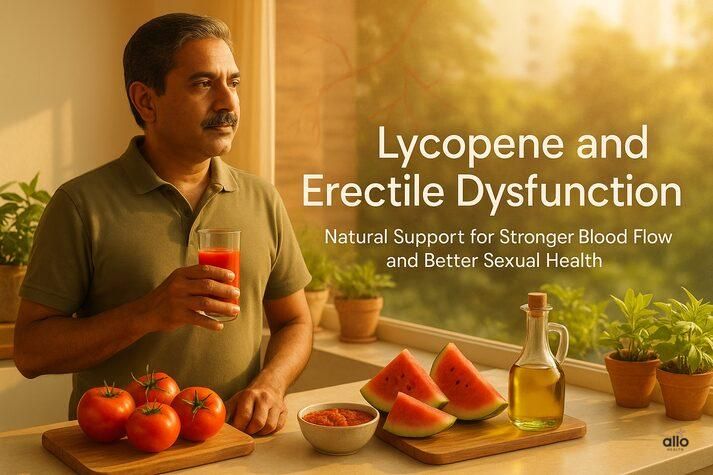
If you’ve been wondering whether lycopene can really help with erectile dysfunction, research suggests it might, thanks to its ability to protect blood vessels and improve blood flow, both essential for healthy erections. This antioxidant is naturally found in tomatoes, watermelon, and other red fruits. While most evidence comes from population and animal studies (not large clinical trials), 10–30 mg of lycopene per day appears safe and beneficial for overall vascular, heart, and prostate health. You can boost your intake naturally through a Mediterranean-style diet rich in tomato-based foods and olive oil. However, if ED persists, always consult a doctor to uncover and treat the root cause.
If you’ve been reading about natural ways to improve your sexual health, you’ve probably come across lycopene, the red pigment found in tomatoes, watermelon, and pink grapefruit. But beyond giving fruits their rich red color, lycopene may also play a role in erectile dysfunction (ED) and in promoting vascular health. Lycopene helps protect blood vessels in your penis from damage and keeps blood flowing smoothly. It also boosts nitric oxide, which is a molecule that relaxes blood vessels and improves circulation to the penis. In this article, we’ll explore how lycopene may help with erectile dysfunction, the best ways to use it safely, lycopene dosage for erectile dysfunction, and the potential risks to watch out for.

Allo asks
How do you usually get lycopene in your diet?
Does Lycopene Help with Erectile Dysfunction?
Yes, studies suggest that lycopene may help improve erectile function, mainly by protecting blood vessels and improving blood flow. This is similar to how PDE5 inhibitors like Viagra work, but naturally. Some of these studies are:
- A 2023 study found that men who consumed more lycopene had a lower risk of erectile dysfunction, showing a clear dose-response pattern. Which means that the higher the lycopene intake, the lower the likelihood of ED. [1]
- In animal studies on diabetes, lycopene given in different amounts helped the rats get back normal erections, reduced cell damage from stress, and improved blood flow in the penis. [2]
It is important to note that there are no well-established clinical trials proving that lycopene directly treats ED in humans — unlike Viagra (Sildenafil) for ED, which has decades of clinical data. Most of the current evidence comes from animal research and studies on lycopene’s properties that could improve cardiovascular health. Let's look at these in detail next.

How Does Lycopene Help with Erectile Dysfunction?
ED often happens when there is poor blood flow to the penis, the blood vessels are damaged, or the body doesn’t make enough nitric oxide, which is a molecule that helps you get and keep an erection. Lycopene is a plant compound from the carotenoid family, known for its antioxidant properties. [3]. It helps reduce cell damage caused by something called oxidative stress, which can harm your blood vessels and lower nitric oxide levels. Over time, oxidative stress can also lead to problems like heart disease and prostate cancer. Lycopene may help counter these problems through several mechanisms:
1. Boosts Nitric Oxide and Blood Flow
Lycopene helps stimulate endothelial nitric oxide synthase (eNOS), which is an enzyme that helps your body produce more nitric oxide — a mechanism that also underpins Cialis for ED. This, in turn, relaxes blood vessels, improves vascular health, and promotes stronger erections.
2. Reduces Oxidative Stress
By preventing harmful molecules called free radicals from causing cell damage, lycopene helps protect your blood vessels. Animal studies have shown that lycopene supplementation can prevent blood vessel damage(endothelial dysfunction). [5]

3. Anti-Inflammatory Effects
Lycopene helps reduce substances that cause inflammation in the body (pro-inflammatory cytokines)[6]. This helps prevent chronic inflammation that damages arteries and restricts blood flow to the penis.
4. Improves Cardiovascular and Metabolic Health
ED and cardiovascular disease share the same root causes: poor circulation, high cholesterol, high blood pressure, and insulin resistance. Lycopene supports cardiovascular health by:
- Improving lipid levels [7]
- Lowering blood pressure [8]
- Improving how well your blood vessels work( endothelial function) [9]
5. Supports Testosterone Health
There is also a link between higher lycopene intake and balanced testosterone levels, as well as a reduced risk of testosterone deficiency — and prescription options like Levitra (Vardenafil) for ED remain first-line when ED is clinical.
6. Supports Sperm Health
Research suggests lycopene improves sperm parameters like count, motility, and morphology. [10]. It may also help reduce Benign Prostatic Hyperplasia (BPH) and prostate cancer risk.

Possible Risks of Using Lycopene for ED
Lycopene is generally safe, even in higher dietary amounts. However:

- Over-supplementation can sometimes cause mild gastrointestinal upset (nausea or diarrhea).
- Excessive intake may mask vitamin deficiencies or interfere with beta-carotene metabolism.
- People with chronic liver disease or metabolic disorders should talk to their doctor before taking lycopene supplements, as their bodies may process it differently.
- Be cautious if you’re using cholesterol-lowering drugs, Omeprazole Capsules, or Danazol Capsules, since lycopene can affect how these medicines are absorbed.
- If you take multiple Energy Capsules or other supplements, it’s best to check with a healthcare provider to avoid unwanted interactions.

Lycopene Dosage for Erectile Dysfunction
There’s no official recommended dose for lycopene, but research on heart and sexual health suggests 10–30 mg per day is safe and effective. If you’re using supplements, look for standardized Lycopene Capsules or Antioxidant Capsules derived from tomato extract. Always consult your doctor before starting any supplements. It is important to note that lycopene is not a cure for ED. Its best results come when you combine it with other habits:
- Maintain a healthy body mass index (BMI)
- Keep blood pressure and blood glucose in check
- Manage stress and anxiety symptoms
- Exercise regularly (supports pelvic floor and blood circulation)
- Limit processed meats, red meat, and saturated fats
If ED persists, it’s important to consult a doctor to identify the underlying cause. A healthcare professional can run the right tests, recommend treatments, and guide you toward safe options.

How to Get Lycopene Naturally
You don’t need pills to start getting benefits, as your kitchen already has great options.
Top Lycopene-Rich Foods:
- Tomatoes and tomato products (sauce, paste, juice, ketchup)
- Watermelon
- Pink grapefruit
- Papaya
- Pink guava
- Apricots
Tip: Cooked tomato products (like tomato paste) deliver more absorbable lycopene than raw tomatoes. For most men, including a balanced diet which is rich in olive oil and omega-3 fatty acids, and low in saturated fats and processed foods, can be beneficial for overall and sexual health.
Mediterranean Lycopene Dip
Here’s an easy recipe you can incorporate into your diet — alongside natural adjuncts like Gotu Kola for ED. Ingredients:
- ½ cup tomato juice (unsalted or freshly made)
- 2 medium ripe tomatoes, chopped
- 1 small clove of garlic, minced
- 1 tablespoon extra virgin olive oil
- ½ cup Greek yogurt or hung curd
- 1 teaspoon lemon juice
- A pinch of black pepper, salt, and paprika
- Fresh basil or parsley, finely chopped
Instructions:
- In a blender, combine tomato juice, chopped tomatoes, garlic, olive oil, and lemon juice.
- Blend until smooth, then stir in the Greek yogurt to create a creamy texture.
- Season with salt, pepper, and paprika.
- Garnish with chopped basil or parsley and a drizzle of olive oil.
- This dip is a delicious way to boost your lycopene intake. The combination of tomato juice and olive oil helps your body absorb lycopene more efficiently, while yogurt adds a protein-rich, cooling balance.
If your erection problems persist, it’s important to see a doctor. Lycopene can support your recovery, but it works best alongside proper medical care and lifestyle changes.

Conclusion:
Lycopene’s natural antioxidant and blood vessel–relaxing effects make it a valuable addition to any diet that supports men’s sexual and heart health. While more clinical research is needed to confirm its direct impact on erectile dysfunction, current evidence shows that regular lycopene intake, from foods or supplements, may help lower ED risk and promote better heart, prostate, and reproductive wellness. However, don’t rely on natural remedies alone. If ED persists, it’s important to see a doctor. A medical professional can identify the underlying cause and recommend the right treatment to help you regain confidence and long-term sexual wellness.
Disclaimer
The following blog article discusses food and diet-related information for general educational purposes. However, it is important to note that the information provided is not intended as personalized dietary advice and should not be considered a substitute for professional guidance from a registered dietitian or qualified healthcare professional. Before making any significant changes to your diet or nutrition plan, it is recommended to consult with a registered dietitian or healthcare professional. Dietary changes can have a significant impact on your overall health and well-being. It is important to approach any changes to your diet in a balanced and sustainable manner, ensuring that you meet your nutritional needs and avoid any potential nutrient deficiencies. Rapid or extreme changes in dietary patterns can be detrimental to your health and may require professional guidance. It is crucial to note that any specific dietary recommendations or guidelines mentioned in this article may not be appropriate for individuals with specific medical conditions, allergies, or intolerances. A registered dietitian or healthcare professional can provide individualized advice, including modifications or alternative food choices to accommodate your unique circumstances. The information provided in this article may not encompass all possible dietary considerations or account for the latest research and nutritional guidelines.
Most Asked Questions
Can lycopene help with erectile dysfunction?
Lycopene may help by improving blood flow and protecting the blood vessels that supply the penis. It boosts nitric oxide, which helps you achieve and maintain an erection. While results are promising, more clinical research is needed to confirm its direct effects.
What is the best lycopene dosage for erectile dysfunction?
There’s no official dose yet, but studies on heart and sexual health suggest that 10–30 mg of lycopene per day is safe and effective. You can get this amount through diet or standardized supplements.
Which foods are highest in lycopene?
Lycopene-rich foods include tomatoes, tomato juice, watermelon, papaya, pink grapefruit, pink guava, and apricots. Cooked tomato products, like tomato paste or sauce, actually offer more absorbable lycopene than raw tomatoes.
How long does it take for lycopene to work for ED?
There’s no fixed timeline. Most studies show benefits after 8–12 weeks of regular intake, especially when combined with healthy habits like exercise, a balanced diet, and stress management.
Can I take lycopene with other medications?
If you’re on cholesterol-lowering drugs, Omeprazole, or Danazol, consult your doctor first, as lycopene can affect how these medications are absorbed. Always inform your doctor about any supplements you take.
Sources
- 1.
Lycopene intake and the risk of erectile dysfunction in US adults
- 2.
Lycopene ameliorates erectile dysfunction in diabetic rats
- 3.
Lycopene as a Natural Antioxidant Used to Prevent Human Health Disorders
- 4.
Lycopene Increases Nitric Oxide Bioavailability
- 5.
Lycopene and Vascular Health
- 6.
Lycopene inhibits proinflammatory cytokine and chemokine
- 7.
Protective effect of lycopene on serum cholesterol
- 8.
Lycopene Supplement and Blood Pressure
- 9.
Effects of oral lycopene supplementation on vascular function
- 10.
Association of Lycopene and Male Reproductive Health