Turmeric and Erectile Dysfunction: Uses and Benefits of Curcumin on Sexual Health
Written by Dr. Pranitha Bangera

Dr. Pranitha Bangera is a gold-medalist healthcare professional with an elite foundation in clinical training and patient care. A researcher at heart, she specializes in creating high-impact, research-driven medical content that empowers readers through accessible patient education. Dr. Bangera focuses on the intersection of digital health and clinical communication, specifically within the fields of sexual health and mental well-being. Her work is dedicated to making complex medical innovations understandable and trustworthy for a global audience.
•
July 30, 2026
Our experts continually monitor the health and wellness space, and we update our articles when new information becomes available.
Quick Read
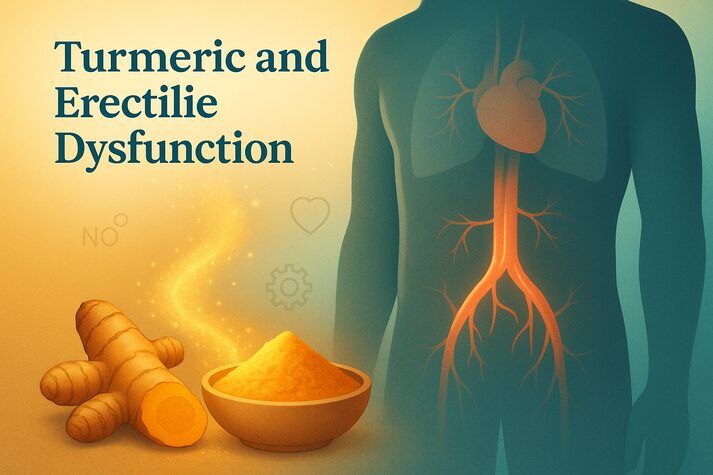
Turmeric may support erectile health by improving blood flow, reducing inflammation, and helping balance hormones, thanks to its active compound, curcumin. However, it’s not a proven treatment for erectile dysfunction. Most studies are based on animals, not humans. While adding turmeric to your diet is safe for general wellness, supplements should be used with caution, especially if you take blood thinners or have liver or iron issues. Think of turmeric as a supportive aid, not a cure, and consult a doctor if you experience ongoing erection problems.
Is Turmeric Good for Erectile Dysfunction? Turmeric may indirectly support erectile health through curcumin, its active compound, which has shown anti-inflammatory and blood flow–boosting effects in animal and small human studies. It is not a proven standalone treatment for ED, and most research so far is preclinical, but it may offer real supportive benefits alongside medical treatment.
In this article, you'll learn how curcumin may influence blood flow, inflammation, and hormone levels relevant to erectile function, the safest ways to use turmeric, and the risks to watch for if you're on medication or have existing health conditions.
How Curcumin Affects Erectile Function
Curcumin, the bioactive compound in turmeric (Curcuma longa), may indirectly support erectile function through its anti-inflammatory and antioxidant effects. It helps reduce oxidative stress, a key contributor to cardiovascular risk factors that can cause erectile dysfunction, and some studies suggest it may improve blood flow and nitric oxide availability, both essential for healthy erections.[1] However, most of this research has been conducted on animals, and while the findings are promising, there isn't yet enough large-scale human data to confirm turmeric as a reliable ED treatment.

Allo asks
Do you believe natural remedies like turmeric can help with ED?
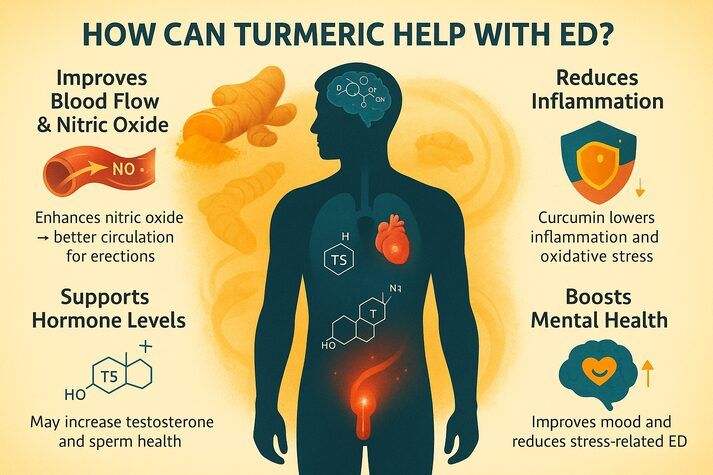
How Can Turmeric Help with ED?
To understand the potential connection between turmeric and erectile dysfunction, let’s look at how it may influence biological processes involved in erections.
1. Improves Blood Flow and Nitric Oxide Levels
Erections depend on good blood flow and the release of nitric oxide, a chemical that tells the blood vessels in the penis to relax, so that more blood can flow into it to get a good erection. Studies show that curcumin can enhance the activity of an enzyme (endothelial nitric oxide synthase) that helps produce nitric oxide.[2] In one animal study, curcumin helped improve how the nerves and blood vessels communicate. (erectile signaling) .It also helped with erection strength (intracorporal pressure) and reduced damage caused to blood vessels by harmful molecules(vascular oxidative stress). [3] A 2017 study found that 2,000 mg of curcumin daily improved blood vessel health (arterial endothelial function) and reduced cell damage ( oxidative stress), which suggests that it may support better circulation. [1]

2. Reduces Inflammation
Chronic inflammation is recognized as a risk factor for erectile dysfunction. It can damage cells in the blood vessels of the penis (penile endothelial cells) and the nerves responsible for erection. Curcumin’s bioactive effects, like its anti-inflammatory properties, may help protect these delicate tissues. Studies show that curcumin helps lower inflammation (inflammatory markers ) by turning on the body’s natural defense systems (modulating Nrf2 pathways, heme oxygenase-1, and nitric oxide synthase).[4] This helps the body to fight against inflammation that causes cell damage.
3. May Support Hormone Levels
Testosterone is important for erections because it boosts sex drive and helps blood flow to the penis. Some research suggests turmeric may help increase testosterone levels. In one study, rats with normal and high blood pressure were given ginger and turmeric. The turmeric group showed lower blood pressure, better sperm motility, and higher testosterone levels.[5]
4. Supports Mental Health
Curcumin has also been shown to elevate dopamine, serotonin, and noradrenaline, which are brain chemicals that reduce psychological factors that can cause ED. [6] So while turmeric isn’t a direct treatment for ED, it may improve overall sexual function and wellbeing, making it a potential addition to a healthy lifestyle.
Possible Risks of Using Turmeric for ED
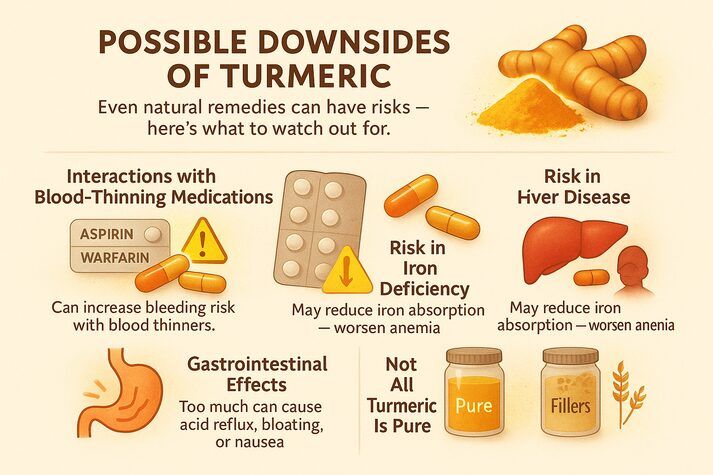
Even natural remedies can have risks. Here’s what to watch out for:
1. Interactions with Blood-Thinning Medications
Turmeric’s natural blood-thinning effect means it can interfere with drugs like aspirin, heparin, warfarin, clopidogrel, and other blood-thinning medications. [7] Combining them can increase your risk of bleeding or bruising. Avoid turmeric supplements if you’re already using blood thinners or before surgery.

2. Risk in Liver Disease
While turmeric can help the liver remove toxins, taking it in high doses may actually worsen certain liver problems, like autoimmune hepatitis or other forms of liver injury. [8] If you already have liver issues, it’s best to avoid turmeric supplements unless your doctor says it’s safe.
3. Risk in Iron Deficiency
Turmeric can reduce the body’s ability to absorb iron, which may make iron deficiency or anemia worse. [9] If you often feel tired or have been diagnosed with low iron, be cautious with turmeric supplements. People with conditions like celiac disease or other vascular health issues should always check with their doctor before using turmeric regularly.
3. Gastrointestinal Effects
Excessive turmeric can cause acid reflux, bloating, or gastrointestinal effects like nausea or diarrhea. It can also increase bile secretion, which may aggravate gallstones or stomach issues.
4. Not All Turmeric Is Pure
Some commercial turmeric powders are adulterated with fillers like barley or wheat flour, which can cause problems for those with gluten sensitivity.
How to Use Turmeric for ED?
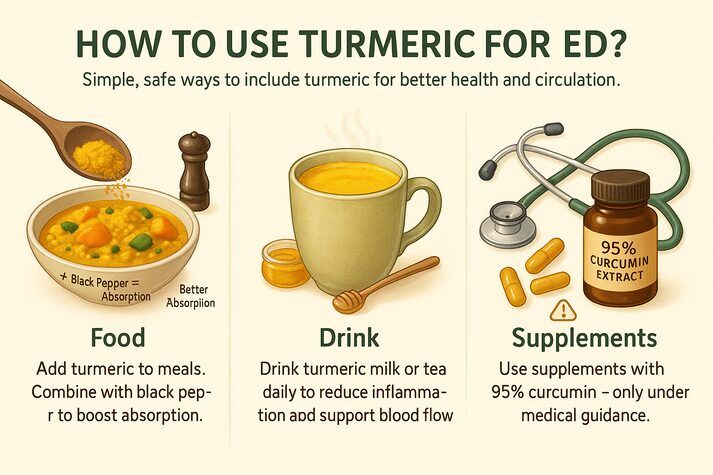
If you want to include turmeric in your daily routine for its health benefits, here are some simple and safe ways:
1. Raw or Ground Spice in Food
Add turmeric powder to curries, soups, or smoothies. The ground spice form contains about 3% curcumin, small but effective over time for general wellness. Tip: Combine turmeric with black pepper (which contains piperine) to boost absorption. This pairing enhances curcumin’s effects by up to 2,000%.[10]
2. Turmeric Milk or Tea
A cup of warm turmeric milk (haldi doodh) or turmeric tea can be soothing and anti-inflammatory. You can add honey for taste and additional antioxidant effects.
3. Turmeric Extracts or Capsules
If you want more concentrated doses, supplements containing 95% curcumin are available. However, always consult your doctor first, especially if you take blood thinners, have liver disease, or experience iron deficiency anemia.
If you’re curious about natural options like turmeric, that’s great, but don’t skip seeing a doctor. ED is often linked to things like diabetes or high blood pressure that need proper care.
Conclusion
Turmeric and erectile dysfunction are connected more through overall health support than direct treatment. Turmeric’s ability to reduce oxidative stress, support blood flow, and balance hormone levels makes it a valuable herbal medicine for general wellness. Think of turmeric as a supportive addition and not a standalone solution. Healthy lifestyle changes, a balanced diet, and medicines like PDE-5 inhibitors and treatments like penis pumps and vacuum erectile devices remain the most effective approach to improving your sexual health and overall well-being. If you experience erectile issues, it’s always best to consult a doctor.
Disclaimer
The following blog article discusses food and diet-related information for general educational purposes. However, it is important to note that the information provided is not intended as personalized dietary advice and should not be considered a substitute for professional guidance from a registered dietitian or qualified healthcare professional. Before making any significant changes to your diet or nutrition plan, it is recommended to consult with a registered dietitian or healthcare professional. Dietary changes can have a significant impact on your overall health and well-being. It is important to approach any changes to your diet in a balanced and sustainable manner, ensuring that you meet your nutritional needs and avoid any potential nutrient deficiencies. Rapid or extreme changes in dietary patterns can be detrimental to your health and may require professional guidance. It is crucial to note that any specific dietary recommendations or guidelines mentioned in this article may not be appropriate for individuals with specific medical conditions, allergies, or intolerances. A registered dietitian or healthcare professional can provide individualized advice, including modifications or alternative food choices to accommodate your unique circumstances. The information provided in this article may not encompass all possible dietary considerations or account for the latest research and nutritional guidelines.
Sources
- 1.
Dietary supplementation of ginger and turmeric improves reproductive function
- 2.
Curcumin supplementation improves vascular endothelial function
- 3.
Ameliorative effects of curcumin
- 4.
Curcumin and Heme Oxygenase
- 5.
Some research suggests turmeric may help increase testosterone levels
- 6.
Curcumin as a Multifunctional Spice Ingredient against Mental Disorders in Humans
- 7.
Anticoagulant activities of curcumin and its derivative
- 8.
Turmeric-Induced Liver Injury
- 9.
Iron Deficiency Anemia Due to High-dose Turmeric
- 10.
Influence of piperine on the pharmacokinetics of curcumin
Why Should You Trust Us?
Why Should You Trust Us?
This article was written by Dr. Pranitha Bangera, who has more than 1 years of experience in the healthcare industry.
Allo has the expertise of over 50+ doctors who have treated more than 1.5 lakh patients both online and offline across 30+ clinics.
Our mission is to provide reliable, accurate, and practical health information to help you make informed decisions.
For This Article
- We reviewed top-ranking articles on turmeric and erectile dysfunction across major health platforms to ensure our content addresses the full range of questions readers are searching for.
- We analyzed 10 published research sources on curcumin's effects on vascular health, inflammation, and hormone levels, including a 2017 human trial on arterial endothelial function and preclinical studies on erectile signaling.
- We referenced clinical findings on curcumin's interaction with nitric oxide synthase and its role in blood vessel relaxation, to accurately explain the biological mechanism rather than relying on general claims.
- We cross-checked safety data on turmeric's interaction with blood thinners, liver conditions, and iron absorption, so readers with existing health concerns have a clear, medically grounded risk picture.
- Our content reflects Allo Health's internal clinical experience treating ED patients, ensuring the guidance here is grounded in real-world practice, not just published literature.