Effects Of Sex Addiction On Spouse
Medically reviewed by Mrs. Satadeepa Som

Satadeepa is a Psychologist with 5 yrears of experience in the field of mental health and holds a Master's Degree in Clinical Psychology. Her areas of work interest and specialization include anxiety & mood disroders, relationship issues, self esteem development, grief, behavioural sleep medicine and sexual wellness.
•
Written by Anoush Gomes

Anoush Gomes is a seasoned Content Writer with over 10 years of experience, specializing in various writing styles such as medical content, creative writing, storytelling, and research papers. Anoush embarked on a unique journey, starting with pre-medical studies at the Dante Aligheri Academy and the University of Miami, where she earned a Bachelor's degree with a major in Biology and a minor in Psychology.Having pursued medical school and completed clinicals, Anoush transitioned to the world of medical content writing, where her passion for both healthcare and writing converged. Her writing skills encompass persuasive, narrative, expository, and descriptive styles, making complex medical concepts accessible to diverse audiences.Beyond her professional endeavors, Anoush is a multi-faceted individual with a rich tapestry of interests. A writer, artist, poet, avid reader, certified nerd, and hopeful author, she finds inspiration in the intersection of creativity and science.Whether crafting engaging medical narratives or weaving captivating stories, Anoush combines her diverse background and writing expertise to deliver compelling content that resonates with diverse audiences.
•
July 30, 2026
Our experts continually monitor the health and wellness space, and we update our articles when new information becomes available.
Sex education is a term that has been around for decades, yet there is still some confusion surrounding what it actually means. Simply put, sex education is a type of education that focuses on teaching people about human sexuality, including the physical, emotional, and social aspects of sexuality.
Sex addiction is a psychological disorder that can have devastating effects on the individual suffering from it. It has the potential to effect an individuals physical and mental health, as well as their loved ones. Spouses of sex addicts often bear the brunt of this disorder, experiencing a range of negative emotional, physical, and psychological effects.
What is Sex Addiction?
Sex addiction, also known as hypersexual disorder, is a behavioral disorder characterized by compulsive sexual behavior that interferes with an individual's daily life. People with sex addiction often feel out of control and powerless to stop their sexual behavior, despite the negative consequences it may bring.
Sex addiction can take many forms, including excessive use of pornography, compulsive masturbation, infidelity, anonymous sexual encounters, and other types of risky sexual behavior. The disorder is often rooted in adverse childhood experiences (ACEs), such as the history of trauma or abuse.
Effects on Partners of Sex Addicts
Sex addiction can have a profound impact on the spouse of the person suffering from the disorder. The following are some of the most common effects:

Betrayal and Broken Trust
One of the most devastating effects of sex addiction on the spouse is the betrayal of trust that often accompanies the disorder. When a spouse discovers that their partner has been engaging in compulsive sexual behavior, it can shatter their sense of security and undermine the foundation of the relationship.
Emotional Distress
The emotional distress experienced by the spouse of a sex addict can be overwhelming. Feelings of anger, shame, guilt, and helplessness are common, as well as anxiety and depression. The spouse may also experience a sense of isolation and loneliness, as they may feel unable to confide in others about the situation.
Physical Health Problems
The stress and emotional turmoil of living with a sex addict can take a toll on the spouse's physical health. They may experience fatigue, headaches, and other stress-related symptoms, as well as an increased risk of developing illnesses such as high blood pressure and heart disease.
Sexual Dysfunction
Sex addiction can lead to sexual dysfunction in the spouse of the person suffering from the disorder. They may experience a loss of interest in sex, difficulty becoming aroused, or other problems related to sexual performance. This can further strain the relationship and exacerbate the emotional distress already experienced by the spouse.

Financial Problems
Sex addiction can also have financial consequences for the spouse. The person suffering from the disorder may spend large amounts of money on pornography, prostitutes, or other sexual services, which can lead to financial strain and debt for the couple.
Legal Consequences
In some cases, the compulsive sexual behavior associated with sex addiction can lead to legal problems for the person suffering from the disorder, and by extension, their spouse. This can include charges related to prostitution, solicitation, or other illegal activities.
Seeking Help and Support

Living with a sex addict can be a traumatic and isolating experience for the spouse. However, it's important to remember that there is help and support available.
Individual Therapy
Individual therapy can be a valuable resource for the spouse of a sex addict. A therapist can provide a safe and supportive environment for the spouse to explore their feelings and develop coping strategies. They may also be able to help the spouse address any underlying concerns that may have contributed to the development of the sex addiction.
Couples Therapy
Couples therapy can be an effective way to address the impact of sex addiction on the relationship. A therapist can help the couple rebuild trust and intimacy, and develop strategies for managing the challenges of living with a sex addict.
Support Groups
Support groups can provide a sense of community and validation for the spouse of a sex addict. They can also offer practical advice and support for managing the emotional distress and practical challenges associated with the disorder.
Self-Care
Self-care is an essential part of managing the effects of sex addiction on the spouse. Taking care of oneself can help reduce stress and improve emotional well-being. Some self-care strategies may include exercise, healthy eating, meditation, and engaging in enjoyable activities.
Boundaries and Safety Planning
Setting boundaries and safety planning can also be important for the spouse of a sex addict. This may involve setting limits on the behavior of the person suffering from the disorder, and developing strategies for protecting oneself from harm. A therapist or support group can provide guidance on setting and maintaining healthy boundaries.
Psychological Effects of Sex Addiction
Sex addiction is a complex condition that can be difficult to diagnose, as it can manifest in different ways for different people. However, there are certain commonalities that are often present in those who struggle with sex addiction. These include:
- A persistent preoccupation with sexual thoughts or fantasies
- An inability to control sexual behavior, despite the negative consequences it may have
- A tendency to engage in risky sexual behaviors, such as unprotected sex or having multiple partners
- A feeling of shame or guilt associated with sexual behavior
Here are some of the psychological effects that spouses of sex addicts may experience.
Isolation
When a partner is struggling with sex addiction, they may become withdrawn and secretive. This can leave their spouse feeling isolated and alone. The spouse may feel as though they are the only one in the relationship, as their partner is consumed by their addiction. This can lead to feelings of loneliness and abandonment.
Shame and Guilt
The spouse of someone struggling with sex addiction may also experience feelings of shame and guilt. They may feel as though they are somehow responsible for their partner's addiction, or that they are not enough to satisfy their partner's sexual desires. These feelings can be overwhelming and can lead to a loss of self-esteem.
Fear and Anxiety
The spouse of someone struggling with sex addiction may also experience fear and anxiety. They may worry about their partner's safety, both physical and emotional. They may also worry about the future of their relationship and whether it can survive the addiction.
Trauma
Discovering that a partner has been engaging in sexual behavior with others can be traumatic for the spouse. They may experience flashbacks, nightmares, and intrusive thoughts about the betrayal. This can lead to post-traumatic stress disorder (PTSD), which can have a long-lasting impact on the individual's mental health.
Depression
The spouse of someone struggling with sex addiction may also experience depression. They may feel as though they have lost the person they love, and that the relationship is beyond repair. They may also feel hopeless about the future and their ability to move past the addiction.
Anger
Anger is a common emotion that the spouse of someone struggling with sex addiction may experience. They may feel as though they have been wronged, and that their partner has caused them immense pain. The anger can be directed at the partner, themselves, or even at a higher power.
Codependency
Codependency is a common psychological effect of sexual addiction on the spouse. Codependency is a pattern of behavior where one person puts the needs of others before their own, to the point where it becomes detrimental to their own well-being. The spouse of someone struggling with sexual addiction may become codependent, as they try to control their partner's behavior and prevent them from engaging in risky sexual behavior.
Trust Concerns
Trust is a fundamental aspect of any relationship, and when one partner is struggling with sexual addiction, it can shatter the trust that exists between the two individuals. The spouse may find it difficult to trust their partner again, even after they have completed treatment for their addiction.
Low Self-Esteem
The spouse of someone struggling with sexual addiction may also experience low self-esteem. They may feel as though they are not enough for their partner, and that their partner's addiction is a reflection of their inadequacy. This can lead to feelings of worthlessness and a loss of self-confidence.

Coping with the Psychological Effects of Sex Addiction
Coping with the psychological effects of sex addiction can be challenging, but there are several strategies that can help. Here are some tips for coping with the psychological effects of sex addiction on the spouse:
Seek Support
It is essential to seek support when coping with the psychological effects of sex addiction. This can come in the form of therapy, support groups, or even just talking to a trusted friend or family member. Support can help you feel less alone and can provide you with the tools and resources you need to cope with the effects of the addiction.
Practice Self-Care
Self-care is essential when coping with the psychological effects of sex addiction. This can include activities such as exercise, meditation, or even just taking a relaxing bath. Practicing self-care can help you feel more relaxed and centered, and can help you cope with the stress and anxiety that comes with the addiction.
Set Boundaries
Setting boundaries is crucial when dealing with sex addiction. It is important to set boundaries around what you are willing to tolerate in the relationship and what you are not. This can help you feel more in control and can prevent your partner from engaging in risky sexual behavior.
Consider Therapy
Therapy can be an effective way to cope with the psychological effects of sex addiction. A therapist can provide you with the tools and resources you need to manage the stress and anxiety that comes with the addiction. They can also help you work through any trauma or emotional pain that you may be experiencing.
Communicate Openly
Communication is essential when coping with the psychological effects of sex addiction. It is important to communicate openly with your partner about your feelings and your needs. This can help you feel more connected to your partner and can prevent misunderstandings or miscommunications.
Sex addiction can have a profound impact on the spouse of the individual who is struggling with the addiction. It can lead to feelings of betrayal, isolation, shame, and guilt. It can also lead to more severe psychological consequences such as PTSD, depression, and anxiety.
With time, patience, and support, it is possible to move past the psychological consequences of sex addiction and rebuild a healthy and fulfilling relationship.
Coping With The Road To Recovery Process Of Your Partner
Recovery from sex addiction is a long and challenging journey that requires commitment, dedication, and support. As a spouse or partner of someone with a sex addiction, you play a critical role in their recovery process. Here are some ways you can support your spouse in their journey towards healing:
Seek Professional Help
The first step towards coping with your spouse's sex addiction recovery is seeking professional help. It is essential to understand that sex addiction is a complex disorder that requires specialized treatment. Seeking the help of a therapist or a counselor who specializes in sex addiction can provide you with the knowledge and skills you need to navigate the recovery process with your spouse.
A qualified therapist can also help you work through the emotional and mental challenges that come with supporting a spouse with sex addiction. They can help you develop coping mechanisms to deal with the stress, anxiety, and depression that may arise during the recovery process.
Practice Empathy and Understanding
Dealing with a spouse's sex addiction can be a challenging and emotional experience. It is crucial to practice empathy and understanding towards your partner during this difficult time. Understand that sex addiction is a disorder that affects the brain, and your partner may be struggling with intense feelings of shame, guilt, and self-hatred.
Avoid judging your partner for their behavior and instead focus on supporting them in their journey towards recovery. Show empathy by listening to their concerns, validating their emotions, and offering your support. This approach can help your partner feel more comfortable opening up to you about their struggles and seeking help.
Create a Supportive Environment
Creating a supportive environment for your partner can also play a significant role in their recovery process. Encourage your partner to attend support groups for sex addiction, where they can connect with other individuals who are going through a similar experience.
You can also create a supportive home environment by establishing open communication, setting boundaries, and practicing self-care. Make sure to express your own needs and emotions to your partner, set boundaries to protect your well-being, and prioritize your own mental and emotional health.
Focus on Healing and Growth
Recovery from sex addiction involves healing and growth, both for the individual with the addiction and their partner. While supporting your partner in their journey towards recovery, it is essential to focus on your own healing and growth as well.
Take the time to identify your own emotions and needs, and work on developing healthy coping mechanisms to deal with the challenges of supporting a spouse with sex addiction. Consider attending therapy or support groups to connect with others in similar situations and work on your own healing.
Practice Patience and Forgiveness
Finally, coping with a spouse's sex addiction recovery requires patience and forgiveness. It is crucial to understand that recovery from sex addiction is a long and challenging process that requires time, effort, and commitment. There may be setbacks and relapses along the way, but it is essential to practice patience and support your partner through these challenging times.
Forgiveness is also an essential aspect of the recovery process. While it may be difficult to forgive your partner for their actions, holding onto anger and resentment can hinder both your partner's recovery and your own healing. Forgiveness does not mean forgetting or condoning the behavior, but it does mean choosing to let go of the negative emotions and moving forward towards healing.
Sex addiction can have profound effects on the spouse of the person suffering from the disorder. Betrayal, emotional distress, physical health problems, sexual dysfunction, financial problems, and legal problems are all common consequences.
Seeking help and support through individual therapy, couples therapy, support groups, self-care, and safety planning can be important for managing the impact of the disorder on the spouse. With the right support and resources, it is possible for spouses of sex addicts to heal and rebuild their lives.
lity. This education is typically provided in schools, but it can also be obtained through other means such as books, online resources, and community health centers. In today's society, where access to information about sexuality is more readily available than ever before, it is essential to understand what sex education means and its importance.
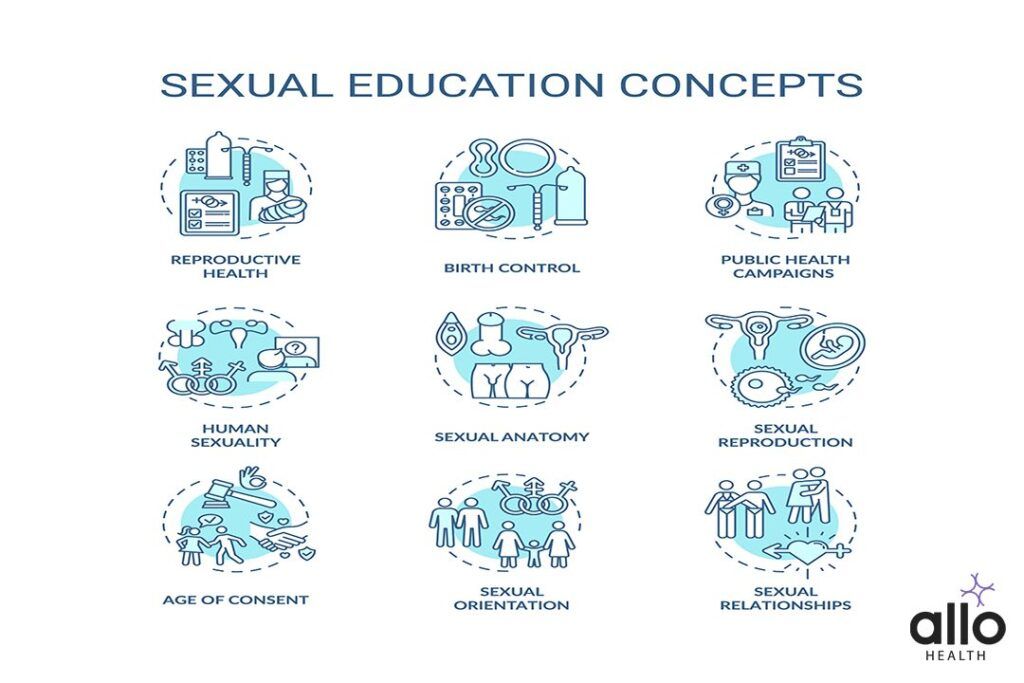
What Is Sex Education?
Sex Ed is a comprehensive program that teaches individuals about human sexuality. This includes information about the human reproductive system, sexual health, contraception, pregnancy, childbirth, sexually transmitted infections (STIs), relationships, and consent. Sex Ed can be taught in a variety of settings, including schools, community centers, and healthcare facilities. Sex Ed programs vary depending on the country, culture, and individual preferences. In some countries, sexuality education is taught from a religious perspective, while in others, it is taught from a scientific perspective. Regardless of the approach, Sex Ed programs aim to provide accurate and non-judgmental information that promotes healthy sexual behavior and relationships.
History Of Sex Education
Sex Ed has been around for centuries, but it has not always been taught in a structured manner. In the early 20th century, sex education was typically provided to young women in preparation for marriage. The focus was on teaching women how to be good wives and mothers, and the curriculum was often limited to anatomy, hygiene, and childbirth. In the 1960s and 1970s, the sexual revolution brought about a shift in attitudes towards sexuality. The advent of the birth control pill and the legalization of abortion led to increased sexual activity and a need for comprehensive sex education. In the United States, the federal government established Title X funding, which provided funding for family planning services, including sex education programs. Today, sex education continues to evolve, and there is a growing recognition of the need for comprehensive sex education that includes information about consent, gender identity, and sexual orientation.
Types Of Sex Education
Comprehensive Sex Education
Comprehensive sex education aims to provide a holistic approach to sex education. It covers a wide range of topics such as anatomy, puberty, contraception, STIs, and healthy relationships. Comprehensive sex education also emphasizes the importance of consent, communication, and respect in sexual relationships. This type of Sex Ed is inclusive and non-judgmental, providing accurate information to help individuals make informed decisions about their sexual health.
Abstinence-Only Sex Education
Abstinence-only sex education promotes the idea that the only way to avoid STIs and unplanned pregnancies is by abstaining from sexual activity. This type of Sex Ed typically avoids discussing contraception and safe sex practices. It may also include messages about the moral implications of premarital sex. While abstinence is a valid choice, studies show that abstinence-only sex education is not effective in preventing STIs or unplanned pregnancies.
Gender-Specific Sex Education
Gender-specific sexual health education is tailored to meet the specific needs of boys and girls. This type of sex education recognizes that boys and girls have different experiences of puberty, sexuality, and relationships. Gender-specific sex education aims to provide a safe and comfortable environment for boys and girls to ask questions and learn about their bodies and sexual health.
Culturally-Specific Sex Education
Culturally-specific sex education takes into account the diverse cultural beliefs and values of different communities. This type of Sex Ed recognizes that attitudes towards sex and sexuality vary across different cultures. Culturally-specific sex education provides information that is relevant and sensitive to the cultural background of the individuals it serves.
Faith-Based Sex Education
Faith-based sexual health education incorporates religious beliefs into sex education. This type of Sex Ed may promote abstinence until marriage, and emphasize the spiritual and moral aspects of sexuality. Faith-based sex education may also provide information about contraception and STIs, but in the context of religious teachings.
Why Is Sex Education Important?
Sexual health education is essential for a number of reasons. First and foremost, it provides individuals with accurate information about human sexuality, which can help them make informed decisions about their sexual health and relationships. By understanding the risks and benefits of different sexual behaviors, individuals can make choices that are consistent with their values and preferences. Sex Ed is also important for preventing unwanted pregnancies and STIs. Comprehensive sex education programs that teach about contraception and safe sexual intercourse practices have been shown to reduce rates of teen pregnancy and STIs. Finally, Sex Ed can help promote healthy relationships and prevent sexual violence. By teaching individuals about consent, boundaries, and respect for others, sexuality education can help prevent sexual harassment and assault.
Benefits Of Sex Education
There are numerous benefits to receiving comprehensive sex education. Some of these benefits include:
- Improved Sexual Health: Comprehensive sex education programs provide individuals with accurate information about sexual health, including contraception, STIs, and pregnancy. By understanding the risks and benefits of different sexual behaviors, individuals can make informed decisions that promote their sexual health.
- Reduced Rates of Teen Pregnancy: Sex education programs that teach about contraception and safe sex practices have been shown to reduce rates of teen pregnancy.
- Decreased Rates of STIs: Comprehensive sex education programs can also reduce rates of STIs by teaching individuals about safe sex practices and the importance of regular STI testing.
- Sexuality education programs that teach about consent can help prevent sexual harassment and assault by promoting healthy relationships and respect for others. Individuals who receive comprehensive sex education are more likely to understand what consent means and how to communicate their boundaries effectively.
- Improved Communication Skills: Sex education programs can also improve communication skills related to sexuality. By teaching individuals how to talk about sex and sexuality in a non-judgmental way, they are more likely to feel comfortable discussing these topics with their partners.
- Increased Self-Confidence: Comprehensive sexuality education programs can also increase self-confidence by providing individuals with accurate information about their bodies and sexuality. This knowledge can help individuals feel more comfortable with their bodies and more confident in their sexual experiences.
- Reduced Stigma: Sexuality education programs that teach about sexual orientation and gender identity can help reduce stigma and discrimination against LGBTQ+ individuals. By promoting acceptance and understanding, sexuality education can help create a more inclusive and supportive society.
Factors That Influence The Age Of Sex Education
The age at which Sex Ed should begin is influenced by various factors, including:
- Physical Development: Children undergo significant physical changes as they grow. They start developing sexual organs and experiencing sexual feelings. Understanding these changes is essential in guiding their behavior and choices.
- Mental Development: Children's mental abilities and understanding of sexual intercourse evolve as they grow. At a certain age, they begin to understand the basic concepts of sex and sexuality, and they become curious.
- Social Factors: Society's attitudes towards sexual intercourse and sexuality can influence when Sex Ed should be taught. Societal norms and cultural practices may affect the age at which children are exposed to sexual education.
- Family Values: The values and beliefs of parents or guardians regarding sex and sexuality can impact when Sex Ed should begin. Some families may be conservative and prefer to delay Sex Ed, while others may be open and initiate sex education at an earlier age.
At What Age Should Sexual Health Education Begin?
Benefits Of Early Sex Education
Starting Sex Ed early has several benefits:
- Builds Trust: Early Sex Ed helps build trust between parents, educators, and children. Children feel more comfortable asking questions and seeking guidance.
- Can prevent Sexual Abuse: Sex Ed?helps children identify inappropriate behavior and recognize potential dangers. This knowledge can protect them from sexual abuse.
- Reduces Risky Behavior: Early Sex Ed can reduce the likelihood of engaging in risky behavior. Children who understand the consequences of their actions are more likely to make responsible decisions.
- Promotes Healthy Relationships: Early Sex Ed teaches children about healthy relationships, communication, and boundaries. These skills help children form healthy relationships later in life.
Sex Education And Sexual Diversity
Sex Ed is a critical tool in promoting sexual diversity. It provides information about different sexual orientations and gender identities, which can help people better understand and accept diverse sexual orientations. Sex Ed can also promote inclusivity and help reduce stigma and discrimination against people with diverse sexual orientations. Furthermore, sex education can help individuals explore and understand their own sexual orientation and gender identity. It can also provide support and resources for individuals who may be questioning their sexual orientation or gender identity. By doing so, Sex Ed can help individuals feel more comfortable and confident in their own skin.
Sex Education And Sexual Expression
Sexual expression is an essential aspect of sexual health and wellbeing. It allows individuals to communicate their sexual needs and desires, which can help build stronger relationships and increase sexual satisfaction. Sexuality education plays a crucial role in promoting sexual expression by providing individuals with the tools and resources they need to communicate effectively about their sexual needs and desires. Sex Ed can also help individuals understand their bodies and learn how to explore and express their sexuality in a safe and healthy way. This includes learning about consent, contraception, and safe sex practices. By providing individuals with this information, Sex Ed can help reduce the risk of sexually transmitted infections (STIs) and unintended pregnancies, which can have a significant impact on an individual's sexual health and wellbeing.
The Importance Of Inclusive Sex Education
Inclusive sex education is critical in promoting sexual diversity and expression. It is essential to provide information about different sexual orientations and gender identities, as well as addressing the unique needs and challenges faced by individuals with diverse sexual orientations and gender identities. Inclusive sexuality education can help reduce stigma and discrimination and promote inclusivity and acceptance of all individuals. Inclusive sex education should also address the needs of individuals with disabilities, as they may face unique challenges related to their sexuality. By providing inclusive sex education, individuals with disabilities can learn how to express their sexuality in a safe and healthy way, which can have a significant impact on their overall wellbeing.
The Importance Of Sex Education For Development
Sex Ed is an essential aspect of human development. It refers to the process of imparting knowledge and skills related to sexual health, relationships, and reproductive rights. This education helps individuals make informed decisions about their sexual health and well-being, and it is an essential tool for physical, emotional, sexual, and reproductive development.
Physical Development
Sex education plays a crucial role in physical development. It helps individuals understand the physical changes that occur during puberty and how to manage them. Young people may feel anxious or confused about these changes, and Sex Ed can help alleviate these feelings. It also provides information on safe sexual practices that can prevent sexually transmitted infections (STIs) and unwanted pregnancies. Sex education also educates individuals about the human body, including reproductive anatomy, menstrual cycles, and fertility. Understanding the body's functions and how to care for it is essential for maintaining physical health.
Emotional Development
Sex Ed also plays a vital role in emotional development. It helps individuals develop healthy attitudes and behaviors towards sexuality and relationships. It teaches them to respect their bodies and the bodies of others and to understand and accept sexual diversity. It also addresses concerns related to consent and sexual violence. It helps individuals understand what consent means and how to communicate it effectively. It also educates them about sexual violence, its consequences, and how to seek help if they experience it.
Sexual Development
Sex Ed is crucial for sexual development. It helps individuals understand their sexual feelings and desires and how to express them safely and respectfully. It also educates them about different types of sexual activities and their risks and benefits. It also addresses concerns related to sexual orientation and gender identity. It helps individuals understand and accept their sexual orientation and gender identity, as well as those of others. It also provides information on the challenges that people with non-binary genders or different sexual orientations may face and how to support them.
Reproductive Development
Sex Ed is essential for reproductive development. It helps individuals understand how their bodies function and how to manage their reproductive health. It teaches them about contraception, family planning, and pregnancy options. It also addresses concerns related to infertility and reproductive health concerns. It helps individuals understand these concerns and how to seek medical help if necessary.
Why Is Sex Education Needed And Important In India?
Sex Ed is a crucial topic that is often overlooked in India. It is a subject that has been taboo for years, with many people hesitant to even talk about it. However, sexuality education is more important now than ever before, especially in a country as diverse and complex as India.
Understanding One's Own Body
Sex Ed is the best way to teach young people about their bodies, including the reproductive system. With the right knowledge, they can better understand how their bodies work and what changes to expect during puberty. This understanding can help them make informed decisions about their health, sexuality, and future relationships.
Reducing STI and HIV Rates
India has one of the highest rates of sexually transmitted infections (STIs) and HIV in the world. Sexuality education can help reduce these rates by teaching people about safe sex practices, including condom use, and the importance of regular STI testing. By promoting safe sex practices, young people can protect themselves and their partners from sexually transmitted diseases.
Reducing Unwanted Pregnancies
India also has a high rate of unwanted pregnancies. By teaching young people about contraception and family planning, they can make informed decisions about their reproductive health and avoid unintended pregnancies. This knowledge can also help young people plan their future, including when they want to start a family and how many children they want to have.
Breaking Taboos and Stereotypes
Sex education can help break the many taboos and stereotypes surrounding sex in India. By promoting open and honest discussions about sex, young people can learn to view sex as a natural and healthy part of life. This can help reduce the stigma and shame associated with sex, particularly for women, and promote a more open and accepting society.
Empowering Young People
Sex education can empower young people to make informed decisions about their bodies, sexuality, and relationships. This knowledge can help them navigate the complex and often confusing world of dating, sex, and relationships, and make healthy and responsible choices. It can also give them the confidence to speak up for themselves and their partners and make their own decisions about their bodies and their lives.
How The Emphasis On Abstinence Is Damaging To Sex Education Goals
Sex education is a critical part of a well-rounded education, but many programs have placed an undue emphasis on abstinence. While abstinence has its place in discussions around sex education, prioritizing it over other topics can be detrimental to students' understanding of sexuality and sexual health.
The Concerns With Abstinence-Only Education
Abstinence-only education is a type of sex education that only promotes abstinence as a way to avoid pregnancy and sexually transmitted infections (STIs). This approach often includes messages about the importance of waiting until marriage to have sex and can involve scare tactics about the risks associated with sexual activity. While abstinence can be an effective way to prevent pregnancy and STIs, it is not the only option. One of the main concerns with abstinence-only education is that it can leave students with a limited understanding of sexual health. Students who receive this type of education may not understand the importance of using contraception or may feel too ashamed or embarrassed to ask for help accessing it. This can lead to unintended pregnancies and STIs, which can have serious consequences for both individuals and society as a whole. Additionally, abstinence-only education can be harmful to students who are already sexually active. Students who receive this type of education may feel shamed or judged for their sexual activity, which can have negative impacts on their mental health and self-esteem. It can also prevent them from seeking out necessary healthcare services or information about safe sex practices.
A More Effective Approach to Sex Education
To create a more effective approach to sex education, we need to move away from the emphasis on abstinence and instead focus on providing comprehensive and accurate information about sexual health. This includes information about contraception, STIs, consent, and healthy relationships. One way to do this is through a comprehensive sex education program. This type of program teaches students about all aspects of sexual health and provides them with the knowledge and tools they need to make informed decisions about their sexual activity. Comprehensive sex education programs have been shown to be effective at reducing rates of unintended pregnancies and STIs, as well as promoting healthy relationships and sexual behaviors. In addition to comprehensive sex education, it's also important to create a safe and supportive environment for students to learn about sexual health. This can involve creating a culture of respect and open communication around sex, as well as providing access to healthcare services and resources. Sexual health is as important as physical and mental health. In most cases, one consultation can go a long way. Personalised, discreet, and judgement-free treatment at your fingertips - book an online consultation with one of Allo?s leading experts.

Disclaimer
The following blog article provides general information and insights on various topics. However, it is important to note that the information presented is not intended as professional advice in any specific field or area. The content of this blog is for general educational and informational purposes only. The content should not be interpreted as endorsement, recommendation, or guarantee of any product, service, or information mentioned. Readers are solely responsible for the decisions and actions they take based on the information provided in this blog. It is essential to exercise individual judgment, critical thinking, and personal responsibility when applying or implementing any information or suggestions discussed in the blog.