Managing Bacterial Vaginosis (BV): Coping and Psychological Support
Written by Aditi Mallick

Aditi, a dynamic individual with a background in Chemistry, initially embarked on her professional journey as an Associate Content Developer at Byju's. Transitioning from an academic content reviewer to a creative force in the content creation team, she demonstrated prowess in crafting SEO-driven academic content, impactful presentations, and video reviews. Seeking new challenges, Aditi redirected her career towards professional content and copywriting, joining MyCaptain. Along this transformative path, she mastered design skills using software like Photoshop and Illustrator, creating visually striking posts for various brands and websites. Today, Aditi stands as a seasoned Medical writer, seamlessly transitioning from her roots as an academic writer. Join her on this exciting journey as she shares insights and expertise in content creation and medical writing.
•
July 30, 2026
Our experts continually monitor the health and wellness space, and we update our articles when new information becomes available.

Managing Bacterial Vaginosis (BV): Coping and Psychological Support
Bacterial Vaginosis (BV) is a common vaginal infection caused by an imbalance of the bacteria naturally present in the vagina. It can lead to symptoms such as unusual discharge, an unpleasant odor, and discomfort. While BV is not a sexually transmitted infection, it can still cause significant emotional and psychological distress. This article will explore effective strategies for managing BV and emphasize the importance of psychological support for those affected by this condition.
Understanding Bacterial Vaginosis
BV occurs when the normal balance of bacteria in the vagina is disrupted, leading to an overgrowth of certain bacteria. The exact cause of this imbalance is not fully understood, but factors such as multiple sexual partners, douching, and antibiotic use can increase the risk.
Symptoms and Diagnosis
- Thin, grayish-white vaginal discharge
- A strong, fishy odor, especially after intercourse
- Itching or irritation in the vaginal area
- Burning during urination
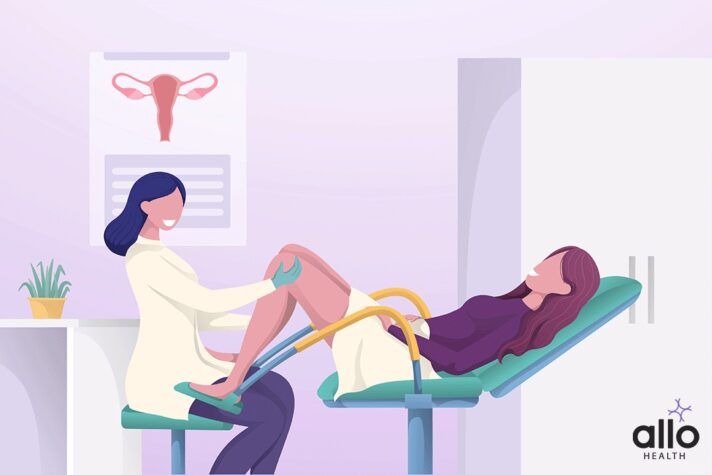
Diagnosis typically involves a pelvic exam, analysis of vaginal discharge, and pH testing to detect the increased vaginal alkalinity associated with BV.
Medical Management
Treating BV usually involves antibiotics, either in oral or topical form. The most commonly prescribed antibiotics for BV are metronidazole and clindamycin. It is crucial to complete the entire course of medication, even if symptoms improve, to ensure the infection is fully eradicated and reduce the risk of recurrence.
Lifestyle and Home Remedies

- Probiotics: Consuming probiotics, either through supplements or probiotic-rich foods like yogurt, can help restore the natural balance of bacteria in the vagina.
- Avoiding Douching: Douching can disrupt the vaginal flora and increase the risk of BV. It's best to avoid this practice altogether.
- Safe Sexual Practices: Using condoms and maintaining a monogamous relationship can reduce the risk of BV. It's also important to communicate openly with your partner about your condition.
- Hygiene Practices: Maintain good genital hygiene by washing the external genital area with mild soap and water. Avoid using scented products, which can irritate the vaginal area.
Coping with BV: Psychological Support

- Education and Awareness: Understanding BV, its causes, symptoms, and treatments can help reduce anxiety and empower individuals to take control of their health. Education also helps in reducing the stigma associated with the condition.
- Open Communication: Discussing BV with a trusted partner, friend, or family member can provide emotional relief. Open communication with healthcare providers is also crucial for effective management and support.
- Support Groups: Joining support groups, either in-person or online, can provide a sense of community and shared experiences. These groups offer a platform to discuss concerns, share coping strategies, and receive encouragement from others facing similar challenges.
- Counseling and Therapy: Professional counseling or therapy can be beneficial, especially for those experiencing significant emotional distress due to BV. Therapists can help individuals develop coping mechanisms, address self-esteem issues, and improve their overall mental well-being.
The Role of Healthcare Providers

- Comprehensive Care: Providers should take a comprehensive approach, addressing both the physical and emotional aspects of BV. This includes discussing the psychological impact of the condition and offering appropriate referrals for counseling or support services.
- Patient Education: Educating patients about BV, its management, and prevention strategies can empower them to take proactive steps in managing their health.
- Follow-Up and Support: Regular follow-up appointments can help monitor the effectiveness of treatment and address any ongoing concerns. Providers should encourage open communication and be available to offer support as needed.
Preventing Recurrence
Preventing the recurrence of BV involves a combination of lifestyle changes and ongoing medical care. Here are some tips to help reduce the risk of BV returning:

- Maintain a Healthy Diet: A balanced diet that includes probiotics can support a healthy vaginal flora. Consider incorporating fermented foods like yogurt, kefir, and sauerkraut into your diet.
- Hydration: Staying well-hydrated helps maintain overall health, including vaginal health.
- Avoid Irritants: Steer clear of products that can irritate the vaginal area, such as scented soaps, bubble baths, and feminine sprays.
- Regular Medical Check-Ups: Regular visits to your healthcare provider can help detect any early signs of BV and ensure timely treatment.
- Practice Safe Sex: Using condoms and engaging in safe sexual practices can help prevent the imbalance of bacteria that leads to BV.
Managing BV involves more than just addressing the physical symptoms. The emotional and psychological impact of the condition can be significant, and it's essential to seek comprehensive care and support. Individuals can effectively manage BV and improve their overall well-being by combining medical treatment with lifestyle changes, education, and psychological support. Open communication with healthcare providers, partners, and support networks plays a crucial role in this journey, helping those affected by BV lead healthier, more fulfilling lives.

Disclaimer
The following blog article provides general information and insights on various topics. However, it is important to note that the information presented is not intended as professional advice in any specific field or area. The content of this blog is for general educational and informational purposes only. The content should not be interpreted as endorsement, recommendation, or guarantee of any product, service, or information mentioned. Readers are solely responsible for the decisions and actions they take based on the information provided in this blog. It is essential to exercise individual judgment, critical thinking, and personal responsibility when applying or implementing any information or suggestions discussed in the blog.
Most Asked Questions
What is Bacterial Vaginosis (BV) and how is it treated?
BV is an infection caused by an imbalance of bacteria in the vagina. It is typically treated with antibiotics prescribed by a healthcare provider.
How can BV affect my mental and emotional health?
BV can cause distress, anxiety, and embarrassment. The recurring nature of BV may lead to stress and impact self-esteem. Seeking support from a healthcare professional can help manage these feelings.
Are there lifestyle changes that can help prevent BV?
Yes, maintaining good hygiene, avoiding douching, wearing breathable cotton underwear, and practicing safe sex can help prevent BV. A healthy diet and probiotics may also support vaginal health.
Where can I find psychological support for coping with BV?
Psychological support can be found through counseling services, support groups, and online communities. Talking to a healthcare provider about your concerns can also provide guidance and referrals.
How can I discuss BV with my partner without feeling embarrassed?
Open communication is key. Educate your partner about BV, its causes, and its effects. Discuss your feelings honestly and seek their support. A healthcare provider can also offer advice on how to have this conversation.