Benefits of Sperm in a Female Body
Written by Dr. Sharon Kumar

With a strong academic background in dentistry and clinical exposure, Dr. Sharon who has studied at PDM Dental College, brings a valuable blend of medical knowledge and communication skills to health content writing. She is passionate about creating clear, compassionate, and evidence-based content on topics such as general wellness, sexual health, oral care, and patient education. Her goal is to make complex medical information easy to understand, relatable, and genuinely helpful for readers seeking clarity on their health concerns. Dr. Sharon believes in the power of well-researched, empathetic content to educate and empower people to make better health decisions. Whether it’s writing about preventive care or breaking down myths in sexual wellness, her content always balances science with sensitivity.
•
July 30, 2026
Our experts continually monitor the health and wellness space, and we update our articles when new information becomes available.
Quick Read
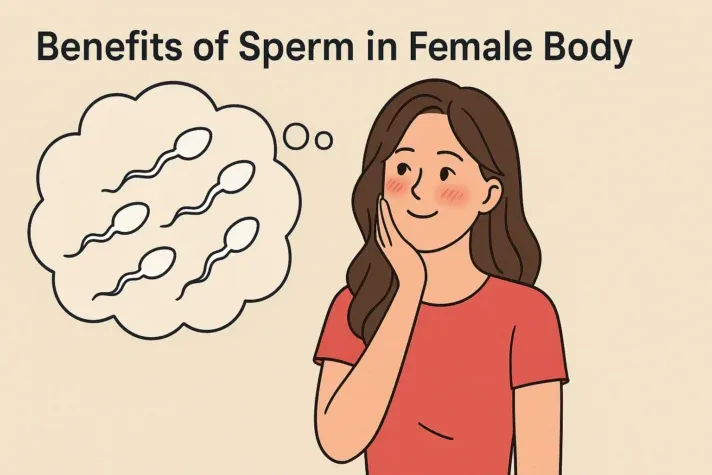
Sperm is most commonly associated with reproduction, but it may also have other potential effects on a woman’s body. Semen, which contains sperm and a mix of hormones like oxytocin, serotonin, and melatonin, has been linked to improved mood, reduced stress, and even better sleep, though scientific evidence is still limited. Some studies suggest that regular exposure to a partner’s sperm might help lower the risk of preeclampsia, a pregnancy complication, by helping the woman’s immune system adapt to the partner’s genetic material. Semen also contains zinc and proteins with mild antimicrobial properties that could offer some protection against infections like UTIs. While semen has small amounts of nutrients such as protein, calcium, and vitamin C, these are far too minimal to provide any real health benefits. And despite internet claims, using semen as a facial or hair treatment has no proven benefits and could lead to irritation or allergic reactions. These potential benefits should only be considered in the context of safe, STI-free sexual activity and should not replace medical advice or protection.
The very first thing that comes to mind when we hear ‘sperm’ is that it is needed to make a baby. But apart from making a woman pregnant, what else does the sperm have to offer a woman? It might sound crazy, but did you know that there may be benefits of sperm in a female body and also have surprising effects on a woman’s body beyond fertilization (fusion of male cell and female cell to form a baby) when they are present inside a woman’s body? By presence in the woman’s body means both internally (orally or vaginally) and externally. In this article, we'll break down the real science behind these claims, bust some myths, and explain how something so simple might be a natural health booster for women! Let's look at what researchers have found about how semen interacts with the female body in ways that go far beyond reproduction and whether it can have a benefit or is just a myth!
Sperm, Semen, and Seminal Fluid - What’s the Difference?
But before directly jumping into the benefits and all the speculative myths, let's first understand what sperm is made up of:-
Sperm
- Male reproductive cells.
- They are made in the testes (the male reproductive organ).
- Carry genetic material or DNA to fertilize a female egg.
- Only 2–5% of semen.
Seminal Fluid
- The nourishing liquid (95–98% of semen).
- Protects sperm & helps them swim.
Semen
- The complete fluid that is released during ejaculation ( release of semen during orgasm)
- A mix of:
- Sperm (2–5%)
- Seminal fluid (95–98%)
- Function: Delivers sperm safely to the female reproductive system.
After this science lesson [1], one can easily conclude that sperm shares just a small proportion of the semen, which is as low as 2-5%, and seminal fluid makes up 95-98%. It is the semen, which is the fluid containing all the secretions from the male glands, along with sperm. semen=sperm
Role Of Semen In Uplifting Moods
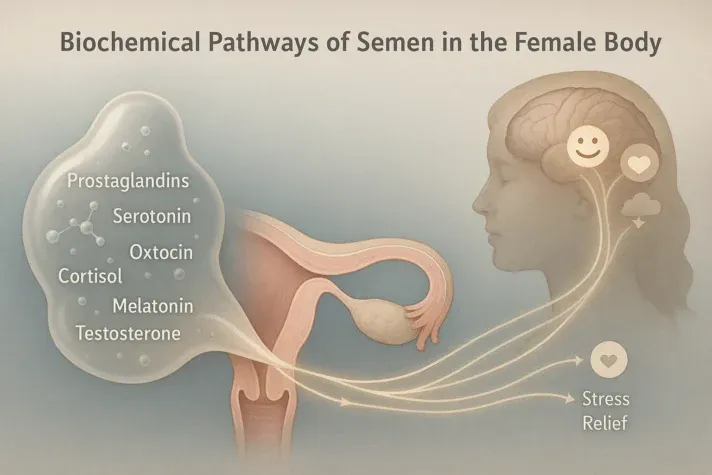
Semen contains a complex mixture of biological substances [2], including specialized chemicals such as prostaglandins, serotonin, oxytocin, cortisol, melatonin, and testosterone. All of which can influence mood, stress levels, and emotional bonding. Some of these substances can be absorbed through the vagina, entering the bloodstream and interacting with the brain, and controlling the mood.

Allo asks
According to a study, exposure to semen without condoms was associated with which of the following effects in women?
It's essential to emphasize that this is a correlation, not causation, and more research is needed to establish a direct link between this study.
Melatonin, Sperm, and Sleep: A Curious Trio
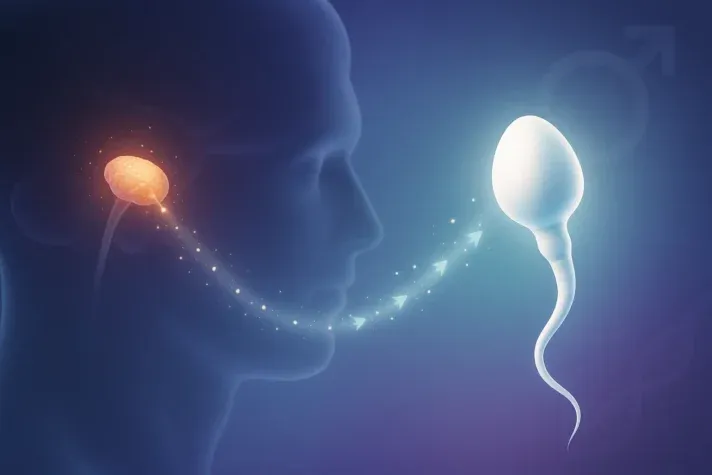
According to a 2011 study published [4] in the Journal of Pineal Research, researchers found the relationship between melatonin levels and sperm in men. The researchers found that higher levels of melatonin in the body were associated with improved sperm quality.
The Link Between Semen and Reduced Risk of Preeclampsia
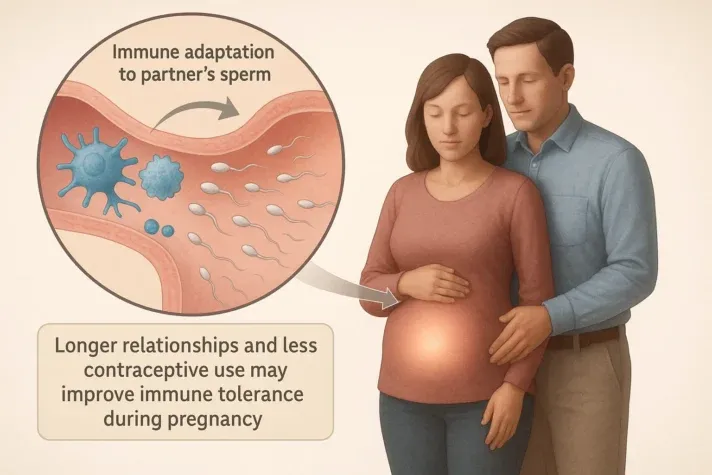
A 2003 study [5] found that women who had shorter relationships (less than 4 months) and used condoms before pregnancy were about 17 times more likely to develop preeclampsia, which is a serious condition involving high blood pressure, than those in longer relationships with regular sex without condoms. The researchers suggest that frequent exposure to a partner’s sperm may help the woman’s immune system adapt to the father’s genetic material, promoting better tolerance during pregnancy. This highlights how relationship duration and contraceptive use may influence pregnancy health.
Antimicrobial Properties of Semen
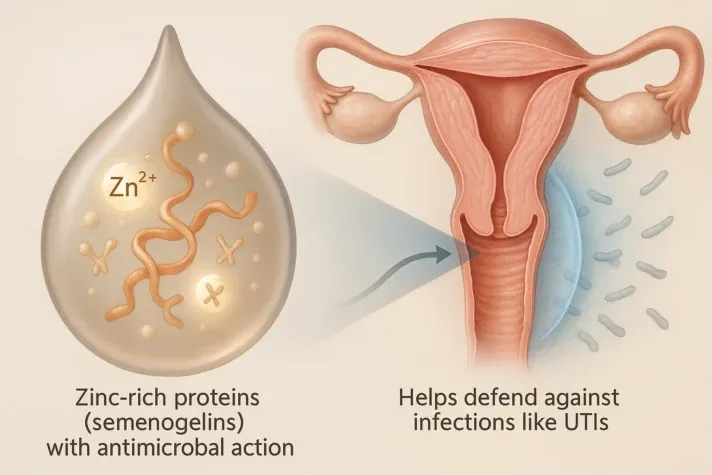
The semen contains zinc-rich proteins like semenogelins, which exhibit antimicrobial properties that may help protect the female reproductive tract from infections, including urinary tract infections (UTIs), it was found in a study [7].
Semen contains proteins like semenogelins and enzymes that exhibit antimicrobial properties. These components may help protect the female reproductive tract from certain infections, although it does not mean one should have unprotected sex.

Semen as a supplement
It was reported on the internet that consuming semen can give you thousands of health benefits. Well, semen does contain small amounts of nutrients like protein, zinc, vitamin C, calcium, and fructose. But are they even enough for this huge human body? The quantities are so minimal that they don't offer any significant nutritional benefits. For example, an average ejaculation (the release of semen during orgasm) contains about 0.17 grams of protein. Considering the daily recommended protein intake is around 50–60 grams, a man would need to ejaculate nearly 295 times to meet that requirement from semen alone! Relying on semen as a source of nutrients isn't practical or beneficial. Moreover, performing oral sex or swallowing semen can lead to a lot of serious conditions, like Sexually Transmitted Diseases (STIs). So, precautions are a must, and the use of an appropriate contraceptive method is essential.
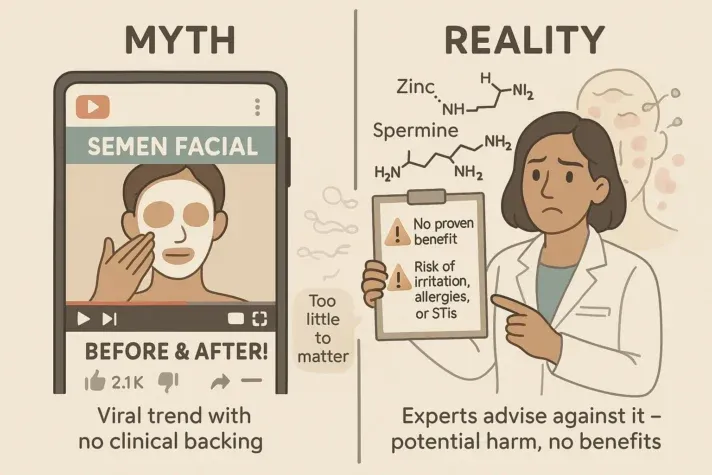
Semen Skincare and Semen Hair Masks
Yes, you heard this right. The notion that semen offers skin benefits, such as treating acne or reducing wrinkles, is largely a myth lacking scientific backing. While semen contains components like spermine and spermidine, which have antioxidant properties, their concentrations are minimal and unlikely to produce noticeable effects when applied topically [8].
Important Considerations
This information is based on current research and is meant to help you understand the topic better. It’s not medical advice. Always talk to a doctor or healthcare professional before making any decisions about your sexual health. Some studies suggest that semen might have certain health benefits, but it’s important to be careful. Having sex without any protection can come with risks, such as:
- Sexually Transmitted Infections (STIs): You’re more likely to catch or spread infections without protection.
- Unplanned Pregnancy: Sex without a condom or any other contraception can lead to pregnancy when you're not expecting it.
- Allergic Reactions: Some people may be allergic to semen and have reactions like itching or discomfort.
Always practice safe sex and speak with a doctor if you have questions or concerns about your health.
Disclaimer
The following blog article provides general information and insights on various topics. However, it is important to note that the information presented is not intended as professional advice in any specific field or area. The content of this blog is for general educational and informational purposes only. The content should not be interpreted as endorsement, recommendation, or guarantee of any product, service, or information mentioned. Readers are solely responsible for the decisions and actions they take based on the information provided in this blog. It is essential to exercise individual judgment, critical thinking, and personal responsibility when applying or implementing any information or suggestions discussed in the blog.
Most Asked Questions
Are there any health risks associated with semen exposure?
Yes. Potential risks include the transmission of STIs and allergic reactions. It's essential to engage in safe sexual practices and consult healthcare professionals if you have concerns.
How can couples ensure safety when exploring intimate practices involving semen?
Open communication, mutual consent, and awareness of potential health risks are vital. Using protection, getting regular health check-ups, and consulting healthcare professionals can help ensure safety.
Can a woman be allergic to semen?
Yes, though rare, some women can have a semen allergy, causing itching, swelling, or discomfort after contact.
Is it safe to swallow semen?
Yes, swallowing semen is generally safe for most people, as long as there are no infections or sexually transmitted diseases (STDs) involved. Think of it like tasting a dish you’re unfamiliar with; if you're concerned about safety or potential infections, it's best to communicate openly with your partner and ensure both of you are healthy. If you’re unsure, using protection like condoms can help minimize the risk.
Can semen exposure help alleviate anxiety?
Research indicates that certain hormones present in semen, such as cortisol and progesterone, might have anti-anxiety effects
Sources
- 1.
The Composition of Human Semen - Medical Physiology
- 2.
The psychobiology of human semen
- 3.
Semen Eases Depression in Women
- 4.
High endogenous melatonin concentrations enhance sperm quality and short-term in vitro exposure to melatonin improves aspects of sperm motility - Journal of Pineal Research
- 5.
Sperm exposure and development of preeclampsia - American Journal of Obstetrics and Gynecology
- 6.
Type of paternal sperm exposure before pregnancy and the risk of preeclampsia: A systematic review - European Journal of Obstetrics and Gynecology
- 7.
Seminal plasma proteins: functions and interaction with protective agents during semen preservation - Soc Reprod Fertil Suppl
- 8.
Hypothesis: spermine may be an important epidermal antioxidant - Medical Hypotheses
Why Should You Trust Us?
Why Should You Trust Us?
This article was written by Dr. Sharon Kumar, who has more than 2 years of experience in the healthcare industry.
Allo has the expertise of over 50+ doctors who have treated more than 1.5 lakh patients both online and offline across 30+ clinics.
Our mission is to provide reliable, accurate, and practical health information to help you make informed decisions.
For This Article
- We reviewed over 10+ resources to gather comprehensive information on the topic.
- We referenced authoritative sexual health books to ensure the content is medically accurate and informative.
- We analyzed 15+ peer-reviewed research papers and scientific studies related to genital health and sexually transmitted infections.
- We explored social media platforms like Instagram, Reddit, and YouTube to understand common user concerns, questions, and doubts about "Benefits of Sperm in Female Body"