Managing HIV: Coping and Psychological Support
Written by Aditi Mallick

Aditi, a dynamic individual with a background in Chemistry, initially embarked on her professional journey as an Associate Content Developer at Byju's. Transitioning from an academic content reviewer to a creative force in the content creation team, she demonstrated prowess in crafting SEO-driven academic content, impactful presentations, and video reviews. Seeking new challenges, Aditi redirected her career towards professional content and copywriting, joining MyCaptain. Along this transformative path, she mastered design skills using software like Photoshop and Illustrator, creating visually striking posts for various brands and websites. Today, Aditi stands as a seasoned Medical writer, seamlessly transitioning from her roots as an academic writer. Join her on this exciting journey as she shares insights and expertise in content creation and medical writing.
•
July 30, 2026
Our experts continually monitor the health and wellness space, and we update our articles when new information becomes available.
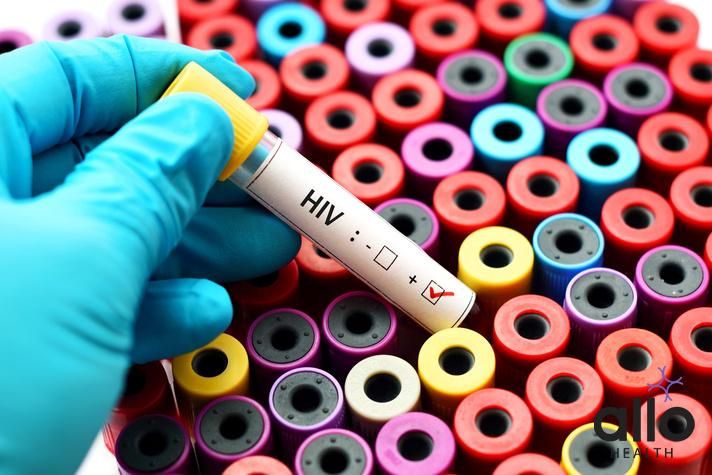
Managing HIV: Coping and Psychological Support
HIV (Human Immunodeficiency Virus) remains a significant global health issue, affecting millions of people worldwide. While medical advancements have transformed HIV from a fatal diagnosis into a manageable chronic condition, the psychological and emotional challenges of living with HIV persist. Managing HIV involves not only adhering to medical treatments but also addressing the emotional and psychological needs of those affected. This article explores coping strategies and psychological support mechanisms that can enhance the quality of life for individuals living with HIV.
Understanding HIV and Its Impact

Coping Strategies for Living with HIV
-
Education and Information
Knowledge is power. Understanding HIV, its transmission, treatment options, and prevention strategies can empower individuals to take control of their health. Access to accurate information can reduce fear and misconceptions, making it easier to cope with the diagnosis. Healthcare providers and support groups can be valuable sources of information.
-
Adherence to Treatment
Adhering to antiretroviral therapy (ART) is crucial for managing HIV effectively. Consistent use of ART not only helps maintain viral suppression but also prevents the progression of AIDS. Developing a routine and using reminders can aid in adherence. Healthcare providers can offer support and address any barriers to consistent medication use.
-
Healthy Lifestyle Choices
A healthy lifestyle can bolster the immune system and improve overall well-being. This includes a balanced diet, regular exercise, sufficient sleep, and avoiding substances like alcohol and drugs that can weaken the immune system. Regular medical check-ups are also essential for monitoring health and managing any co-existing conditions.
-
Stress Management
Living with HIV can be stressful, and chronic stress can negatively impact the immune system. Stress management techniques such as mindfulness meditation, deep breathing exercises, yoga, and progressive muscle relaxation can help reduce stress levels. Finding activities that bring joy and relaxation is also beneficial.

-
Social Support
Building a strong support network is vital. Friends, family, and support groups can provide emotional support, practical assistance, and a sense of community. Sharing experiences with others who understand the challenges of living with HIV can reduce feelings of isolation and foster resilience.
Psychological Support Mechanisms

-
Counseling and Therapy
Psychotherapy can be an effective tool for managing the emotional aspects of living with HIV. Different therapeutic approaches can be tailored to individual needs:
- Cognitive Behavioral Therapy (CBT): Helps in identifying and changing negative thought patterns and behaviors.
- Interpersonal Therapy (IPT): Focuses on improving interpersonal relationships and communication.
- Supportive Therapy: Provides a safe space to express feelings and receive empathy and validation.
Therapists specializing in HIV-related issues can offer insights and strategies to cope with the diagnosis, treatment, and associated life changes.
-
Support Groups
Support groups bring together individuals living with HIV to share experiences, offer mutual support, and provide practical advice. These groups can be in-person or online, offering flexibility and accessibility. Peer support can reduce feelings of isolation and promote a sense of belonging.

-
Psychiatric Care
In some cases, individuals living with HIV may experience severe depression, anxiety, or other mental health conditions that require psychiatric intervention. Psychiatrists can prescribe medications to manage these conditions and work in conjunction with therapists to provide comprehensive care.
Addressing Stigma and Discrimination
Stigma and discrimination remain significant barriers for individuals living with HIV. These negative societal attitudes can lead to social isolation, mental health issues, and reluctance to seek treatment. Addressing stigma involves both personal and societal efforts:
- Education and Awareness Campaigns: Raising awareness about HIV, its transmission, and treatment can dispel myths and reduce stigma.
- Advocacy and Legal Support: Supporting policies and laws that protect the rights of individuals living with HIV can combat discrimination.
- Personal Advocacy: Encouraging individuals to speak out about their experiences can humanize the condition and foster understanding.
The Role of Healthcare Providers
Healthcare providers play a crucial role in the psychological support of individuals living with HIV. A compassionate, non-judgmental approach can encourage patients to seek help and adhere to treatment. Providers should be trained to recognize and address the psychological aspects of HIV, offering referrals to mental health professionals when necessary. Managing HIV effectively requires a holistic approach that addresses both physical and psychological needs. Coping strategies such as education, adherence to treatment, healthy lifestyle choices, stress management, and building social support networks are essential. Psychological support through counseling, support groups, and psychiatric care can significantly enhance the quality of life for individuals living with HIV. By addressing stigma and fostering a supportive environment, we can empower those affected by HIV to lead fulfilling, healthy lives.

Disclaimer
The following blog article provides general information and insights on various topics. However, it is important to note that the information presented is not intended as professional advice in any specific field or area. The content of this blog is for general educational and informational purposes only. The content should not be interpreted as endorsement, recommendation, or guarantee of any product, service, or information mentioned. Readers are solely responsible for the decisions and actions they take based on the information provided in this blog. It is essential to exercise individual judgment, critical thinking, and personal responsibility when applying or implementing any information or suggestions discussed in the blog.
Most Asked Questions
What are the initial steps to take after an HIV diagnosis?
After an HIV diagnosis, it’s important to seek medical care immediately to start antiretroviral therapy (ART). This helps manage the virus and maintain health. Additionally, connecting with a counselor or support group can provide emotional support and help process the diagnosis.
How can I cope with the emotional impact of an HIV diagnosis?
Coping with an HIV diagnosis can be challenging. It's beneficial to talk to a mental health professional who specializes in chronic illnesses. Joining a support group can also help by connecting you with others who understand your experience. Engaging in regular physical activity, maintaining a healthy diet, and practicing mindfulness or meditation can also improve emotional well-being.
What psychological support options are available for people living with HIV?
There are various psychological support options available, including individual therapy, group therapy, and online support groups. Therapists who specialize in HIV-related issues can offer coping strategies and support. Many organizations also provide resources and support services tailored for people living with HIV.
How can I manage stress and anxiety related to living with HIV?
Managing stress and anxiety is crucial for overall health. Techniques such as regular exercise, mindfulness meditation, and relaxation exercises can help. It's also important to establish a strong support network of friends, family, and healthcare providers. Seeking professional help from a therapist can provide additional tools and strategies for managing stress.
What role does medication adherence play in managing HIV?
Medication adherence is critical in managing HIV. Taking antiretroviral therapy (ART) as prescribed helps control the virus, maintain immune function, and prevent transmission. It's important to follow your healthcare provider's instructions and address any barriers to adherence, such as side effects or difficulties in accessing medication. Support from healthcare providers, mental health professionals, and support groups can assist in maintaining adherence and overall well-being.