What Are The Causes Of Pelvic Inflammatory Disease (PID)?
Written by Aditi Mallick

Aditi, a dynamic individual with a background in Chemistry, initially embarked on her professional journey as an Associate Content Developer at Byju's. Transitioning from an academic content reviewer to a creative force in the content creation team, she demonstrated prowess in crafting SEO-driven academic content, impactful presentations, and video reviews. Seeking new challenges, Aditi redirected her career towards professional content and copywriting, joining MyCaptain. Along this transformative path, she mastered design skills using software like Photoshop and Illustrator, creating visually striking posts for various brands and websites. Today, Aditi stands as a seasoned Medical writer, seamlessly transitioning from her roots as an academic writer. Join her on this exciting journey as she shares insights and expertise in content creation and medical writing.
•
July 30, 2026
Our experts continually monitor the health and wellness space, and we update our articles when new information becomes available.
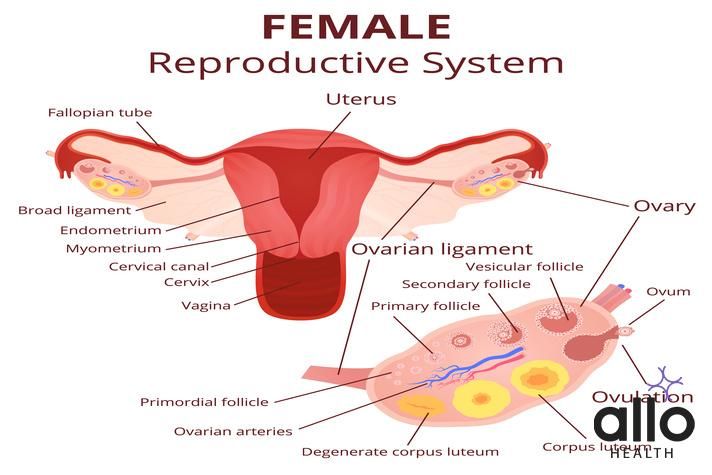
Understanding the Causes of Pelvic Inflammatory Disease (PID) Pelvic Inflammatory Disease (PID) is a serious infection of the female reproductive organs, primarily caused by bacteria that enter the reproductive tract. Understanding the causes of PID is crucial for prevention, early diagnosis, and effective treatment. In this comprehensive guide, we will explore the various factors that contribute to the development of PID, including bacterial infections, risk factors, and underlying mechanisms.
-
Bacterial Infections
The primary cause of PID is bacterial infections, often originating from sexually transmitted infections (STIs). The most common bacteria responsible for PID include:
-
- Chlamydia trachomatis: Chlamydia is a common STI that can lead to PID if left untreated. It infects the cervix and can ascend to the upper reproductive organs, causing inflammation and damage.
- Neisseria gonorrhoeae: Gonorrhea, another prevalent STI, can also result in PID when the bacteria ascend from the cervix to the uterus, fallopian tubes, and ovaries, leading to infection and inflammation.
- Other bacteria: Besides STIs, non-sexually transmitted bacteria found in the vagina or cervix, such as Gardnerella vaginalis, Streptococcus spp., and Enterococcus spp., can also cause PID in some cases.
-
Pathways of Infection
The bacteria responsible for PID enter the reproductive tract through various pathways, including:
- Sexual Transmission: Unprotected sexual intercourse with an infected partner can transmit STIs like Chlamydia or gonorrhea, leading to PID.
- Ascending Infection:
Risk Factors for PID
Several risk factors increase the likelihood of developing PID:
- Multiple Sexual Partners: Having multiple sexual partners or a new sexual partner increases the risk of exposure to STIs and subsequent PID.
- History of STIs: Previous infections with STIs, particularly Chlamydia or gonorrhea, increase the susceptibility to PID.

Underlying Mechanisms
The development of PID involves complex interactions between bacteria, host immune response, and reproductive anatomy:

- Bacterial Adherence: Bacteria like Chlamydia and gonorrhea adhere to and invade the epithelial cells of the cervix, allowing them to establish infection.
- Inflammatory Response: The presence of bacteria triggers an inflammatory response, leading to the recruitment of immune cells and production of pro-inflammatory cytokines, causing tissue damage and inflammation.
- Ascension of Bacteria: In susceptible individuals, bacteria can ascend from the lower reproductive tract to the upper organs, including the uterus and fallopian tubes, leading to the development of PID.
Preventive Measures
Preventing PID involves addressing modifiable risk factors and practicing safe sexual behaviors:
- Safe Sex Practices:
In summary, Pelvic Inflammatory Disease (PID) is primarily caused by bacterial infections, notably sexually transmitted infections (STIs) like Chlamydia and gonorrhea. Understanding the causes, risk factors, and underlying mechanisms of PID is essential for preventive measures, early diagnosis, and effective treatment. Practicing safe sex, undergoing regular STI screening, and addressing modifiable risk factors can significantly reduce the incidence of PID and its complications, preserving women's reproductive health. If you suspect you may have PID or have concerns about your reproductive health, consult a healthcare provider for evaluation and appropriate management.

Disclaimer
The following blog article provides general information and insights on various topics. However, it is important to note that the information presented is not intended as professional advice in any specific field or area. The content of this blog is for general educational and informational purposes only. The content should not be interpreted as endorsement, recommendation, or guarantee of any product, service, or information mentioned. Readers are solely responsible for the decisions and actions they take based on the information provided in this blog. It is essential to exercise individual judgment, critical thinking, and personal responsibility when applying or implementing any information or suggestions discussed in the blog.
Most Asked Questions
What are the primary causes of Pelvic Inflammatory Disease (PID)?
PID is primarily caused by bacterial infections, with the most common culprits being sexually transmitted infections (STIs) such as Chlamydia trachomatis and Neisseria gonorrhoeae. These bacteria enter the female reproductive tract through the cervix and can ascend to the upper reproductive organs, leading to infection and inflammation.
How do sexually transmitted infections (STIs) contribute to PID?
STIs like Chlamydia and gonorrhea can cause PID when the bacteria ascend from the cervix to the uterus, fallopian tubes, and ovaries. These bacteria adhere to and invade the epithelial cells, triggering an inflammatory response that can result in tissue damage and scarring if left untreated, leading to PID.
Can non-sexually transmitted bacteria also cause Pelvic Inflammatory Disease (PID)?
Yes, while STIs are the primary cause, non-sexually transmitted bacteria found in the vagina or cervix can also lead to PID in some cases. Bacteria such as Gardnerella vaginalis, Streptococcus spp., and Enterococcus spp. can cause infection and inflammation in the reproductive tract, contributing to PID development.
What are the risk factors for developing Pelvic Inflammatory Disease (PID)?
Several factors increase the risk of PID: Multiple sexual partners or a new sexual partner History of STIs, particularly Chlamydia or gonorrhea Young age (adolescents and young adults) Insertion of intrauterine devices (IUDs) for contraception Engaging in sexual activity at an early age Having unprotected sex
How does the ascension of bacteria contribute to Pelvic Inflammatory Disease (PID)?
Bacteria ascend from the lower reproductive tract (vagina and cervix) to the upper organs (uterus, fallopian tubes, and ovaries) through pathways such as sexual transmission, direct inoculation, or ascending infection. This ascension allows bacteria to infect and inflame the upper reproductive organs, leading to PID if the infection is not treated promptly.