What is Hepatitis E?
Written by Aditi Mallick

Aditi, a dynamic individual with a background in Chemistry, initially embarked on her professional journey as an Associate Content Developer at Byju's. Transitioning from an academic content reviewer to a creative force in the content creation team, she demonstrated prowess in crafting SEO-driven academic content, impactful presentations, and video reviews. Seeking new challenges, Aditi redirected her career towards professional content and copywriting, joining MyCaptain. Along this transformative path, she mastered design skills using software like Photoshop and Illustrator, creating visually striking posts for various brands and websites. Today, Aditi stands as a seasoned Medical writer, seamlessly transitioning from her roots as an academic writer. Join her on this exciting journey as she shares insights and expertise in content creation and medical writing.
•
July 30, 2026
Our experts continually monitor the health and wellness space, and we update our articles when new information becomes available.
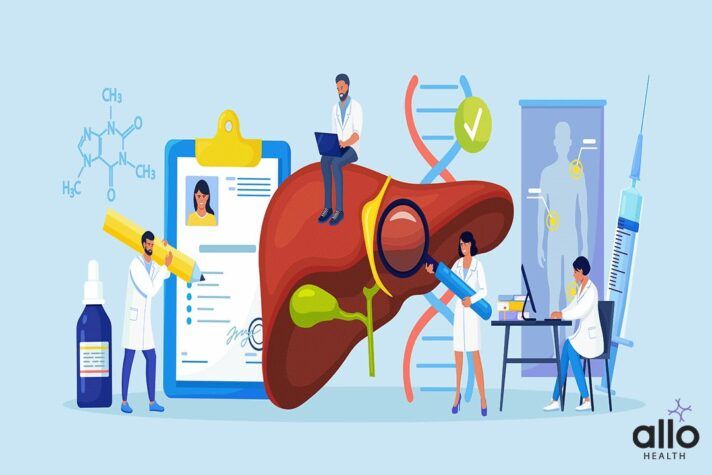
Hepatitis E is a viral liver disease caused by the Hepatitis E virus (HEV). It is an inflammation of the liver, a vital organ responsible for numerous functions including detoxification, protein synthesis, and the production of biochemicals necessary for digestion. Unlike other forms of hepatitis, Hepatitis E is primarily spread through the fecal-oral route, often due to contaminated water supplies. This article delves into the nature of Hepatitis E, its transmission, symptoms, diagnosis, treatment, and prevention.
Transmission
- The primary mode of Hepatitis E transmission is through the ingestion of water contaminated with fecal matter containing the virus. This is particularly common in regions with poor sanitation and inadequate water treatment facilities.
Symptoms
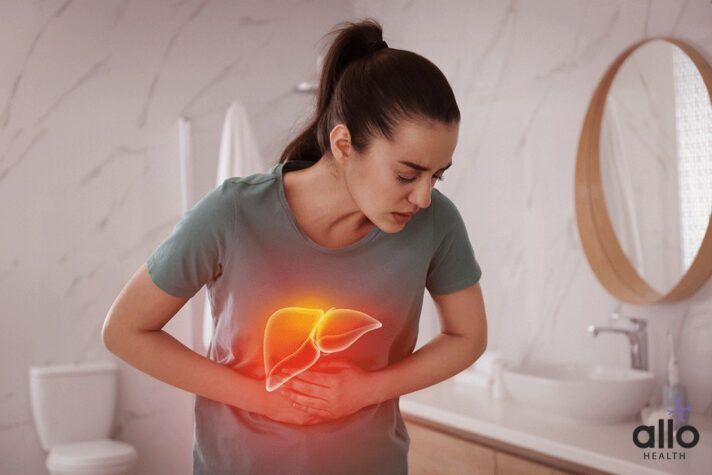
Hepatitis E presents a range of symptoms, which can vary from mild to severe. The incubation period for the virus is typically between two to ten weeks. Common symptoms include:
- Jaundice: Yellowing of the skin and eyes
- Fatigue: A feeling of extreme tiredness
- Abdominal Pain: Particularly in the liver area
- Loss of Appetite: Reduced desire to eat
- Nausea and Vomiting: Feeling sick and vomiting
- Fever: Elevated body temperature
- Dark Urine and Pale Stools: Changes in urine and stool colour

In most cases, symptoms last for a few weeks to several months and then resolve on their own. However, in pregnant women, particularly during the third trimester, the disease can be more severe and potentially life-threatening. Hepatitis E can lead to acute liver failure in pregnant women, posing significant risks to both the mother and the fetus.
Diagnosis
Diagnosing Hepatitis E involves a combination of clinical evaluation and laboratory tests. The following methods are commonly used: Serological Tests: Detection of anti-HEV antibodies (IgM and IgG) in the blood. IgM antibodies indicate a recent infection, while IgG antibodies suggest past exposure or immunity. Polymerase Chain Reaction (PCR): This test detects HEV RNA in blood or stool samples, providing a definitive diagnosis. Liver Function Tests: Elevated liver enzymes (ALT and AST) indicate liver inflammation or damage. Timely diagnosis is crucial for effective management and to prevent the spread of the virus, especially in outbreak situations.
Treatment
There is no specific antiviral treatment for Hepatitis E. The disease is typically self-limiting, and supportive care is the mainstay of treatment. This includes:

- Rest: Adequate rest to help the body recover.
- Hydration: Maintaining fluid balance, especially if vomiting is severe.
- Nutritional Support: Ensuring a balanced diet to support liver function.
- Avoiding Alcohol: Refraining from alcohol to reduce liver strain.
In severe cases, particularly for patients with pre-existing liver conditions or pregnant women, hospitalisation may be necessary. In such instances, medical professionals closely monitor the patient’s liver function and overall health.
Prevention
Preventing Hepatitis E primarily involves ensuring access to clean water and maintaining good sanitation practices. Key preventive measures include:
- Safe Drinking Water: Boiling water or using water purification methods in areas with unsafe water supplies.
- Proper Sanitation: Ensuring proper sewage disposal and avoiding contamination of water sources.
- Food Safety: Cooking meat thoroughly, especially pork and game meat.
- Hygiene Practices: Regular hand washing with soap and clean water, especially before eating and after using the toilet.
For travellers to endemic regions, it is advisable to avoid drinking untreated water and eating uncooked or undercooked food.
Vaccination
As of now, a vaccine for Hepatitis E (HEV 239) is available in China, offering protection against the virus. However, it is not widely available globally. Efforts are ongoing to make the vaccine more accessible, particularly in regions with high incidence rates. Hepatitis E is a significant public health concern, particularly in developing countries with inadequate sanitation and water treatment facilities. Understanding the transmission, symptoms, and preventive measures is crucial in combating this disease. While it is generally self-limiting, the potential for severe outcomes, especially in vulnerable populations like pregnant women, underscores the importance of continued research, improved sanitation, and increased access to vaccination. By raising awareness and implementing effective public health strategies, the global burden of Hepatitis E can be significantly reduced.


Disclaimer
The following blog article provides general information and insights on various topics. However, it is important to note that the information presented is not intended as professional advice in any specific field or area. The content of this blog is for general educational and informational purposes only. The content should not be interpreted as endorsement, recommendation, or guarantee of any product, service, or information mentioned. Readers are solely responsible for the decisions and actions they take based on the information provided in this blog. It is essential to exercise individual judgment, critical thinking, and personal responsibility when applying or implementing any information or suggestions discussed in the blog.
Most Asked Questions
What is Hepatitis E?
Hepatitis E is a liver disease caused by the hepatitis E virus (HEV). This virus primarily affects the liver, leading to inflammation and, in severe cases, liver failure. It is one of the five known hepatitis viruses (A, B, C, D, and E). Hepatitis E is generally self-limiting, meaning it resolves on its own without specific treatment. However, it can be particularly severe in pregnant women and individuals with pre-existing liver conditions.
How is Hepatitis E transmitted?
Hepatitis E is primarily transmitted through the fecal-oral route. This means that the virus is shed in the feces of infected individuals and can contaminate water sources or food. Common sources of infection include drinking contaminated water, eating undercooked meat (especially pork, venison, and shellfish), and consuming fruits or vegetables washed with contaminated water. In regions with poor sanitation and limited access to clean water, outbreaks of hepatitis E are more common.
What are the symptoms of Hepatitis E?
The symptoms of hepatitis E can vary from mild to severe and typically appear 2 to 10 weeks after exposure to the virus. Common symptoms include: Jaundice (yellowing of the skin and eyes) Dark urine Pale stools Fatigue Nausea and vomiting Abdominal pain Loss of appetite Fever In most cases, symptoms resolve within a few weeks. However, severe cases can lead to acute liver failure, particularly in pregnant women, where the mortality rate can be as high as 20-25% in the third trimester.
How is Hepatitis E diagnosed and treated?
Hepatitis E is diagnosed through blood tests that detect antibodies against the virus or by detecting the virus itself in the blood or stool. In most cases, the infection is self-limiting and does not require specific antiviral treatment. Supportive care, including rest, hydration, and adequate nutrition, is typically sufficient. In severe cases, particularly those involving liver failure, hospitalization and intensive care may be necessary. There is no specific antiviral treatment for hepatitis E, and the focus is on managing symptoms and preventing complications.
How can Hepatitis E be prevented?
Preventing hepatitis E primarily involves improving sanitation and ensuring access to clean water. Key preventive measures include: Drinking only clean, treated water Practicing good hand hygiene, especially after using the toilet and before handling food Cooking meat thoroughly, especially pork and shellfish Avoiding consumption of raw or undercooked meat Washing fruits and vegetables with safe, clean water