Neck Injury and Erectile Dysfunction: Causes & Risks
Written by Dr. Deepali Anand

Dr. Deepali is a medical writer and healthcare professional with a background in clinical surgery and patient care. Having transitioned from active clinical practice to medical communications, she specializes in bridging the gap between complex clinical data and patient education. Dr. Deepali is dedicated to creating evidence-based content that is grounded in scientific rigor and empathy, ensuring that sensitive topics like sexual wellness and mental health are accessible and empowering for every reader.
•
July 30, 2026
Our experts continually monitor the health and wellness space, and we update our articles when new information becomes available.
Quick Read
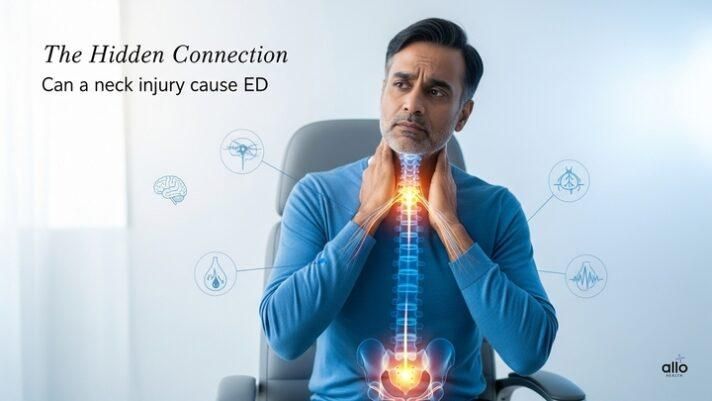
Yes, a neck injury can cause erectile dysfunction, particularly when it damages the cervical spine or spinal cord, disrupting nerve signals between the brain and sexual organs. The risk depends on the injury's severity and location. Conditions like cervical spinal stenosis, disc herniation, and spinal cord injuries are most commonly linked to ED. Not every neck injury leads to sexual problems, but if you experience erectile difficulties alongside symptoms like numbness, tingling, or reduced sensitivity after neck trauma, it's important to seek medical evaluation. The good news: many men see significant improvement in erectile function after treating the underlying spinal issue through surgery, physical therapy, or targeted ED treatments.
Can a neck injury cause erectile dysfunction? Yes, it can, and the connection is more common than most people realize. The neck, particularly the cervical spine, houses crucial nerves that send signals between the brain and the body.
When an injury disrupts these nerve pathways, it can lead to erectile dysfunction. But not every injury leads to ED; it all depends on the type, severity, and location of the damage.
In this article, we’ll break down how neck injuries can impact sexual function, the specific conditions that increase the risk, and the symptoms that shouldn’t be ignored.

Allo asks
If you noticed erectile problems after a neck injury, what would you do first?
Can a Neck Injury Cause Erectile Dysfunction?
Yes, a neck injury can cause erectile dysfunction in some cases, mainly by affecting the nerves that control erections.[1] An injury to the spinal cord in the neck, especially in the cervical spine or upper thoracic area, can stop the brain from sending signals to the nerves that control sexual arousal and erection.
But it's important to understand that not every neck injury leads to ED — unlike the progressive vascular decline seen in age and erectile dysfunction. The risk depends on how bad and what type of injury it is. Mild strains may heal without lasting problems. Serious damage to the spinal cord or nerves can make it harder to get or keep an erection.

In short, while a neck injury doesn’t always cause erectile dysfunction, it can happen when the nerves or spinal pathways that support sexual function are affected.
Let's look deeper into how this connection works, including comparisons with arteriogenic erectile dysfunction where blood supply rather than nerve signals is the limiting factor.
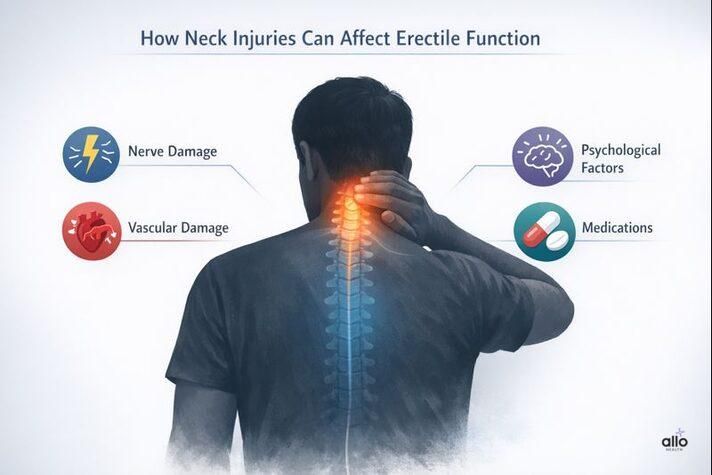
How Neck Injuries Can Affect Erectile Function
The nervous system, the body’s network of nerves, plays a critical role in sexual arousal and erectile function. Getting an erection is not just a physical reaction. It is a complex process that needs communication between the brain, spinal cord, nerves, blood vessels, and hormones.

When a neck injury damages or compresses this communication pathway, it can interfere with those signals and sometimes lead to erectile dysfunction
1. Nerve Damage
The brain sends messages through the spinal cord to trigger an erection. If the cervical spine or nearby spinal cord is injured, these nerve signals may not reach the penis properly. This disruption can make it difficult to get or maintain an erection.
A pinched nerve in the neck, known medically as cervical radiculopathy, happens when nerve roots in the cervical spine are compressed or irritated. This can cause:
- Pain, numbness, weakness, or tingling that spreads into the shoulders, arms, or even the pelvic region
- Disruption of nerve pathways that are essential for sexual function
- Poor communication between the brain and the genital organs
2. Vascular Damage
While less common, trauma related to or following a neck injury can also affect blood vessels. If blood flow to the pelvic area or penis is reduced due to neck injury, it can interfere with erections.
3. Psychological Factors
A neck injury doesn’t just affect the body. The emotional stress of a traumatic injury can contribute to or worsen erectile dysfunction.
- Research[2] shows a link between PTSD (post-traumatic stress disorder) and a higher risk of ED. The body’s “fight-or-flight” response can make it harder to relax enough for an erection.
- Coping with long-term pain, mobility issues, or lifestyle changes after injury can also lead to anxiety, depression, and stress, which are well-known contributors to ED.
4. Medications
Some drugs used to treat neck injuries and related problems can cause erectile dysfunction. These include antidepressants, muscle relaxants, and some pain medicines.
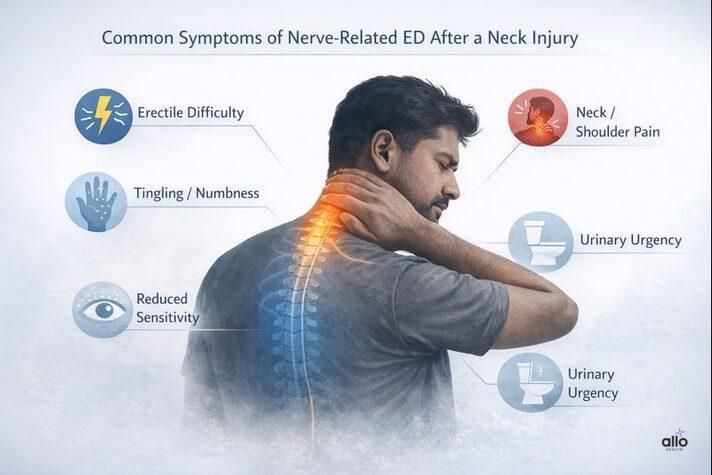
Common Symptoms of Nerve-Related ED After a Neck Injury
These are some common signs to watch for, and if these symptoms appear along with erectile dysfunction, they may suggest nerve-related ED from a neck injury:
- Erectile difficulties after a neck or back injury
- Tingling or numbness in the hands, legs, or genital area
- Reduced sensitivity during arousal
- Weak or short-lasting erections
- Chronic neck pain or shoulder stiffness
Some people also notice other related issues, such as:
- Urinary urgency or hesitancy
- Trouble with coordination or walking
- Frequent headaches, especially near the back of the head
Many people are surprised to learn that the nerves in your neck play a role in sexual function. When those nerves are injured or compressed, the signals that trigger an erection can be affected.
Specific Neck Injuries and Their Connection to Erectile Dysfunction
Not all neck injuries affect sexual function in the same way. Some conditions directly impact the spinal cord or cervical spine, disrupting the nerve pathways that control erections. Here’s how some of the most common ones are linked to erectile dysfunction:
1. Cervical Spinal Stenosis or Instability
When the spaces within the cervical spine narrow, a condition called cervical spinal stenosis, pressure builds up on the spinal cord and nearby nerves. This pressure can interfere with the nerve signals that control sexual function.
- Studies[3] show that around 72% of men with cervical stenosis experienced erectile dysfunction before surgery.
- Many of these patients report improvement after spinal decompression surgery, which relieves pressure on the spinal cord.
2. Cervical Spondylotic Myelopathy (CSM)
CSM is a condition where wear-and-tear changes in the neck compress the spinal cord. This can lead to nerve damage that affects both erections- those triggered by physical touch or mental arousal(reflexive and psychogenic erections).
- Research[4] estimates that 3-6% of men with CSM experience erectile dysfunction.
- Encouragingly, sexual function often improves after spinal decompression surgery.
3. Cervical Spinal Cord Injury
A spinal cord injury in the cervical region can interrupt communication between the brain and the genital nerves. The level and severity of the injury determine how much erectile function is affected.
Research[5] shows that about 80% of men regain some ability to have erections within two years after a spinal cord injury.
4. Cervical Disc Herniation
A herniated disc in the neck can press on nerves, disrupting normal signals between the brain and lower body. Even without full spinal cord compression (myelopathy), this can sometimes cause ED.
Case studies[6] have reported men with disc herniation at C3–C6 developing erectile dysfunction that improved significantly after microdiscectomy and fusion surgery.
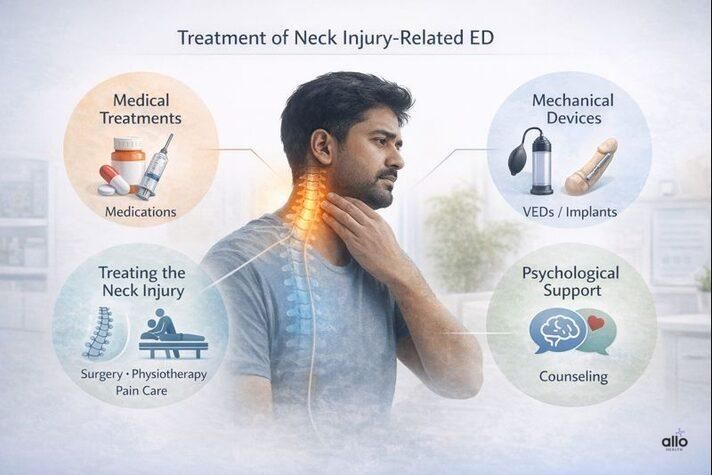
Treatment of Neck Injury-Related ED
The good news is that many men see improvement in erectile function after treatment for their neck or cervical spine injury.[7] Recovery depends on how much the nerves were affected and how early treatment begins — unlike the chronic arterial damage from atherosclerosis and erectile dysfunction that requires long-term management.
Mild cases often respond well to therapy, exercise, and medical care, while more severe cases may need surgery or targeted treatments.
The goal of treatment is to address both the spinal issue and the erectile dysfunction itself. Common treatment options include:
1. Medical Treatments
-
Oral Medications:
Drugs like sildenafil, tadalafil, and other ED medications help improve erections.
-
Penile Injection:
In some cases, medication injected directly into the penis can be used when pills don’t work effectively.
2. Mechanical Devices
-
Vacuum Erection Devices (VEDs):
VEDs create a gentle vacuum that pulls blood into the penis to produce an erection.
-
Penile Implants:
Penile prosthesis is used in severe cases where other treatments fail. These are surgically placed devices.
3. Treating the Underlying Neck Injury
-
Surgery:
For structural issues like cervical spine compression or disc herniation, surgery may relieve pressure on the nerves and restore sexual function.
-
Physical Therapy and Rehabilitation:
Helps strengthen neck muscles, improve blood flow, and reduce nerve irritation.
-
Pain Management:
Chronic neck or nerve pain can interfere with sexual performance, so effective pain control is key.
4. Psychological Support
Counseling or sex therapy can help manage anxiety, depression, or performance anxiety that may follow a serious injury, all of which can impact erections.
When to See a Doctor
If you start noticing erectile problems after a neck injury, it’s important not to ignore them.
- Erectile difficulties appear soon after neck trauma or ongoing neck pain.
- You feel tingling, numbness, or weakness in your hands, legs, or pelvic area along with erection problems.
- Sensitivity during arousal decreases, especially if you also notice numb fingers or toes or other nerve-related symptoms.
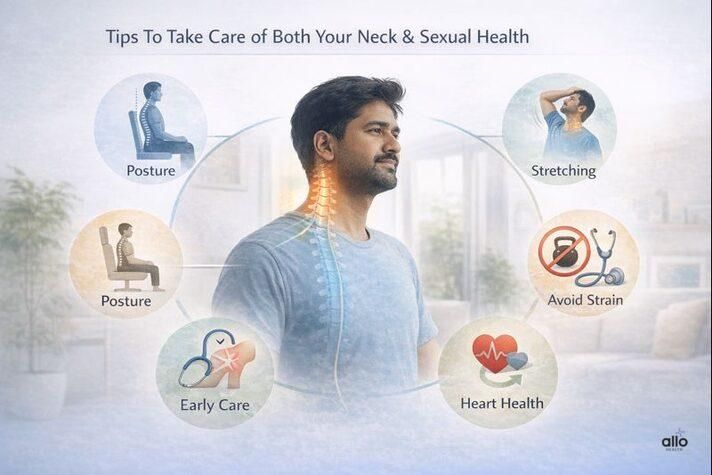
5 Tips To Take Care of Both Your Neck & Sexual Health
Keeping your spine, nerves, and blood vessels healthy supports better posture, energy, and erections. Here are a few simple habits that make a big difference:
1. Maintain Good Posture and Ergonomics:
Sit and stand upright, especially if you work long hours at a desk. Proper alignment protects your cervical spine and nerves.
2. Stretch and Strengthen Regularly:
Gentle neck stretches, yoga, or physiotherapy help improve flexibility and reduce stiffness.
3. Avoid Heavy Lifting or Sudden Jerks:
Sudden strain can injure the neck muscles or compress spinal nerves.
4. Address Chronic Pain Early:
Don’t ignore recurring pain; timely care prevents long-term nerve irritation.
5. Support Heart Health:
Regular exercise, a balanced diet, and good sleep improve blood flow, benefiting both your neck and your sexual function.
Key Takeaway
Can a neck injury cause erectile dysfunction, and could drugs that cause erectile dysfunction compound the risk? Yes, in some cases, neck injuries can lead to erectile dysfunction, especially when they affect the nerves or spinal cord that control sexual function.
If you notice erection changes after a neck injury, don’t ignore them. Getting evaluated early helps identify the cause and improves your chances of full recovery.

Disclaimer
The following blog article provides general information and insights on various topics. However, it is important to note that the information presented is not intended as professional advice in any specific field or area. The content of this blog is for general educational and informational purposes only. The content should not be interpreted as endorsement, recommendation, or guarantee of any product, service, or information mentioned. Readers are solely responsible for the decisions and actions they take based on the information provided in this blog. It is essential to exercise individual judgment, critical thinking, and personal responsibility when applying or implementing any information or suggestions discussed in the blog.
Most Asked Questions
How can you tell if erectile dysfunction is caused by nerve damage?
If your ED started after a neck, back, or spinal injury and you also feel numbness, tingling, or weakness in your arms, legs, or pelvic area, it may be nerve-related. A doctor can confirm this with neurological exams, imaging (like MRI), and blood tests to rule out hormonal or vascular causes.
Which pinched nerve can cause erectile dysfunction?
A pinched nerve in the cervical spine (neck region) or lower back can affect the nerve signals that trigger erections. In particular, compression of sacral or spinal nerves that connect the brain and genital area can disrupt arousal and erectile function. Early treatment often improves both pain and sexual performance.
What part of the spine controls erectile function?
Erections are controlled by nerve centers in the spinal cord, mainly in the sacral (S2–S4) and thoracolumbar (T11–L2) regions. These areas manage the communication between the brain, spinal cord, and penile nerves. When the cervical spine is injured, it can indirectly affect these signals and lead to ED.
Can cervical spine problems really cause erectile dysfunction?
Yes. The cervical spine contains nerve pathways that carry messages from the brain to the rest of the body. When these nerves are compressed or damaged due to injury, disc herniation, or spinal stenosis, it can interrupt sexual function. Treatment of the underlying neck issue often improves erectile health.
Can erectile dysfunction from a neck injury be reversed?
In many cases, yes. Once the nerve compression or spinal problem is treated through physical therapy, surgery, or medications, erectile function often improves. Recovery depends on the severity of nerve damage and how soon treatment begins, so early medical care makes a big difference.
Sources
- 1.
Impact of spinal cord injury on sexuality: Broad-based clinical practice intervention and practical application
- 2.
Physiology, Stress Reaction
- 3.
The Effect of Cervical and Lumbar Decompression Surgery for Spinal Stenosis on Erectile Dysfunction
- 4.
Sexual Dysfunction in Cervical Spondylomyelopathy and Its Prognosis Following Surgical Decompression: A Systematic Review
- 5.
Impact of spinal cord injury on sexuality: Broad-based clinical practice intervention and practical application
- 6.
Improvement of erectile dysfunction after surgery for cervical disk herniation
- 7.
Sexual Dysfunction in Cervical Spondylomyelopathy and Its Prognosis Following Surgical Decompression: A Systematic Review