Chlamydia and Erectile Dysfunction: Can This STD Cause ED?
Written by Dr. Deepali Anand

Dr. Deepali is a medical writer and healthcare professional with a background in clinical surgery and patient care. Having transitioned from active clinical practice to medical communications, she specializes in bridging the gap between complex clinical data and patient education. Dr. Deepali is dedicated to creating evidence-based content that is grounded in scientific rigor and empathy, ensuring that sensitive topics like sexual wellness and mental health are accessible and empowering for every reader.
•
July 30, 2026
Our experts continually monitor the health and wellness space, and we update our articles when new information becomes available.

Quick Read
Chlamydia can cause erectile dysfunction when the infection spreads to the prostate, leading to inflammation that restricts blood flow, interferes with nerve signals, and causes pain during sex. While this is more common in younger, sexually active men, the condition is almost always temporary and fully treatable with antibiotics like azithromycin or doxycycline. Early symptoms include painful urination, discharge, and testicular swelling, but many men show no signs until complications develop. The key to recovery is prompt testing, completing the full antibiotic course, informing sexual partners, and practicing safe sex to prevent reinfection. With proper treatment, most men regain normal erectile function within weeks.
Can chlamydia cause erectile dysfunction? Yes, but in most cases, it’s temporary and completely treatable. When this common sexually transmitted infection spreads to the prostate or surrounding tissues, it can affect blood flow, nerve function, and even sexual confidence. Many men, especially younger and sexually active ones, experience erectile issues linked to untreated chlamydia without realizing it.
In this article, we’ll explore how chlamydia can lead to erectile dysfunction, what symptoms to watch for, who’s most at risk, and how early testing and the right treatment can help you recover completely.
Can Chlamydia Cause Erectile Dysfunction?
Yes, chlamydia can cause erectile dysfunction, particularly when the infection spreads to the prostate gland. This connection is especially relevant for younger, sexually active men, since chlamydia tends to affect this age group more often.
While the link between chlamydia and erectile dysfunction is indirect, it is medically well established — much like the compounding effect of age and erectile dysfunction on vascular health. Research[1] shows that chlamydia-related prostatitis, i.e, inflammation of the prostate caused by infection, is one of the key mechanisms leading to erection problems.
When chlamydia enters the male reproductive tract through the urethra, it can travel upward and infect the prostate gland, resulting in inflammation. This condition, known as prostatitis, disrupts normal nerve and blood flow functions that are essential for healthy erections.

According to clinical studies[2], chronic bacterial prostatitis affects sexual function in nearly 49% of men, with erectile dysfunction occurring in about 15% of cases — many of whom also show signs of arteriogenic erectile dysfunction.
According to Allo Health, nearly 1 in 2 patients experience erectile dysfunction, and 1 in 4 sexually active men test positive for an STI affecting erections, based on our internal clinical data of over 2.5 lakh patients who have visited our clinics.
Let’s take a closer look at how this happens

Allo asks
Do you think chlamydia can cause erection problems in men?

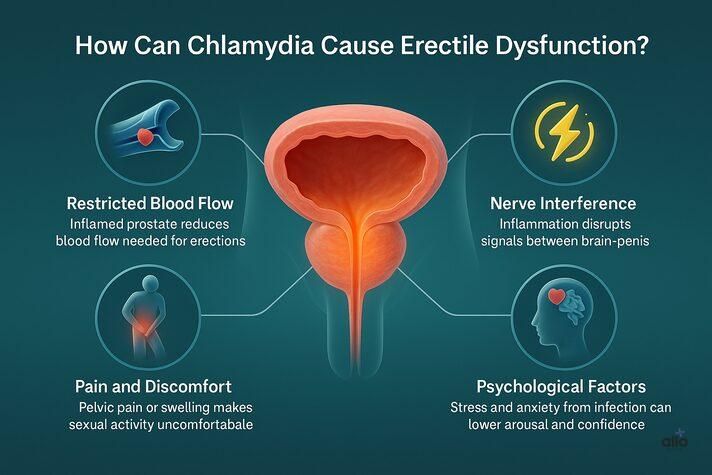
How Can Chlamydia Cause Erectile Dysfunction?
When the prostate gland becomes infected and inflamed due to chlamydia, erectile dysfunction can occur in several ways. The effects are both physical and psychological, often working together to disrupt normal sexual function.
1. Restricted Blood Flow
An inflamed prostate can restrict blood flow to the penis, making it difficult to achieve or maintain a firm erection. Since healthy blood flow is essential for erectile function, even mild inflammation can interfere with the process.
2. Nerve Interference
Prostatitis caused by chlamydia can also affect the nerves surrounding the prostate gland. These nerves play a vital role in sending arousal and erection signals between the brain and the penis. When inflammation disrupts these nerve pathways, normal erectile function becomes more difficult.
3. Pain and Discomfort
An untreated chlamydia infection may cause painful urination, swelling in the testicles, or a dull ache in the pelvic region. Chronic prostatitis or a long-lasting chlamydia infection can cause pain or discomfort during sex, ejaculation, or even when sitting. This ongoing pain can further reduce sexual desire and performance.
4. Psychological Factors
The stress, anxiety, and embarrassment that often accompany a sexually transmitted infection (STI) can have a serious emotional impact. Worrying about passing the infection, feeling guilty, or having performance issues can lower sexual confidence. This can lead to psychological erectile dysfunction.
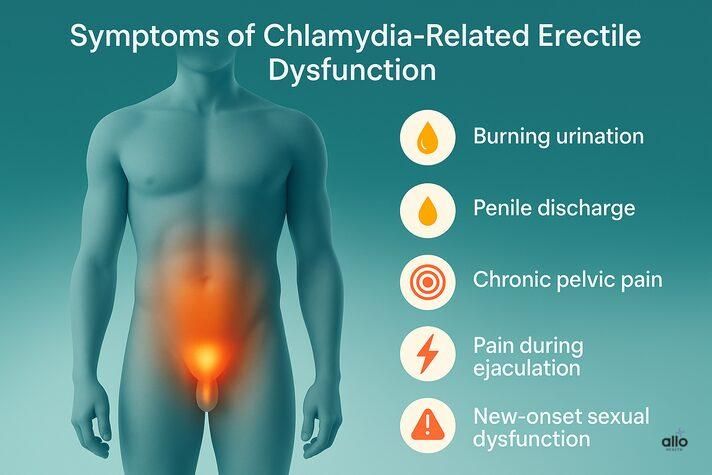
Symptoms of Chlamydia-Related Erectile Dysfunction
Many men with chlamydia notice no symptoms in the early stages, which makes the infection particularly risky. Without timely treatment, it can silently spread and lead to complications such as prostatitis, increasing the risk of erectile dysfunction.
When symptoms do appear, they may include:
- Pain or burning sensation during urination
- Penile discharge (clear, cloudy, or white)
- Pain or swelling in the testicles
If the infection progresses to prostatitis, additional symptoms may suggest a higher risk of erectile dysfunction, such as:
- Chronic pelvic pain or pressure
- Pain during ejaculation
- Frequent or difficult urination
- New-onset sexual dysfunction without other clear causes
Recognizing these warning signs early and seeking medical help can prevent long-term complications and restore healthy sexual function.
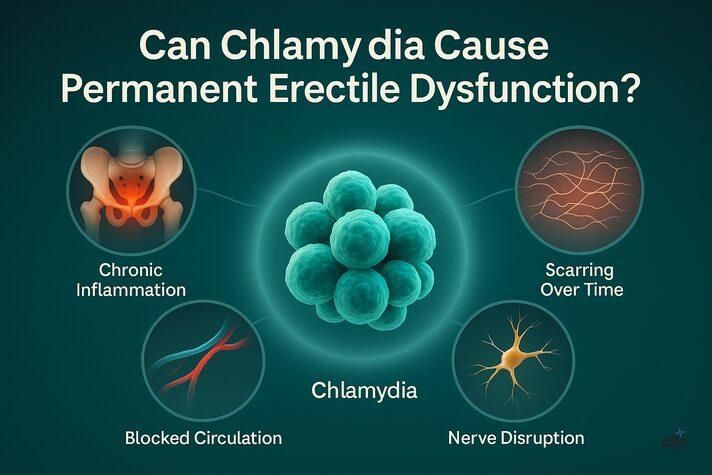
Can Chlamydia Cause Permanent Erectile Dysfunction?
The risk of permanent erectile dysfunction from chlamydia is very rare, but it can happen in some cases[3]. This usually occurs when the infection stays untreated for a long time and causes lasting damage to the prostate gland.
Here’s how that can happen:
- Ongoing inflammation develops when chlamydia remains in the prostate for months or years.
- Scar tissue forms as the body tries to heal the infected area.
- Poor blood flow results when this scar tissue blocks normal circulation to the reproductive organs.
- Nerve damage may occur after long periods of inflammation, affecting the signals needed for normal erections.
Because of these risks, it’s very important to get tested and treated early. In most cases, men recover fully once the infection is cleared with antibiotics. Early treatment helps protect both sexual and reproductive health.
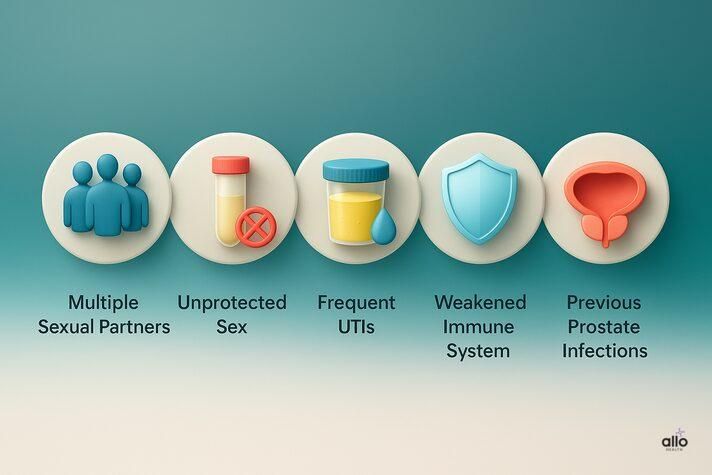
Who Is at Higher Risk of Chlamydia-Related Erectile Dysfunction?
Certain factors can increase the chances of chlamydia leading to prostatitis and eventually erectile dysfunction. You may be at higher risk if you:
- Have multiple sexual partners
- Engage in unprotected sex, whether anal, vaginal, or oral
- Experience frequent urinary tract infections (UTIs)
- Have a weakened immune system, which makes it harder for your body to fight infections
- Have had prostate infections before, as this can make the gland more prone to long-term inflammation
Treatment of Chlamydia-Related Erectile Dysfunction
The good news is that chlamydia-related erectile dysfunction is often reversible with proper medical treatment. Once the infection is cleared, most men notice a clear improvement in their sexual function. Studies[4] show significant recovery in erectile performance after successful bacterial eradication.
Treatment Plan
-
First-line antibiotics:
Azithromycin (1 g single dose) or Doxycycline (100 mg twice daily for 7 days) — treating the infection promptly reduces inflammation that drives conditions like atherosclerosis and erectile dysfunction.
-
Chronic prostatitis cases:
Longer treatment may be needed, usually 4 to 6 weeks of antibiotic therapy prescribed by a doctor.
-
Combination therapy:
In some stubborn or chronic cases, a combination of antibiotics such as fluoroquinolone and macrolide may work better.[5]
Partner Treatment and Sexual Safety
- All sexual partners from the last 60 days should also be tested and treated to prevent reinfection.
- Avoid sexual activity until the full treatment is completed, either 7 days after a single-dose therapy or after finishing a 7-day antibiotic course.
Erectile dysfunction linked to chlamydia is usually temporary. Once the infection is treated, most men see their erections return to normal within a few weeks.
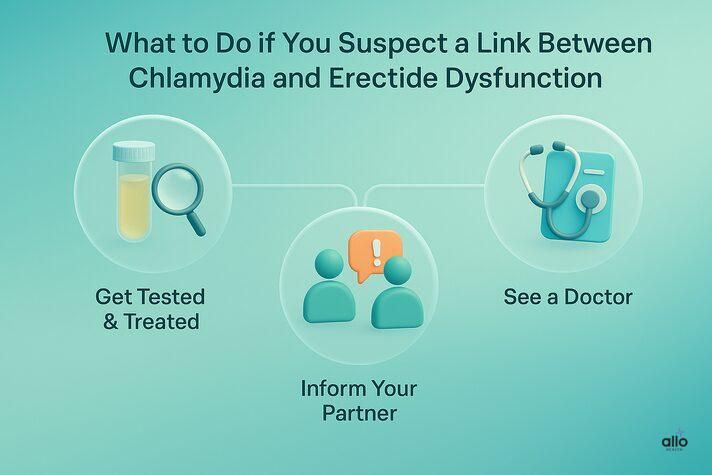
What to Do if You Suspect a Link Between Chlamydia and Erectile Dysfunction
If you think your erectile dysfunction may be related to chlamydia, don’t panic; the condition is treatable, and recovery is very likely with the right care. Here’s what you should do:
1. Get Tested and Treated
If you have symptoms of chlamydia or have had unprotected sex, get tested as soon as possible.
Clearing the infection can often improve erectile function, especially if prostatitis (prostate inflammation) was the underlying cause.
2. Inform Your Sexual Partners
To prevent reinfection and protect others, it’s important to inform all recent sexual partners so they can also be tested and treated.
This step is crucial for stopping the infection cycle and protecting everyone’s sexual health.
3. See a Doctor Promptly
You should consult a healthcare professional if you experience:
- Any symptoms of urogenital infection (discharge, burning, or pain)
- New-onset erectile dysfunction, particularly in younger men
- Chronic pelvic pain or discomfort
- Known exposure to chlamydia through sexual contact
Even if your infection clears, ongoing erectile dysfunction may need further evaluation. A doctor or urologist can help determine the specific cause of ED and recommend the best treatment options for ED.
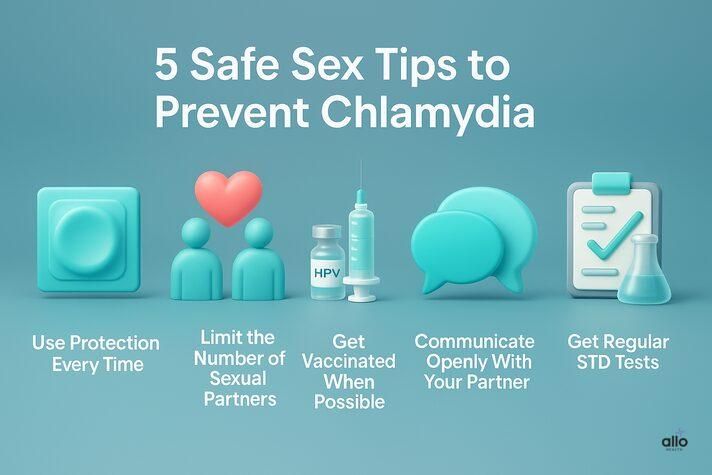
5 Safe Sex Tips to Prevent Chlamydia
Practicing safe sex is one of the simplest and most effective ways to protect yourself and your partner from chlamydia and other sexually transmitted infections. Here are some easy steps to stay safe and healthy:
1. Use Protection Every Time
Always use a condom during vaginal sex, anal sex, or oral sex. Condoms act as a protective barrier that lowers the risk of chlamydia and other STDs for both partners.
2. Limit the Number of Sexual Partners
Try to stay in a mutually monogamous relationship where both partners have tested negative for sexually transmitted diseases.
Having multiple partners increases your chances of exposure to infections, even if no one shows symptoms.
3. Get Vaccinated When Possible
Although there isn’t a vaccine for chlamydia, some other infections, like human papillomavirus (HPV), can be prevented through vaccination.
The HPV vaccine helps reduce your overall risk of sexually transmitted infections and related complications.
4. Communicate Openly With Your Partner
Honest communication is a key part of sexual health. Talk openly with your partner about protection, testing, and safe sex practices.
5. Get Regular STD Tests
Make STD testing a routine part of your healthcare. Many infections, including chlamydia, can stay hidden without symptoms but still cause complications if untreated. Getting tested regularly helps detect infections early and ensures timely treatment.
The Bottom Line
Yes, chlamydia can cause erectile dysfunction, but it’s usually temporary and fully treatable. With early testing and proper antibiotic treatment, most men regain normal sexual function.
The key is to act early — nutritional support like taurine and erectile dysfunction research shows can aid recovery alongside antibiotic treatment. Inform your partners, complete your treatment, and follow up with your doctor to confirm the infection is cleared.
Healthy habits like using protection, managing stress, and regular testing go a long way in preventing recurrence. Remember, erectile dysfunction from chlamydia is rarely permanent, and seeking care early ensures a full recovery and peace of mind.
Disclaimer
The following blog article provides general information and insights on various topics. However, it is important to note that the information presented is not intended as professional advice in any specific field or area. The content of this blog is for general educational and informational purposes only. The content should not be interpreted as endorsement, recommendation, or guarantee of any product, service, or information mentioned. Readers are solely responsible for the decisions and actions they take based on the information provided in this blog. It is essential to exercise individual judgment, critical thinking, and personal responsibility when applying or implementing any information or suggestions discussed in the blog.
Most Asked Questions
Does chlamydia make it hard to get erect?
Yes, chlamydia can make it difficult to get or maintain an erection, especially if the infection spreads to the prostate gland and causes inflammation. This can affect blood flow, nerve function, and comfort during sex.
What STDs can cause erectile dysfunction?
Several sexually transmitted infections can affect sexual function if left untreated, including chlamydia, gonorrhea, syphilis, and herpes. These infections can cause inflammation, pain, or nerve irritation that interfere with erections.
How do you treat chlamydia in men?
Chlamydia is treated with antibiotics, usually azithromycin (a single dose) or doxycycline (taken twice daily for seven days). In more persistent cases, doctors may recommend longer or combination antibiotic courses.
How can you tell if a man has chlamydia?
Many men don’t notice symptoms at first, but common signs include burning during urination, penile discharge, testicular pain or swelling, and sometimes pelvic discomfort. The only reliable way to know for sure is through a lab test, either a urine test or a swab from the urethra.
Can chlamydia cause permanent erectile dysfunction?
It’s very rare. Permanent erectile dysfunction from chlamydia happens only if the infection remains untreated for a long time, leading to prostate or nerve damage. In most cases, early treatment completely reverses erection problems and restores normal sexual function.
Sources
- 1.
The presence of Chlamydia trachomatis infection in men with chronic prostatitis
- 2.
Prostatic Disease and Sexual Dysfunction
- 3.
Long-term consequences of sexually transmitted infections on men’s sexual function: A systematic review
- 4.
Antibiotic treatment can delay ejaculation in patients with premature ejaculation and chronic bacterial prostatitis
- 5.
Fluoroquinolone–macrolide combination therapy for chronic bacterial prostatitis: retrospective analysis of pathogen eradication rates, inflammatory findings and sexual dysfunction