Weightlifting and Erectile Dysfunction: Link Between and Sexual Impact
Written by Dr. Deepali Anand

Dr. Deepali is a medical writer and healthcare professional with a background in clinical surgery and patient care. Having transitioned from active clinical practice to medical communications, she specializes in bridging the gap between complex clinical data and patient education. Dr. Deepali is dedicated to creating evidence-based content that is grounded in scientific rigor and empathy, ensuring that sensitive topics like sexual wellness and mental health are accessible and empowering for every reader.
•
July 30, 2026
Our experts continually monitor the health and wellness space, and we update our articles when new information becomes available.
Quick Read
Yes, weightlifting can help improve erectile dysfunction when done properly. It works by boosting heart health and blood flow, increasing testosterone levels, managing conditions like diabetes and obesity, and strengthening pelvic floor muscles, all crucial for healthy erections. Research shows men who do regular strength training have a 25% lower risk of ED. However, balance is key: overtraining, extreme dieting, or steroid use can actually harm sexual function by raising stress hormones and lowering testosterone. For best results, combine moderate weightlifting (under 45 minutes per session) with proper rest, good nutrition, and healthy lifestyle habits.
Does lifting weights help erectile dysfunction? Yes, when done right, it absolutely can. Weightlifting, a form of resistance exercise, doesn’t just build muscle; it strengthens the very systems that support healthy erections- the heart, blood vessels, and hormones.
In this article, we’ll explore how weightlifting improves blood flow, boosts testosterone, and enhances confidence, while also addressing the risks of overtraining, poor diet, and steroid misuse.

Allo asks
Have you ever noticed changes in your erections while resistance training?
Does Lifting Weights Help Erectile Dysfunction?
Yes, weightlifting, a form of resistance exercise, can help improve erectile dysfunction. That’s because lifting weights supports better heart health, testosterone balance, and overall circulation, all of which play key roles in maintaining a healthy erection.
Research[1] consistently shows that resistance training, when done with proper intensity and frequency, significantly enhances erectile function in men with ED.
In fact, data from the National Health and Nutrition Examination Survey[2] (NHANES), which included over 4,000 men, found that those who engaged in regular muscle-strengthening activities had a 25% lower risk of erectile dysfunction.

According to Allo Health, nearly 1 in 2 men experience erectile dysfunction, which is based on our internal clinical data of more than 2.5 lakh patients who have visited our clinics.
That said, weightlifting works best as part of a balanced lifestyle, one that includes cardio exercise, nutritious eating, adequate sleep, and stress management. When combined, these habits create the right foundation for both physical fitness and long-term sexual health.
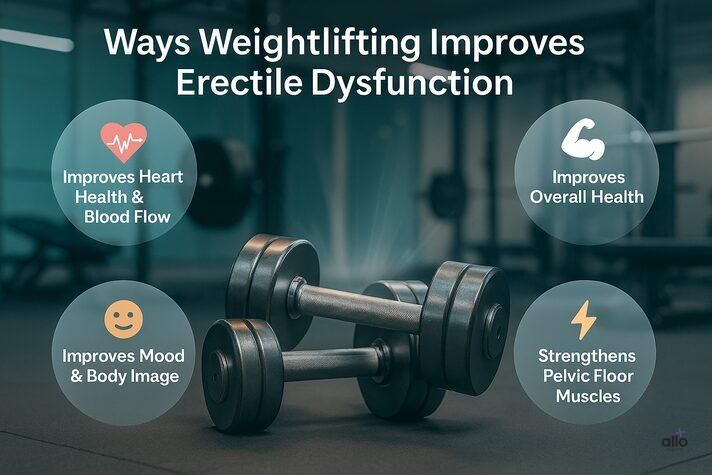
5 Ways Weightlifting Improves Erectile Dysfunction
1. Improves Heart Health & Blood Flow
Erections depend heavily on healthy blood flow to the penis. Lifting weights, like other forms of strength training, helps improve heart health and circulation, which benefits the entire body, including the penis.

Resistance training has been shown to reduce inflammation, improve endothelial function (the cells that line blood vessels), and increase nitric oxide production[3]. Nitric oxide is vital for erections because it helps relax blood vessels and muscles, allowing more blood to flow into the penis and maintain firmness.
2. Improves Overall Health
Weightlifting also helps manage several underlying health conditions linked to erectile dysfunction, such as diabetes, obesity, high blood pressure, and high cholesterol.
Men with higher muscle mass and strength tend to have better sexual function, particularly as they age.
A 2025 review published in Sexual Medicine Reviews[4] analyzed 32 studies and found that greater muscle mass and strength were strongly associated with better sexual health, especially among men with metabolic conditions like diabetes and obesity.
3. Boosts Testosterone Levels
Regular resistance training can naturally stimulate testosterone production, especially when large muscle groups are activated. Exercises like squats and deadlifts are particularly effective for this.
Studies[5] suggest that weightlifting can increase testosterone levels by 12-15%, which supports both physical performance and sexual function. Maintaining optimal testosterone levels helps improve libido, stamina, and overall vitality.
4. Improves Mood and Body Image
For many men, body image issues and performance anxiety can quietly affect sexual confidence. Building muscle and improving physique through weightlifting helps boost self-esteem and reduce anxiety.
Exercise also boosts endorphins (the “feel-good” hormones) and lowers cortisol (the stress hormone), promoting relaxation and a healthier mood- both essential for good sexual performance.
5. Strengthens Pelvic Floor Muscles
Certain targeted weightlifting exercises, like the Kegel exercises, strengthen the pelvic muscles, which play a key role in erection control and stability.
Research[6] has shown that up to 75% of men with ED experienced improvement after incorporating these specific exercises into their routine.
Stronger pelvic floor muscles help maintain better rigidity and support erectile function, especially when combined with overall resistance training and lifestyle improvements.
Weightlifting is great for your body and your sexual health, as long as you don’t push it to extremes. The goal is consistency, not exhaustion. Your body needs rest to perform well in every sense of the word.
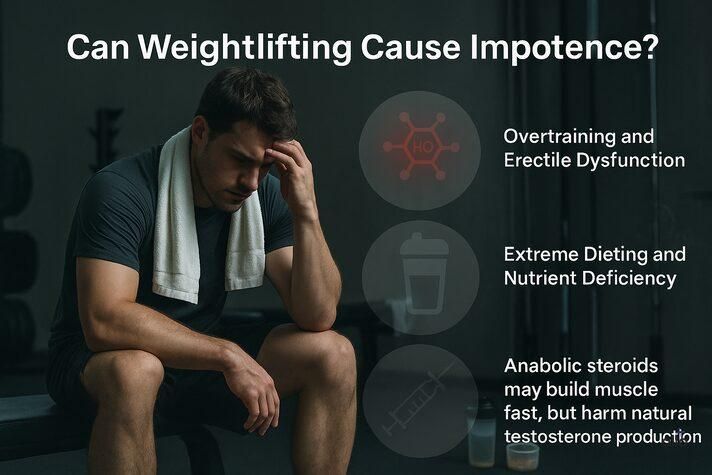
Can Weightlifting Cause Impotence?
In most cases, weightlifting does not cause impotence. In fact, moderate strength training is often beneficial for sexual health.
But, excessive weightlifting and overtraining, especially without proper rest and nutrition, can sometimes contribute to erectile dysfunction (ED) in men.
Let’s look at how that happens.
-
Overtraining and Erectile Dysfunction
When the body is in constant recovery mode, it prioritizes healing over sexual function.
Overtraining raises cortisol (the stress hormone) and causes fatigue, both of which can lower libido and restrict blood flow, key factors for healthy erections.
-
Lowers Testosterone Levels
While moderate exercise boosts testosterone, too much intense training can suppress it. Studies[7] show that chronic high-intensity or long-duration workouts are linked to lower sex drive in men.
High cortisol reduces testosterone production, constricts blood vessels, and keeps the body in a “fight-or-flight” state that blocks arousal.
-
Extreme Dieting and Nutrient Deficiency
Many weightlifters follow restrictive diets, low-fat, low-carb, or extremely high-protein plans. But healthy fats are vital for testosterone production, and carbs help maintain stamina.
Low-fat diets can reduce libido, and energy deficits from calorie restriction can suppress reproductive hormones and reduce sexual performance.
-
Steroid Use and Erectile Dysfunction
Anabolic steroids may build muscle fast, but harm natural testosterone production. Long-term use can lead to erectile dysfunction, low libido, and testicular shrinkage.
Studies[8] show that among steroid users:
- 44% report a smaller testicular size
- 31% experience reduced libido
- 19% develop erectile dysfunction
The U.S. FDA also warns that some bodybuilding supplements illegally contain steroid-like substances, posing serious hormonal and cardiovascular risks.
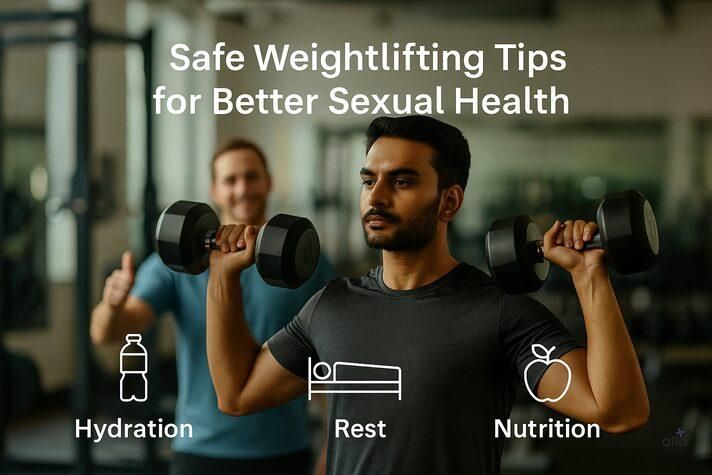
Safe Weightlifting Tips for Better Sexual Health
It’s true that any kind of exercise is good for erections, especially aerobic workout and resistance training, when done in moderation. The key is balance. Overtraining can do more harm than good, so following safe strength training routines is important to prevent exercise-related erectile problems.
Here are some practical tips to keep your workouts both effective and healthy:
- Keep training sessions under 45 minutes to avoid excessive cortisol buildup.
- Allow at least 48 hours of rest before training the same muscle group again.
- Take regular rest days each week to let your body recover fully.
- Pay attention to warning signs like fatigue, irritability, decreased performance, or loss of libido; these may indicate overtraining.
- Avoid combining heavy lifting with intense endurance workouts unless you have enough recovery time.
- Don’t follow extreme low-fat or low-carb diets, as they can reduce hormone production and energy levels.
- Stay well-hydrated before, during, and after workouts to support blood flow and stamina.
- Never use anabolic steroids or unregulated bodybuilding supplements.
Lastly, if you have any pre-existing medical conditions, it’s best to consult a healthcare provider before starting or intensifying your weightlifting routine.
When To See a Doctor
Sometimes, erectile dysfunction can be an early warning sign of underlying issues such as heart disease, diabetes, or hormonal imbalances. That’s why it’s important to see a doctor before assuming your ED is caused by training or lifestyle habits alone.
- Persistent erection difficulties even after adequate rest or recovery
- Loss of regular morning erections
- Reduced libido or sex drive
- Symptoms of low testosterone, such as fatigue, low mood, or poor concentration
- Signs of overtraining that don’t improve with rest
- Concerns about supplements or steroid use
The Bottom Line
Does lifting weights help with erectile dysfunction? Yes, when done in moderation and with proper technique. The real risks come from overtraining, poor nutrition, and steroid misuse, which can lead to ED.
Maintaining a balanced training routine, eating well, resting enough, and avoiding performance-enhancing drugs will not only help you build strength but also support long-term sexual and hormonal health.

Disclaimer
The following blog article provides general information and insights on various topics. However, it is important to note that the information presented is not intended as professional advice in any specific field or area. The content of this blog is for general educational and informational purposes only. The content should not be interpreted as endorsement, recommendation, or guarantee of any product, service, or information mentioned. Readers are solely responsible for the decisions and actions they take based on the information provided in this blog. It is essential to exercise individual judgment, critical thinking, and personal responsibility when applying or implementing any information or suggestions discussed in the blog.
Most Asked Questions
Is lifting weights good for erectile dysfunction (ED)?
Yes, lifting weights can help improve erectile dysfunction. Strength training boosts blood flow, increases testosterone levels, reduces stress, and supports overall cardiovascular health, all essential for healthy erections.
Can weightlifting cause impotence?
No, moderate and balanced weightlifting does not cause impotence. However, overtraining, poor nutrition, or steroid misuse can lower testosterone levels and affect sexual performance. Rest, recovery, and proper diet are key to avoiding such issues.
What exercise is best for erectile dysfunction?
A combination of aerobic exercise (like brisk walking or cycling) and resistance training (like squats, push-ups, or weightlifting) works best. Together, they improve heart health, blood flow, and hormonal balance, all vital for better erectile function.
How often should I lift weights to help with ED?
Aim for 3-4 moderate strength training sessions per week, keeping workouts under 45 minutes. Give your muscles 48 hours to recover between sessions and focus on proper form rather than excessive intensity.
Does exercise really improve sexual performance?
Yes, regular exercise improves energy levels, stamina, and confidence, all of which enhance sexual performance. It also reduces anxiety and boosts mood, which helps with both arousal and satisfaction.
Sources
- 1.
Exercise and erectile dysfunction (ED)
- 2.
The association of various physical activities with erectile dysfunction: NHANES 2001-2004
- 3.
Is It Possible to Train the Endothelium?—A Narrative Literature Review
- 4.
Exploring the link between muscle quality and erectile dysfunction: assessing the impact of mass and strength
- 5.
Effects of progressive resistance training on growth hormone and testosterone levels in young and elderly subjects
- 6.
Physical Activity to Improve Erectile Function: A Systematic Review of Intervention Studies
- 7.
Marathon Running and Sexual Libido in Adult Men: Exercise Training and Racing Effects
- 8.
Abusive use of anabolic androgenic steroids, male sexual dysfunction and infertility: an updated review