Fenugreek for Erectile Dysfunction: Uses, Benefits, and Impact on Libido
Written by Dr. Deepali Anand

Dr. Deepali is a medical writer and healthcare professional with a background in clinical surgery and patient care. Having transitioned from active clinical practice to medical communications, she specializes in bridging the gap between complex clinical data and patient education. Dr. Deepali is dedicated to creating evidence-based content that is grounded in scientific rigor and empathy, ensuring that sensitive topics like sexual wellness and mental health are accessible and empowering for every reader.
•
July 30, 2026
Our experts continually monitor the health and wellness space, and we update our articles when new information becomes available.

Quick Read
Fenugreek may help with erectile dysfunction by boosting free testosterone levels, improving blood flow, and enhancing libido. For best results, take 500-600 mg of fenugreek extract daily with meals for 8-12 weeks, or use 1 teaspoon of soaked seeds each morning. You can also consume it as capsules, tea, or powder mixed into smoothies and foods. However, fenugreek works best as part of a healthy lifestyle and not a standalone cure for ED. You should always consult your doctor first, especially if you take diabetes medications, blood thinners, or have legume allergies.
How to use fenugreek for erectile dysfunction? If you’ve been hearing that fenugreek might help with erections and want to know exactly how to take it safely and effectively, you’re in the right place.
Studies show that taking fenugreek may support testosterone levels, improve blood flow, and enhance libido, especially in men with mild to moderate erectile issues. But the evidence is still limited, and more research is needed to confirm these benefits.
In this article, we’ll explain how fenugreek works, how to use it safely, and what to expect if you’re considering it as a natural way to support sexual health.


Allo asks
Have you ever tried fenugreek for improving sexual health?
Fenugreek and Erectile Dysfunction: What’s the Link?
Fenugreek (Trigonella foenum-graecum) often comes up in conversations about natural remedies for erectile dysfunction and overall sexual health. Some studies[1] suggest that fenugreek may help support erectile function in several ways, by boosting testosterone levels, improving libido, and promoting general well-being.

However, while these findings are promising, the current evidence is still limited. Fenugreek can be a helpful addition to a healthy lifestyle, but it’s not a guaranteed cure for erectile dysfunction.
Always consult your doctor before starting any new supplement, even natural ones, to ensure it’s safe and suitable for you.
According to Allo Health, nearly 1 in 2 men experience erectile dysfunction, which is based on our internal clinical data of more than 2.5 lakh patients who have visited our clinics.

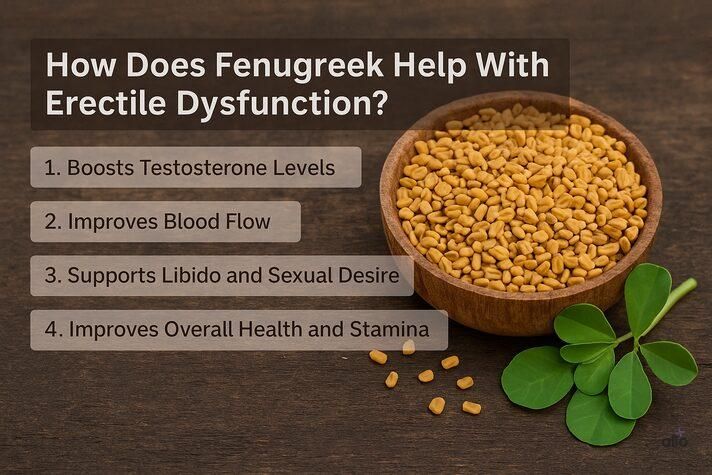
How Does Fenugreek Help With Erectile Dysfunction?
Fenugreek contains active compounds called furostanolic saponins, which are believed to help increase testosterone levels in the body. Let’s look at how fenugreek - erectile dysfunction are linked, and what the research says about its potential benefits:
1. Boosts Testosterone Levels
- Fenugreek may help raise free testosterone levels in men who have mild deficiencies, without significantly altering total testosterone levels.[1]
- It works by inhibiting the enzymes 5α-reductase and aromatase, which normally break down or convert testosterone into other hormones.
- By slowing this process, fenugreek helps maintain higher levels of active testosterone in the body, which plays a vital role in sexual desire and erectile strength.
2. Improves Blood Flow
- Good blood flow is key to strong, lasting erections. Studies[2] show that fenugreek can increase nitric oxide production. Nitric oxide is essential for erections.
- It helps relax blood vessels and the smooth muscles in the penis. This relaxation improves blood flow, allowing more blood to flow to the penis.
3. Supports Sex Drive
- Fenugreek doesn’t just influence hormones; it also supports overall sexual arousal, sex drive, and satisfaction.
- A 12-week study[3] involving 120 men aged 43-75 found that taking 600 mg of fenugreek daily improved both hormone levels and libido.
- Another study[1] observed that fenugreek supplementation doubled the frequency of morning erections, suggesting an overall improvement in erectile function and sexual vitality.
4. Improves Overall Health and Stamina
Fenugreek’s benefits extend beyond sexual health. It may help manage several metabolic conditions that can directly or indirectly cause erectile dysfunction, such as:
- High cholesterol: Research[4] shows fenugreek can help lower cholesterol levels, an important step in reducing ED risk.
- High blood sugar: Fenugreek may help control blood sugar levels, which is particularly beneficial for men with diabetes mellitus-related erectile dysfunction.[5]
- Fatigue and stress: It can help reduce fatigue, support energy levels, and improve mental resilience, all of which contribute to better sexual performance and confidence.
Fenugreek can support testosterone and sexual health, but it’s not an overnight fix. Think of it as something that helps your body work better over time, especially when you’re also eating well, exercising, and managing stress.
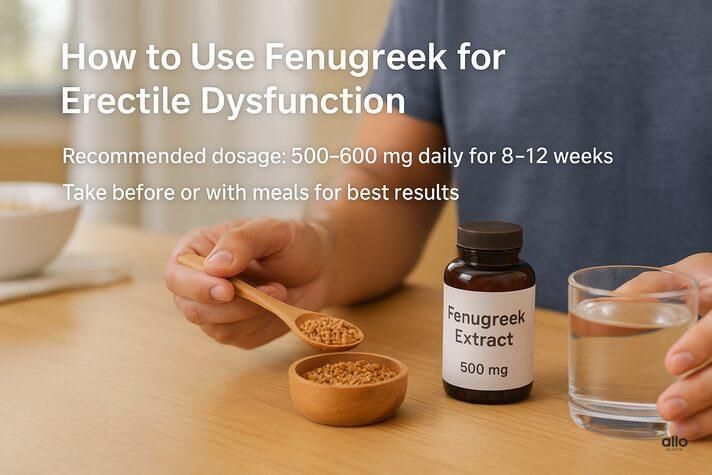
How To Use Fenugreek For Erectile Dysfunction
Most studies on fenugreek and sexual health use concentrated fenugreek seed extracts, not whole seeds. That’s because extracts contain higher levels of active compounds.
Clinical studies[6] show that benefits often appear after 4-8 weeks of consistent use, with the most noticeable improvements around 8-12 weeks.
But it is important to remember that natural supplements like fenugreek can support sexual health, but they aren’t quick fixes. Consistency, patience, and healthy lifestyle habits for ED, such as balanced nutrition, regular exercise, and adequate sleep, all play an important role in improving erectile function naturally.
Recommended Dosage of Fenugreek
- Standard Dose: 500-600 mg of fenugreek extract daily for 8-12 weeks.
- Alternative Dose: Some studies have used 300 mg twice daily (a total of 600 mg per day), particularly when combined with regular exercise or resistance training.
How and When to Take Fenugreek
- Take fenugreek before or with meals, preferably with your largest carbohydrate meal of the day.
- This timing may help stabilize blood sugar levels and improve nutrient absorption.
- Begin with a lower dose to see how your body responds before increasing gradually.

Tips to Safely Include Fenugreek in Your Diet for Erectile Dysfunction
1. Fenugreek Seeds
- How to take: Soak 1 teaspoon of fenugreek seeds overnight and eat them in the morning on an empty stomach, or drink the fenugreek seed water. You can mix the soaked seeds into smoothies or yogurt.
- Benefits: Natural, fiber-rich seeds and loaded with nutrients that support metabolism and hormonal balance.
Tip: Combine fenugreek with a little honey or warm milk to improve taste and enhance its traditional potency.
2. Fenugreek Capsules or Fenugreek Seed Extracts
- Standardized dose: 500-600 mg per day of fenugreek extract (containing 20-50% saponins).
- How to use: Take once daily with food, always follow the dosage on the product label or your doctor’s advice.
- Best for: Those who prefer consistent dosing and convenience without the strong taste of fenugreek seeds.
3. Fenugreek Herbal Tea or Infusion
- How to prepare: Boil crushed fenugreek seeds or fenugreek leaves in water for 8–10 minutes, then strain the liquid. Add a touch of lemon or honey to balance its naturally bitter flavor.
- Benefits: Helps with hydration, metabolism, and supports mild hormonal balance. Drinking this tea regularly may gently enhance libido and overall vitality.
4. Fenugreek Seed Powder (Methi Dana Powder)
- How to use: Mix 1-2 teaspoons of fenugreek seed powder in lukewarm water, yogurt, or smoothies. You can also use fenugreek powder by adding it to soups, curries, or health drinks.
- Traditional tip: In some Ayurvedic practices, sautéed fenugreek seeds are combined with ghee and warm milk for added strength and energy.
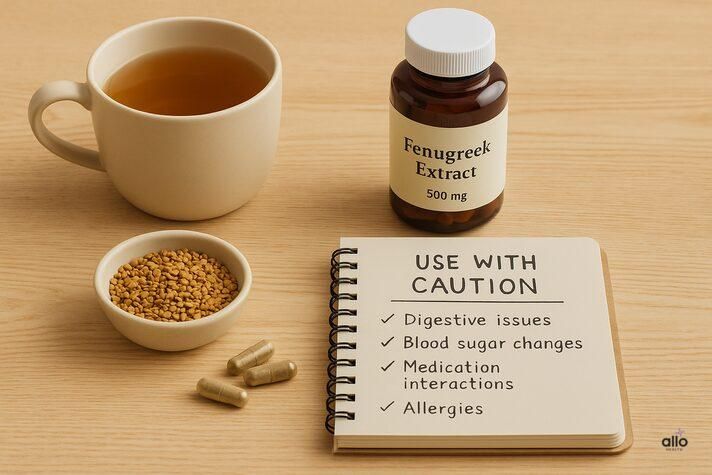
Possible Side Effects of Taking Fenugreek For Erectile Dysfunction
Fenugreek is generally safe for most people when used responsibly, but it’s still important to know how your body might react. Like any supplement, it can cause mild side effects or interact with certain medications.
Here’s what to keep in mind before using fenugreek for erectile dysfunction:
-
Digestive Issues:
Some people may experience stomach upset, bloating, or diarrhea, especially when starting with higher doses.
-
Body odor:
Fenugreek can give your sweat and urine a maple syrup-like scent, harmless but noticeable to some.
-
Blood Sugar Levels:
If you’re already taking anti-diabetic medication, combining it with fenugreek can lead to low blood sugar (hypoglycemia).
-
Interactions with Blood Thinners:
Fenugreek may interact with blood-thinning medications such as warfarin or aspirin, increasing the risk of bleeding or easy bruising.
-
Interactions with Asthma Medications:
Some evidence suggests that fenugreek might interfere with asthma treatments.
-
Allergic Reactions:
Fenugreek belongs to the legume family (the same family as peanuts and chickpeas). If you’re allergic to these foods, you may also be sensitive to fenugreek and could develop rash, swelling, or breathing difficulty after taking it.
Key Takeaway: Can Fenugreek Really Help With Erectile Dysfunction?
Fenugreek does show promise in supporting erectile dysfunction, especially for those with mild to moderate testosterone deficiency. Its benefits come from improving hormone balance, enhancing libido, and supporting overall vitality.
That said, fenugreek isn’t a quick fix or a cure-all. It works best as part of a holistic approach that includes regular exercise, a balanced diet, good sleep, and stress management.
In short, fenugreek can be a valuable natural aid for erectile dysfunction, but it should complement and not replace other evidence-based treatments or medical advice from your doctor.
Disclaimer
The following blog article discusses food and diet-related information for general educational purposes. However, it is important to note that the information provided is not intended as personalized dietary advice and should not be considered a substitute for professional guidance from a registered dietitian or qualified healthcare professional. Before making any significant changes to your diet or nutrition plan, it is recommended to consult with a registered dietitian or healthcare professional. Dietary changes can have a significant impact on your overall health and well-being. It is important to approach any changes to your diet in a balanced and sustainable manner, ensuring that you meet your nutritional needs and avoid any potential nutrient deficiencies. Rapid or extreme changes in dietary patterns can be detrimental to your health and may require professional guidance. It is crucial to note that any specific dietary recommendations or guidelines mentioned in this article may not be appropriate for individuals with specific medical conditions, allergies, or intolerances. A registered dietitian or healthcare professional can provide individualized advice, including modifications or alternative food choices to accommodate your unique circumstances. The information provided in this article may not encompass all possible dietary considerations or account for the latest research and nutritional guidelines.
Most Asked Questions
How long does it take fenugreek to work for men?
Most studies suggest that fenugreek may start showing results in 4 to 8 weeks, with more noticeable benefits, like improved libido or energy, around 8 to 12 weeks of consistent use. However, results vary depending on your health, lifestyle, and testosterone levels.
Is fenugreek like a natural Viagra?
Not exactly. Fenugreek isn’t a quick-acting pill like Viagra. Instead, it may gradually support erectile health by improving testosterone, blood flow, and sexual desire over time. It works best when used consistently and combined with a healthy lifestyle.
Which herb is best for erectile dysfunction?
Different herbs work in different ways. Fenugreek is helpful for boosting testosterone and libido, while ginseng, ashwagandha, and maca root are known for reducing stress and improving stamina. The right choice depends on your specific needs and medical condition. Always consult a doctor before starting any supplement.
What happens if we drink soaked fenugreek water daily?
Drinking soaked fenugreek water can help improve digestion, metabolism, and hormonal balance. For sexual health, it may have mild benefits, but fenugreek extract or capsules usually provide more concentrated and measurable results.
Can I take fenugreek with other erectile dysfunction medications?
It’s best to talk to your doctor first. While fenugreek is natural, it can interact with medications, especially those for blood pressure, diabetes, or blood thinning. A healthcare professional can guide you on safe combinations and dosing.
Sources
- 1.
Beneficial effects of fenugreek glycoside supplementation in male subjects during resistance training: A randomized controlled pilot study
- 2.
Fenugreek (Trigonella Foenum-Graecum) Seed Flour and Diosgenin Preserve Endothelium-Dependent Arterial Relaxation in a Rat Model of Early-Stage Metabolic Syndrome
- 3.
Testofen, a specialised Trigonella foenum-graecum seed extract reduces age-related symptoms of androgen decrease, increases testosterone levels and improves sexual function in healthy aging males in a double-blind randomised clinical study
- 4.
Effect of fenugreek consumption on serum lipid profile: A systematic review and meta-analysis
- 5.
The Effect of Fenugreek in Type 2 Diabetes and Prediabetes: A Systematic Review and Meta-Analysis of Randomized Controlled Trials
- 6.
Fenugreek