Aging And Sexual Health: Maintaining Sexual Health
Written by Aditi Mallick

Aditi, a dynamic individual with a background in Chemistry, initially embarked on her professional journey as an Associate Content Developer at Byju's. Transitioning from an academic content reviewer to a creative force in the content creation team, she demonstrated prowess in crafting SEO-driven academic content, impactful presentations, and video reviews. Seeking new challenges, Aditi redirected her career towards professional content and copywriting, joining MyCaptain. Along this transformative path, she mastered design skills using software like Photoshop and Illustrator, creating visually striking posts for various brands and websites. Today, Aditi stands as a seasoned Medical writer, seamlessly transitioning from her roots as an academic writer. Join her on this exciting journey as she shares insights and expertise in content creation and medical writing.
•
July 30, 2026
Our experts continually monitor the health and wellness space, and we update our articles when new information becomes available.
Aging is a natural process that brings about various changes in the body, including those affecting sexual health. While these changes are inevitable, maintaining sexual health as we age is not only possible but also beneficial for overall well-being. This article explores the challenges associated with aging and sexual health and provides practical tips for maintaining a fulfilling and healthy sex life.
Understanding The Changes
- As people age, they experience several physiological changes that can impact sexual health. These changes include hormonal shifts, reduced blood flow, and the natural aging of tissues.
- For women, menopause brings about a significant decline in estrogen levels, leading to vaginal dryness, thinning of vaginal tissues, and decreased libido.
- Men, on the other hand, may experience lower testosterone levels, erectile dysfunction, and reduced sexual desire.
- These physical changes can lead to discomfort during intercourse, decreased sexual satisfaction, and a reduction in sexual activity. However, it’s important to recognize that these changes are normal and can be managed correctly.
Open Communication
Medical Consultation
- Consulting a healthcare professional is essential for addressing any sexual health concerns. Many age-related sexual issues, such as erectile dysfunction or vaginal dryness, can be managed with medical treatments.
- Hormone replacement therapy (HRT) can help women alleviate symptoms of menopause, while medications like sildenafil (Viagra) can assist men in achieving and maintaining erections.
- In addition to medical treatments, healthcare providers can offer valuable advice on lifestyle changes and other strategies to improve sexual health. Regular check-ups can also help detect any underlying health issues that might be affecting your sexual well-being.
Healthy Lifestyle
Maintaining a healthy lifestyle is crucial for overall well-being and sexual health. Regular exercise, a balanced diet, adequate sleep, and stress management can all contribute to improved sexual function.
- Exercise: Regular physical activity improves cardiovascular health, increases stamina, and enhances mood, all of which are beneficial for sexual health. Exercises that strengthen the pelvic floor muscles, such as Kegels, can be beneficial for both men and women in maintaining sexual function.

Staying Intimate

Adapting To Changes
As you age, it’s important to adapt to the changes in your body and find new ways to enjoy sexual activity. This might involve using lubricants to address vaginal dryness, trying different sexual positions that are more comfortable, or incorporating sex toys to enhance pleasure. Being open to experimentation and willing to explore new methods can help maintain a satisfying sex life.
Mental Health And Sexual Health
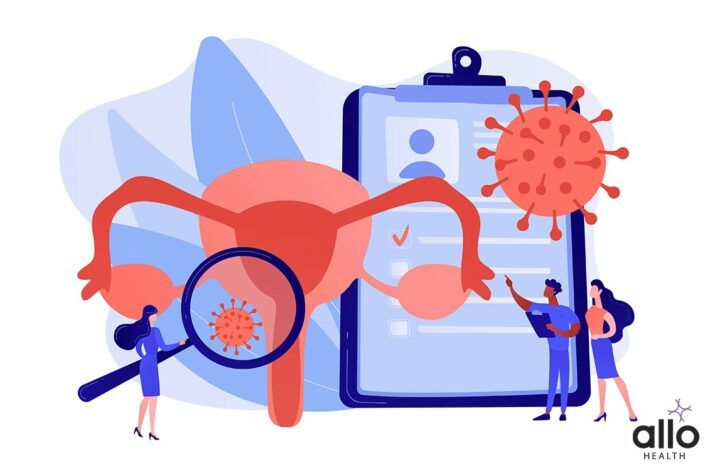
Mental health plays a significant role in sexual health. Conditions such as depression, anxiety, and low self-esteem can negatively affect sexual desire and performance. Seeking support from a mental health professional, engaging in regular physical activity, and maintaining social connections can help improve mental health and, in turn, sexual health.
Addressing Myths And Misconceptions
- There are many myths and misconceptions about aging and sexual health. One common myth is that older adults lose interest in sex. While it’s true that sexual desire may change with age, many older adults continue to have a strong interest in sex and intimacy.
- Another misconception is that sexual problems are an inevitable part of aging. While sexual issues can become more common with age, they are often treatable and should not be accepted as an unavoidable part of getting older.
Aging brings about changes that can affect sexual health, but with the right approach, it is possible to maintain a satisfying and healthy sex life. Open communication, medical consultation, a healthy lifestyle, maintaining intimacy, adapting to changes, and addressing mental health are all crucial aspects of maintaining sexual health as you age. By embracing these strategies, older adults can continue to enjoy the physical and emotional benefits of a healthy sexual relationship, enhancing their overall quality of life. Remember, sexual health is an important part of overall well-being, and it deserves attention and care at every stage of life.

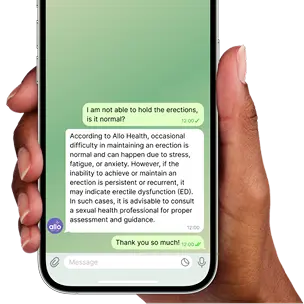
Disclaimer
The following blog article provides general information and insights on various topics. However, it is important to note that the information presented is not intended as professional advice in any specific field or area. The content of this blog is for general educational and informational purposes only. The content should not be interpreted as endorsement, recommendation, or guarantee of any product, service, or information mentioned. Readers are solely responsible for the decisions and actions they take based on the information provided in this blog. It is essential to exercise individual judgment, critical thinking, and personal responsibility when applying or implementing any information or suggestions discussed in the blog.
Most Asked Questions
How does aging affect sexual health?
Aging can bring changes to sexual health due to hormonal shifts, medical conditions, and decreased physical stamina. Men may experience erectile dysfunction or reduced libido, while women might face vaginal dryness and reduced sexual desire. However, medical treatment and lifestyle adjustments can manage many of these changes.
Can older adults maintain an active sex life?
Yes, older adults can maintain an active sex life. Communication with partners, regular exercise, a healthy diet, and addressing any medical issues with a healthcare provider can help sustain sexual activity and enjoyment. Emotional intimacy and adapting to changes in physical ability also play crucial roles.
What are some common sexual health issues faced by aging adults?
Common issues include erectile dysfunction, reduced libido, vaginal dryness, and discomfort during intercourse. Chronic illnesses, medications, and mental health concerns like anxiety and depression can also impact sexual health. Seeking medical advice can help address these concerns.
How can older adults improve their sexual health?
Improving sexual health involves maintaining overall health through regular physical activity, a balanced diet, managing chronic conditions, and avoiding tobacco and excessive alcohol. Open communication with partners and healthcare providers about sexual health concerns is essential. Using lubricants can alleviate vaginal dryness, and medications or devices can assist with erectile dysfunction.
When should older adults seek medical help for sexual health issues?
Older adults should seek medical help if they experience persistent sexual health issues that affect their quality of life, such as erectile dysfunction, significant loss of libido, or pain during intercourse. Consulting a healthcare provider can help identify underlying causes and explore appropriate treatments, ensuring a fulfilling and healthy sexual life.