Sexual Health: Personal Hygiene and Safety
Written by Anoush Gomes

Anoush Gomes is a seasoned Content Writer with over 10 years of experience, specializing in various writing styles such as medical content, creative writing, storytelling, and research papers. Anoush embarked on a unique journey, starting with pre-medical studies at the Dante Aligheri Academy and the University of Miami, where she earned a Bachelor's degree with a major in Biology and a minor in Psychology.Having pursued medical school and completed clinicals, Anoush transitioned to the world of medical content writing, where her passion for both healthcare and writing converged. Her writing skills encompass persuasive, narrative, expository, and descriptive styles, making complex medical concepts accessible to diverse audiences.Beyond her professional endeavors, Anoush is a multi-faceted individual with a rich tapestry of interests. A writer, artist, poet, avid reader, certified nerd, and hopeful author, she finds inspiration in the intersection of creativity and science.Whether crafting engaging medical narratives or weaving captivating stories, Anoush combines her diverse background and writing expertise to deliver compelling content that resonates with diverse audiences.
•
July 30, 2026
Our experts continually monitor the health and wellness space, and we update our articles when new information becomes available.
Maintaining good personal hygiene and practicing safe behaviors are crucial aspects of sexual health. Personal hygiene not only helps prevent the spread of infections but also promotes overall well-being and confidence. Safety measures, such as using protection and practicing consent, are essential for preventing unwanted consequences and ensuring respectful and healthy sexual encounters. In this article, we will explore the importance of personal hygiene and safety in the context of sexual health.
Personal Hygiene
- Genital Hygiene
- Regular Bathing: Washing the genital area with mild soap and water is recommended to maintain cleanliness and prevent odors or infections.
- Avoiding Harsh Products: Avoid using harsh soaps, douches, or scented products, as they can disrupt the natural pH balance and beneficial bacteria in the genital area.
- Proper Wiping: After using the bathroom, women should wipe from front to back to prevent the spread of bacteria from the anus to the vagina or urinary tract.
- Oral Hygiene
- Regular Brushing and Flossing: Maintaining good oral hygiene by brushing teeth twice a day and flossing regularly can help prevent the spread of bacteria and infections during oral-genital contact.
- Dental Check-ups: Regular dental check-ups and professional cleanings can identify and address any oral health issues that may affect sexual health.
- Hand Hygiene
- Washing Hands: Washing hands thoroughly with soap and water before and after any sexual activity can help prevent the spread of infections and protect both partners.
- Keeping Nails Trimmed: Keeping fingernails and toenails trimmed and clean can prevent scratches or cuts during intimate contact.
- Menstrual Hygiene
- Proper Hygiene During Periods: During menstruation, it is essential to change pads or tampons regularly, practice good genital hygiene, and avoid sharing personal hygiene products.
- Safe Disposal: Properly disposing of used menstrual products in a hygienic manner can prevent the spread of infections.
Safety Measures
- Barrier Protection
- Condoms: Using condoms correctly and consistently during vaginal, anal, or oral sex can significantly reduce the risk of contracting or spreading sexually transmitted infections (STIs) and prevent unintended pregnancies.
- Dental Dams: Dental dams can be used as a barrier during oral-genital or oral-anal contact to prevent the transmission of infections.
- Regular Testing
- STI Testing: Getting tested regularly for STIs, especially when changing partners or engaging in high-risk behaviors, is crucial for early detection and treatment.
- Open Communication: Being open and honest with sexual partners about testing history and potential risks can promote informed decision-making.
- Consent and Respect
- Enthusiastic Consent: Obtaining enthusiastic, ongoing, and freely given consent from all parties involved in any sexual activity is essential for maintaining a safe and respectful environment.
- Respecting Boundaries: Respecting each partner's boundaries, comfort levels, and the right to withdraw consent at any time is a fundamental aspect of sexual safety.
- Substance Use and Impairment
- Avoiding Impairment: Engaging in sexual activity while under the influence of alcohol or drugs can impair judgment, increase risk-taking behaviors, and compromise the ability to give or recognize consent.
- Practicing Harm Reduction: If substance use occurs, practicing harm reduction strategies, such as using protection and establishing clear boundaries, can help mitigate potential risks.
- Sexual Violence Prevention
- Recognizing Unhealthy Dynamics: Being aware of signs of unhealthy or abusive dynamics, such as coercion, manipulation, or control, is crucial for identifying and addressing potential risks of sexual violence.
- Seeking Support: If experiencing or witnessing sexual violence, it is important to seek support from trusted sources, report incidents to appropriate authorities, and access resources for survivors.
Specific Considerations
- LGBTQ+ Individuals
- Inclusive Education: Providing inclusive sexual health education and resources that address the unique needs and experiences of LGBTQ+ individuals can promote safer and more positive sexual experiences.
- Addressing Stigma: Challenging stigma and discrimination against LGBTQ+ individuals can create a more supportive environment for accessing sexual health services and information.
- Sex Workers
- Occupational Safety: Sex workers should have access to resources and information on personal hygiene, barrier protection, regular testing, and safety measures specific to their work environment.
- Destigmatization and Support: Efforts should be made to destigmatize and decriminalize sex work, allowing sex workers to access sexual health services without fear of discrimination or legal repercussions.
- Individuals with Disabilities or Chronic Conditions
- Accessibility: Ensuring that sexual health information and services are accessible and inclusive for individuals with disabilities or chronic conditions is crucial.
- Tailored Guidance: Providing tailored guidance on personal hygiene and safety measures that consider specific needs and limitations can empower individuals to maintain good sexual health.
- Pregnancy and Postpartum
- Prenatal Care: During pregnancy, it is important to follow healthcare providers' recommendations for maintaining good hygiene and practicing safe sexual behaviors to protect the health of both the mother and the fetus.
- Postpartum Hygiene: After giving birth, following proper hygiene practices and adhering to recommended precautions for sexual activity can promote healing and prevent infections.
- Older Adults
- Addressing Ageism: Challenging ageist attitudes and misconceptions that older adults are not sexually active or interested in sexual health can help ensure that their needs are addressed.
- Specific Considerations: Providing information and resources tailored to the unique physical and emotional needs of older adults can help them maintain good sexual health as they age.
Education and Awareness
- Comprehensive Sexual Education
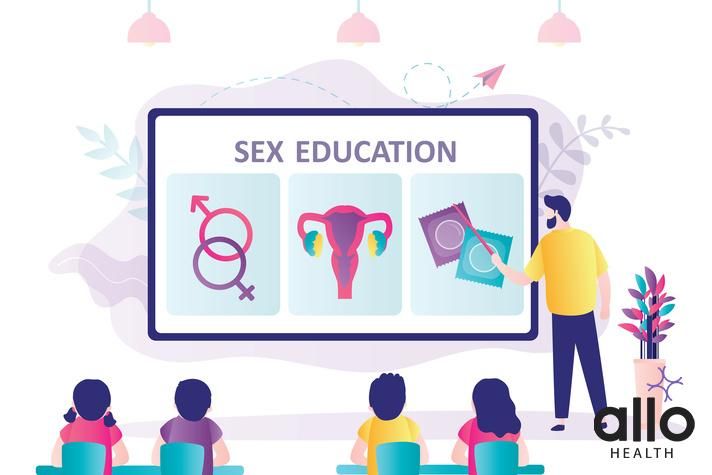
- Evidence-Based Curricula: Implementing comprehensive, evidence-based sexual education curricula in schools and communities can provide accurate information on personal hygiene, safety measures, and overall sexual health.
- Addressing Diverse Needs: Sexual education should be inclusive and address the needs of individuals across various backgrounds, identities, and life stages.
- Healthcare Provider Training
- Culturally Competent Care: Ensuring that healthcare providers receive training on providing culturally competent, non-judgmental, and inclusive sexual health care is essential.
- Continuing Education: Offering ongoing professional development opportunities for healthcare providers to stay updated on the latest advancements and best practices in sexual health.
- Public Awareness Campaigns
- Destigmatizing Sexual Health: Launching public awareness campaigns that challenge stigma, promote positive attitudes, and provide accurate information can help normalize discussions around sexual health.
- Targeted Outreach: Tailoring outreach efforts to specific communities or demographic groups can help address their unique needs and barriers related to sexual health.
- Access to Resources
- Reliable Information Sources: Ensuring that individuals have access to reliable, evidence-based sources of information on personal hygiene, safety measures, and overall sexual health is crucial.
- Support Services: Providing access to support services, such as counseling, hotlines, or support groups, can help individuals navigate challenges related to sexual health and well-being.
Maintaining good personal hygiene and practicing safety measures are essential components of sexual health. By prioritizing genital, oral, hand, and menstrual hygiene, using barrier protection, obtaining regular testing, practicing consent and respect, and addressing substance use and impairment, individuals can reduce the risk of infections and promote healthy and fulfilling sexual experiences. Additionally, addressing specific considerations for diverse populations and promoting comprehensive sexual education and awareness are crucial for creating an environment that supports and empowers individuals to make informed choices about their sexual health.

Disclaimer
The following blog article provides general information and insights on various topics. However, it is important to note that the information presented is not intended as professional advice in any specific field or area. The content of this blog is for general educational and informational purposes only. The content should not be interpreted as endorsement, recommendation, or guarantee of any product, service, or information mentioned. Readers are solely responsible for the decisions and actions they take based on the information provided in this blog. It is essential to exercise individual judgment, critical thinking, and personal responsibility when applying or implementing any information or suggestions discussed in the blog.
Most Asked Questions
How often should I shower or bathe for good genital hygiene?
There is no definitive rule for how often one should bathe or shower, as personal hygiene needs can vary. However, it is generally recommended to wash the genital area with mild soap and water at least once a day, especially after any sexual activity, to maintain cleanliness and prevent infections.
Is it safe to use douches or feminine hygiene products for intimate hygiene?
The use of douches and most scented or perfumed feminine hygiene products is not recommended, as they can disrupt the natural pH balance and beneficial bacteria in the vaginal area, potentially leading to infections or irritation. It is best to use mild, unscented soap and water for external genital hygiene.
What are the most effective barrier methods for preventing STIs and unintended pregnancy?
The most effective barrier methods for preventing sexually transmitted infections (STIs) and unintended pregnancy are: Male condoms: When used consistently and correctly, they are highly effective in preventing STIs and pregnancy. Female condoms: These provide protection similar to male condoms but are controlled by the receptive partner. Dental dams: These barrier methods are recommended for oral-genital or oral-anal contact to prevent the transmission of STIs.
How can I ensure my partner and I are practicing enthusiastic consent and respecting boundaries?
Practicing enthusiastic consent involves open communication, checking in with your partner(s) throughout sexual activity, and ensuring that all parties are freely and actively agreeing to what is happening. Respecting boundaries means listening to and honoring each other's limits, comfort levels, and the right to withdraw consent at any time without pressure or coercion.
What resources are available for survivors of sexual violence or those in unhealthy/abusive situations?
There are various resources available for survivors of sexual violence or those in unhealthy/abusive situations, including: National hotlines and crisis centers that provide confidential support and referrals to local services. Support groups and counseling services specifically for survivors of sexual violence or domestic abuse. Legal aid organizations that can assist with protection orders, victim advocacy, and navigating the legal system. Healthcare providers and clinics that offer specialized care and resources for survivors.