Sexual Health: Regular Health Screenings
Written by Anoush Gomes

Anoush Gomes is a seasoned Content Writer with over 10 years of experience, specializing in various writing styles such as medical content, creative writing, storytelling, and research papers. Anoush embarked on a unique journey, starting with pre-medical studies at the Dante Aligheri Academy and the University of Miami, where she earned a Bachelor's degree with a major in Biology and a minor in Psychology.Having pursued medical school and completed clinicals, Anoush transitioned to the world of medical content writing, where her passion for both healthcare and writing converged. Her writing skills encompass persuasive, narrative, expository, and descriptive styles, making complex medical concepts accessible to diverse audiences.Beyond her professional endeavors, Anoush is a multi-faceted individual with a rich tapestry of interests. A writer, artist, poet, avid reader, certified nerd, and hopeful author, she finds inspiration in the intersection of creativity and science.Whether crafting engaging medical narratives or weaving captivating stories, Anoush combines her diverse background and writing expertise to deliver compelling content that resonates with diverse audiences.
•
June 10, 2024
Our experts continually monitor the health and wellness space, and we update our articles when new information becomes available.
Maintaining good sexual health goes beyond practicing safe behaviors and personal hygiene. Regular health screenings play a crucial role in preventing, detecting, and treating various sexual health concerns. These screenings can help identify potential issues early, reducing the risk of complications and promoting overall well-being. In this article, we will explore the importance of regular health screenings in the context of sexual health.
- Sexually Transmitted Infection (STI) Screening
- Importance of Regular Testing: Regular STI screening is essential for detecting and treating infections early, preventing further transmission, and reducing the risk of long-term complications.
- Recommended Screenings: Healthcare providers may recommend specific STI screenings based on an individual's sexual history, risk factors, and symptoms.
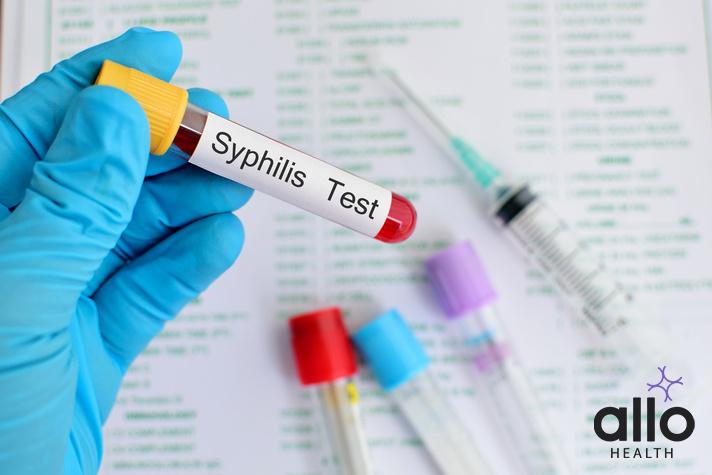
- Common STIs Screened: Chlamydia, gonorrhea, syphilis, HIV, hepatitis B, and human papillomavirus (HPV) are among the most commonly screened STIs.
- Cervical Cancer Screening
- Pap Smear: A Pap smear is a routine screening test that detects precancerous cervical cells, which can be treated before they develop into cervical cancer.
- HPV Testing: HPV testing may be conducted along with a Pap smear to identify high-risk strains of the virus that can cause cervical cancer.
- Screening Guidelines: Healthcare providers follow specific guidelines for when and how often to perform cervical cancer screenings based on age, risk factors, and previous results.
- Breast Cancer Screening
- Mammograms: Mammograms are X-ray imaging tests that can detect breast cancer in its early stages, even before lumps can be felt.
- Self-Exams and Clinical Exams: Regular self-breast exams and clinical breast exams by a healthcare provider can also help detect any abnormalities or changes.
- Screening Guidelines: Recommendations for breast cancer screening vary based on age, risk factors, and personal/family history.

- Prostate Cancer Screening
- PSA Test: The prostate-specific antigen (PSA) test is a blood test that measures the level of PSA, which can be elevated in cases of prostate cancer or other prostate conditions.
- Digital Rectal Exam (DRE): A DRE is a physical examination where a healthcare provider checks for any abnormalities in the prostate gland.
- Screening Guidelines: Recommendations for prostate cancer screening vary, and individuals should discuss the potential benefits and risks with their healthcare provider.
- Reproductive Health Screenings
- Fertility Testing: For individuals trying to conceive, fertility testing can identify potential issues that may be impacting fertility and help guide appropriate treatment options.
- Prenatal Screenings: During pregnancy, various screenings are recommended to monitor the health of the mother and the developing fetus, such as ultrasounds, genetic testing, and prenatal blood work.
- Postpartum Screenings: After giving birth, screenings for conditions like postpartum depression, urinary incontinence, and vaginal/pelvic floor issues can help identify and address any concerns.
- General Health Screenings
- Physical Exams: Regular physical exams can help assess overall health, identify potential issues, and provide an opportunity to discuss any concerns related to sexual health.
- Blood Work: Blood tests can screen for various conditions that may impact sexual health, such as hormonal imbalances, nutrient deficiencies, or underlying medical conditions.
- Mental Health Screenings: Mental health conditions, such as anxiety or depression, can affect sexual health and well-being, making mental health screenings an important aspect of comprehensive care.
- Risk Assessment and Tailored Screenings
- Risk Factor Evaluation: Healthcare providers should assess an individual's risk factors, such as age, sexual history, family history, and lifestyle factors, to determine appropriate screening recommendations.
- Tailored Screening Plans: Based on risk assessments, healthcare providers can develop tailored screening plans that address an individual's specific needs and concerns.
- Open Communication: It is important for individuals to have open and honest discussions with their healthcare providers about their sexual health, risk factors, and any concerns or symptoms they may be experiencing.
- Access to Screening Services
- Availability and Affordability: Ensuring that screening services are widely available and affordable, regardless of an individual's socioeconomic status or location, is crucial for promoting sexual health equity.
- Reducing Barriers: Addressing potential barriers to accessing screening services, such as stigma, lack of awareness, or logistical challenges, can improve screening rates and early detection.
- Community Outreach and Education: Providing community-based outreach and education efforts can help raise awareness about the importance of regular health screenings and available resources.
- Confidentiality and Privacy
- Maintaining Confidentiality: Healthcare providers and screening facilities should prioritize maintaining the confidentiality and privacy of individuals seeking sexual health screenings.
- Non-Judgmental Approach: Creating a safe and non-judgmental environment where individuals feel comfortable discussing sensitive topics and seeking necessary screenings is essential.
- Follow-up Care and Support
- Timely Communication of Results: Ensuring timely communication of screening results, regardless of the outcome, is crucial for allowing individuals to take appropriate follow-up actions.
- Treatment and Support Services: For individuals who receive positive screening results, providing access to treatment options, counseling, and support services is essential for addressing their specific needs.
- Ongoing Monitoring and Follow-up: Regular follow-up screenings and monitoring may be necessary, especially for individuals with ongoing sexual health concerns or elevated risk factors.
Disclaimer
The following blog article provides general information and insights on various topics. However, it is important to note that the information presented is not intended as professional advice in any specific field or area. The content of this blog is for general educational and informational purposes only. The content should not be interpreted as endorsement, recommendation, or guarantee of any product, service, or information mentioned. Readers are solely responsible for the decisions and actions they take based on the information provided in this blog. It is essential to exercise individual judgment, critical thinking, and personal responsibility when applying or implementing any information or suggestions discussed in the blog.
Most Asked Questions
How often should I get tested for STIs?
The frequency of STI testing depends on various factors, such as age, sexual activity, and risk factors. Generally, healthcare providers recommend annual STI testing for sexually active individuals, with more frequent testing recommended for those with multiple partners or other high-risk behaviors.
When should I start getting regular cervical cancer screenings?
Most guidelines recommend that individuals with a cervix begin regular cervical cancer screenings, typically with a Pap smear, at age 21. The frequency of screenings may vary based on age, risk factors, and previous results.
Do I need a breast cancer screening if I don't have any family history or risk factors?
Even in the absence of family history or known risk factors, regular breast cancer screenings (such as mammograms) are recommended for most individuals starting at a certain age. Early detection is crucial, as breast cancer can occur in individuals without any known risk factors.
Is there a screening test for testicular cancer?
There is no standardized screening test for testicular cancer. However, regular self-exams and physical exams by a healthcare provider can help detect any abnormalities or changes in the testicles, which may prompt further testing.
How can I overcome barriers to accessing sexual health screening services?
Overcoming barriers to accessing screening services may involve exploring affordable or free options, seeking out confidential or discreet services, and advocating for improved access and education within your community. Additionally, open communication with healthcare providers and seeking support from trusted sources can help navigate any challenges.