What Are The Side Effects Of Masturbation?
Medically reviewed by Kanusha YK

When relationships feel strained, intimacy becomes difficult, or emotions feel hard to manage, it can be challenging to know where to start. As a Clinical Psychologist, Couple & Family Therapist, and Psychosexologist with nearly a decade of experience across hospital, corporate, and healthcare settings, I help individuals and couples rebuild connection, communication, and self-understanding. I support clients struggling with sexual disorders, relationship conflicts, anxiety, emotional regulation, and adolescent concerns. In therapy, we take a practical, step-by-step approach, understanding what’s really behind your struggles, learning new tools to manage emotions, and creating meaningful change that lasts. My work combines evidence-based techniques with warmth and collaboration. In simple terms, I adapt therapy to what works best for you. Clients often tell me that therapy helps them feel calmer, more connected, and more confident in both life and relationships. Outside of sessions, I find joy in gardening, evening walks, and relaxing movie nights, small rituals that keep me grounded and refreshed.
•
Written by Nupur Choudhary

Nupur Choudhary is a versatile professional, merging her expertise in Food Technology and Nutrition with a fervor for health and wellness writing. She holds a Bachelor's degree in Foods and Nutrition (Honors) from Maharaja Saiyaji Rao University of Baroda and a Master's in Nutrition and Food Processing from SNDT University, renowned for health and wellness education.She has also successfully written and presented her thesis titled- 'Key Factors of the Acceptance of Plant-based Meat Substitutes among Indian Youth' wherein she did survey-based research on 150 respondents on their understanding and interest in the consumption of plant-based meat analogs.Nupur's portfolio spans diverse health and wellness content projects, where she distills complex information into accessible insights, empowering readers to make informed choices for their well-being. Beyond writing, she's a marketing whiz in the health niche, connecting with audiences and inspiring positive change.
•
July 30, 2026
Our experts continually monitor the health and wellness space, and we update our articles when new information becomes available.
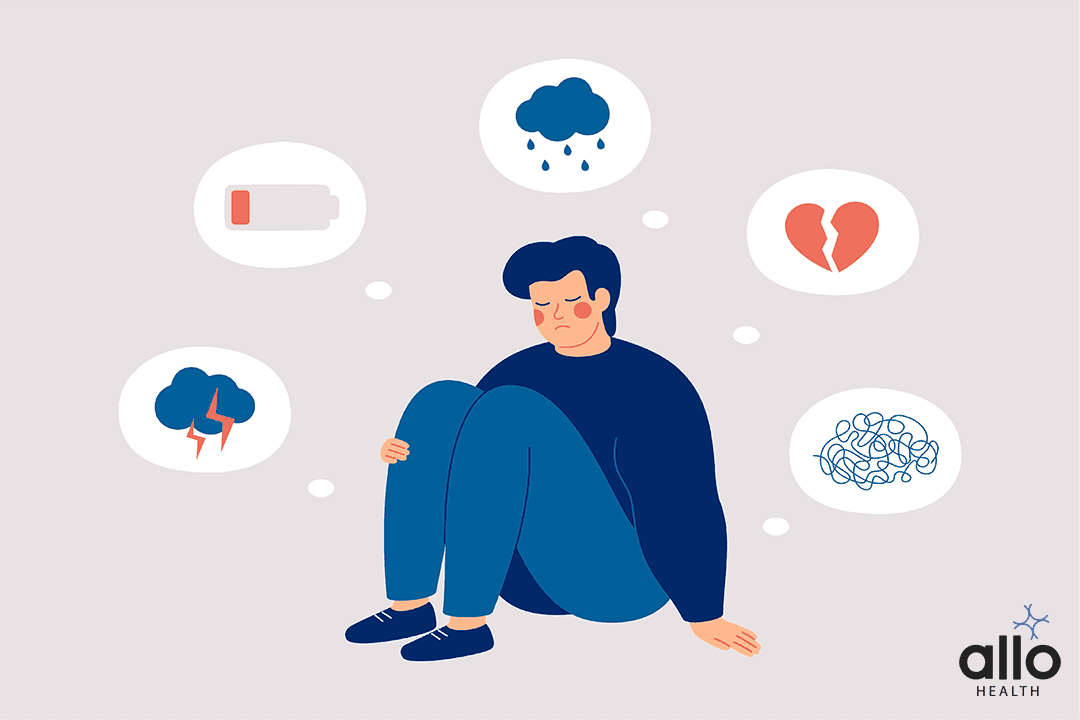
Curiosity often leads us to explore various aspects of our bodies and sexual experiences. One topic that often comes up in hushed conversations or secret internet searches is the side effects of masturbation. It's no wonder we wonder: does self-pleasure have any downsides? In this article, we'll dive into the world of masturbation and shed light on the potential side effects, debunking myths along the way so that next time you decide to get on that shaky ride, you won't mislead. But first....
What is Masturbation?
Masturbation is the act of sexually stimulating oneself to achieve sexual pleasure or orgasm. Its a completely natural and normal activity that most people engage in, irrespective of their gender or sexual orientation. Masturbation typically involves touching, rubbing, or stroking one's own genitals or other erogenous zones to produce pleasurable sensations. This activity is and should be done in private as it allows individuals with a personal and intimate way to explore their own bodies, release sexual tension, and experience a range of pleasurable sensations.
Benefits of Masturbation
Engaging in self-pleasure can offer a variety of positive effects, both physically and emotionally. Let's dive into some of the key benefits of masturbation: Sexual Stimulation: Masturbation allows individuals to explore their own bodies and discover what types of touch, pressure, or techniques provide sexual pleasure. It can help individuals learn about their unique erogenous zones and preferences, which can be valuable information to share with a partner. Stress Relief and Relaxation: Engaging in masturbation can act as a natural stress buster. Masturbating helps release endorphins that are hormones associated with relaxation and pleasure. It helps in improving sexual energy, allowing individuals to experience a sense of physical and mental relaxation. Improved Sleep: Masturbation has been reported to promote better sleep in some individuals. The release of endorphins during orgasm can induce feelings of relaxation and drowsiness, potentially aiding in falling asleep faster and achieving a more restful night's sleep. Enhanced Mood and Mental Well-being: Masturbation can have positive effects on mental health by letting people feel the sense of self-acceptance, self-care, and self-pleasure. It can help individuals to feel more connected with their bodies, boost self-esteem, and contribute to an overall sense of well-being and satisfaction. Sexual function and awareness: Masturbation can be a valuable tool in discovering and maintaining sexual function. It can help improve blood circulation to the genital area, which may contribute to better sexual health. Additionally, regular self-pleasure can increase body awareness and sensitivity, leading to a deeper understanding of one's own sexual responses. Physical Health Benefits: Regular sexual activity, including masturbation, has been associated with potential physical health benefits. It helps enhance blood flow to the genital area and also reduces the incidence of risk of prostate cancer. However, more research is needed to establish a clear link.
Side Effects of Masturbation

Debunking Myths About Masturbation
While there are lot of talks around masturbation, its high time we debunk them.
Myth : Masturbation leads to physical weakness or fatigue.
Masturbation does not cause physical weakness or fatigue beyond the temporary feelings of tiredness that can occur after sexual activity. These feelings are normal and similar to the tiredness experienced after engaging in any form of physical activity.

Myth: Masturbation causes infertility or reduces fertility.
Masturbation does not cause infertility or reduce fertility. It is a separate process from reproductive functions. Both males and females can masturbate without any impact on their ability to conceive or reproductive health.
Myth: Masturbation cause the penis to shrink.
There is no scientific evidence or studies to support the claim that masturbation causes the penis to shrink. The size of the penis is determined by genetic and hormonal factors and does not change due to masturbation.
Myth: Masturbation is only for single people or those without sexual partners.
Masturbation is a part of human sexuality, regardless of relationship status. People in relationships may choose to masturbate as a form of self-exploration, stress relief, or to enhance their sexual experiences with their partner.
Myth: Masturbation is only for men.
Masturbation is a sexual activity that can be enjoyed by individuals of all genders. Women can equally engage in masturbation, and it can provide them with pleasure, self-discovery, and sexual satisfaction. It's important to dispel these myths and promote accurate information about masturbation. Understanding that masturbation is a normal and healthy aspect of human sexuality can help reduce stigma, shame, and misinformation surrounding this topic.

Are You Addicted To Masturbation?
The truth is, there is nothing unhealthy or bad about masturbation. If an individual is single or their partner is unavailable or there is a sexual desire mismatch between the couple, there is nothing wrong if the individual seeks to release their sexual energy levels through self-pleasuring or masturbation. However, it is possible for individuals to develop compulsive or addictive patterns of behavior around masturbation, just like with any other activity. Addiction of masturbation involves a loss of control over a behavior and negative consequences resulting from its excessive use. When it comes to masturbation, if it starts to interfere with your daily life, relationships, work, or overall well-being, then it may be a cause for concern. If you're wondering whether you might be addicted to masturbation, it's essential to take a closer look at your own behavior and its impact on your life. Are you feeling distressed or experiencing negative consequences because of your masturbation habits? Are you finding it difficult to cut back or stop altogether? These are some questions to consider. It's important not to feel ashamed or embarrassed about seeking help if you think you are addicted to masturbation. Professionals are there to assist you in understanding your behaviors and developing strategies to find a healthy balance.
Tips To Manage Masturbation Addiction

Treatments Associated with Side Effects of Masturbation
It's important to note that side effects associated with masturbation are typically minimal, and most individuals do not require specific medical treatments for them. However, if you're experiencing severe or persistent side effects that are causing distress or interfering with your daily life, it's advisable to consult with a healthcare professional or a therapist who specializes in sexual health. They can provide personalized guidance and determine if any specific treatments are necessary. In some cases, treatments that may be recommended that include: Counseling or therapy: Talk therapy, such as cognitive-behavioral therapy (CBT), can help address any underlying emotional or psychological issues related to guilt, shame, or anxiety associated with masturbation. A therapist can assist in exploring and modifying thoughts, behaviors, and beliefs surrounding sexual activity. Support groups: Joining support groups or attending group therapy sessions focused on sexual health or addiction can provide a supportive environment to share experiences, gain insights, and receive guidance from others facing similar challenges. Hormonal therapy: If excessive masturbation is accompanied by hormonal imbalances or sexual dysfunctions, a healthcare professional may recommend hormonal therapy or medications to regulate hormone levels and manage related symptoms. Medications: In certain cases, medications that target underlying conditions such as anxiety, depression, or obsessive-compulsive disorder (OCD) may be prescribed if they are contributing to excessive masturbation behaviors. However, medication should only be considered under the guidance of a healthcare professional.
Impact of Religious Beliefs on Masturbation
The impact of religious beliefs on masturbation can have significant implications for an individual's sex life. Different religious traditions have varying views on the practice of masturbation, and these beliefs can shape attitudes and behaviors surrounding sexual self-stimulation. For some individuals, their religious beliefs may consider masturbation to be morally wrong or sinful. These teachings can lead to feelings of guilt, shame, or a sense of moral conflict when engaging in masturbation. Such negative emotions can have a profound impact on an individual's sex life, causing them to suppress or repress their natural sexual desires and experiences. Religious beliefs may also influence an individual's perception of the physical and psychological aspects of masturbation. Some religious teachings may emphasize the potential risks associated with masturbation, such as the supposed risk of prostate cancer or erectile dysfunction. However, it is important to note that the scientific consensus does not support these claims, and the perceived risks are often based on myths and misconceptions rather than factual evidence. Moreover, religious beliefs can shape one's understanding of sexuality, including the purpose and boundaries of sexual activities. Masturbation may be viewed as a deviation from the intended purpose of sexual intimacy within marriage or as an act that disrupts the natural order of procreation. These perspectives can create tensions within individuals who struggle to reconcile their natural sexual desires with their religious teachings. The impact of religious beliefs on masturbation extends beyond an individual's personal life. It can influence their relationships with others, including romantic partners. Conflicting beliefs and attitudes towards masturbation can lead to challenges in communication and intimacy within relationships, as well as feelings of inadequacy or guilt related to sexual performance or satisfaction. It is important to recognize that individuals may navigate their religious beliefs and personal values in different ways. Some may choose to adhere strictly to their religious teachings, abstaining from masturbation altogether. Others may interpret their religious beliefs more flexibly, finding ways to reconcile their sexual desires with their faith. Ultimately, the impact of religious beliefs on masturbation is a deeply personal matter. It is important for individuals to engage in open and honest dialogue with trusted religious leaders, counselors, or therapists who can provide guidance and support in navigating the intersection of religious beliefs, personal values, and sexual well-being. It is crucial to prioritize mental and emotional well-being while also considering one's own sexual needs and desires within the context of their religious beliefs.
What Is Mutual Masturbation?
Mutual masturbation refers to the act of engaging in masturbation together with a partner or partners. It involves individuals stimulating their own genitals while in the presence of one another, typically as a form of shared sexual activity. Instead of focusing on direct genital stimulation of the partner, each person focuses on their own pleasure. Mutual masturbation can take place in various contexts and relationships, such as between romantic partners, friends with benefits, or even in group settings. It allows for a shared sexual experience where partners can explore their own bodies and observe their partner's pleasure simultaneously. This activity offers several potential benefits. Firstly, it promotes open communication and intimacy between partners, as they are engaged in a vulnerable and personal act together. It can enhance trust, bonding, and emotional connection. Mutual masturbation can also be a way for partners to explore and understand each other's sexual preferences, techniques, and erogenous zones. By observing and learning from each other, partners can improve their sexual repertoire and enhance their overall sexual satisfaction. Additionally, mutual masturbation can be a safe sexual activity that eliminates the risk of sexually transmitted infections (STIs) since there is no direct genital contact or exchange of bodily fluids. This makes it a particularly suitable option for individuals who are not ready for or prefer to abstain from penetrative sex. It is important to note that mutual masturbation is a consensual activity and should only be engaged in with the full consent and comfort of all participants involved. Communication, respect for boundaries, and the use of consent-based language are essential aspects of any sexual activity, including mutual masturbation.
Frequently Answered Questions
Q: Can masturbation lead to a decrease in sexual pleasure? A: Masturbation is unlikely to cause a decrease in sexual pleasure. However, individuals may experience changes in their level of sensitivity or pleasure due to factors such as fatigue, stress, or hormonal fluctuations. It's important to remember that sexual pleasure can vary from person to person. Q: Is it true that frequent masturbation can lead to a decrease in sperm count or fertility? A: No, frequent masturbation does not typically lead to a decrease in sperm count or fertility. The body continuously produces new sperm, and the release of sperm through masturbation or sexual intercourse does not deplete the overall sperm reserve. Q: Can aggressive or rough masturbation cause harm or injury? A: Aggressive or rough masturbation techniques can potentially lead to irritation, soreness, or injury to the genital area. It is important to be gentle and mindful of your body's limits during masturbation. Using proper lubrication, varying techniques, and paying attention to any discomfort can help prevent any potential harm. If you experience persistent pain or injury, it is advisable to seek medical advice. Q: Does masturbation have any impact on sexual performance with a partner? A: Masturbation can have various effects on sexual performance with a partner. For some individuals, masturbation can help them understand their own sexual responses and preferences, which can enhance their sexual experiences with a partner. On the other hand, excessive reliance on masturbation for sexual satisfaction may lead to difficulties in achieving orgasm or maintaining arousal during partnered sexual activity. Striking a balance is the key. Q: Can masturbation lead to erectile dysfunction (ED)? A: Masturbation itself does not cause erectile dysfunction. In fact, it can be a helpful way to explore your own sexual response and maintain sexual health. However, excessive masturbation that leads to chronic fatigue or desensitization may temporarily affect erectile function. Q: Can masturbation affect sexual sensitivity or pleasure over time? A: Masturbation does not typically lead to a permanent decrease in sexual sensitivity or pleasure. However, certain factors such as aggressive or rough handling, desensitization due to excessive masturbation, or relying on intense or specific types of stimulation may temporarily affect sensitivity. In most cases, sensitivity returns over time with rest and a variety of sexual experiences. Overall, it's important to understand that masturbation is a normal and healthy sexual activity that can bring pleasure and satisfaction. While some concerns may arise regarding its potential side effects, rest assured that for the majority of people, these effects are minimal and temporary. It's normal to experience variations in sensitivity, fatigue, or other minor discomforts after masturbation, but they generally subside with time. Remember, your body is unique, and what works for one person may not be the same for another. Maintaining a balanced approach, listening to your body's signals, and seek support if needed will help ensure a positive and enjoyable experience. So go ahead and embrace the joy of self-exploration and pleasure, knowing that masturbation can be a healthy and fulfilling part of your sexual journey.
Disclaimer
The following blog article provides general information and insights on various topics. However, it is important to note that the information presented is not intended as professional advice in any specific field or area. The content of this blog is for general educational and informational purposes only. The content should not be interpreted as endorsement, recommendation, or guarantee of any product, service, or information mentioned. Readers are solely responsible for the decisions and actions they take based on the information provided in this blog. It is essential to exercise individual judgment, critical thinking, and personal responsibility when applying or implementing any information or suggestions discussed in the blog.