Male Sexual Response Cycle
Medically reviewed by Kanusha YK

When relationships feel strained, intimacy becomes difficult, or emotions feel hard to manage, it can be challenging to know where to start. As a Clinical Psychologist, Couple & Family Therapist, and Psychosexologist with nearly a decade of experience across hospital, corporate, and healthcare settings, I help individuals and couples rebuild connection, communication, and self-understanding. I support clients struggling with sexual disorders, relationship conflicts, anxiety, emotional regulation, and adolescent concerns. In therapy, we take a practical, step-by-step approach, understanding what’s really behind your struggles, learning new tools to manage emotions, and creating meaningful change that lasts. My work combines evidence-based techniques with warmth and collaboration. In simple terms, I adapt therapy to what works best for you. Clients often tell me that therapy helps them feel calmer, more connected, and more confident in both life and relationships. Outside of sessions, I find joy in gardening, evening walks, and relaxing movie nights, small rituals that keep me grounded and refreshed.
•
Written by Anoush Gomes

Anoush Gomes is a seasoned Content Writer with over 10 years of experience, specializing in various writing styles such as medical content, creative writing, storytelling, and research papers. Anoush embarked on a unique journey, starting with pre-medical studies at the Dante Aligheri Academy and the University of Miami, where she earned a Bachelor's degree with a major in Biology and a minor in Psychology.Having pursued medical school and completed clinicals, Anoush transitioned to the world of medical content writing, where her passion for both healthcare and writing converged. Her writing skills encompass persuasive, narrative, expository, and descriptive styles, making complex medical concepts accessible to diverse audiences.Beyond her professional endeavors, Anoush is a multi-faceted individual with a rich tapestry of interests. A writer, artist, poet, avid reader, certified nerd, and hopeful author, she finds inspiration in the intersection of creativity and science.Whether crafting engaging medical narratives or weaving captivating stories, Anoush combines her diverse background and writing expertise to deliver compelling content that resonates with diverse audiences.
•
March 21, 2023
Our experts continually monitor the health and wellness space, and we update our articles when new information becomes available.
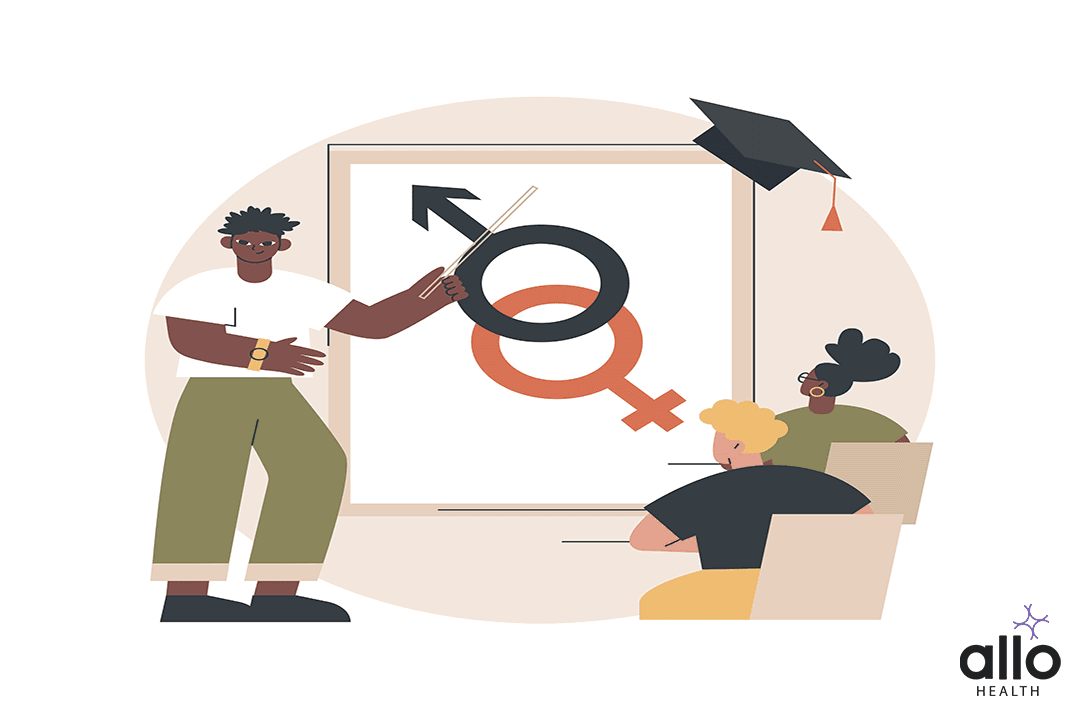
The male sexual response cycle is a series of physiological and psychological changes that occur in men during sexual arousal and activity. This cycle is composed of four distinct stages: desire, excitement, orgasm, and resolution. Understanding the different stages of the male sexual response cycle is important for both men and their partners, as it can help individuals better understand their sexual experiences and improve sexual satisfaction. In this article, we will discuss each stage of the male sexual response cycle in detail. The DEOR model stands for Desire, Excitement, Orgasm, and Resolution. Let's break down each of these phases in more detail:
Stage 1: Desire
This is the initial stage of the sexual response cycle, where a man experiences a desire or urge to engage in sexual activity. This may be triggered by physical sensations, such as touch, or by psychological factors, such as sexual fantasies. During this phase, the brain releases hormones that signal to the body to prepare for sexual activity.
Stage 2: Excitement
During the excitement phase, a man's body begins to physically respond to sexual stimulation. This may involve an increase in heart rate and blood pressure, as well as the release of hormones such as testosterone and dopamine. Men may experience erections, increased sensitivity to touch, and other physical sensations as their bodies prepare for sexual activity.
Stage 3: Orgasm
The orgasm phase is characterized by intense physical and psychological sensations, including ejaculation in most cases. This is the peak of sexual arousal and can be a highly pleasurable experience for men.
Stage 4: Resolution
After orgasm, a man's body returns to its pre-arousal state. This may involve feelings of relaxation or fatigue. During the resolution phase, the body slowly returns to its normal state, and the hormones and chemicals that were released during sexual activity begin to dissipate. Understanding the DEOR model can help men and their partners better understand the male sexual response cycle and what to expect during sexual activity. However, it's important to note that not all men experience the same sexual response cycle. There can be individual variations in the timing and intensity of each phase, and factors such as stress or medication use can also impact sexual function.

The Four E's Model
This model depicts the male sexual arousal phases.
- Excitation: This is stimulated through senses and fantasies
- Erection: The penis expands resulting in it becoming erect (hard for sexual intercourse)
- Emission: Genital fluids are pushed to the prostatic urethra
- Ejaculation: Ejection of semen from the urethra, through the penis.
Turn Ons & Turn Offs
There is no "main switch" when it comes to sexual intercourse. Various factors contribute to intimacy and pleasure - these factors fall under two categories. The male sexual response cycle is a complex physiological process that involves a series of events leading to erection, ejaculation, and orgasm. This process is influenced by both excitatory and inhibitory factors, which can have a significant impact on sexual function and performance. In this article, we will explore some of the key factors that affect the male sexual response cycle.
Excitatory Factors
- Physical Stimulation: One of the most important excitatory factors that affect the male sexual response cycle is physical stimulation. This can include touch, pressure, or friction on the penis, as well as visual or auditory cues that stimulate arousal. Physical stimulation triggers the release of neurochemicals like dopamine and oxytocin, which can enhance sexual desire and pleasure.
- Hormonal Influences: Hormonal influences are also important excitatory factors in the male sexual response cycle. Testosterone is the primary male sex hormone that plays a vital role in sexual desire and performance. Increased levels of testosterone can enhance sexual desire, while decreased levels can lead to sexual dysfunction.
- Psychological Factors: Psychological factors like mood, emotions, and sexual fantasies can also have a significant impact on the male sexual response cycle. Positive emotions like love, intimacy, and excitement can enhance sexual desire, while negative emotions like anxiety, stress, and depression can inhibit sexual performance.
Inhibitory Factors
- Medications: Certain medications like antidepressants, antihypertensives, and antipsychotics can inhibit sexual function by reducing sexual desire, arousal, and orgasm. These medications can interfere with the production of hormones like testosterone and dopamine, which are crucial for sexual function.
- Age: Age is another important inhibitory factor that affects the male sexual response cycle. As men age, the production of testosterone and other hormones decreases, leading to reduced sexual desire and function. In addition, age-related health problems like diabetes, cardiovascular disease, and obesity can also impact sexual performance.
- Psychological Factors: Psychological factors like anxiety, depression, and relationship problems can also inhibit the male sexual response cycle. Negative emotions can lead to a decrease in sexual desire, arousal, and performance, making it difficult to achieve and maintain an erection.
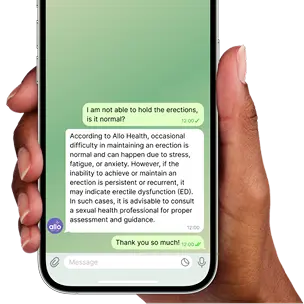
Sexual health is as important as physical and mental health. In most cases, one consultation can go a long way. Personalised, discreet, and judgement-free treatment at your fingertips - book an online consultation with one of Allo?s leading experts.
Disclaimer
The following blog article provides general information and insights on various topics. However, it is important to note that the information presented is not intended as professional advice in any specific field or area. The content of this blog is for general educational and informational purposes only. The content should not be interpreted as endorsement, recommendation, or guarantee of any product, service, or information mentioned. Readers are solely responsible for the decisions and actions they take based on the information provided in this blog. It is essential to exercise individual judgment, critical thinking, and personal responsibility when applying or implementing any information or suggestions discussed in the blog.