Brilinta (ticagrelor) and Erectile Dysfunction: How Blood Thinners Affect Male Sexual Health
Written by Dr. Deepali Anand

Dr. Deepali is a medical writer and healthcare professional with a background in clinical surgery and patient care. Having transitioned from active clinical practice to medical communications, she specializes in bridging the gap between complex clinical data and patient education. Dr. Deepali is dedicated to creating evidence-based content that is grounded in scientific rigor and empathy, ensuring that sensitive topics like sexual wellness and mental health are accessible and empowering for every reader.
•
July 30, 2026
Our experts continually monitor the health and wellness space, and we update our articles when new information becomes available.
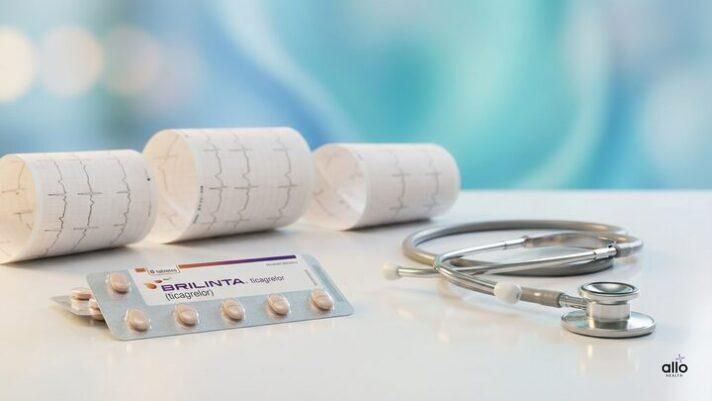
Quick Read
Erectile dysfunction is not an officially listed side effect of Brilinta, and research shows the risk is very low (around 0.65%). If you're experiencing ED while taking Brilinta, it's more likely due to your underlying heart condition, other medications you're taking (like beta-blockers or diuretics), or lifestyle factors rather than Brilinta itself. ED medications like Viagra can sometimes be used safely with Brilinta, but only with your cardiologist's approval, especially since combining them with nitrates can be dangerous. The best approach is to talk to your doctor to identify the real cause and find a safe treatment plan that protects both your heart and sexual health.
Brilinta side effects erectile dysfunction is one of the most common searches men make after starting this heart medication, and it usually comes from a place of worry. The good news is that erectile dysfunction is not an officially listed side effect of Brilinta, and the actual risk appears to be very low.
But sexual changes can still happen for some men, and they’re often linked to other factors like heart disease, medication combinations, or changes in circulation rather than Brilinta itself.
In this article, we’ll break down what the research really says, why some men still experience difficulties, how to check what might be causing your symptoms, whether ED medications like Viagra are safe with Brilinta, and the best ways to manage ED without compromising your heart health.

Allo asks
If you’re taking heart medications, have you noticed changes in your erections?
Can Brilinta Cause Erectile Dysfunction?
Brilinta is a blood thinner (antiplatelet drug) commonly used for heart-related conditions. One of the most searched concerns about it is “Brilinta side effects erectile dysfunction.”
Erectile dysfunction is not a common or officially listed side effect of Brilinta (ticagrelor) — unlike some natural compounds such as Avena Sativa for ED, which is directly studied for sexual health effects. In fact, research shows the incidence is very low, around 0.65%. A few studies suggest that some men may experience sexual difficulties while taking Brilinta, but this remains rare[1].
It’s also worth noting that Brilinta is chemically different from older antiplatelet medicines that have been linked to erectile dysfunction.
Right now, there’s no strong scientific evidence showing that blood thinners directly cause or treat ED — similar gaps exist in research around Selenium for ED. Instead, the health conditions these medications are prescribed for, especially heart and blood vessel diseases, are more strongly connected to erection problems.
According to Allo Health, every 1 in 2 patients has ED, which is based on our internal clinical data of more than 2.5 Lakh patients who come to our clinic.

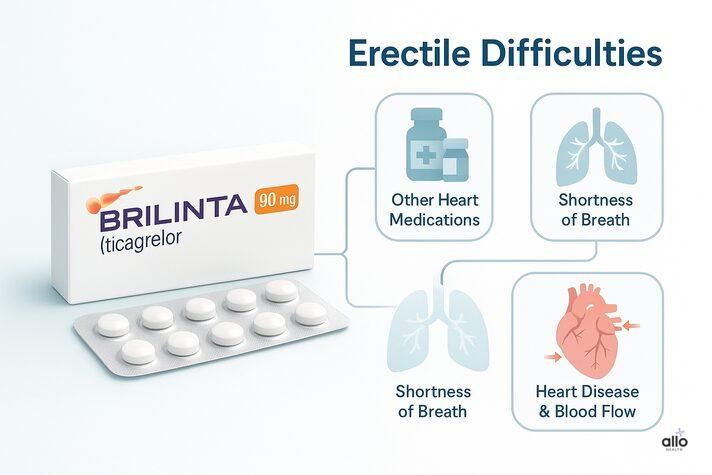
Why Some Men Still Report Erection Problems on Brilinta
Some men do report erectile difficulties while taking Brilinta, but this doesn’t always mean the medication is the direct cause. Several other factors can influence sexual function, especially in someone already managing heart disease. Here are the most common reasons:
1. Medication Combination
If someone is on Brilinta, they’re usually taking several other heart-related medicines. Some of these are known to affect erections more strongly than Brilinta itself.
-
Beta-Blockers
Medicines like metoprolol, atenolol, and carvedilol have a high risk of causing ED[2]. They slow the heart rate and lower blood pressure, which can make it harder to achieve or maintain an erection.
-
Thiazide Diuretics
These drugs can reduce blood flow to the penis, contributing to erection problems[3]. They are considered one of the more common medication-related causes of ED.
-
Statins
Statins such as atorvastatin may cause mild erectile dysfunction in a small number of men[4]. The risk is low, but still possible.
2. Shortness of Breath
Shortness of breath (dyspnea) is a known side effect of Brilinta. When someone feels winded, even mild physical activity can feel tiring, including sexual activity[5].
This can interfere with sexual stamina, reduce confidence, and create a feeling similar to ED even when the erection mechanism itself is normal.
3. Underlying Heart Health
Heart conditions themselves strongly affect erections. Brilinta is prescribed to people who have had a heart attack or unstable angina, which are closely linked to cardiovascular diseases.
Cardiovascular diseases is one of the biggest medical causes of ED[6]. So if someone experiences ED while on Brilinta, the root cause may be the heart condition, not the medication.
4. Blood flow Issue
Blood thinners help prevent dangerous clots, but they don’t improve overall blood flow to the penis. If a man has heart disease or circulation problems, endothelial dysfunction (poor vessel health) can limit blood flow and make erections weaker or inconsistent. Healthy blood vessels are essential for reliable sexual function.
5. Other Side Effects of Brilinta
Some side effects of Brilinta may indirectly affect sexual performance, such as:
- easy bruising or bleeding
- shortness of breath
- nausea or stomach discomfort
- dizziness
- diarrhea
These symptoms can reduce energy, comfort, or confidence during intimacy, which may contribute to sexual difficulties.
If you notice erection changes after starting Brilinta, don’t panic. It doesn’t automatically mean the drug is the problem. Let’s look at your overall heart health, other medications, and stress levels before drawing conclusions.
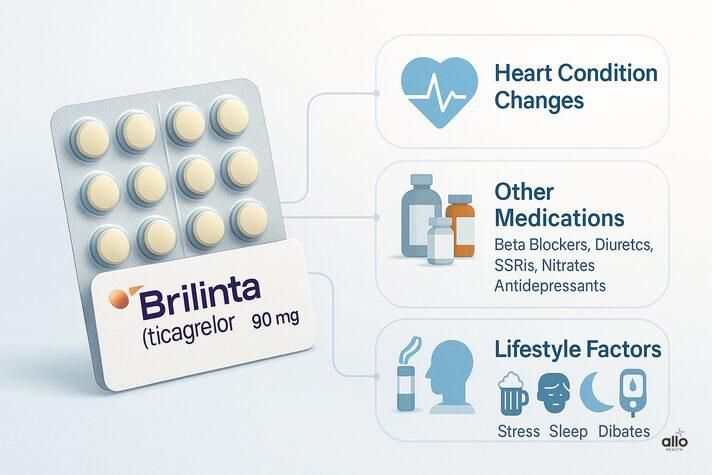
When Erectile Dysfunction Starts After Brilinta: What to Check
If you start noticing erection difficulties after beginning Brilinta, it doesn’t always mean the medication is the direct cause. Here’s a simple checklist to help you understand what else might be contributing:
-
Has Your Heart Condition Recently Changed?
A change in your heart health, like a recent heart attack, angina episode, or increased symptoms, can affect blood flow and sexual function. Heart disease itself is one of the biggest contributors to erectile dysfunction.
-
Are You Taking Other Medicines That Affect Sexual Function?
Many people on Brilinta are also prescribed other drugs for blood pressure, heart rate, or mood, and some turn to supplements for ED alongside them. Several of these are known to impact sexual performance more strongly than Brilinta.
Common examples include:
- Beta-blockers
- Diuretics
- SSRIs
- Nitrates
- Antidepressants
These medications can lower blood pressure, reduce nerve response, or affect libido, all of which may lead to ED.
-
Do You Have Lifestyle Factors That Influence ED?
Daily habits can play a big role in sexual function. Some factors that commonly contribute to ED include:
- Smoking
- Alcohol use
- High stress levels
- Poor sleep
- Diabetes
These can interfere with circulation, nerve function, and hormone balance, making erections harder to achieve.
Is It Safe to Take Viagra or ED Medications With Brilinta?
In most cases, it can be safe to take ED medications while on Brilinta, but only if a doctor recommends it after a proper check-up. Medicines like Viagra or Cialis need to be used carefully when someone has a heart condition.
Early research suggests that Brilinta may slow down how quickly the body breaks down tadalafil (Cialis)[1]. This means the drug may stay in your system for a longer time, which can increase its usual side effects such as headaches, low blood pressure, flushing, or dizziness.
The biggest safety concern is when ED medications are taken along with nitrates (commonly used for chest pain). Combining the two can cause a dangerous drop in blood pressure and may be life-threatening.
That’s why it’s essential to get your cardiologist’s approval before using any ED pill while on Brilinta.
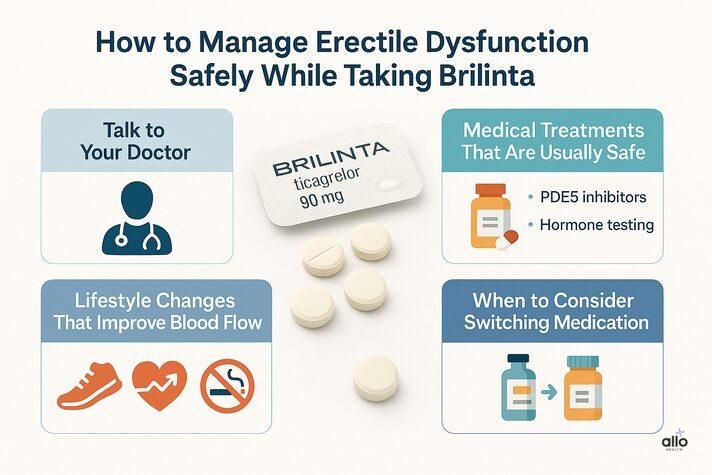
How to Manage Erectile Dysfunction Safely While Taking Brilinta
If you’re dealing with erectile difficulties while taking Brilinta, there are safe and practical steps that can help. Here’s a simple guide to what you can do:
1. Talk to Your Doctor
A doctor can help identify what’s actually causing the problem. They may review your medical history, heart health, medications, lifestyle, and run tests to find the safest and most effective treatment plan.
2. Medical Treatments That Are Usually Safe
With proper approval, some medical treatments can be safely used alongside Brilinta:
- PDE5 inhibitors (like Viagra or Cialis), only after your cardiologist clears them
- Hormone testing, if low testosterone or other imbalances are suspected
Your cardiologist’s guidance is essential before starting any ED medication.
3. Lifestyle Changes That Improve Circulation
- Walking or light exercise
- Weight management
- Quitting smoking
- Reducing stress and improving sleep
Healthy circulation supports better erections, especially for those with heart conditions.
4. When to Switch to a Different Medication
In rare cases, your doctor may consider adjusting your treatment. Brilinta should never be stopped or switched on your own. Any change must be supervised by a cardiologist to keep your heart safe.

When Should You Talk to a Doctor?
Seek medical advice if you notice:
- Sudden ED after starting Brilinta
- Chest pain during sexual activity
- Low mood affecting libido
- Bleeding or bruising issues
Bottom Line
Brilinta side effects erectile dysfunction, may be a concern for some men, but the actual risk appears to be very small — pairing it with practices like yoga for ED can further ease the worry. Since erectile dysfunction is not listed as an official side effect of Brilinta, it’s important to avoid guessing or assuming the cause. If you’re experiencing erection difficulties, speaking with a doctor can help pinpoint what’s really going on and guide you toward the safest treatment options.
There’s no need to feel embarrassed; ED is common, especially in men with heart conditions. Avoid taking over-the-counter sexual boosters or unverified supplements, as they can interfere with both your heart health and your sexual function. Getting proper medical advice is the safest and most effective way to improve your erections while staying healthy.
Disclaimer
The following blog article provides information about a drug or brand name drug and its potential effects or benefits. However, it is crucial to understand that this information is intended for general educational purposes only and should not be considered a substitute for professional medical consultation. It is highly recommended to consult with a qualified healthcare professional before making any decisions regarding medication, treatment, or healthcare management. Individuals have unique medical conditions, and the information provided in this article may not be applicable to everyone. Only a qualified healthcare provider can evaluate your specific medical situation, taking into account your medical history, conducting appropriate tests, and providing personalized advice and recommendations. They are equipped to make informed decisions tailored to your individual needs. It is crucial to emphasize that self-diagnosis, self-medication, or disregarding medical advice can have serious health consequences. This article may reference specific brand names or drugs for illustrative purposes. Mention of these names does not imply endorsement, recommendation, or guarantee of their efficacy or safety. The choice of medication should be based on discussions and individualized guidance from a healthcare professional who has a comprehensive understanding of your medical condition.
Most Asked Questions
Can ticagrelor cause erectile dysfunction?
Ticagrelor (Brilinta) is not officially known to cause erectile dysfunction, and current studies show the risk is very low. If ED happens, it’s often linked to the underlying heart condition or other medications taken alongside Brilinta. A doctor can help identify the true cause.
Which heart medication causes erectile dysfunction?
Several heart medications are more likely to affect erections than Brilinta. Beta-blockers, thiazide diuretics, nitrates, and certain antidepressants are commonly linked to ED. If you’re taking a combination of these medicines, your doctor can help adjust your treatment safely.
Can I take Viagra with Brilinta?
In many cases, yes, but only with a doctor’s approval. Viagra, Cialis, and other ED medications can be used with Brilinta, but they must be avoided with nitrates, as the combination can cause dangerous drops in blood pressure. Always get your cardiologist’s clearance before taking any ED pill.
What is the most common side effect of ticagrelor?
The most common side effect of Brilinta is shortness of breath (dyspnea). Some people also experience bruising, bleeding, dizziness, or mild stomach discomfort. While these symptoms can affect sexual performance indirectly, they are not the same as true erectile dysfunction.
Why am I experiencing ED after starting Brilinta if it’s not a common side effect?
ED that begins after starting Brilinta is often due to other factors, such as heart disease itself, poor circulation, stress, fatigue, or other medications known to affect sexual function. A doctor can help you sort out the cause and find a safe treatment plan.
Sources
- 1.
Effect of Ticagrelor, a Cytochrome P450 3A4 Inhibitor, on the Pharmacokinetics of Tadalafil in Rats
- 2.
β-Blockers and Erectile Dysfunction in Heart Failure. Between Myth and Reality
- 3.
The Effect of Antihypertensive Drugs on Erectile Function: A Proposed Management Algorithm
- 4.
Association between atorvastatin and erectile dysfunction: a comprehensive analysis incorporating real-world pharmacovigilance and Mendelian randomization
- 5.
Side effects of ticagrelor
- 6.
Erectile Dysfunction Is a Hallmark of Cardiovascular Disease: Unavoidable Matter of Fact or Opportunity to Improve Men’s Health?