Onions and Erectile Dysfunction: Benefits and Effects on Sexual Health
Written by Dr. Anvi Dogra

Dr. Anvi Dogra is a medical writer and healthcare professional with a doctoral background in clinical sciences. She leverages her medical training to produce deeply researched, people first content across the wellness industries. With a "360-degree" understanding of the healthcare industry, Dr. Anvi focuses on bridge-building between clinical data and patient wellness. Known for her ability to make complex medical topics accessible and engaging, Dr. Anvi ensures that all health information is grounded in clinical evidence.
•
July 30, 2026
Our experts continually monitor the health and wellness space, and we update our articles when new information becomes available.
Quick Read
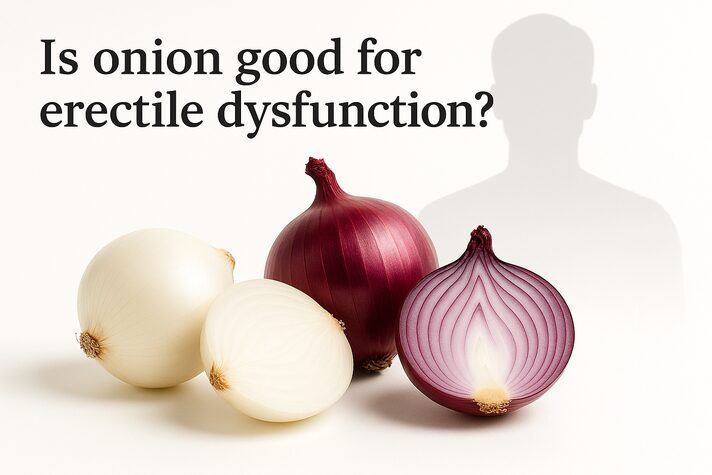
Is onion good for erectile dysfunction? Research suggests onions may support sexual health by boosting testosterone, improving blood flow, increasing nitric oxide, and even acting in ways similar to ED medicines. However, the evidence is still limited, mostly from animal studies, and eating too much onion can cause side effects like digestive issues, bad breath, or drug interactions. The key takeaway is that onions can be part of a healthy, balanced diet, but they are not a cure for ED. If you’re facing ongoing sexual health problems, consulting a doctor is always the best step.
Is onion good for erectile dysfunction? While erectile dysfunction is often treated with medicines, some people look for natural options. Onion has been a popular choice in traditional remedies. Modern research suggests that onions may support sexual health by helping with testosterone, improving blood flow, boosting nitric oxide, and even working in ways similar to some ED drugs. In this article, we’ll see how onion might help for ED, the best ways to consume it, and what risks to keep in mind.

Allo asks
Do you include onions in your diet?
How Is Onion Good For Erectile Dysfunction?
Onion has been used for centuries in traditional medicine to support men’s sexual health. Research suggests that onions may provide natural support for erectile function in several ways. It may help with hormone balance, improve blood flow, protect reproductive cells, and enhance sexual performance. Let’s look at the main ways in which onion may help with ED.
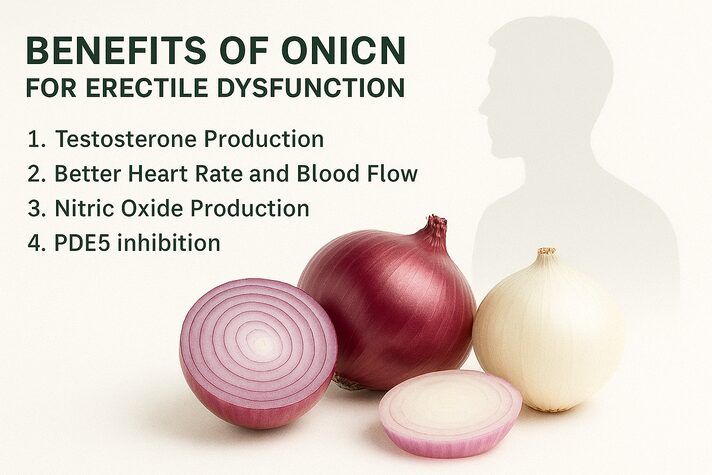
May Boost Testosterone Production
Testosterone is a key hormone for sex drive, erections, and sperm health. Onions may naturally support testosterone levels. A fascinating study found that onions can increase the production of testosterone. The review also demonstrated that onions can help improve sperm quality and quantity, which are key factors in male fertility. [1] Another experimental study done on rats tested fresh red onion juice on sexually active male rats. These rats were divided into seven groups, including a group that had sexual dysfunction because of a drug. The results showed that onion juice brought testosterone levels back to normal, reduced the time needed to start sex, and improved overall sex drive. These results were even the same for the rats that had drug-related sexual problems. [2]
Better Heart Rate and Blood Flow
Healthy blood flow is important for achieving and maintaining erections. Onions contain compounds like flavonoids that support heart health and better circulation. Better heart health means better erections. A study done on rats showed that fresh red onion juice helped in relaxing penile blood vessels and improved erectile function in rats with drug-induced erectile dysfunction. The study shows that onions may improve erections by improving blood flow in the blood vessels. [3] Another small study was done on some patients with high blood pressure. They were given 162 mg of onion skin extract rich in a flavonoid named quercetin. After the study, their blood pressure went down. This shows that onion, because of quercetin, may help protect the heart and improve blood flow. [4]
Nitric Oxide Production
Nitric oxide (NO) is a key molecule that helps blood vessels relax. This helps in proper blood flow to the penis for achieving and maintaining erections. Onion contains compounds, like flavonoids and sulfur-containing molecules, that may help the body produce more nitric oxide. Various studies have found that onion consumption can increase nitric oxide production, which in turn supports better blood circulation in the penis. Better circulation means better sexual stamina and longer-lasting erections. [5]

PDE5 Inhibition
Most of the prescription drugs like PDE5 inhibitors for erectile dysfunction work by blocking the PDE5 enzyme, allowing blood vessels in the penis to relax and improve blood flow. The quercetin in onions may also have a natural effect in a similar way, which can support erections. While onion is not as strong or fast-acting as prescription ED drugs, studies in rats show it can sometimes support erectile function naturally and help with sexual performance. [6]
How to Use Onion for Erectile Dysfunction?
Onions can be added to your diet in a lot of ways. If you’re interested in trying onion for better sexual health, here are some practical and easy ways to include it in your daily routine:
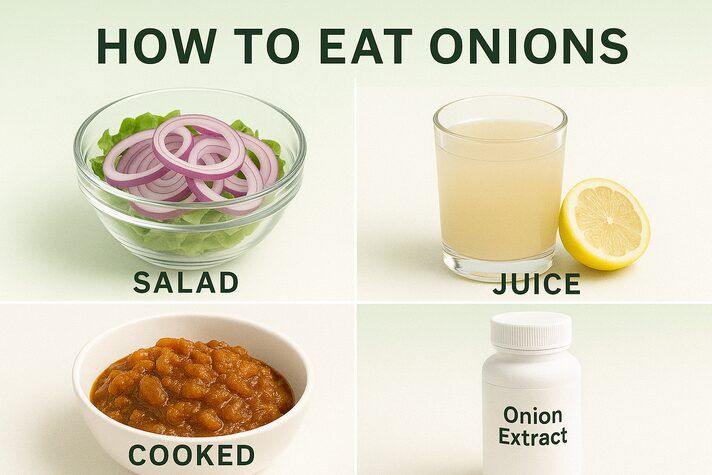
Raw onion
Eating raw onions is the best form of onions. It may offer the strongest effect since cooking can reduce some active compounds. You can:
- Add thin slices of onion to your salads, sandwiches, or wraps.
- Mix the onion with lemon and salt to make it easier to eat.
Onion juice
You can try making fresh onion juice. It has also been studied for sexual benefits. Here is how you can make onion juice:
- Blend the onion with water, strain it, and drink a small amount.
- Mix with carrot or beetroot juice to reduce the strong taste.
- Drink in moderation, as too much can upset the stomach.
Cooked onion
Cooked onions can also offer flavonoids and antioxidants. You can:

- Add to curries, soups, stir-fries, or roasted dishes.
Onion supplements or extracts
Some studies have used concentrated onion extracts like FRS 1000 (from onion peel), which may inhibit the same enzyme as the medications for erectile dysfunction. If supplements are available, they can provide a higher dose of active flavonoids without the strong smell.
Potential Risks of Eating Too Much Onion
Onions are generally safe and healthy when eaten in moderation, but like any food, too much can cause problems. Some people may be sensitive to some compounds in onions. This can cause digestive and oral problems. In rare cases, allergies and food safety concerns like contamination have also been reported.
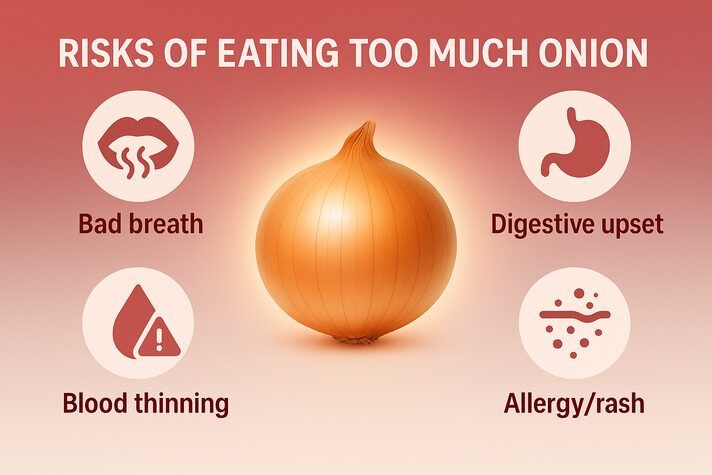
Digestive Issues
Onions contain fructans, a type of carbohydrate that can cause bloating, excess gas, abdominal pain, diarrhea, and nausea. It can affect people with digestive problems.
Bad Breath and Body Odor
Onions are rich in sulfur compounds, which have a strong smell. This can lead to bad breath and body odour.
Allergic Reactions
Some people may have an allergy to onions. They can develop itching, rashes, watery eyes, or even breathing difficulties.
Migraine Triggers
Onions contain tyramine, which can trigger headaches or migraines in sensitive individuals.
Blood Thinning and Drug Interactions
Excess onion intake may increase bleeding risk in people taking blood-thinning medications and can also influence blood sugar in diabetics.
Food Safety Risks
The FDA has advised consumers, restaurants, and retailers not to eat or sell contaminated onions, highlighting the importance of safe sourcing and storage. [7]
Onions can support sexual health, but they cannot cure ED on their own. Erectile dysfunction is a complex condition affected by hormones, circulation, nerves, psychological health, and lifestyle.
Conclusion
Onions can be a helpful addition to your diet. Studies show that it may support testosterone, blood flow, and sexual performance. But erectile dysfunction is a complex condition that involves many factors, including hormones, circulation, nerves, lifestyle, and mental health. No single food can cure ED on its own. Onion works best as part of a balanced diet with plenty of fruits, vegetables, whole grains, and lean proteins. If you are struggling with any sexual health issues, the most important step is to speak with a doctor. Proper medical evaluation and treatment can make a real difference, while diet can play a supportive role.

Disclaimer
The following blog article discusses food and diet-related information for general educational purposes. However, it is important to note that the information provided is not intended as personalized dietary advice and should not be considered a substitute for professional guidance from a registered dietitian or qualified healthcare professional. Before making any significant changes to your diet or nutrition plan, it is recommended to consult with a registered dietitian or healthcare professional. Dietary changes can have a significant impact on your overall health and well-being. It is important to approach any changes to your diet in a balanced and sustainable manner, ensuring that you meet your nutritional needs and avoid any potential nutrient deficiencies. Rapid or extreme changes in dietary patterns can be detrimental to your health and may require professional guidance. It is crucial to note that any specific dietary recommendations or guidelines mentioned in this article may not be appropriate for individuals with specific medical conditions, allergies, or intolerances. A registered dietitian or healthcare professional can provide individualized advice, including modifications or alternative food choices to accommodate your unique circumstances. The information provided in this article may not encompass all possible dietary considerations or account for the latest research and nutritional guidelines.
Most Asked Questions
How can onions help with lasting longer in bed?
Onions may support sexual stamina by improving blood flow, boosting nitric oxide, and enhancing testosterone levels, which can help maintain erections longer.
Which type of onion is best for erectile dysfunction?
Red onions are often preferred for sexual health, as they are rich in flavonoids like quercetin, which may support blood flow and erectile function.
How should I eat onions for erectile health?
You can consume onions raw, as juice, cooked in meals, or as supplements/extracts for potential sexual health benefits.
Can onions replace ED medications?
No, onions cannot replace prescription ED drugs. They may support sexual health naturally, but medications are more effective for treating erectile dysfunction.
What other foods are good for erectile dysfunction?
Foods rich in antioxidants, flavonoids, and healthy fats like nuts, fruits, vegetables, and leafy greens, which can support blood flow and overall sexual health.
Sources
- 1.
Effectiveness of Onion (Allium Cepa) on the Improvement of Sexual Disorders in Men: A Review Study
- 2.
Fresh onion juice enhanced copulatory behavior in male rats with and without paroxetine-induced sexual dysfunction
- 3.
Restorative effects of red onion (Allium cepa L.) juice on erectile function after-treatment with 5α-reductase inhibitor in rats
- 4.
The Effects of Quercetin on Vascular Endothelium, Inflammation, Cardiovascular Disease and Lipid Metabolism—A Review
- 5.
Onion nutritional and nutraceutical composition and therapeutic potential of its phytochemicals assessed through preclinical and clinical studies
- 6.
FRS 1000, an extract of red onion peel, strongly inhibits phosphodiesterase 5A (PDE 5A)
- 7.
FDA In Brief: FDA Advises Consumers to Avoid Red Onions from California Supplier, Investigation Continues to Find Source