Red Light Therapy for Erectile Dysfunction: Benefits, Risks, and Cost
Written by Dr. Deepali Anand

Dr. Deepali is a medical writer and healthcare professional with a background in clinical surgery and patient care. Having transitioned from active clinical practice to medical communications, she specializes in bridging the gap between complex clinical data and patient education. Dr. Deepali is dedicated to creating evidence-based content that is grounded in scientific rigor and empathy, ensuring that sensitive topics like sexual wellness and mental health are accessible and empowering for every reader.
•
July 30, 2026
Our experts continually monitor the health and wellness space, and we update our articles when new information becomes available.
Quick Read
Red light therapy for erectile dysfunction shows early promise in animal studies by potentially improving blood flow, reducing inflammation, and supporting tissue repair, but human research is still very limited, and it's not FDA-approved for ED. While it appears generally safe at proper doses, it should be viewed as an experimental option, not a replacement for proven treatments like lifestyle changes or ED medications. Before trying it, consult a doctor to rule out underlying conditions like heart disease or diabetes, which ED can signal. If you decide to explore red light therapy, choose medical-grade devices carefully, follow proper usage guidelines, and maintain realistic expectations about gradual, individual results.
Red light therapy erectile dysfunction is a topic many people search for when looking for a safer, more natural way to improve erections, and the big question is simple: does it actually work, and is it safe to try? Early research suggests red light therapy may support blood flow, reduce inflammation, and help tissues heal, thus supporting erections, but the science is still young, and human studies are limited.
In this article, we’ll walk through how the therapy works, what current research really says, the possible benefits and risks, how it compares to proven ED treatments, and the practical steps to follow if you’re considering it.

Allo asks
Would you consider trying red light therapy for ED?
What is Red Light Therapy for Erectile Dysfunction?
Red light therapy for erectile dysfunction is an emerging treatment that’s showing promising early results, especially in animal studies. Right now, there is still limited data from human trials of red light therapy for erectile dysfunction, which is why it is not yet FDA-approved.
Red light therapy, also called low-level laser therapy or photobiomodulation, uses low-power red light (630-660 nm) and near-infrared light (800–850 nm) — alongside regenerative options like stem cell therapy for ED. These wavelengths stimulate cells and support tissue repair rather than heating the skin.
Because of this cellular effect, red light therapy may help improve erection quality through a few different pathways, including better blood flow, healthier blood vessels, and improved energy production inside cells.

According to Allo Health, every 1 in 2 patients has ED, which is based on our internal clinical data of more than 2.5 Lakh patients who come to our clinic — and energy-based treatments like shockwave therapy for ED are increasingly explored.
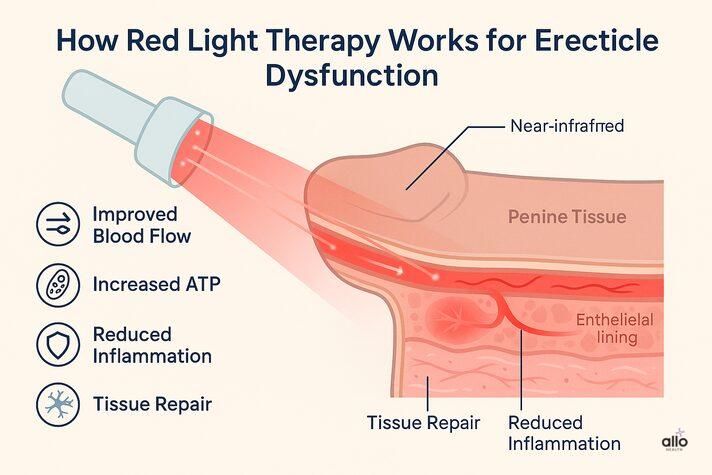
How Red Light Therapy Works for Erectile Dysfunction
The light used in red light therapy stimulates cell activity and supports healthier blood flow. In theory, this can help with erectile dysfunction through several mechanisms:
1. Increased Blood Flow
Red light therapy may increase the release of nitric oxide, a natural chemical that relaxes smooth muscles and allows more blood to enter the penis. It may also support the inner lining of blood vessels (the endothelial cells), helping them function more efficiently.[1]

2. Increased Energy Production
Red light can stimulate the mitochondria, the “energy centers” inside cells, to produce more ATP (adenosine triphosphate)[2]. More energy means healthier tissues and better overall function.
3. Tissue Repair and Reduced Inflammation
Research shows that red light therapy may lower oxidative stress and inflammation, which can support nerve and blood vessel repair[3].
This may be helpful for men with ED linked to diabetes, nerve injury, or poor circulation.
4. Possible Hormonal Support
Some early studies suggest that red light therapy might stimulate Leydig cells in the testicles, which are responsible for testosterone production[4]. This area still needs much more research.
5. Better Smooth Muscle and Tissue Structure
Healthier tissue and reduced inflammation may help prevent fibrosis or scarring inside the penis, which can affect erection quality.
A Quick Reality Check
Most of these benefits are based on early research and animal studies. Very few human trials exist, so red light therapy should not be seen as a magic cure for all forms of ED. It may be most helpful for men with mild to moderate erectile dysfunction, but more evidence is needed before making strong claims.
What Does Research Say About Red Light Therapy for ED?
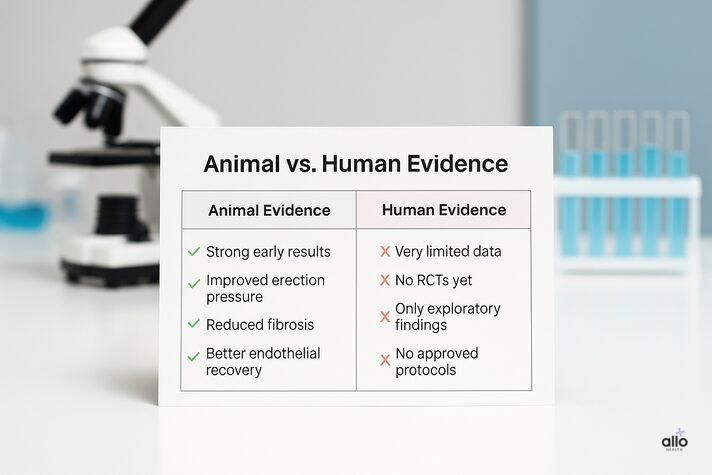
Research on red light therapy for erectile dysfunction is still developing, but early findings are interesting. Most of the stronger evidence comes from animal studies, while human research is still in very early stages.
Findings From Animal Studies
Multiple animal studies[1][5] have shown that red light therapy can:
- Improve erectile response (measured by intracavernosal pressure, which reflects erection strength)
- Reduce oxidative stress and fibrosis, both of which can weaken erections
- Support nerve healing and improve the lining of blood vessels
These results suggest that red light therapy may help the biological processes involved in erections.
Findings From Human Studies
Human research is much more limited, but a few early observations exist:
- Reviews of low-level laser therapy in male sexual and reproductive health show potential benefits, mainly based on animal models involving blood vessel damage and smooth-muscle fibrosis[6].
- One small study on near-infrared light used on the scalp (for depression treatment) found some improvement in sexual function scores, but this was not a direct penile treatment[7].
- There are no published trials where red light therapy is applied directly to the genital area for ED
- There is no agreement yet on the best wavelength, dose, or treatment schedule for men
- No regulatory body, including the FDA, has approved red light therapy specifically for treating ED
Early research is promising, especially in animals, but clear human evidence is still missing. More clinical trials are needed before red light therapy can be recommended as a proven treatment for erectile dysfunction.
Benefits of Red Light Therapy for ED
Based on the current research available, red light therapy for ED may offer several potential benefits:
- Better blood flow for erections
- Improved erection strength
- Reduced stress and inflammation in the erectile tissue
- Possible nerve healing and recovery
- Non-invasive and drug-free
- Early signs of support for testosterone production
- May help men who experience performance anxiety
These benefits come mostly from early or experimental studies. More high-quality human research is needed before strong claims can be made.
Before trying any device, the first step is checking why the erections changed in the first place. Many men don’t realize ED can be an early sign of heart or metabolic issues, and those need proper attention.
Safety and Risks of Using Red Light Therapy for ED
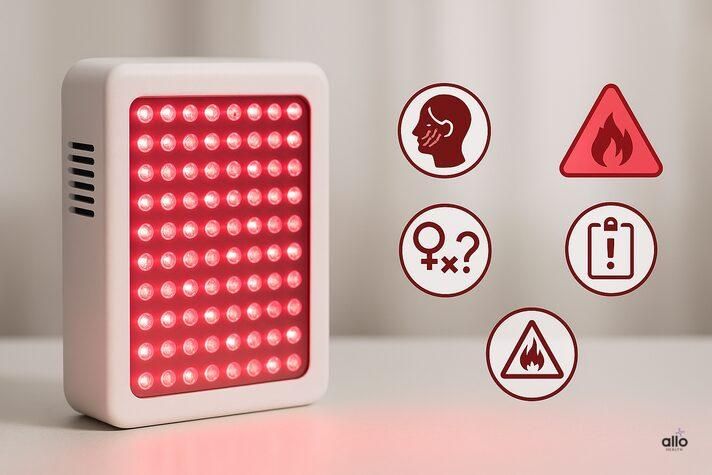
While red light therapy erectile dysfunction treatments are generally considered low risk at medical doses, there are still important points to keep in mind:
- Mild skin irritation or temporary redness can occur
- Genital skin and penile tissue have not been studied in detail
- Over-exposure or using high-power devices may cause burns or tissue damage
- Long-term effects on fertility are unknown when misused, although controlled animal studies show helpful, not harmful, effects at proper low doses
- Relying only on light therapy may delay proper evaluation of ED and underlying conditions like cardiovascular disease
Overall, red light therapy appears promising but should be approached with realistic expectations and proper guidance.
Red Light Therapy vs Other ED Treatments
Treatment Type
What It Does
Evidence Strength
Guideline Recommendation
Lifestyle changes
Improves circulation, hormone balance, and overall health
Strong evidence
Highly recommended
Helps increase blood flow for stronger erections
Strong clinical trial data — comparable to the evidence base building around PRP shot for ED.
First-line treatment
Hormone therapy (only when testosterone is truly low)
Corrects low testosterone that may worsen ED
Moderate to strong evidence
Recommended when indicated
Psychosexual or relationship therapy
Helps when stress, anxiety, or relationship issues affect erections
Strong evidence for psychological ED
Recommended when relevant
Supports erections when other options fail
Strong evidence
Used for moderate to severe ED
Red light therapy
May improve blood flow, reduce inflammation, and support healing
Very limited human evidence
Not included in urology guidelines
Guide for Red Light Therapy For Erectile Dysfunction
If you are exploring red light therapy erectile dysfunction, it helps to make informed and safe decisions. Here’s a simple, doctor-style guide to follow.
1. Consult a Doctor First
Erectile dysfunction can sometimes be an early sign of conditions like heart disease, diabetes, or hormone problems. It should not be managed only with devices or home treatments.
Ask your doctor:
- Whether red light therapy is suitable for you
- If any underlying conditions or medications make it unsafe
- Whether other treatments should continue alongside it
2. Have Realistic Expectations
Red light therapy should be seen as experimental or supportive, not a primary cure.
- Do not replace proven ED treatments (like PDE-5 inhibitors or lifestyle changes) without medical advice
- Results, if any, are usually gradual and vary between individuals
3. Be Careful When Choosing a Device
Avoid red light therapy products that:
- Do not list exact wavelength or power settings
- Promise guaranteed results like “cure ED in 7 days”
- Have no medical backing or credibility
- Look like generic LED gadgets with no safety testing
Choosing the wrong device increases the risk of burns, irritation, and poor results.
4. Follow Proper Technique
Using red light therapy correctly is important for both safety and effectiveness:
- Sit or stand comfortably
- Keep the device 6-12 inches from the lower abdomen and genital area
- Make sure the light covers both the penis and testicles
- Use it for 10-20 minutes per session
- More time does not mean better results and may overstimulate tissues
- Use it directly on the skin,clothing blocks the light
- Avoid looking directly at the light; some NIR wavelengths can strain the eyes
5. Stop If You Notice Warning Signs
Stop using red light therapy immediately if you notice:
- Pain, burning, or skin discoloration
- Worsening erections instead of improvement
- Any sign of tissue damage
Seek urgent medical care if you experience:
- Chest pain
- Shortness of breath
- New or sudden fatigue during normal activities
These can be signs of heart disease, which is far more important to treat than ED alone.
Bottom Line: Does Red Light Therapy Actually Help Erectile Dysfunction?
Red light therapy erectile dysfunction may offer a natural way to support blood flow, reduce inflammation, and possibly help with hormone balance. These effects can play a role in better sexual health.
But it’s important to remember that the research is still in its early stages — and traditional adjuncts like Swarna Bhasma for ED are also discussed in Ayurveda. Red light therapy should not replace proven treatments for ED, especially when the underlying cause could be medical.
Always speak with a doctor or urologist before trying any new therapy. They can help check for conditions like heart disease, diabetes, or hormonal issues, common causes of ED, and guide you toward safe, evidence-based treatment options that fit your needs.

Disclaimer
The following blog article provides general information and insights on various topics. However, it is important to note that the information presented is not intended as professional advice in any specific field or area. The content of this blog is for general educational and informational purposes only. The content should not be interpreted as endorsement, recommendation, or guarantee of any product, service, or information mentioned. Readers are solely responsible for the decisions and actions they take based on the information provided in this blog. It is essential to exercise individual judgment, critical thinking, and personal responsibility when applying or implementing any information or suggestions discussed in the blog.
Most Asked Questions
Does red light help erectile dysfunction?
Red light therapy may help improve erectile dysfunction by supporting blood flow, reducing inflammation, and helping tissues heal. However, most of the strong evidence comes from animal studies, and human research is still limited. It may offer mild to moderate benefits for some men, but it should not replace proven ED treatments.
Which therapy is best for erectile dysfunction?
The most effective and well-studied treatments for ED include lifestyle changes, prescription medications like sildenafil or tadalafil, managing low testosterone when needed, and psychosexual therapy for stress or anxiety-related ED. Red light therapy is still considered experimental and should be used only as a supportive option, not a first-line treatment.
Do red lights increase testosterone?
Some early studies suggest that red or near-infrared light may stimulate Leydig cells in the testicles, which produce testosterone. However, human evidence is very limited, and there is no confirmed clinical proof that red light therapy reliably increases testosterone levels.
What do Chinese men traditionally do for erectile dysfunction?
Traditional Chinese approaches to ED often focus on lifestyle, stress reduction, herbal medicine, acupuncture, and improving overall energy flow or “Qi.” These methods can support general wellness, but not all have strong scientific evidence. Modern medical evaluation is still important to rule out heart disease, diabetes, or hormonal issues.
Is red light therapy safe for the penis?
Red light therapy is generally considered low risk when used properly, but the genital area hasn’t been studied extensively. Mild redness or irritation can occur, and using high-power devices or overexposing the skin can cause burns. It’s important to use medical-grade devices, follow correct technique, and consult a doctor before starting.
Sources
- 1.
Efficacy of a Red-Light Controllable Nitric Oxide Releaser for Neurogenic Erectile Dysfunction: A Study Using a Rat Model of Cavernous Nerve Injury
- 2.
Exploring Immediate Photon Effects From 635 nm Light on Mitochondrial Bioenergetics
- 3.
Mechanisms and applications of the anti-inflammatory effects of photobiomodulation
- 4.
Red Light Therapy for Erectile Dysfunction: Does It Work?
- 5.
Photobiomodulation as a Potential Therapy for Erectile Function: A Preclinical Study in a Cavernous Nerve Injury Model
- 6.
[Low-level laser therapy for the treatment of male infertility and erectile dysfunction]
- 7.
Effects of Transcranial Photobiomodulation with Near-Infrared Light on Sexual Dysfunction