Aging And Sexual Health: Resources And Support
Written by Aditi Mallick

Aditi, a dynamic individual with a background in Chemistry, initially embarked on her professional journey as an Associate Content Developer at Byju's. Transitioning from an academic content reviewer to a creative force in the content creation team, she demonstrated prowess in crafting SEO-driven academic content, impactful presentations, and video reviews. Seeking new challenges, Aditi redirected her career towards professional content and copywriting, joining MyCaptain. Along this transformative path, she mastered design skills using software like Photoshop and Illustrator, creating visually striking posts for various brands and websites. Today, Aditi stands as a seasoned Medical writer, seamlessly transitioning from her roots as an academic writer. Join her on this exciting journey as she shares insights and expertise in content creation and medical writing.
•
July 30, 2026
Our experts continually monitor the health and wellness space, and we update our articles when new information becomes available.
As we age, our bodies and minds go through a myriad of changes, and our sexual health is no exception. Despite common misconceptions, sexual health remains an important aspect of overall well-being for older adults. It is crucial to address the unique challenges faced by aging individuals in maintaining their sexual health and to provide them with appropriate resources and support.
Understanding Changes In Sexual Health With Age
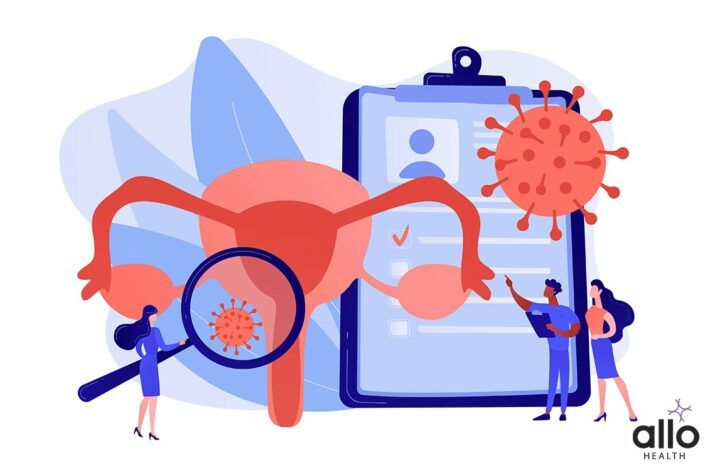
- Aging brings about several physiological changes that can affect sexual health.
- For men, these changes may include a decrease in testosterone levels, which can lead to reduced libido, erectile dysfunction (ED), and longer recovery times after sexual activity.
- Women, on the other hand, often experience a decrease in estrogen levels, leading to vaginal dryness, discomfort during intercourse, and changes in sexual desire.
- In addition to hormonal changes, age-related conditions such as arthritis, diabetes, heart disease, and chronic pain can also impact sexual function and desire.
- Medications used to treat these conditions may have side effects that affect sexual performance and satisfaction.
- Moreover, psychological factors such as stress, anxiety, depression, and self-esteem issues can further complicate sexual health.
Addressing Sexual Health Concerns
- Open communication with healthcare providers is essential for addressing sexual health concerns in older adults. Many people feel embarrassed or reluctant to discuss these issues with their doctors.
- Still, it is important to remember that sexual health is a legitimate and significant aspect of overall health. Healthcare providers can offer valuable advice, diagnose underlying medical conditions, and recommend appropriate treatments.
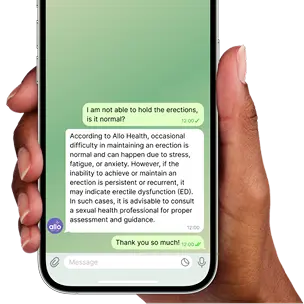
- For men experiencing erectile dysfunction, treatments such as oral medications (e.g., Viagra, Cialis), penile injections, vacuum erection devices, and penile implants can be effective.
- Hormone replacement therapy (HRT) may be an option for those with low testosterone levels, although it is important to discuss the potential risks and benefits with a healthcare provider.
- Women facing issues such as vaginal dryness can benefit from lubricants, moisturizers, and estrogen therapy, which can be administered in various forms such as creams, tablets, or rings. Non-hormonal treatments, including lifestyle changes and pelvic floor exercises, can also improve sexual function and satisfaction.
Psychological And Emotional Support
- Addressing the psychological and emotional aspects of sexual health is equally important. Counseling and therapy can help individuals and couples navigate the changes and challenges that come with aging.
- Sex therapy, in particular, can provide strategies for improving communication, intimacy, and sexual satisfaction.
- Support groups, both in-person and online, can offer a sense of community and understanding. Sharing experiences and advice with others who are facing similar challenges can reduce feelings of isolation and provide valuable insights.
- Organizations such as the American Association of Sexuality Educators, Counselors, and Therapists (AASECT) can help individuals find qualified professionals and support groups in their area.
Educational Resources
There are numerous educational resources available to help older adults better understand and manage their sexual health. Books, articles, and online resources can provide information on the physical and psychological aspects of aging and sexual health, as well as practical tips for maintaining a fulfilling sex life. Some reputable sources of information include:
- The North American Menopause Society (NAMS): Offers resources on menopausal health, including sexual health.
- The American Urological Association (AUA): Provides information on male sexual health issues such as erectile dysfunction and prostate health.
- The National Institute on Aging (NIA): Offers a wealth of information on various aspects of aging, including sexual health.
Promoting A Healthy Lifestyle
Maintaining a healthy lifestyle is key to preserving sexual health as we age. Regular exercise, a balanced diet, adequate sleep, and stress management can all contribute to overall well-being and improve sexual function. Exercise, in particular, can enhance cardiovascular health, boost energy levels, and improve mood, all of which can positively impact sexual health. Quitting smoking and limiting alcohol consumption are also important steps in maintaining sexual health. Smoking can impair blood flow, which is crucial for sexual arousal and performance, while excessive alcohol consumption can lead to decreased libido and sexual dysfunction.
Fostering Intimacy And Connection

- Aging can provide an opportunity to deepen intimacy and connection in relationships. As physical changes occur, exploring new ways of expressing affection and intimacy becomes increasingly important.
- This might include focusing on emotional closeness, communication, and non-sexual forms of touch.
- Experimenting with different forms of sexual expression can also be beneficial. This might involve trying new positions, incorporating sex toys, or exploring other forms of physical intimacy that do not rely on penetrative sex.
- The goal is to maintain a satisfying and fulfilling sexual relationship, even if it looks different than it did in earlier years.
Overcoming Stigma And Misconceptions
- One of the biggest barriers to addressing sexual health in older adults is the stigma and misconceptions surrounding the topic.
- Society often portrays older adults as asexual or uninterested in sex, which can discourage individuals from seeking help or discussing their concerns.
- Education and advocacy are crucial in overcoming these misconceptions. By promoting a more realistic and positive view of aging and sexual health, we can create an environment where older adults feel comfortable and empowered to address their sexual health needs.
Sexual health is an integral part of overall well-being, regardless of age. As we grow older, it is important to acknowledge and address the changes that can impact our sexual health. By seeking appropriate medical advice, accessing educational resources, and fostering emotional and physical intimacy, older adults can maintain a fulfilling and satisfying sex life. Overcoming stigma and promoting open conversations about sexual health are essential steps in ensuring that aging individuals receive the support and resources they need.
Disclaimer
The following blog article provides general information and insights on various topics. However, it is important to note that the information presented is not intended as professional advice in any specific field or area. The content of this blog is for general educational and informational purposes only. The content should not be interpreted as endorsement, recommendation, or guarantee of any product, service, or information mentioned. Readers are solely responsible for the decisions and actions they take based on the information provided in this blog. It is essential to exercise individual judgment, critical thinking, and personal responsibility when applying or implementing any information or suggestions discussed in the blog.
Most Asked Questions
What is Consent?
Consent is a clear, affirmative agreement to engage in a specific activity. It is based on the principles of being freely given, reversible, informed, enthusiastic, and specific (FRIES). Freely Given: Consent must be given without any pressure, force, or manipulation. Reversible: Anyone can change their mind about what they want to do at any time. Informed: All parties must fully understand what they are consenting to. Enthusiastic: Consent should be given with eagerness and willingness. Specific: Consent for one activity does not imply consent for another; each activity requires its own agreement.
How Do You Communicate Consent?
Communicating consent involves clear and open dialogue. Here are key steps: Ask Directly: Use straightforward questions like, "Do you want to do this?" or "Are you comfortable with this?" Listen Actively: Pay attention to verbal and non-verbal cues. Enthusiastic yeses and clear affirmations indicate consent, while hesitation or silence do not. Check In Regularly: Consent should be ongoing. Regularly ask if your partner is comfortable continuing. Respect Boundaries: If your partner says no or expresses discomfort, respect their decision without trying to persuade them otherwise. Use Clear Language: Encourage explicit responses like "yes" or "I’m comfortable with this" to avoid ambiguity.
What Are the Different Contexts Where Consent is Important?
Consent is crucial in various contexts, including: Sexual Relationships: Clear communication about comfort and boundaries is essential. Medical Procedures: Patients must give informed consent, understanding the risks and benefits of treatments. Workplace Interactions: Consent is necessary for respecting personal space and boundaries in professional settings. Social Interactions: Asking permission for sharing personal stories or photos online respects privacy. Research Participation: Participants need to understand and agree to the study's purpose and methods.
What Happens When Consent is Violated?
Violating consent can have serious consequences: Emotional and Psychological Impact: Victims may experience trauma, anxiety, and depression. Legal Consequences: Many jurisdictions have laws protecting consent, especially in sexual and medical contexts, with violations leading to legal action. Relationship Damage: Consent violations can erode trust and harm relationships. Reputational Harm: Perpetrators may face social and professional repercussions.
How Can We Promote a Culture of Consent?
Promoting a culture of consent involves education, communication, and advocacy: Educate Early: Teach the importance of consent from a young age in schools and communities. Encourage Open Dialogue: Normalize conversations about boundaries and mutual respect in all relationships. Model Respectful Behavior: Demonstrate consent in your interactions and respect others' boundaries. Support Survivors: Provide resources and support for those affected by consent violations. Advocate for Policies: Support laws and policies that protect consent and provide comprehensive consent education.