Contraception and Family Planning
Written by Aditi Mallick

Aditi, a dynamic individual with a background in Chemistry, initially embarked on her professional journey as an Associate Content Developer at Byju's. Transitioning from an academic content reviewer to a creative force in the content creation team, she demonstrated prowess in crafting SEO-driven academic content, impactful presentations, and video reviews. Seeking new challenges, Aditi redirected her career towards professional content and copywriting, joining MyCaptain. Along this transformative path, she mastered design skills using software like Photoshop and Illustrator, creating visually striking posts for various brands and websites. Today, Aditi stands as a seasoned Medical writer, seamlessly transitioning from her roots as an academic writer. Join her on this exciting journey as she shares insights and expertise in content creation and medical writing.
•
July 30, 2026
Our experts continually monitor the health and wellness space, and we update our articles when new information becomes available.
Contraception and Family Planning : A Comprehensive Guide
Family planning and contraception are critical components of reproductive health, offering individuals and couples the ability to decide if and when to have children. Effective family planning methods not only prevent unintended pregnancies but also contribute to the well-being and empowerment of women, the stability of families, and the overall health of communities.
The Importance of Contraception and Family Planning
Family planning allows people to achieve their desired number of children and to determine the spacing and timing of their births. This is accomplished through the use of contraceptive methods and the treatment of infertility. Access to family planning is a human right and is essential for the health and empowerment of women, as well as for the development of communities. Key benefits of family planning include:
- Improved Maternal Health: By allowing women to space their pregnancies, family planning reduces the risk of maternal mortality and morbidity. Women who can plan their pregnancies are less likely to experience complications related to childbirth.
- Enhanced Child Health: Children born too close together or to mothers who are too young or too old are at higher risk of health problems. Proper spacing of pregnancies allows for better prenatal and postnatal care, leading to healthier babies.
- Economic Benefits: Family planning can lead to economic benefits at both the family and societal levels. Smaller family sizes allow parents to invest more resources in each child, improving their health, education, and future opportunities.
- Environmental Impact: Controlling population growth through family planning can reduce pressure on natural resources and contribute to environmental sustainability.
Types of Contraception
Contraceptive methods can be broadly categorized into several types, each with its own advantages and considerations. The choice of contraception depends on individual preferences, health status, and specific needs.
Hormonal Methods:
Birth Control Pills: Oral contraceptives contain hormones (estrogen and progestin) that prevent ovulation. They are highly effective when taken correctly but require daily adherence.

Injectable Contraceptives: Administered via injection every three months, these contraceptives also prevent ovulation. They are a convenient option for those who prefer not to take a daily pill.
Contraceptive Patches: These patches release hormones through the skin and are replaced weekly. They offer a convenient alternative to daily pills.
Vaginal Rings: Inserted into the vagina, these rings release hormones and are replaced monthly.
Barrier Methods:

Condoms: Male and female condoms prevent sperm from reaching the egg and also protect against sexually transmitted infections (STIs). They are widely available and do not require a prescription.
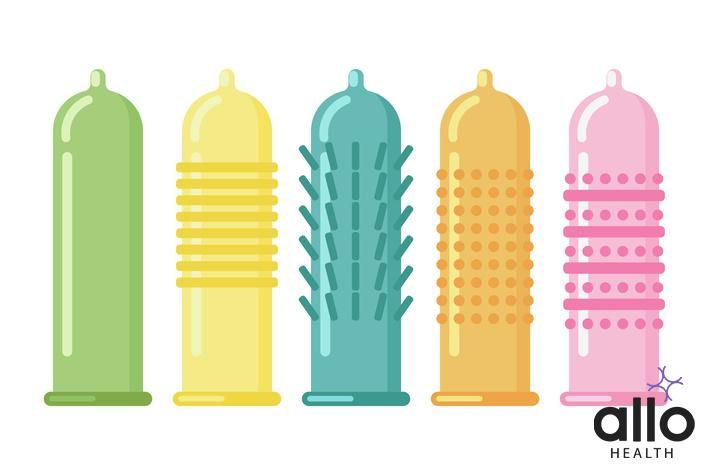
Diaphragms and Cervical Caps: These are inserted into the vagina before intercourse to cover the cervix and block sperm. They must be used with spermicide to be effective
Intrauterine Devices (IUDs):
Copper IUDs: These non-hormonal devices release copper, which is toxic to sperm, and can prevent pregnancy for up to 10 years.
Hormonal IUDs: These release progestin and can prevent pregnancy for 3 to 5 years. They also reduce menstrual bleeding and cramping.
Permanent Methods:
Tubal Ligation: Also known as "getting your tubes tied," this surgical procedure permanently blocks the fallopian tubes, preventing sperm from reaching the egg.
Vasectomy: A surgical procedure for men that cuts or seals the vas deferens, preventing sperm from mixing with semen.
Emergency Contraception:
- Morning-After Pills: These pills can be taken up to 72 hours after unprotected sex to prevent pregnancy. They are not intended for regular use and are less effective than regular contraceptive methods.
- Copper IUD: Can also be used as emergency contraception if inserted within five days of unprotected sex.
Factors to Consider When Choosing Contraception
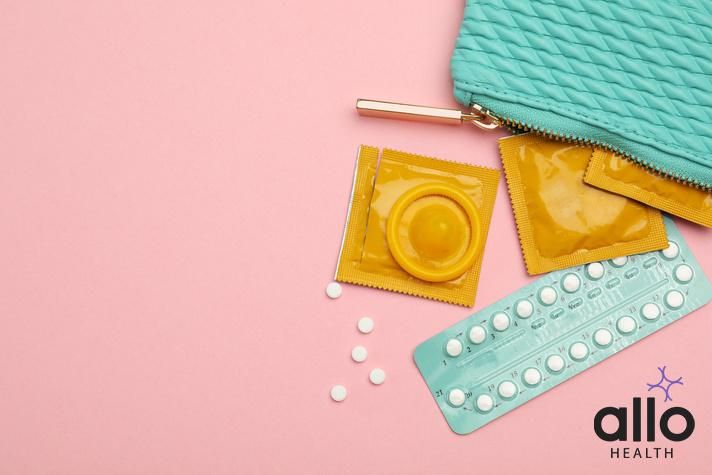
Choosing the right contraceptive method involves considering various factors, including:
- Effectiveness: Some methods are more effective at preventing pregnancy than others. Long-acting reversible contraceptives (LARCs) like IUDs and implants are among the most effective.
- Convenience: Some methods require daily attention, while others can last for several years without needing to be replaced.
- Side Effects: Hormonal methods can have side effects like weight gain, mood changes, and irregular bleeding. It's important to discuss potential side effects with a healthcare provider.
- Health Conditions: Certain health conditions may limit the choice of contraceptives. For example, women with a history of blood clots may be advised against using estrogen-containing methods.
- Protection Against STIs: Only condoms offer protection against sexually transmitted infections, so they should be used in combination with other methods if STI prevention is a concern.
- Cost and Accessibility: Some methods may be more expensive or harder to obtain than others. Many health insurance plans cover contraceptives, but it's important to check coverage details.
The Role of Education and Counseling
Access to accurate information and counseling about contraception is crucial for making informed decisions. Healthcare providers play a key role in educating individuals about their options and helping them choose the best method for their needs. Comprehensive contraceptive counseling should include:
- Information about the effectiveness, benefits, and risks of different methods.
- Guidance on how to use the chosen method correctly.
- Discussion of any potential side effects and how to manage them.
- Consideration of personal and cultural preferences and values.
Addressing Myths and Misconceptions
Many myths and misconceptions about contraception can prevent people from using it effectively. Common myths include the belief that contraceptives cause infertility or that they are only for women who have already had children. Education and open communication are key to dispelling these myths and encouraging the use of contraception. Contraception and family planning are essential components of reproductive health, offering numerous benefits for individuals, families, and society. By providing the means to control if and when to have children, contraceptives empower people to make choices that align with their personal, health, and economic goals. Access to a variety of contraceptive methods, along with education and counseling, ensures that everyone can find the best solution for their needs, contributing to healthier lives and communities.

Disclaimer
The following blog article provides general information and insights on various topics. However, it is important to note that the information presented is not intended as professional advice in any specific field or area. The content of this blog is for general educational and informational purposes only. The content should not be interpreted as endorsement, recommendation, or guarantee of any product, service, or information mentioned. Readers are solely responsible for the decisions and actions they take based on the information provided in this blog. It is essential to exercise individual judgment, critical thinking, and personal responsibility when applying or implementing any information or suggestions discussed in the blog.
Most Asked Questions
What are the different types of contraception available?
There are several types of contraception, including hormonal methods (such as birth control pills, patches, and injections), barrier methods (like condoms and diaphragms), intrauterine devices (IUDs), natural methods (like fertility awareness and withdrawal), and permanent methods (such as sterilization for men and women). Each method has its own effectiveness rate, benefits, and potential side effects.
How do I choose the right contraception method for me?
Choosing the right contraception method depends on various factors, including your health, lifestyle, convenience, and personal preferences. It's essential to consult with a healthcare provider to discuss your options and consider aspects such as your age, health history, risk of sexually transmitted infections (STIs), and family planning goals. They can help you make an informed decision based on your specific needs.
Are there side effects associated with contraception?
Yes, some contraception methods can have side effects. Hormonal methods may cause nausea, weight gain, mood changes, or changes in menstrual cycles. Barrier methods can sometimes cause irritation or allergic reactions. IUDs might lead to cramping or irregular bleeding initially. It's crucial to discuss potential side effects with your healthcare provider and report any adverse reactions you experience.
Can contraception fail?
While no contraception method is 100% effective, proper and consistent use significantly reduces the risk of failure. For instance, birth control pills are about 99% effective with perfect use but around 91% effective with typical use. Condoms are about 98% effective with perfect use and 85% effective with typical use. Understanding the effectiveness of your chosen method and using it correctly is vital.
What is emergency contraception and when should it be used?
Emergency contraception (EC) is a method used to prevent pregnancy after unprotected sex or contraceptive failure (e.g., a broken condom). EC pills are most effective when taken within 72 hours after intercourse but can work up to five days later. There is also the option of a copper IUD, which can be inserted by a healthcare provider within five days of unprotected sex. EC should not be used as a regular contraception method but as a backup option.