Support and Resources on Sexual Health and Pregnancy
Written by Aditi Mallick

Aditi, a dynamic individual with a background in Chemistry, initially embarked on her professional journey as an Associate Content Developer at Byju's. Transitioning from an academic content reviewer to a creative force in the content creation team, she demonstrated prowess in crafting SEO-driven academic content, impactful presentations, and video reviews. Seeking new challenges, Aditi redirected her career towards professional content and copywriting, joining MyCaptain. Along this transformative path, she mastered design skills using software like Photoshop and Illustrator, creating visually striking posts for various brands and websites. Today, Aditi stands as a seasoned Medical writer, seamlessly transitioning from her roots as an academic writer. Join her on this exciting journey as she shares insights and expertise in content creation and medical writing.
•
July 30, 2026
Our experts continually monitor the health and wellness space, and we update our articles when new information becomes available.
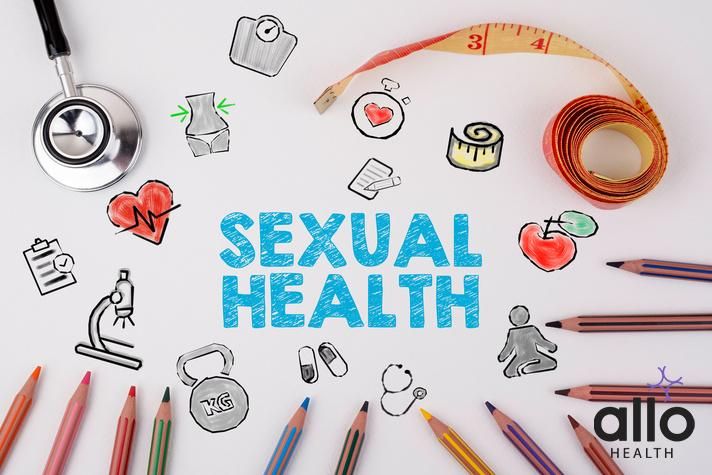
Support and Resources on Sexual Health and Pregnancy
Sexual health and pregnancy are interconnected aspects of reproductive well-being that require comprehensive support and resources to ensure a healthy and fulfilling life. Sexual health encompasses a wide range of issues, including contraception, sexually transmitted infections (STIs), sexual education, and emotional well-being. Pregnancy, on the other hand, involves prenatal care, understanding the physical and emotional changes, and preparing for childbirth and parenthood. This article aims to provide a detailed overview of the support and resources available for sexual health and pregnancy.
Understanding Sexual Health
Sexual health is an integral part of overall health and well-being. It is not merely the absence of disease or dysfunction but also involves positive and respectful approaches to sexuality and sexual relationships. Key aspects of sexual health include:
- Contraception: Access to a variety of contraceptive methods allows individuals to plan and space their pregnancies. Options range from barrier methods (condoms) to hormonal methods (pills, patches, injections), intrauterine devices (IUDs), and natural methods. Consulting a healthcare provider can help in choosing the most suitable method.
- Sexually Transmitted Infections (STIs): Regular screening and early treatment of STIs are crucial for maintaining sexual health. Resources such as clinics, online services, and community health centers offer testing, treatment, and educational materials.
- Sexual Education: Comprehensive sexual education covers anatomy, reproduction, consent, and safe sex practices. Schools, community organizations, and online platforms provide resources to educate individuals of all ages.
- Emotional and Psychological Support: Sexual health is closely linked to mental health. Counseling services, support groups, and online forums provide emotional support and guidance for issues such as sexual dysfunction, trauma, and relationship problems.
Support During Pregnancy
Pregnancy is a transformative journey that requires holistic care and support. Ensuring the health and well-being of both the mother and the baby involves several stages:
- Prenatal Care: Regular prenatal visits to a healthcare provider are essential. These visits include monitoring the health of the mother and the developing baby, managing any existing health conditions, and receiving vaccinations. Ultrasound scans, blood tests, and other screenings are part of routine prenatal care.
- Nutrition and Exercise: Proper nutrition and regular exercise are vital for a healthy pregnancy. Nutritional counseling can help in creating a balanced diet plan that includes essential vitamins and minerals. Prenatal exercise classes and resources on safe physical activities support physical health.
- Education and Preparation: Childbirth classes, parenting workshops, and educational materials prepare expectant parents for labor, delivery, and newborn care. Hospitals, community centers, and online platforms offer these resources.
- Mental Health: Pregnancy can bring about significant emotional changes. Access to mental health services, including counseling and support groups, helps in managing stress, anxiety, and depression.
- Financial and Social Support: Pregnancy often comes with financial and social challenges. Programs that provide financial assistance, maternity leave policies, and community support networks play a crucial role in supporting expectant parents.
Navigating Resources
Finding the right support and resources can be overwhelming. Here are some key sources:
- Healthcare Providers:

Addressing Common Concerns
- Access to Care: Ensuring access to sexual health and pregnancy care is a significant concern, particularly in underserved communities. Advocating for better healthcare policies, expanding telehealth services, and supporting local health initiatives are ways to improve access.
- Stigma and Education: Stigma around sexual health issues can hinder individuals from seeking help. Comprehensive sexual education and public awareness campaigns play a crucial role in reducing stigma and promoting healthy behaviors.
- Mental Health Integration:
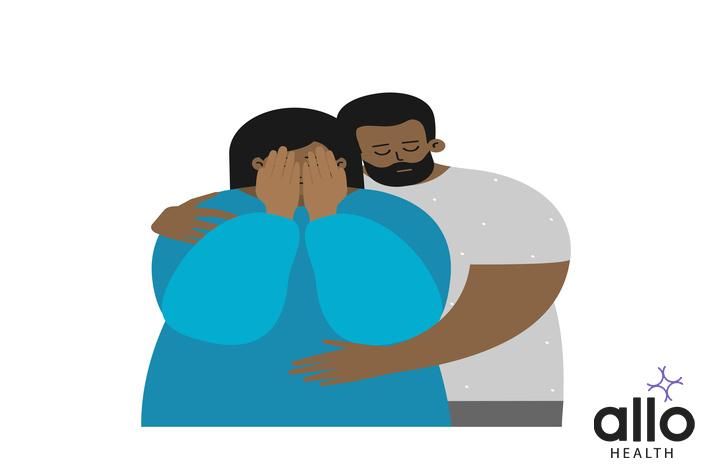
Support and resources for sexual health and pregnancy are vital for ensuring the well-being of individuals and families. From contraception and STI prevention to prenatal care and mental health support, comprehensive care involves a multidisciplinary approach. By leveraging healthcare providers, clinics, online resources, community organizations, and support groups, individuals can access the necessary tools and guidance to navigate their sexual health and pregnancy journey effectively. Promoting awareness, reducing stigma, and advocating for better healthcare policies are critical steps toward creating a supportive environment for all.
Disclaimer
The following blog article provides general information and insights on various topics. However, it is important to note that the information presented is not intended as professional advice in any specific field or area. The content of this blog is for general educational and informational purposes only. The content should not be interpreted as endorsement, recommendation, or guarantee of any product, service, or information mentioned. Readers are solely responsible for the decisions and actions they take based on the information provided in this blog. It is essential to exercise individual judgment, critical thinking, and personal responsibility when applying or implementing any information or suggestions discussed in the blog.
Most Asked Questions
What are the common sexual health concerns during pregnancy?
During pregnancy, common sexual health concerns can include changes in libido, discomfort during intercourse, and concerns about the safety of sexual activity. Hormonal changes, physical discomfort, and emotional fluctuations can all impact sexual health. It’s important to communicate with your partner and consult with a healthcare provider for personalized advice.
Is it safe to have sex during pregnancy?
For most women with uncomplicated pregnancies, sex is safe throughout the entire pregnancy. However, certain conditions such as placenta previa, preterm labor, or unexplained vaginal bleeding may require abstaining from sexual activity. Always consult your healthcare provider to understand what is safe for your specific situation.
What resources are available for managing sexual health during pregnancy?
There are various resources available for managing sexual health during pregnancy, including online articles, books, and forums dedicated to pregnancy and sexual health. Healthcare providers, including obstetricians and midwives, can offer personalized guidance. Support groups, both online and in-person, can also provide valuable insights and emotional support.
How can I maintain intimacy with my partner during pregnancy?
Maintaining intimacy during pregnancy involves open communication, understanding, and finding alternative ways to connect if sexual activity is uncomfortable or not advised. Couples can explore different forms of intimacy such as cuddling, massage, and spending quality time together. It’s important to address any concerns or fears with your partner and seek advice from a healthcare provider if needed.
What should I do if I experience pain during sex while pregnant?
Experiencing pain during sex while pregnant can be due to various reasons such as hormonal changes, increased blood flow to the pelvic area, or physical discomfort. If you experience pain, it’s important to stop and communicate with your partner. Try different positions that might be more comfortable and use plenty of lubrication. If the pain persists, consult with your healthcare provider to rule out any underlying issues and receive appropriate guidance.