Sexual Disorders Overview
Written by Anoush Gomes

Anoush Gomes is a seasoned Content Writer with over 10 years of experience, specializing in various writing styles such as medical content, creative writing, storytelling, and research papers. Anoush embarked on a unique journey, starting with pre-medical studies at the Dante Aligheri Academy and the University of Miami, where she earned a Bachelor's degree with a major in Biology and a minor in Psychology.Having pursued medical school and completed clinicals, Anoush transitioned to the world of medical content writing, where her passion for both healthcare and writing converged. Her writing skills encompass persuasive, narrative, expository, and descriptive styles, making complex medical concepts accessible to diverse audiences.Beyond her professional endeavors, Anoush is a multi-faceted individual with a rich tapestry of interests. A writer, artist, poet, avid reader, certified nerd, and hopeful author, she finds inspiration in the intersection of creativity and science.Whether crafting engaging medical narratives or weaving captivating stories, Anoush combines her diverse background and writing expertise to deliver compelling content that resonates with diverse audiences.
•
June 7, 2024
Our experts continually monitor the health and wellness space, and we update our articles when new information becomes available.
Trigger Warning: This post discusses sexual trauma and violence. Sexuality is a fundamental aspect of human experience, encompassing physical, emotional, and psychological dimensions. However, for many individuals, various factors can disrupt this natural and healthy aspect of life, leading to sexual disorders. These disorders can have far-reaching impacts on relationships, self-esteem, and overall well-being. In this blog post, we'll delve into the world of sexual disorders, exploring their types, causes, and the importance of understanding and addressing these conditions with compassion and evidence-based approaches.
What are Sexual Disorders?
Sexual disorders, also known as sexual dysfunctions, are persistent or recurrent problems that prevent an individual from experiencing satisfying and pleasurable sexual activity. These disorders can affect different stages of the sexual response cycle, including desire, arousal, and orgasm. According to the Diagnostic and Statistical Manual of Mental Disorders (DSM-5), the main categories of sexual disorders include:
- Sexual Interest/Arousal Disorders
- Male Hypoactive Sexual Desire Disorder
- Female Sexual Interest/Arousal Disorder
- Erectile Disorder
- Orgasmic Disorders
- Sexual Pain Disorders
- Genito-Pelvic Pain/Penetration Disorder
- Vaginismus
- Other Sexual Dysfunctions
- Substance/Medication-Induced Sexual Dysfunction
- Sexual Dysfunction Due to a Medical Condition
It's important to note that sexual disorders can affect individuals of all genders and sexual orientations, and they should not be stigmatized or viewed as a source of shame.
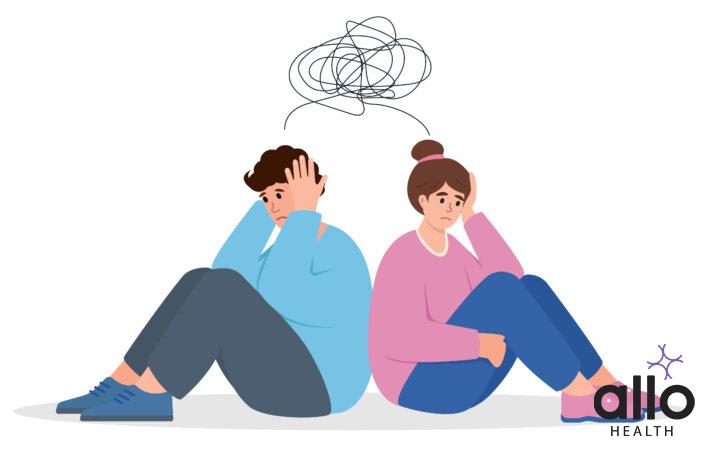
Causes and Contributing Factors
Sexual disorders can arise from a complex interplay of physiological, psychological, and interpersonal factors. Some common causes and contributing factors include:
- Physical factors:
- Chronic medical conditions (e.g., diabetes, cardiovascular diseases, neurological disorders)
- Hormonal imbalances
- Injuries or surgeries affecting the pelvic region
- Side effects of certain medications
- Psychological factors:
- Anxiety and depression
- Body image issues and low self-esteem
- Stress and performance anxiety
- Trauma or past negative sexual experiences
- Interpersonal factors:
- Relationship conflicts or dissatisfaction
- Communication problems with a partner
- Differing sexual desires or expectations
- Sociocultural factors:
- Societal attitudes, beliefs, and stigma surrounding sexuality
- Cultural norms and expectations regarding sexual behavior
It's important to recognize that sexual disorders can have multiple contributing factors and may require a multidisciplinary approach to address them effectively.
Impact and Consequences
Sexual disorders can have a profound impact on an individual's life, affecting various aspects of their well-being. Some potential consequences include:
- Emotional and psychological distress:
- Feelings of frustration, guilt, or inadequacy
- Decreased self-esteem and confidence
- Anxiety or depression
- Relationship difficulties:
- Strain on intimate relationships
- Communication breakdowns with partners
- Potential conflicts or dissatisfaction
- Physical health consequences:
- Chronic pain or discomfort (in the case of sexual pain disorders)
- Increased risk of certain medical conditions (e.g., erectile dysfunction and cardiovascular disease)
- Social and quality of life implications:
- Avoidance of intimate situations or relationships
- Decreased overall life satisfaction and well-being
It's crucial to acknowledge the significant impact sexual disorders can have on individuals and seek appropriate support and treatment.

Treatment and Management
The good news is that sexual disorders are treatable, and various approaches can be effective in managing and improving sexual functioning. Treatment options may include:
- Psychotherapy and counseling:
- Cognitive-behavioral therapy (CBT)
- Mindfulness-based therapies
- Couples or sex therapy
- Medication:
- Oral medications (e.g., phosphodiesterase-5 inhibitors for erectile dysfunction)
- Topical treatments (e.g., creams or suppositories for sexual pain disorders)
- Medical interventions:
- Treatment of underlying medical conditions
- Hormone replacement therapy
- Surgery (in some cases)
- Lifestyle changes:
- Exercise and physical activity
- Stress management techniques
- Improving communication and intimacy with partners
It's important to work closely with qualified healthcare professionals, such as sex therapists, counselors, and medical doctors, to develop a comprehensive and personalized treatment plan.
Overcoming Stigma and Promoting Awareness
Despite their prevalence, sexual disorders remain a topic that is often shrouded in stigma and misconceptions. It's crucial to challenge these attitudes and promote open and non-judgmental conversations about sexual health. By raising awareness and providing accurate information, we can help individuals feel more comfortable seeking support and treatment for sexual disorders. Additionally, promoting sex education and healthy attitudes towards sexuality from an early age can contribute to preventing and addressing these issues more effectively. Remember, sexual disorders are not a reflection of personal failure or a lack of character; they are legitimate medical conditions that deserve compassionate and evidence-based care.
Disclaimer
The following blog article provides general information and insights on various topics. However, it is important to note that the information presented is not intended as professional advice in any specific field or area. The content of this blog is for general educational and informational purposes only. The content should not be interpreted as endorsement, recommendation, or guarantee of any product, service, or information mentioned. Readers are solely responsible for the decisions and actions they take based on the information provided in this blog. It is essential to exercise individual judgment, critical thinking, and personal responsibility when applying or implementing any information or suggestions discussed in the blog.
Most Asked Questions
Are sexual disorders only experienced by older adults?
No, sexual disorders can affect individuals of any age, including younger adults and adolescents. While the prevalence of certain disorders may increase with age, it's important not to dismiss sexual concerns based on preconceived notions about age.
Can stress and anxiety cause sexual disorders?
Yes, stress and anxiety are common contributing factors to various sexual disorders, such as erectile dysfunction, premature ejaculation, and hypoactive sexual desire disorder. Stress can disrupt the physiological and psychological processes involved in the sexual response cycle.
Can medications contribute to sexual disorders?
Yes, certain medications, such as antidepressants, blood pressure medications, and chemotherapy drugs, can have side effects that interfere with sexual function and desire. It's important to discuss potential sexual side effects with a healthcare provider.
Can couples therapy help with sexual disorders?
Absolutely. Couples therapy, or sex therapy, can be highly beneficial in addressing sexual disorders, particularly when there are interpersonal or relationship factors involved. These therapies can help improve communication, address underlying issues, and develop strategies for enhancing intimacy and sexual satisfaction.
Is it possible to experience more than one sexual disorder at the same time?
Yes, it is possible for an individual to experience multiple sexual disorders simultaneously. For example, someone may struggle with both low sexual desire and difficulty achieving orgasm. A comprehensive assessment and treatment plan may be necessary to address co-occurring sexual disorders effectively.