Postpartum Depression: Symptoms, Treatment and Help in India
Written by Dr. Srishti Rastogi

Dr. Srishti Rastogi is a medical writer and healthcare professional dedicated to high-quality patient education and public health awareness. Leveraging her clinical background, she produces deeply researched, evidence-based content for digital health platforms and medical publications. Dr. Srishti’s unique dual perspective as a clinician and communicator allows her to craft content that builds trust and credibility with readers navigating sensitive health topics.
•
August 30, 2026
Our experts continually monitor the health and wellness space, and we update our articles when new information becomes available.
Quick Read
Feeling low, anxious or numb after having a baby is common, and it isn't a sign of being a bad mother. A brief low mood in the first days usually passes on its own. Postpartum depression lasts longer, gets in the way of daily life, and often starts weeks or months after the birth rather than straight away. A rarer condition, postpartum psychosis, is a medical emergency and needs help the same day. All of these are treatable.
If you or someone you know is in crisis, help is available right now. You are not alone, and things can get better with the right support.
If you keep wondering, “Why am I not feeling happy when everyone expects me to be?” Relax, that’s completely normal. You may love your baby deeply and still feel empty, worried or exhausted. You may cry when nobody is around or feel guilty because bonding with the baby is taking time.
This does not make you a bad mother. Your body and life have gone through a huge change. Postpartum depression is a health condition, and it can be treated.
What Is the Difference Between Baby Blues and Postpartum Depression?
Baby blues are mild emotional changes that usually begin during the first few days after childbirth. Postpartum depression lasts longer or makes everyday life difficult.
| Baby blues | Postpartum depression |
|---|---|
| Usually begins soon after delivery | Can begin during pregnancy or within the first year after birth |
| Settles within two weeks | Lasts for more than two weeks |
| Feelings are usually mild | Symptoms affect daily life |
| Rest and support usually help | Professional help may be needed |
With baby blues, you may cry easily, feel irritable or become overwhelmed. These feelings usually improve as your body adjusts.
Postpartum depression may begin soon after delivery or several months later. If you are struggling badly, you do not have to wait two weeks before speaking to a doctor.


What Are the Symptoms of Postpartum Depression?
Postpartum depression is not always obvious sadness. You may feel numb, anxious, angry or unlike yourself.
Common signs include:
- Feeling empty, guilty or hopeless
- Worrying about the baby so much that you cannot rest
- Losing interest in food, people or things you enjoyed
- Being unable to sleep even when the baby sleeps
- Finding it hard to connect with the baby or manage the day
Some mothers cry often. Others feel unable to cry at all. What matters is whether the symptoms continue, become worse or interfere with daily life.

Postpartum depression can share symptoms with depression at other times. Anaemia, thyroid problems and severe exhaustion can also cause similar symptoms, so speak to a doctor.

Allo asks
What do you actually wish someone would say to you right now?
Are Frightening Thoughts About the Baby Normal?
Unwanted thoughts about something bad happening to the baby can occur with postpartum depression, anxiety or obsessive-compulsive disorder.
Having an unwanted thought does not mean you want it to happen. Still, tell a doctor or mental health professional so they can understand what you are experiencing.
Get urgent help if you feel you may act on the thoughts, have made a plan or cannot keep yourself or the baby safe.
Can Depression Start During Pregnancy?
Yes. Depression can begin during pregnancy, not only after the baby is born.
Pregnancy naturally affects sleep, appetite and energy. But feeling low, hopeless or extremely worried most days should not be ignored.
You can tell your doctor: “I have not been feeling like myself. I feel low or worried most days, and I need help.”
If you already take medicine for a mental health condition, do not stop or change it yourself. Speak to the doctor who prescribed it.

What Causes Postpartum Depression?
Postpartum depression usually develops when several pressures come together.
Your body is recovering, your hormones are changing and your sleep is broken. A difficult delivery, feeding problems, worries about the baby and not getting enough support can add to the pressure.
If the birth was frightening or life-threatening, some symptoms may also be related to PTSD and trauma.
Money problems, conflict at home and domestic violence may also increase the risk. Postpartum depression is not caused by weakness or by not loving your baby.
How Common Is Postpartum Depression in India?
Postpartum depression may affect around 1 in 5 mothers in India. A review of 38 Indian studies involving more than 20,000 women estimated the rate at 22% [1].
The review found a higher risk among women facing money problems, domestic violence, marital conflict or little support from their husbands.
The birth of a female baby was also reported as a risk factor in some studies. Having a daughter does not cause depression. The problem is the criticism or family pressure that some mothers face after giving birth to a girl.
Indian families may say “sab theek ho jayega” because they want to help. But it can make a mother feel that nobody is taking her feelings seriously.
I've had mothers tell me they feel like they've disappointed their family simply by having a girl. I want to be very clear, having a daughter does not cause depression. The criticism and pressure some mothers face afterward does. That distinction matters, and it's not the mother's failing.
What Is Postpartum Psychosis?
Postpartum psychosis is a rare but serious condition that needs emergency treatment. It affects around 1 to 2 women in every 1,000 births [2].
It often begins suddenly during the first two weeks after delivery. The mother may become severely confused, hear or see things that are not there or strongly believe things that are not true. She may stop sleeping or behave very differently from herself.
These can be signs of psychosis. A personal or family history of bipolar disorder can increase the risk. Do not leave the mother or baby alone. Take her to the nearest hospital immediately or call 112.
How Is Postpartum Depression Diagnosed?
A doctor or mental health professional will ask about your mood, sleep, appetite, anxiety and ability to manage daily activities.
You may be given a short screening questionnaire. It can show whether you need further assessment, but the score alone cannot confirm a diagnosis.
The doctor may also check for anaemia, thyroid problems or other physical conditions. If you are unsure whom to approach, learn the difference between a psychiatrist, psychologist and therapist.
How Is Postpartum Depression Treated?
Treatment may include therapy, practical support, medicine or a combination of these.
Talking Therapy
Therapy gives you a private place to speak without being judged. It can help you manage guilt, anxiety, difficult thoughts and relationship changes. If you have never tried it before, read about what happens in a counselling session.
Support at Home
A few hours of uninterrupted sleep, help with feeds and someone taking over household work can make a real difference. If you cannot sleep even when the baby sleeps, tell your doctor. Persistent insomnia and sleep problems may need treatment.
Medicine
A doctor may recommend medicine when symptoms are moderate or severe.
Some mothers may be prescribed antidepressants during pregnancy or breastfeeding. The choice depends on your symptoms and health.
Read more about how psychiatric medicines work. Do not start, stop or change medicine without speaking to a doctor.
How Can Family Members Help?
Listen without judging and take some work off her plate. Help with the baby, meals, washing or appointments, and give her time to rest.
You can say, “I believe you,” or “What can I take care of today?” Avoid comparing her with other mothers or telling her to be strong and positive.
Read more about how to support a loved one.
When Should You Get Help?
Speak to a doctor if low mood, anxiety or numbness lasts for more than two weeks or makes it hard to manage the day. If you have not felt like yourself during pregnancy or after your baby’s birth, you do not have to wait for things to become worse.
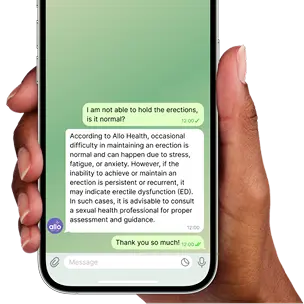
A confidential consultation with a mental health professional at Allo Health can help you understand what you are going through and decide what support may work for you. Taking the first step can be as simple as saying, “I need someone to talk to.”
Disclaimer
This blog article discusses mental health and emotional wellbeing for general educational and informational purposes only. It is not a substitute for professional advice, diagnosis, or treatment, and only a qualified mental health professional, such as a psychiatrist, psychologist, or licensed therapist, can diagnose a condition or recommend treatment. If you are struggling, please reach out to a qualified professional or someone you trust; if you are in crisis or may be at risk of harming yourself, use the crisis support resources on this page. For any decisions about your mental health, we encourage you to seek the guidance of a qualified professional.
Most Asked Questions
How soon after birth does postpartum depression start?
It varies, and it often isn't immediate. On average it starts around 14 weeks after delivery [3], though it can begin during pregnancy or at any point in the first year. Feeling fine for the first month doesn't mean you're in the clear, and feeling awful in week one doesn't mean it's depression.
Is it normal not to feel love for my baby straight away?
Yes, more often than anyone admits. Bonding builds over weeks or months for many women, and it isn't a measure of whether you're a good mother. What matters is whether the numbness is lasting and coming with other symptoms, which is worth raising with a doctor.
Should I take an online postpartum depression test?
Questionnaires like these are used by clinicians as part of a proper assessment, not as a verdict on their own. A score from a website can't account for your history, your sleep, your health or what's happening at home. If you're worried enough to look for a test, that's a reason to talk to someone.
Can I take medicine while breastfeeding?
Sometimes yes, and this is a decision for a psychiatrist who knows your situation, not something to settle from a search. What you should not do is stop a medicine you're already on without asking first, because that carries its own risk.
Can fathers or partners be affected too?
Depression after a birth is not limited to the person who gave birth, and partners who are struggling should also speak to a doctor. This page focuses on the mother because that is where the evidence we have reviewed sits.
Sources
- 1.
National Institute for Health and Care Excellence. Antenatal and postnatal mental health: clinical management and service guidance (CG192). NICE, 2014 (updated). Hosted on NCBI Bookshelf.
- 2.
Upadhyay RP, Chowdhury R, Salehi A, Sarkar K, Singh SK, Sinha B, et al. Postpartum depression in India: a systematic review and meta-analysis. Bulletin of the World Health Organization. 2017;95(10):706-717.
- 3.
StatPearls. Perinatal Depression. NCBI Bookshelf.
- 4.
StatPearls. Postpartum Psychosis. NCBI Bookshelf.
- 5.
Zhou M, et al. Different psychological interventions for perinatal depression: a systematic review and meta-analysis of randomized controlled trials. BMC Psychiatry. 2025;25:981.
Why Should You Trust Us?
Why Should You Trust Us?
This article was written by Dr. Srishti Rastogi, who has more than 1 years of experience in the healthcare industry.
Allo has the expertise of over 50+ doctors who have treated more than 1.5 lakh patients both online and offline across 30+ clinics.
Our mission is to provide reliable, accurate, and practical health information to help you make informed decisions.
For This Article
- We cited a review of 38 Indian studies involving more than 20,000 women to estimate that postpartum depression affects around 1 in 5 mothers in India, so this isn't a borrowed Western statistic applied to an Indian audience.
- We named the specific risk factors that Indian research found, including financial strain, domestic violence, marital conflict, and family pressure following the birth of a daughter, so readers see their actual circumstances reflected rather than a generic list.
- We were direct that having a daughter does not cause depression, and that the real driver is the criticism or pressure some mothers face afterward, a distinction Indian research supports and one families often need spelled out clearly.
- We included postpartum psychosis as a distinct, rare, and medically urgent condition rather than folding it into general postpartum depression, so readers can recognize when a situation needs emergency care rather than routine treatment.
- We addressed frightening, unwanted thoughts about the baby honestly, explaining that having such a thought does not mean wanting it to happen, so mothers experiencing this don't stay silent out of fear or shame.